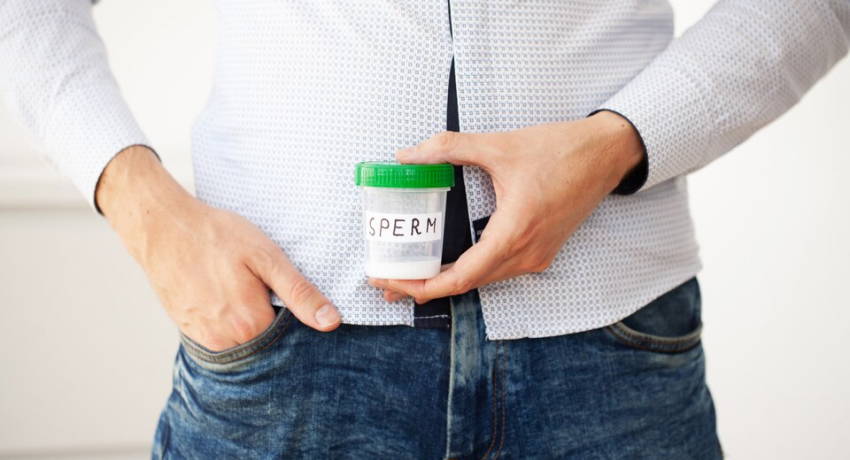
Healthy sperm play an important role in fertility. Whether you are trying to conceive naturally or preparing for IVF or surrogacy, improving sperm quality can increase the chances of success.
Many lifestyle habits affect sperm production. Small changes can make a noticeable difference over time. This guide explains practical ways to improve sperm count and collect the healthiest possible sample.
What Is a Healthy Sperm Count?
A healthy sperm count means there are enough sperm in the semen to improve the chances of fertilization.
However, fertility is not based on count alone. Doctors also evaluate:
- Sperm movement (motility)
- Sperm shape (morphology)
- Semen volume
- Overall sperm health
All of these factors work together to support successful fertilization.
Eat a Nutrient-Rich Diet
Your body needs the right nutrients to produce healthy sperm.
Include foods rich in:
- Zinc
- Selenium
- Vitamin C
- Vitamin D
- Vitamin E
- Omega-3 fatty acids
- Folate
Fresh fruits, vegetables, nuts, seeds, fish, eggs, and whole grains support reproductive health.
Avoid excessive processed foods and sugary drinks whenever possible.
Maintain a Healthy Weight
- Being overweight can lower testosterone levels and reduce sperm production.
- Regular exercise helps maintain hormonal balance.
- Aim for moderate physical activity several days a week.
- Avoid excessive training, which may negatively affect fertility.
Get Enough Sleep
- Sleep supports hormone production.
- Poor sleep may reduce testosterone and sperm production.
- Most adults benefit from seven to nine hours of quality sleep every night.
- A consistent sleep schedule also supports overall reproductive health.
Reduce Stress
Long-term stress can affect hormone levels.
Stress may also reduce sexual function and fertility.
Helpful stress management techniques include:
- Walking
- Meditation
- Deep breathing
- Yoga
- Spending time outdoors
Even small daily habits can improve overall well-being.
Avoid Smoking and Limit Alcohol
- Smoking damages sperm DNA and reduces sperm quality.
- Heavy alcohol use may lower testosterone and sperm production.
- Limiting alcohol and avoiding tobacco products can improve fertility over time.
Protect Sperm from Heat
High temperatures can reduce sperm production.
Try to avoid:
- Hot tubs
- Saunas
- Long periods with a laptop on your lap
- Tight underwear for extended periods
Loose-fitting clothing may help maintain a healthier temperature.
Stay Hydrated
- Water supports many body functions, including semen production.
- Drink enough water throughout the day.
- Proper hydration also supports overall health.
Consider Fertility Supplements
Some men benefit from supplements recommended by a fertility specialist.
Common ingredients include:
- Coenzyme Q10
- Zinc
- Selenium
- L-carnitine
- Vitamins C and E
Always speak with your doctor before starting new supplements.
Prepare Properly Before Sperm Collection
A high-quality sperm sample is important for fertility treatment.
Doctors often recommend:
- Abstaining from ejaculation for 2–5 days
- Staying well hydrated
- Avoiding alcohol before collection
- Avoiding fever or illness when possible
- Following the clinic’s collection instructions carefully
These steps help maximize sperm quality.
When Should You See a Fertility Specialist?
- If pregnancy has not occurred after a year of trying, or after six months if your partner is over 35, fertility testing may be recommended.
- A semen analysis provides valuable information about sperm count, movement, and overall quality.
- Early evaluation allows doctors to recommend the most appropriate treatment.
At Surrogacy4All, we help intended parents understand every step of the fertility process with experienced guidance and personalized support.
Conclusion
Improving sperm count takes time and consistency.
Healthy eating, regular exercise, better sleep, reduced stress, and avoiding harmful habits all support better sperm production.
Preparing properly before sperm collection can also improve sample quality for fertility treatment.
Ready to take the next step? Call Surrogacy4All at (212) 661-7673 or email info@surrogacy4all.com to book your consultation.
Frequently Asked Questions
Q. How long does it take to improve sperm count?
A. Sperm production takes about 70 to 90 days. Healthy lifestyle changes usually show results within three months.
Q. Can diet really improve sperm quality?
A. Yes. Foods rich in vitamins, minerals, antioxidants, and healthy fats help support healthy sperm production.
Q. How many days should I avoid ejaculation before sperm collection?
A. Most fertility specialists recommend abstaining for 2 to 5 days before providing a semen sample.
Q. Does exercise increase sperm count?
A. Moderate exercise supports hormone balance and may improve sperm production. Excessive training may have the opposite effect.
Q. Can stress affect male fertility?
A. Yes. Long-term stress can influence hormone levels and reduce sperm production and overall fertility.

Dr. Veera Saghar
As an Egg Donor Coordinator, she plays a critical role in our company. Her background as a medical graduate from ISRA UNIVERSITY in Pakistan provides us with a solid foundation in the medical sciences. She has seven years of clinical experience practicing in the USA. This has given her firsthand experience when collaborating with patients and their families.
She is responsible for managing the process of egg donation from start to finish. We identify and screen potential egg donors.
- Dr. Veera Saghar

- Dr. Veera Saghar
- Dr. Veera Saghar