AI Smart Summary
Four-week matching in surrogacy is possible when agencies have pre-screened candidates and a structured system. It does not skip safety steps but speeds up the matching phase. Understanding what a surrogate means, medical screening, and pregnancy milestones like viability week help ensure a safe and informed journey.
FAST FACTS
- Matching time within four weeks
- Pre-screening reduces delays
- Communication is key to successful matching
- Emotional readiness matters as much as medical fitness
- Faster matching does not mean lower quality
Recommended Next Steps
- Learn the full surrogate meaning and process
- Research agencies carefully
- Ask detailed questions
- Prepare emotionally and financially
- Stay informed at every stage
Common Mistakes to Avoid
- Judging quality based only on speed
- Ignoring emotional compatibility
- Skipping legal understanding
- Not asking enough questions
Taking time to understand the process makes a big difference.
POPULAR PROGRAMS
Many programs support faster matching:
- Gestational surrogacy programs
- First-time parent programs
- International surrogacy options
- Programs for single parents
These are designed to meet different needs while maintaining safety.
Key Takeaways
- Four-week matching is about preparation, not shortcuts
- Understanding what does surrogate mean builds confidence
- Medical and emotional screening remain essential
- Pregnancy milestones like viability week matter
- Clear communication leads to better outcomes
Introduction
When people first hear about four-week matching in surrogacy, the reaction is often hesitation. It can feel too fast for something so personal and life-changing. Questions naturally come up—Is it rushed? Is it safe? Are important steps being skipped?
The truth is, speed does not always mean risk. With the right structure, experience, and screening process, four-week matching can be both efficient and safe. Understanding the surrogate meaning, the process, and how agencies manage timelines helps remove confusion and build trust.
This guide explains how four-week matching works, why it can be reliable, and what intended parents and every surrogate mother should know before starting.
What Does Surrogate Mean?
Before diving into matching, it’s important to understand the basics.
If you define surrogate, it refers to a woman who carries a pregnancy for intended parents. The surrogate mother meaning includes emotional support, physical commitment, and medical responsibility.
In modern surrogacy, most arrangements are gestational. This means:
- The surrogate has no genetic connection to the baby
- The embryo is created through IVF
- Medical teams closely monitor the pregnancy
Understanding this builds confidence in the process.
How four-Week Surrogate Matching Works
Four-week matching doesn’t mean skipping steps. It means those steps are already prepared in advance.
Pre-Screened Surrogates
Agencies maintain a pool of qualified candidates who have already completed:
- Medical evaluations
- Psychological screening
- Background checks
This preparation allows faster matching without compromising safety.
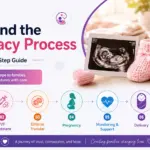
Step-by-Step Matching Process
Profile Review
Intended parents review available surrogate profiles.
Compatibility Check
Values, expectations, and communication preferences are matched.
Initial Meeting
Both parties connect and ask questions.
Agreement Phase
Legal and medical planning begins.
Because the groundwork is already done, the timeline becomes shorter—not weaker.
Why Four-Week Matching Is Not a Red Flag
It’s easy to assume that faster means less careful. In reality, it often means better organization.
1. Prepared Systems
Experienced agencies build structured systems that allow quick yet safe matching.
2. Pre-Qualification
Surrogates are already screened before being introduced to intended parents.
3. Focused Matching
Instead of searching randomly, matching is targeted and efficient.
Surrogacy uses structured processes to ensure safety while reducing waiting time for families.
The Role of Medical Screening
Even with quick matching, medical safety is never rushed.
What Screening Includes:
- Physical health checks
- Fertility history review
- Lifestyle evaluation
- Psychological readiness
These steps ensure that every surrogate mother is prepared for a healthy pregnancy.
Understanding Pregnancy Milestones
What Is Viability Week?
The viability week is the stage when a baby has a chance of surviving outside the womb with medical support.
Fetal Viability 24 Weeks
At fetal viability 24 weeks, the baby reaches an important milestone. This stage is often discussed during pregnancy planning to understand risks and expectations.
Knowing these milestones helps both intended parents and the surrogate stay informed.
Common Concerns About Fast Matching
“Is it too quick to build trust?”
Trust doesn’t depend on time alone. Clear communication and transparency matter more.
“Are important checks skipped?”
No. Screening is completed before matching begins.
“Will I feel rushed?”
A good agency ensures both sides feel comfortable before moving forward.
Practical Tips for Intended Parents
- Ask questions during the matching process
- Take time to review profiles carefully
- Focus on communication, not just speed
- Understand the full surrogacy journey
Practical Tips for Surrogates
- Be honest about expectations
- Ensure emotional readiness
- Ask about support systems
- Understand your role clearly
Frequently Asked Questions
Q. What is surrogacy meaning?
A. The surrogacy meaning refers to an arrangement where a woman carries a baby for intended parents. It includes medical, legal, and emotional support systems designed to ensure a safe and structured process.
Q. What is a miscarriage calculator?
A. A miscarriage calculator estimates pregnancy risk based on general data like weeks and health factors. It offers guidance but cannot predict individual outcomes or replace professional medical advice.
Q. What is surrogacy price?
A. The surrogacy price varies depending on medical procedures, legal costs, and support services. It’s important to plan financially and understand all components before starting the journey.
Q. Can matching really happen in Four week?
A. Yes, when surrogates are pre-screened and systems are organized, matching can happen quickly without compromising safety, communication, or proper evaluation of both parties.
Q. Is fast matching safe?
A. Fast matching is safe when screening is completed beforehand. The timeline is shorter, but the quality and safety measures remain the same as longer matching processes.
Q. Does speed affect success rates?
A. No, speed alone does not impact success. Medical quality, surrogate health, and proper care play a bigger role in determining successful pregnancy outcomes.
Q. What does surrogate mean in real life?
A. What does surrogate mean in real life refers to a woman who supports intended parents by carrying their baby, helping them achieve parenthood through a structured and caring process.
Q. Are surrogates emotionally prepared?
A. Yes, most surrogates go through psychological screening to ensure emotional readiness, stability, and understanding of the commitment required for the journey.
Q. How long does the full process take?
A. While matching may take four week, the full surrogacy journey, including pregnancy, usually takes around 12 to 18 months from start to delivery.
Q. Should I trust quick matching programs?
A. You should evaluate the agency’s process, screening standards, and transparency. A well-structured program can safely offer faster matching without compromising quality or care.
Conclusion
four-week matching in surrogacy may sound fast, but it doesn’t have to feel risky. When supported by proper screening, clear communication, and experienced guidance, it can be a safe and efficient way to begin your journey.
The key is not how quickly you match—but how well the process is managed. With trusted support from organizations like Surrogacy4All, intended parents and surrogates can move forward with clarity and confidence.
Address: 1148 Fifth Avenue, Suite 1C, New York, NY 10128
Phone: (212) 661-7673
Email: info@surrogacy4all.com

Dr. Kulsoom Baloch
Dr. Kulsoom Baloch is a dedicated donor coordinator at Egg Donors, leveraging her extensive background in medicine and public health. She holds an MBBS from Ziauddin University, Pakistan, and an MPH from Hofstra University, New York. With three years of clinical experience at prominent hospitals in Karachi, Pakistan, Dr. Baloch has honed her skills in patient care and medical research.
- Dr. Kulsoom Baloch

- Dr. Kulsoom Baloch
- Dr. Kulsoom Baloch
- Dr. Kulsoom Baloch