
AI Smart Summary
Wondering if you can become a surrogate after cancer? Eligibility depends on your cancer type, treatment history, remission period, current health, and whether pregnancy or IVF hormones are medically safe for you. Surrogacy4All recommends physician-led screening, oncology clearance, and full medical record review before any match is considered.
Fast Facts
- Main keyword: become a surrogate after cancer
- Eligibility: Case-by-case medical review
- Usually disqualified: Active cancer, recent treatment, ongoing hormone therapy
- May qualify: 5+ years in remission, no ongoing treatment, healthy prior pregnancy, oncologist clearance
- Key concern: IVF estrogen/progesterone exposure and pregnancy-related physical demands
Screening Process
- Review cancer diagnosis and treatment history
- Confirm remission timeline
- Check for hormone-sensitive cancer risks
- Evaluate heart, lung, kidney, and overall pregnancy safety
- Require written oncologist clearance
- Complete standard medical and psychological screening
Top Questions Answered
- Can cancer survivors become gestational carriers?
- How long after cancer treatment can you apply?
- Which cancer histories may disqualify a candidate?
- Why is oncologist clearance required?
- Are IVF hormones safe after cancer?
Recommended Next Step
Speak with a screening specialist before applying to understand whether your medical history may qualify.
Key Takeaways
- Cancer history does not always disqualify someone from carrying a pregnancy for intended parents.
- Active cancer, recent treatment, ongoing hormone therapy, or treatment-related organ damage are major red flags.
- A candidate may be reviewed if she has 5+ years in remission, no ongoing treatment, a healthy prior pregnancy, and oncologist clearance.
- IVF medications include estrogen and progesterone, which require extra caution for hormone-sensitive cancers.
Introduction
Becoming a gestational carrier after cancer is possible for some survivors, but approval depends on medical safety first. Agencies and fertility clinics review your cancer type, treatment history, remission timeline, current health, pregnancy history, and whether IVF medications could increase risk.
This guide explains how the screening process works, what doctors look for, and when a past cancer diagnosis may or may not affect your eligibility with Surrogacy4All.
Why Cancer History Matters in Screening
Surrogacy screening protects both the carrier and the baby. A cancer history raises questions about recurrence risk, hormone exposure, organ health, and pregnancy safety.
Main Medical Concerns
- Whether the cancer was hormone-sensitive
- Whether treatment affected the heart, lungs, kidneys, or uterus
- Whether pregnancy could create unnecessary health risks
- Whether IVF medications are safe after treatment
- Whether the candidate has been in stable remission long enough
Can Cancer Survivors Become Gestational Carriers?
Yes, some cancer survivors may qualify, but every case is reviewed individually. A past diagnosis alone does not always mean automatic disqualification.
You May Be Considered If:
- You have been in full remission for 5+ years
- You are not receiving chemotherapy, radiation, immunotherapy, or hormone therapy
- Your oncologist confirms pregnancy is safe
- You have had at least one healthy pregnancy and delivery
- You have no serious treatment-related organ damage
What Is a Surrogate?
For readers asking what is a surrogate, it is someone who carries a pregnancy for intended parents, usually through IVF, after completing medical, psychological, and legal screening.
Important Terminology
The surrogate meaning is closely tied to carrying a child for someone else. At the same time, the surrogacy definition refers to the full assisted reproduction arrangement between intended parents, a carrier, medical providers, and legal professionals.
Can You Become a Surrogate Mother After Cancer?
Some survivors who want to become a surrogate mother may still be eligible, but only after a detailed medical review, cancer-history evaluation, and written clearance from their oncology team.
When Cancer History May Disqualify You
Some situations make carrying a pregnancy unsafe or medically inappropriate.
Common Disqualifying Factors
- Active cancer diagnosis
- Recent cancer treatment
- Ongoing hormone therapy, such as tamoxifen or aromatase inhibitors
- History of hormone-sensitive cancer without clearance
- Heart, lung, kidney, or uterine damage from treatment
- No written oncologist approval
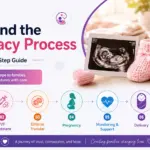
The Screening Process Step by Step
1. Initial Application Review
The agency reviews your basic eligibility, including age, pregnancy history, general health, lifestyle, and medical background.
2. Cancer History Disclosure
You will need to share your cancer type, diagnosis date, stage, treatment plan, remission status, and follow-up care.
3. Medical Record Review
Your oncology records, treatment notes, surgery reports, lab results, and imaging history may be reviewed to understand your full health picture.
4. Oncologist Clearance
A written clearance letter from your oncologist is often required. This letter should confirm whether pregnancy and IVF hormone medications are safe for your specific case.
5. Fertility Clinic Review
The fertility clinic evaluates whether you can safely complete the IVF preparation cycle, embryo transfer, and pregnancy.
6. Psychological Screening
Cancer survivors may also complete emotional and psychological screening to ensure they feel ready for the journey.
IVF Medications After Cancer
Gestational carrier preparation usually involves estrogen and progesterone to prepare the uterus for embryo transfer. These hormones may be a concern for people with breast, ovarian, or endometrial cancer histories. Non-hormone-sensitive cancers may be viewed differently, but physician approval is still essential.
Cancer Types That Need Careful Review
Breast Cancer
Often requires deeper review because many breast cancers are hormone-sensitive.
Thyroid Cancer
It may be more favorable if treated, stabilized, and cleared by a physician.
Skin Cancer
Early basal cell carcinoma may be less concerning, while melanoma depends on stage and treatment.
Cervical Cancer
Eligibility depends on treatment type, cervical health, and pregnancy history.
Lymphoma
Some survivors may qualify after long remission and healthy post-treatment recovery.
Explore Our Resources
Glossary
Gestational Carrier: A woman who carries a pregnancy for intended parents using an embryo created through IVF.
IVF: In vitro fertilization, the process of creating embryos outside the body.
Oncologist Clearance: Written approval from a cancer specialist confirming that pregnancy and IVF medications are medically acceptable.
Remission: A period when cancer signs and symptoms are reduced or absent.
Hormone-Sensitive Cancer: Cancer that may grow in response to hormones such as estrogen or progesterone.
Embryo Transfer: The placement of an embryo into the uterus during IVF.
Medical Screening: A health evaluation used to determine whether a candidate can safely carry a pregnancy.
Thinking about becoming a gestational carrier after cancer? Contact Surrogacy4All to discuss your eligibility and next steps.
- Call: (212) 661-7673
- Email: info@surrogacy4all.com
FAQs
Q: Can I become a surrogate after cancer?
Ans: Possibly, if you are fully recovered, in remission, and medically cleared.
Q: How long should I be cancer-free before applying?
Ans: Many cases require at least 5 years of full remission.
Q: What is the surrogacy meaning for cancer survivors?
Ans: It means carrying a pregnancy for intended parents only after a cancer history, remission, and medical safety are reviewed.
Q: Can a miscarriage calculator help with eligibility?
Ans: No, a miscarriage calculator may estimate pregnancy-loss timing or risk, but eligibility requires physician-led screening.
Q: Are IVF hormones safe after cancer?
Ans: They may be safe for some survivors, but risky for those with hormone-sensitive cancer histories.
Q: Do I need oncologist clearance?
Ans: Yes, written clearance is usually required before approval.
Q: Can I apply if I had thyroid cancer?
Ans: Possibly, especially if your condition is stable and your doctor clears pregnancy.
Q: Does chemotherapy affect eligibility?
Ans: It can, especially if it causes heart, lung, kidney, or reproductive complications.
Q: What records are needed?
Ans: You may need oncology records, treatment history, remission confirmation, and clearance letters.
Q: Can I reapply later if denied?
Ans: Yes, if your health status changes or your doctor clears you in the future.

Dr. Kulsoom Baloch
Dr. Kulsoom Baloch is a dedicated donor coordinator at Egg Donors, leveraging her extensive background in medicine and public health. She holds an MBBS from Ziauddin University, Pakistan, and an MPH from Hofstra University, New York. With three years of clinical experience at prominent hospitals in Karachi, Pakistan, Dr. Baloch has honed her skills in patient care and medical research.
- Dr. Kulsoom Baloch

- Dr. Kulsoom Baloch
- Dr. Kulsoom Baloch
- Dr. Kulsoom Baloch