
Key Takeaways
- Atlanta offers a strong network of fertility clinics known for high IVF success rates and advanced technologies.
- Costs vary widely—understanding insurance, add-ons, and clinic fee structures is crucial.
- The right clinic aligns with your medical needs, communication style, and long-term family-building goals.
- Surrogacy, donor eggs, and LGBTQ+ family-building services are widely available.
- Transparent data and patient testimonials help narrow your clinic shortlist.
Atlanta, Georgia has become a major hub for fertility care, offering nationally recognized IVF programs, cutting-edge labs, and experienced reproductive endocrinologists. Whether you’re pursuing IUI, IVF, egg freezing, donor eggs, donor sperm, or gestational surrogacy, choosing the right clinic is a deeply personal and often overwhelming step.
This guide breaks down what to expect, how to compare centers, and which factors truly matter when selecting a fertility clinic in Atlanta.
Best Fertility Clinics Near Me — Atlanta (GA)
What to Look for in an Atlanta Fertility Clinic
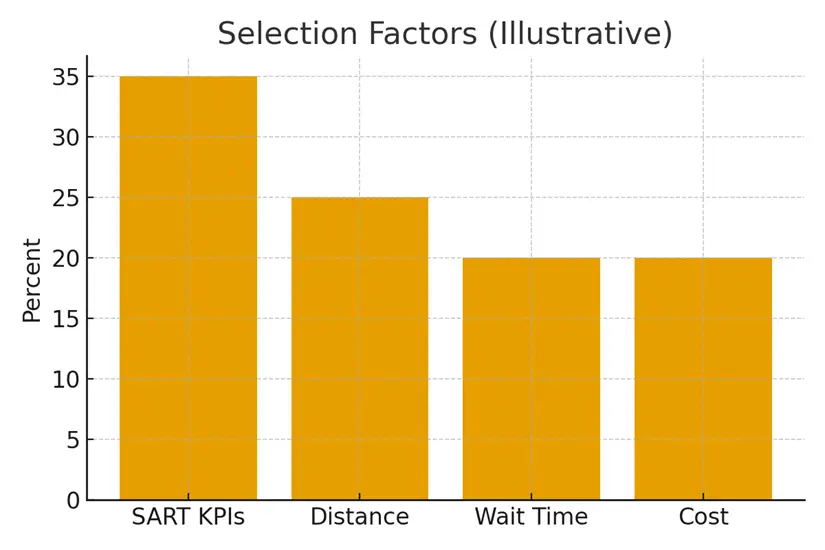
When comparing clinics across the metro area, consider:
IVF Success Rates (Age-Specific)
Success varies by clinic, lab environment, and patient characteristics.
Transparency About Costs
Atlanta IVF base cycles typically range $11,500–$18,000, not including medications.
Advanced Lab Technology
Look for:
- PGT-A genetic testing
- Time-lapse embryo monitoring
- Vitrification for egg freezing
Third-Party Reproduction Support
Especially important for:
- LGBTQ+ couples
- Single parents by choice
- Older patients
- Intended parents pursuing surrogacy
Patient-Centered Care
Clear communication, emotional support, and personalized protocols significantly impact outcomes.
Top Treatment Options in Atlanta Fertility Clinics
IUI (Intrauterine Insemination)
Often a starting point for mild male factor or ovulation disorders.
IVF (In Vitro Fertilization)
Most common for complex infertility—offers highest success rates.
Egg Freezing
Popular among women in their 20s–40s for reproductive planning.
Donor Egg IVF
A strong option for low ovarian reserve or age-related decline.
Embryo Donation
Growing in popularity in Georgia due to cost-effectiveness.
Gestational Surrogacy Support
Clinic coordination ensures smooth legal, medical, and psychological steps.
Case Study: “From Uncertain to Expecting — Our Atlanta Journey”
Patient: 37-year-old woman, 3 years trying to conceive
Diagnosis: DOR + mild male factor
Previous attempts: 2 failed IUIs
Atlanta Treatment Plan
- Personalized IVF protocol
- PGT-A testing to select chromosomally normal embryos
- Lifestyle optimization + supplements
- Single euploid embryo transfer
Outcome
Pregnancy confirmed at 6 weeks.
The patient credits:
- Early DOR diagnosis
- Clear communication
- Data-driven embryo selection
Testimonials
1. Sarah M., Atlanta, GA
“The clinic team treated us like real people, not numbers. Their compassion made the hardest moments bearable.”
2. Jamal & Priya
“After two failed cycles elsewhere, the advanced lab and monitoring in Atlanta made the difference—we finally welcomed twins.”
3. Emily R.
“As a single woman freezing my eggs, I felt fully supported and informed. Atlanta clinics are truly top-notch.”
Expert Quote
“Success in fertility treatment isn’t only about the technology—it’s about choosing a clinic that aligns with your values, communicates clearly, and supports your emotional well-being throughout the journey.”
— Dr. Rashmi Gulati
Related Links
- Fertility Clinics Near Me — San Francisco Bay Area (CA)
- Fertility Clinics Near Me — Boston (MA)
- Fertility Clinics Near Me — Washington, DC & NoVA
- Fertility Clinics Near Me — Seattle (WA)
Glossary
IVF: Fertilization of egg and sperm in a lab.
IUI: Sperm placement inside the uterus to increase chances of fertilization.
REI (Reproductive Endocrinologist): A fertility specialist.
PGT-A: Genetic testing of embryos.
DOR: Diminished ovarian reserve.
LGBTQ+ Family Building: Inclusive fertility services for all identities.
Vitrification: Fast freezing of eggs/embryos.
Euploid Embryo: Chromosomally normal embryo.
Surrogacy: A gestational carrier carrying an embryo for intended parents.
AMH: Hormone used to assess ovarian reserve.
FAQ
Q. How do I choose the best fertility clinic near me in Atlanta?
Ans. Look for clinics with strong success rates, transparent pricing, and board-certified reproductive endocrinologists. Evaluate their communication style during consultations—how they answer your questions is as important as lab quality. Review patient feedback and ensure the clinic offers the treatments you need, including third-party reproduction.
Q. What is the typical cost of IVF in Atlanta, GA?
Ans. Most clinics charge between $11,500 and $18,000 for a base IVF cycle. Medications add $4,000–$7,000, and optional add-ons like PGT-A or ICSI can raise total costs. Many clinics offer refund packages, payment plans, and financial counseling.
Q. Do Atlanta clinics offer LGBTQ+ family-building services?
Ans. Yes. Many centers in Atlanta specialize in LGBTQ+ pathways including reciprocal IVF, donor sperm, donor eggs, and gestational surrogacy. They also provide legal referrals to navigate Georgia parentage laws.
Q. Are IVF success rates high in Atlanta?
Ans. Atlanta clinics are known for competitive success rates due to experienced specialists and advanced embryology labs. Younger patients (under 35) often see 50%–60% success per transfer, while age-related decline impacts older age groups.
Q. Should I consider PGT-A testing for my embryos?
Ans. PGT-A can improve success rates by selecting chromosomally normal embryos, especially for women over 35, those with recurrent pregnancy loss, or previous failed cycles. However, it adds cost, so it’s not required for everyone.
Q. How long does a full IVF cycle take?
Ans. Typically 4–6 weeks from stimulation to embryo transfer. If doing frozen transfers, the timeline is extended by a few additional weeks.
Q. Is egg freezing common in Atlanta?
Ans. Yes—Atlanta has become a popular destination for elective egg freezing due to high clinic standards and strong patient education programs. It’s ideal for individuals wanting flexibility in family planning.
Q. Can I transfer embryos created in another state to an Atlanta clinic?
Ans. Absolutely. Most clinics facilitate the safe shipment and storage of embryos, eggs, or sperm. A consultation ensures proper documentation for transport.
Q. Are financing and insurance options available?
Ans. Many Atlanta clinics partner with fertility financing companies. Georgia-based employers increasingly offer fertility coverage, but benefits vary widely. Always verify IVF coverage, medication benefits, and lifetime caps.
Q. What if IVF doesn’t work for me?
Ans. Clinics in Atlanta offer multiple next-step pathways including donor eggs, donor sperm, donor embryos, and gestational surrogacy. A follow-up consult helps refine the path based on your medical response.
Q. Do Atlanta clinics support single parents by choice?
Ans. Yes. Clinics regularly work with single men and women pursuing IVF, donor gametes, or surrogacy. Counseling sessions ensure the emotional and logistical aspects are well-supported.
Q. How early should I meet a fertility specialist?
Ans. Seek help after 12 months of trying (under 35) or 6 months (over 35). For irregular cycles, known medical issues, or family-history concerns, an earlier evaluation is recommended.
Ready to take the next step? Call Surrogacy4All at (212) 661-7673 or email info@surrogacy4all.com to book your consultation.

Dr. Kulsoom Baloch
Dr. Kulsoom Baloch is a dedicated donor coordinator at Egg Donors, leveraging her extensive background in medicine and public health. She holds an MBBS from Ziauddin University, Pakistan, and an MPH from Hofstra University, New York. With three years of clinical experience at prominent hospitals in Karachi, Pakistan, Dr. Baloch has honed her skills in patient care and medical research.
- Dr. Kulsoom Baloch

- Dr. Kulsoom Baloch
- Dr. Kulsoom Baloch
- Dr. Kulsoom Baloch