
A successful surrogacy journey begins long before an embryo transfer. One of the most important steps is the surrogate screening process, which helps ensure that the gestational carrier is medically, psychologically, and emotionally prepared for pregnancy.
Comprehensive screening protects intended parents, surrogates, and the future child by reducing risks, improving communication, and creating a safer and more predictable journey.
When comparing surrogacy agencies, intended parents should ask not only how quickly a match can be made, but how carefully every surrogate candidate is evaluated before approval.
Quick Summary
| Screening Area | Purpose |
| Medical Evaluation | Confirms physical health for pregnancy |
| Psychological Assessment | Evaluates emotional readiness |
| Obstetric History | Reviews previous pregnancies and deliveries |
| Lifestyle Screening | Identifies healthy lifestyle habits |
| Background Review | Supports safety and transparency |
| Legal Review | Ensures informed consent and compliance |
| Family Support Assessment | Confirms a stable support system |
Why Surrogate Screening Matters
Surrogacy is a partnership built on trust and preparation.
A thorough screening process helps:
- Protect the health of the surrogate
- Improve pregnancy outcomes
- Reduce medical complications
- Support emotional well-being
- Minimize legal and administrative issues
- Give intended parents greater confidence throughout the journey
Comprehensive screening is one of the strongest indicators of a high-quality surrogacy program.
What Does the Screening Process Include?
1. Medical Evaluation
Medical screening helps determine whether a candidate is physically prepared for pregnancy.
The evaluation may include:
- Review of medical history
- Previous pregnancy outcomes
- Reproductive health assessment
- Laboratory testing
- Infectious disease screening
- Body mass index evaluation
- Medication review
- Physician consultation
The goal is to identify candidates with a history of healthy pregnancies and low-risk medical profiles.
2. Obstetric History Review
Previous pregnancy history provides valuable information about potential pregnancy outcomes.
Healthcare professionals typically review:
- Number of pregnancies
- Delivery history
- Cesarean sections
- Pregnancy complications
- Preterm labor history
- Gestational diabetes
- Hypertension during pregnancy
Candidates with successful prior pregnancies may be better prepared for another gestational experience.
3. Psychological Evaluation
Emotional readiness is equally important.
Licensed mental health professionals may assess:
- Emotional stability
- Stress management
- Motivation for becoming a surrogate
- Family relationships
- Expectations regarding pregnancy
- Understanding of the surrogacy process
Psychological screening helps ensure that all parties enter the journey with realistic expectations and appropriate support.
4. Lifestyle Assessment
Healthy lifestyle choices contribute to healthier pregnancies.
Screening often includes evaluation of:
- Smoking status
- Alcohol consumption
- Drug use
- Nutrition habits
- Exercise routine
- Sleep patterns
- Overall wellness
A healthy lifestyle supports both maternal health and fetal development.
5. Background Verification
Background screening promotes transparency and safety.
This review may include:
- Identity verification
- Criminal background review
- Residential history
- Employment information
- Reference checks
These procedures help establish trust between intended parents and surrogate candidates.
6. Family and Social Support
Pregnancy requires emotional and practical support.
Agencies often assess whether the surrogate has:
- Supportive family members
- Stable housing
- Reliable transportation
- Childcare resources
- Emotional support network
A strong support system contributes to a more positive experience throughout pregnancy.
7. Legal Readiness
Before treatment begins, legal professionals coordinate agreements that define responsibilities and expectations.
Legal preparation may include:
- Independent legal representation
- Contract review
- Parentage planning
- Financial agreements
- Informed consent documentation
Proper legal coordination protects all parties and helps reduce misunderstandings.
How Thorough Screening Protects Intended Parents
Comprehensive screening provides intended parents with greater confidence by helping ensure that surrogate candidates have been evaluated through structured medical and psychological processes.
Benefits include:
- Reduced uncertainty
- Improved communication
- Better treatment planning
- More predictable timelines
- Stronger legal preparation
- Enhanced trust throughout the journey
How Screening Protects Surrogates
Screening is equally important for gestational carriers.
It helps identify whether pregnancy is medically appropriate and whether the candidate fully understands the physical and emotional responsibilities involved.
Comprehensive evaluations also connect surrogates with professional support resources throughout the process.
How Screening Benefits Babies
The ultimate goal of screening is to support healthy pregnancies.
By evaluating maternal health, pregnancy history, and overall wellness before treatment begins, agencies and medical teams work together to create the best possible environment for fetal development.
Careful preparation contributes to improved pregnancy management and coordinated prenatal care.
Questions Intended Parents Should Ask
Before selecting an agency, ask:
- What medical screening is performed?
- Are psychological evaluations required?
- Who reviews pregnancy history?
- What background checks are completed?
- How are surrogate candidates approved?
- What legal protections are provided?
- How is ongoing support coordinated during pregnancy?
- What happens if medical concerns arise after matching?
These questions can help families compare agencies based on quality rather than marketing.
Red Flags to Watch For
Exercise caution if an agency:
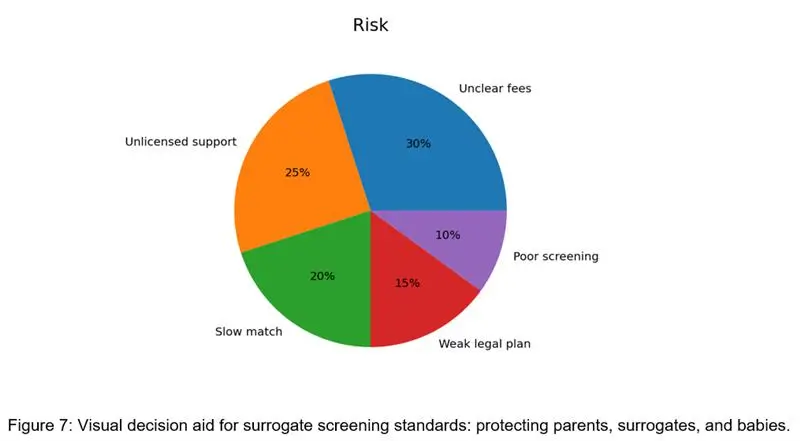
- Promises unusually fast matching
- Does not explain screening procedures
- Has limited medical oversight
- Lacks psychological evaluations
- Provides little information about legal coordination
- Cannot explain approval standards
- Avoids discussing background verification
Thorough screening requires time and professional evaluation.
Screening Checklist for Intended Parents
✔ Comprehensive medical evaluation
✔ Psychological assessment
✔ Obstetric history review
✔ Lifestyle assessment
✔ Background verification
✔ Legal coordination
✔ Family support evaluation
✔ Dedicated case management
✔ Ongoing pregnancy support
Why Comprehensive Screening Reflects Agency Quality
A structured screening program demonstrates that an agency prioritizes safety, ethics, and long-term success over rapid placements.
Agencies that invest in rigorous evaluation processes often provide stronger coordination, better communication, and greater confidence for intended parents throughout the family-building journey.
Final Thoughts
Surrogate screening standards are one of the most important safeguards in modern surrogacy.
By evaluating medical history, emotional readiness, legal preparedness, lifestyle factors, and support systems, agencies help protect intended parents, gestational carriers, and babies while creating the foundation for a successful pregnancy.
When comparing surrogacy agencies, families should look beyond marketing claims and ask detailed questions about the screening process. A comprehensive evaluation program is a hallmark of a professional, ethical, and well-coordinated surrogacy agency.
Get in touch with Surrogacy4All at (212) 661-7673 or email info@surrogacy4all.com and take the first step toward parenthood today.

Dr. Kulsoom Baloch
Dr. Kulsoom Baloch is a dedicated donor coordinator at Egg Donors, leveraging her extensive background in medicine and public health. She holds an MBBS from Ziauddin University, Pakistan, and an MPH from Hofstra University, New York. With three years of clinical experience at prominent hospitals in Karachi, Pakistan, Dr. Baloch has honed her skills in patient care and medical research.
- Dr. Kulsoom Baloch

- Dr. Kulsoom Baloch
- Dr. Kulsoom Baloch
- Dr. Kulsoom Baloch