
The success of a surrogacy journey depends on much more than finding a qualified surrogate. Behind every successful pregnancy is a coordinated medical network that includes fertility specialists, reproductive endocrinologists, obstetric providers, laboratories, mental health professionals, and experienced case managers.
When intended parents compare surrogacy agencies, they often focus on cost or matching timelines. However, the quality of an agency’s medical network can significantly influence communication, treatment coordination, patient experience, and continuity of care.
Understanding how an agency collaborates with medical professionals can help families make a more informed decision.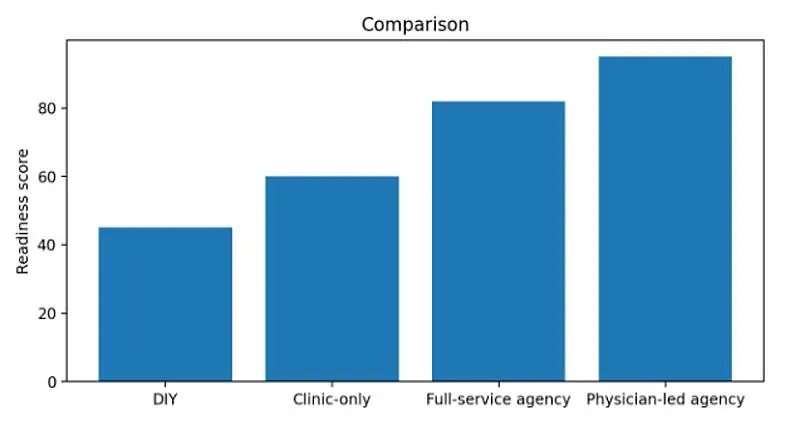
Figure 6: Visual decision aid for medical network quality in surrogacy: questions every intended parent should ask.
Quick Summary
| Medical Factor | Why It Matters |
| IVF Clinic Coordination | Supports efficient embryo transfer planning |
| Surrogate Medical Screening | Helps identify qualified candidates |
| Prenatal Care Coordination | Promotes continuity throughout pregnancy |
| Multidisciplinary Team | Improves communication between providers |
| Case Management | Keeps treatment milestones organized |
| Emergency Planning | Supports timely responses when unexpected situations arise |
Why Medical Network Quality Matters
Surrogacy involves multiple healthcare providers working together over many months.
These may include:
- Fertility specialists
- IVF laboratories
- Reproductive endocrinologists
- Obstetricians
- Maternal-fetal medicine specialists
- Primary care providers
- Mental health professionals
- Genetic counselors
- Case coordinators
Strong collaboration among these professionals helps streamline communication and reduce administrative delays.
What Is a Medical Network in Surrogacy?
A medical network refers to the healthcare professionals and facilities involved in every stage of the surrogacy process.
An experienced agency coordinates appointments, documentation, laboratory requirements, embryo transfer scheduling, pregnancy monitoring, and delivery planning between intended parents, surrogates, and healthcare providers.
Well-organized coordination contributes to a smoother overall experience.
Questions Every Intended Parent Should Ask
1. How Does the Agency Coordinate With IVF Clinics?
Embryo transfer requires precise timing and communication.
Ask:
- How are appointments coordinated?
- Who communicates with the fertility clinic?
- How are medical records transferred?
- Is there a dedicated coordinator?
Efficient coordination can reduce delays and improve the overall treatment experience.
2. How Are Surrogates Medically Screened?
Medical screening is one of the most important quality measures.
Parents should ask whether screening includes:
- Medical history review
- Previous pregnancy history
- Laboratory testing
- Infectious disease screening
- Reproductive health evaluation
- Medication review
- Physician assessment
Comprehensive screening helps identify candidates who meet established medical criteria.
3. Who Coordinates Prenatal Care?
After pregnancy is confirmed, communication becomes even more important.
Ask:
- Who schedules prenatal appointments?
- How are updates shared with intended parents?
- How are complications communicated?
- Who coordinates delivery planning?
Clear communication throughout pregnancy promotes better organization and reduces uncertainty.
4. Does the Agency Work With Experienced Fertility Specialists?
The agency should have established working relationships with experienced reproductive medicine providers.
Parents may ask:
- Which fertility clinics are commonly used?
- Can I choose my own clinic?
- How are outside clinics coordinated?
- How is information shared between providers?
Flexible medical coordination benefits families with existing fertility teams.
5. How Is Communication Managed?
Multiple professionals participate in every surrogacy journey.
A dedicated case manager can help coordinate communication between:
- Intended parents
- Surrogate
- Fertility clinic
- Attorneys
- Insurance representatives
- Obstetric providers
Centralized communication reduces misunderstandings and keeps everyone informed.
Why Multidisciplinary Care Improves the Experience
High-quality surrogacy programs often involve professionals from several specialties working together.
This collaborative approach supports:
- Medical coordination
- Emotional support
- Legal planning
- Financial organization
- Pregnancy management
- Delivery preparation
Integrated care helps create a more structured journey for intended parents and surrogates.
Red Flags to Watch For
Consider asking additional questions if an agency:
- Cannot explain its medical coordination process
- Lacks dedicated case management
- Provides unclear communication policies
- Has limited surrogate screening information
- Does not outline prenatal coordination procedures
- Cannot describe contingency planning
Transparency often reflects organizational quality.
Medical Network Comparison
| Strong Medical Network | Weak Medical Coordination |
| Dedicated case manager | Multiple inconsistent contacts |
| Organized IVF coordination | Limited communication |
| Comprehensive surrogate screening | Minimal screening details |
| Structured prenatal planning | Unclear pregnancy coordination |
| Multidisciplinary collaboration | Fragmented support |
| Consistent updates | Irregular communication |
Practical Consultation Checklist
Before selecting a surrogacy agency, ask:
✔ How is IVF coordination managed?
✔ What medical screening standards are used?
✔ Who coordinates prenatal care?
✔ Is there a dedicated case manager?
✔ How are medical updates communicated?
✔ Can my preferred fertility clinic be used?
✔ How are emergencies handled?
✔ What support is available throughout pregnancy?
This checklist helps intended parents compare agencies using objective medical criteria.
Why Medical Coordination Is Just as Important as Matching
Finding a surrogate is only one step in the journey.
Long-term success depends on coordinated communication between medical providers, legal professionals, case managers, intended parents, and the surrogate throughout treatment and pregnancy.
A well-organized medical network can reduce administrative stress and help ensure every milestone is managed efficiently.
Frequently Asked Questions
Q. What is medical network quality in surrogacy?
A. Medical network quality refers to the strength of an agency’s relationships with fertility clinics, IVF specialists, obstetric providers, and healthcare professionals who coordinate the surrogate’s care throughout the journey.
Q. Why is IVF clinic coordination important during surrogacy?
A. Effective IVF clinic coordination helps ensure timely communication, organized embryo transfer scheduling, accurate medical record sharing, and a smoother treatment process for intended parents and surrogates.
Q. What medical screening should a surrogate undergo?
A. A qualified surrogate should complete comprehensive medical evaluations, reproductive health assessments, infectious disease testing, psychological screening, and a review of previous pregnancy history before being matched with intended parents.
Q. What questions should intended parents ask about an agency’s medical network?
A. Parents should ask how the agency coordinates with fertility clinics, who manages prenatal care, how medical updates are communicated, whether there is a dedicated case manager, and what happens if medical complications arise during the journey.
Q. How do I speak with Surrogacy4All?
A. Call 212-661-7673 to discuss your family-building goals, surrogate matching timeline, medical coordination process, and available program options with the Surrogacy4All team.
Final Thoughts
Medical network quality is one of the most important—but often overlooked—factors when comparing surrogacy agencies.
Rather than focusing only on agency fees or matching speed, intended parents should evaluate how an agency coordinates IVF treatment, surrogate medical screening, prenatal care, communication, and multidisciplinary support.
Choosing an agency with a strong medical coordination system can help create a more organized, transparent, and supportive family-building experience.
Speak with our physician-led team today. Call Surrogacy4All at (212) 661-7673 or email info@surrogacy4all.com to book your consultation.

Dr. Kulsoom Baloch
Dr. Kulsoom Baloch is a dedicated donor coordinator at Egg Donors, leveraging her extensive background in medicine and public health. She holds an MBBS from Ziauddin University, Pakistan, and an MPH from Hofstra University, New York. With three years of clinical experience at prominent hospitals in Karachi, Pakistan, Dr. Baloch has honed her skills in patient care and medical research.
- Dr. Kulsoom Baloch

- Dr. Kulsoom Baloch
- Dr. Kulsoom Baloch
- Dr. Kulsoom Baloch