
Egg donation gives hopeful families a chance to grow.
It also offers healthy women an opportunity to receive compensation for their time and commitment.
One of the most common questions is, how much money for donating eggs?
The answer depends on several factors.
Compensation varies by agency, donor qualifications, and location.
Understanding the process helps you make an informed decision.
How Much Do Egg Donors Get Paid?
- Most first-time egg donors receive between $8,000 and $15,000 per donation cycle.
- Experienced donors or those with exceptional qualifications may receive higher compensation.
- Some donors can earn $20,000 or more when they meet specific intended parent preferences.
- Payment is provided after the egg retrieval procedure is successfully completed.
What Affects Egg Donor Compensation?
Several factors influence how much a donor may receive.
These include:
- Previous successful donation history
- Age and overall health
- Educational background
- Family medical history
- Ethnicity or cultural background
- Physical characteristics
- Availability and flexibility during the process
Every case is different.
Compensation should reflect the donor’s commitment rather than simply personal traits.
What Does the Donation Process Involve?
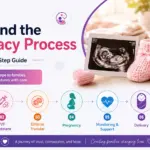
Egg donation includes several important steps.
These typically include:
- Completing an application
- Medical history review
- Psychological evaluation
- Fertility testing
- Hormone medications
- Regular monitoring appointments
- Egg retrieval procedure
The entire process usually takes 6 to 10 weeks.
Most donors return to their normal routine within a few days after retrieval.
Is Egg Donation Safe?
- Egg donation is generally considered safe when supervised by experienced fertility professionals.
- Before acceptance, donors undergo detailed medical testing.
- During treatment, doctors closely monitor hormone response.
- Like any medical procedure, there are possible risks.
- These may include temporary discomfort, bloating, or mild side effects from fertility medications.
- Serious complications are uncommon when proper medical care is provided.
Who Can Become an Egg Donor?
Although requirements vary, many programs look for women who:
- Are between 21 and 30 years old
- Have a healthy BMI
- Do not smoke or use recreational drugs
- Have regular menstrual cycles
- Have no significant hereditary medical conditions
- Are willing to complete the full screening process
Meeting the basic requirements does not guarantee acceptance.
Each applicant completes a detailed evaluation before approval.
Why Do Intended Parents Value Egg Donors?
- Egg donors make parenthood possible for many families.
- They help couples facing infertility.
- They also help single parents and LGBTQ+ individuals achieve their dream of having children.
- Every donation creates an opportunity for a new family to begin.
- That is why donors play such an important role in assisted reproduction.
Choose a Trusted Egg Donation Agency
- Choosing a reputable agency makes the experience smoother and more secure.
- Surrogacy4All guides donors through every stage of the process.
- The team helps with education, screening, coordination, and ongoing support.
- Working with experienced professionals gives donors confidence throughout the journey.
Conclusion
- Egg donation is both meaningful and rew arding.
- Compensation varies based on several personal and program-related factors.
- Understanding the process helps you decide whether egg donation is the right choice.
Ready to take the next step? Call Surrogacy4All at (212) 661-7673 or email info@surrogacy4all.com to book your consultation.
Frequently Asked Questions
Q. How much money can I make by donating eggs?
A. Most first-time donors receive between $8,000 and $15,000 per donation cycle. Compensation varies based on individual qualifications and program requirements.
Q. Is egg donation taxable income?
A. In many situations, compensation received for egg donation may be taxable. It is a good idea to speak with a qualified tax professional about your specific circumstances.
Q. How long does the egg donation process take?
A. The complete process usually takes 6 to 10 weeks, including screening, medications, monitoring, and egg retrieval.
Q. Can I donate eggs more than once?
A. Yes. Healthy donors may be able to donate multiple times if they continue to meet medical guidelines and receive physician approval.
Q. Will donating eggs affect my future fertility?
A. Current research suggests that egg donation does not reduce future fertility when the procedure is performed under proper medical supervision.

Dr. Kulsoom Baloch
Dr. Kulsoom Baloch is a dedicated donor coordinator at Egg Donors, leveraging her extensive background in medicine and public health. She holds an MBBS from Ziauddin University, Pakistan, and an MPH from Hofstra University, New York. With three years of clinical experience at prominent hospitals in Karachi, Pakistan, Dr. Baloch has honed her skills in patient care and medical research.
- Dr. Kulsoom Baloch

- Dr. Kulsoom Baloch
- Dr. Kulsoom Baloch
- Dr. Kulsoom Baloch