
Pain vs Fertility — Different Problems, Different Plans
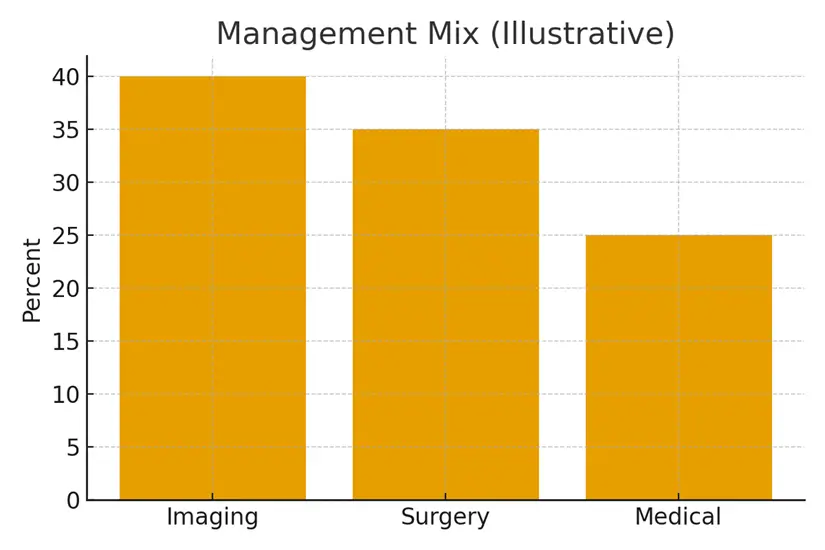
Key Takeaways Pelvic pain and infertility can be related, but they are not always caused by the same condition. Treating pain does not automatically improve fertility—and vice-versa. Endometriosis, adenomyosis, fibroids, and ovulatory disorders may present differently. IVF may bypass some fertility barriers but does not resolve pain. A customized evaluation helps determine whether you need […]
Tax Documentation — What to Save and How to File

This is the system of tracking, storing, and organizing all fertility-related expenses so you can: Claim eligible deductions File correctly for the IRS or your country’s tax authority Support applications for employer reimbursement and insurance benefits Keep clean records for escrow audits and legal compliance It matters because the way you document expenses upstream influences […]
Immunology ‘Add‑Ons’ — Evidence vs Hype
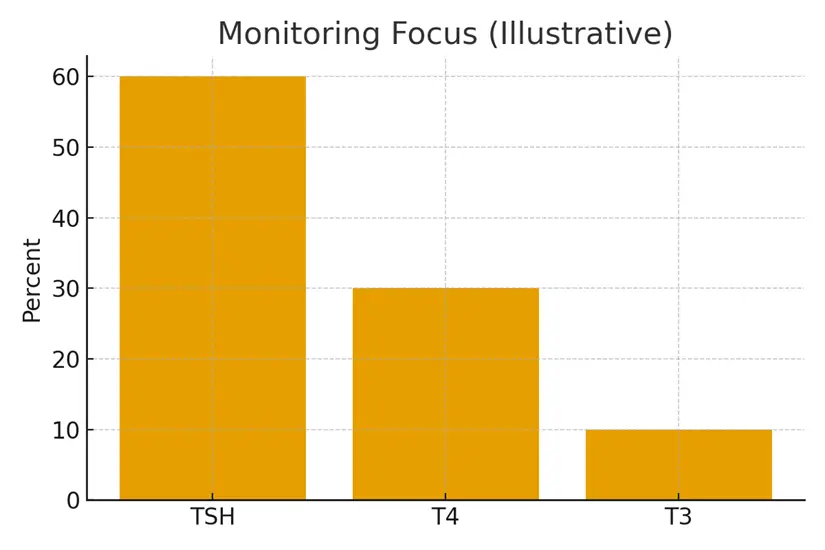
Key Takeaways Most immunology “add-ons” are not universally proven and should be used only with clear medical indications. NK cell tests, Intralipids, IVIG, LIT, and steroids can be beneficial only in rare, specific cases. The majority of patients and surrogates do not need immune therapy for successful pregnancy outcomes. Evidence remains mixed, and many treatments […]
Second‑Child Planning — Banking Now vs Later
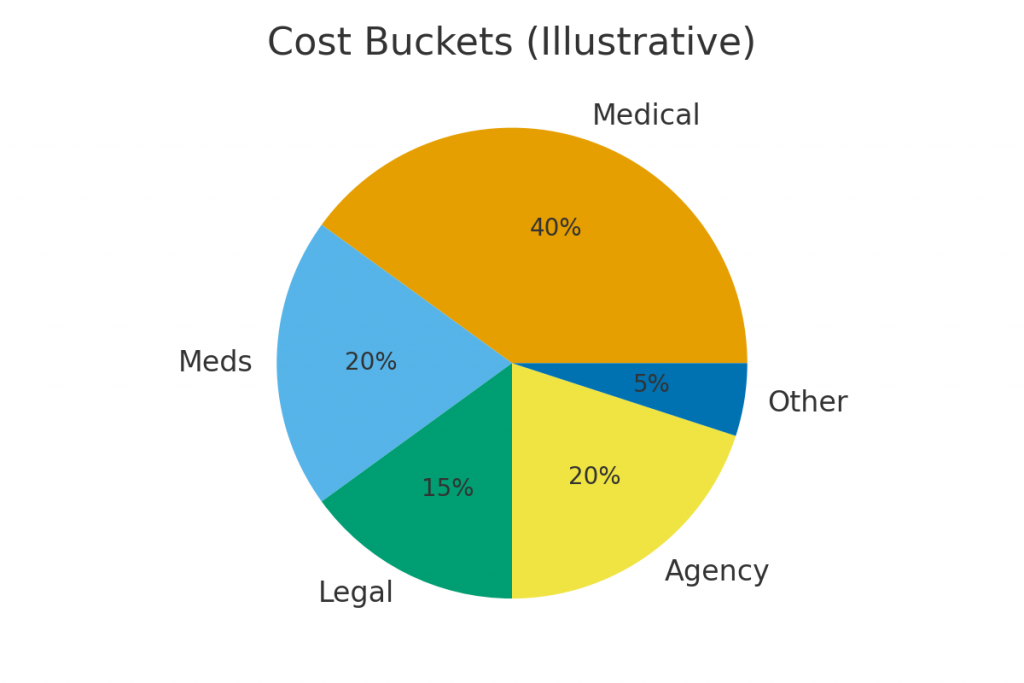
Key Takeaways Banking embryos now can secure future family‑building options with more certainty. Waiting to bank later may risk fewer viable embryos due to age‑related fertility decline. Effective planning blends medical, emotional, and financial considerations. Strategic embryo banking is a growing trend for second children within surrogacy paths. Deciding whether to bank embryos now or […]
Pennsylvania Surrogacy Contracts: Legal Protection for Parents and Surrogates

A secure and transparent surrogacy journey begins with a strong contract. Pennsylvania Surrogacy Contracts are designed to protect both intended parents and surrogates, ensuring every detail is clarified before the medical process starts. Pennsylvania is one of the most supportive states for Gestational Surrogacy, making it easier for families to build trust, stability, and legal […]
Escrow Accounts — Releases, Audits, and Safeguards

An escrow account is a neutral, regulated holding account used in surrogacy and third-party reproduction to protect everyone involved — intended parents, surrogates, agencies, and clinics. Funds sit in this independent account and are released only when pre-defined conditions are met. This structure influences: Budget predictability Legal compliance Timing of surrogate payments and reimbursements Smooth […]
Coordination with Oncology — Calendars and Clearances

Key Takeaways Fertility preservation must be synchronized with oncology treatment calendars, often within days. “Clearance” involves medical, logistical, and safety checks before ovarian stimulation, sperm banking, or tissue retrieval. Oncology–fertility coordination works best when teams communicate in real-time, not through slow referrals. Emergency pathways allow egg/sperm/tissue preservation without delaying chemo. Patients benefit from clear timelines: […]
Prednisone, Heparin, and Aspirin — Where They Fit
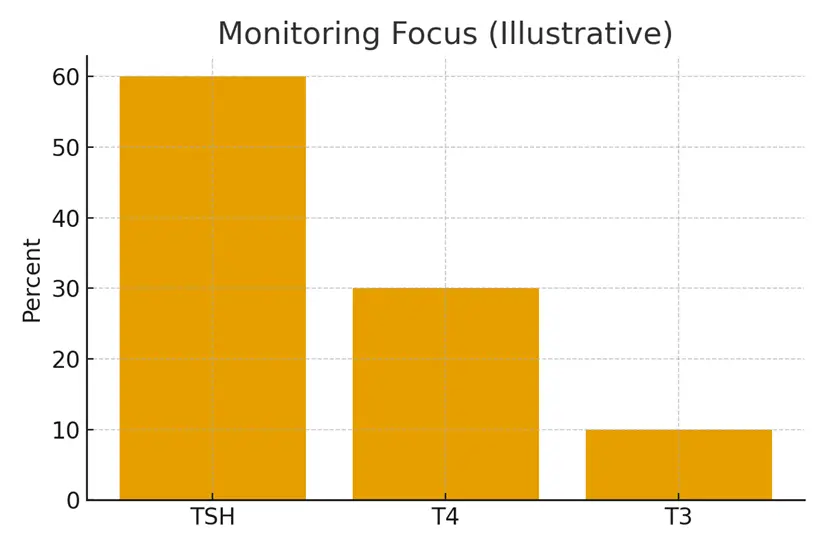
Key Takeaways Prednisone, Heparin, and Aspirin are supportive—not primary—treatments in IVF or surrogacy journeys. They are not universal medications; they work only when the medical need is clearly present. These drugs help in specific situations such as autoimmune activation, clotting disorders, implantation challenges, or recurrent pregnancy loss. Over-prescription can lead to complications, so individualized clinical […]
GnRH Agonists and Antagonists — Roles in Management
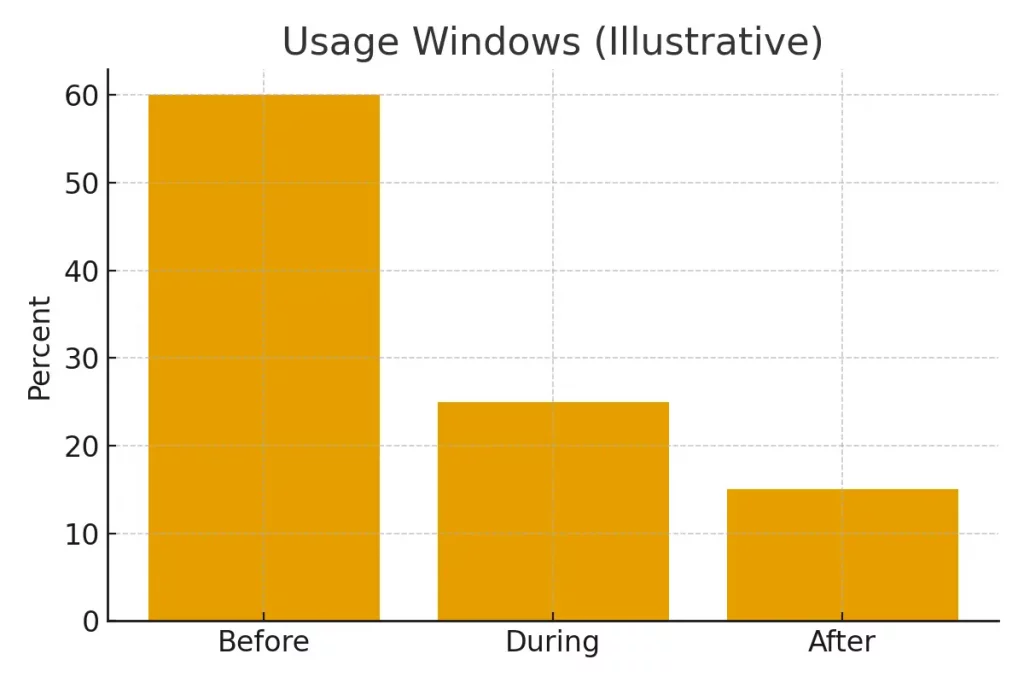
Key Takeaways GnRH agonists and antagonists regulate reproductive hormones, especially LH and FSH, crucial for controlled IVF stimulation. Agonists initially stimulate, then suppress hormone release; antagonists suppress immediately. Antagonists are preferred for short, flexible IVF cycles with reduced OHSS risk. Agonists are helpful for endometriosis, adenomyosis, fibroids, and long suppression protocols. Both agents are safe […]
Fresh vs FET — Matching to Uterine Health
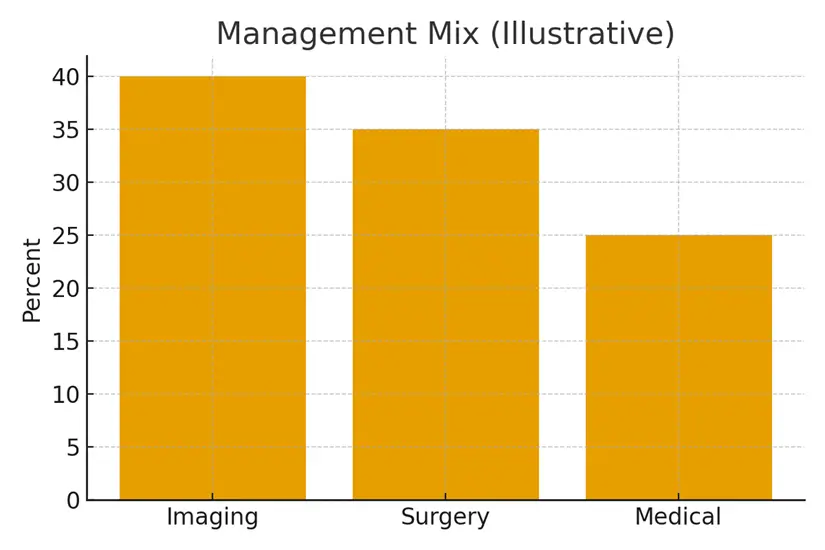
Key Takeaways Fresh and frozen embryo transfers work equally well—but only when matched correctly to uterine health and hormonal conditions. Fresh transfer is ideal when estrogen levels are balanced and the lining is naturally receptive. FET is preferred when high estrogen, ovarian hyperstimulation, thin lining, or inflammatory uterine conditions are present. FET allows more control, […]
