
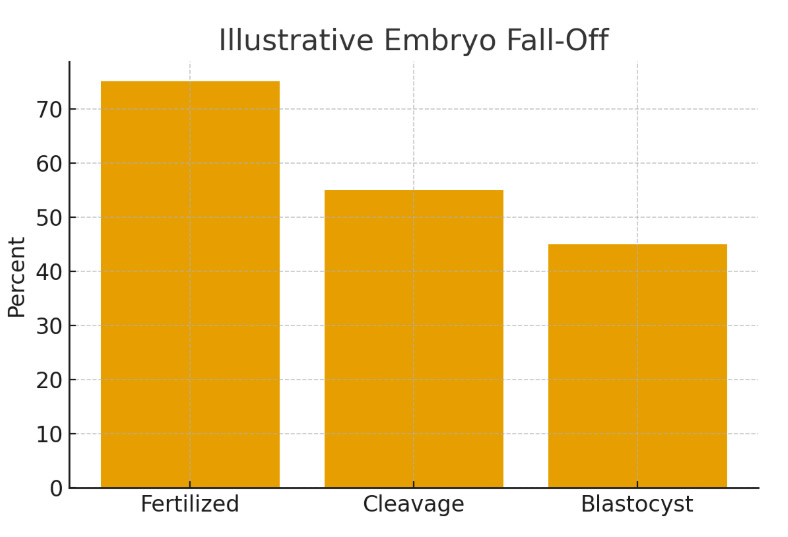
When preparing for pregnancy or undergoing fertility treatment, most people focus on nutrition, medications, and lifestyle. However, air quality is another important factor that can influence reproductive health. Both outdoor pollution and indoor contaminants—including volatile organic compounds (VOCs)—may affect fertility, embryo development, and pregnancy outcomes.
For IVF laboratories, maintaining clean air with minimal VOC exposure is considered an essential part of creating the optimal environment for eggs and embryos. Research suggests that improving air quality can contribute to better laboratory performance and reproductive outcomes.
What Are VOCs?
Volatile Organic Compounds (VOCs) are chemicals that easily evaporate into the air at room temperature. They are commonly released from everyday products and building materials.
Common sources include:
- Fresh paint and varnishes
- New furniture and carpeting
- Cleaning products
- Air fresheners and scented candles
- Adhesives and glues
- Tobacco smoke
- Some cosmetics and perfumes
While many VOCs are present at low levels, prolonged or high exposure may contribute to poorer indoor air quality.
Why Air Quality Matters During IVF
Eggs and embryos are extremely sensitive to their environment. During IVF, embryos develop in specialized laboratory incubators where temperature, humidity, and air quality are carefully controlled.
Poor air quality may expose embryos to:
- VOCs
- Fine particulate matter (PM2.5 and PM10)
- Nitrogen dioxide (NO₂)
- Ozone
- Microorganisms
Studies have linked certain air pollutants with reduced embryo development, lower implantation rates, and decreased live birth rates, although outcomes depend on the type and timing of exposure.
How VOCs May Affect Fertility
Researchers believe VOC exposure may contribute to reproductive challenges by:
- Increasing oxidative stress
- Affecting egg and sperm quality
- Disrupting normal cell function
- Influencing embryo development
- Altering the laboratory environment during IVF
Although more research is ongoing, fertility specialists generally recommend minimizing unnecessary exposure to harmful indoor pollutants whenever possible.
Air Quality Inside IVF Laboratories
Modern IVF clinics invest heavily in advanced air filtration systems to protect developing embryos.
Common laboratory features include:
- HEPA filtration
- Activated carbon filters for VOC removal
- Positive air pressure systems
- Temperature and humidity control
- Restricted use of perfumes and strong cleaning chemicals
- Routine monitoring of airborne particles and VOC levels
Studies have shown that improving laboratory air quality can lead to better blastocyst formation, implantation, clinical pregnancy, and live birth rates.
Steps to Improve Indoor Air Quality at Home
While you cannot eliminate every environmental exposure, you can reduce indoor pollutants by:
- Ventilating your home regularly when outdoor air quality is good
- Choosing low-VOC paints and furnishings
- Avoiding smoking indoors
- Limiting the use of air fresheners and heavily scented products
- Using an air purifier with HEPA and activated carbon filters
- Following manufacturer instructions when using cleaning products
- Storing chemicals safely and away from living spaces
These simple steps may help create a healthier indoor environment for individuals trying to conceive or undergoing fertility treatment.
Outdoor Air Pollution and Reproductive Health
Outdoor pollutants such as PM2.5, PM10, and nitrogen dioxide have also been associated with reproductive health concerns.
Some studies suggest higher pollution exposure before egg retrieval or during key stages of fertility treatment may reduce pregnancy and live birth rates. However, the degree of impact varies between individuals and environmental conditions.
Should Patients Be Concerned?
Most people do not need to become overly anxious about occasional exposure. Instead, focus on practical ways to improve your environment and discuss any concerns with your fertility specialist.
Healthy habits that support fertility include:
- Maintaining a balanced diet
- Avoiding smoking and secondhand smoke
- Staying physically active
- Reducing unnecessary exposure to pollutants
- Following your fertility clinic’s recommendations
These measures can contribute to overall reproductive health while supporting your fertility journey.
Conclusion
Air quality plays an important role in both natural conception and assisted reproductive treatments. VOCs and other airborne pollutants may affect egg quality, embryo development, and IVF laboratory conditions, which is why fertility clinics invest in advanced filtration and strict environmental controls.
Although air quality is only one piece of the fertility puzzle, taking reasonable steps to reduce exposure to indoor pollutants and maintain a clean living environment can support your overall reproductive health and complement your fertility treatment plan.
Frequently Asked Questions
Q. What are VOCs?
Ans. VOCs (Volatile Organic Compounds) are chemicals released into the air from products such as paints, cleaning supplies, furniture, adhesives, and air fresheners.
Q. Can poor air quality affect IVF success?
Ans. Research suggests that exposure to certain air pollutants may negatively affect embryo development, implantation, and live birth rates. IVF laboratories use advanced filtration systems to minimize these risks.
Q. How do IVF clinics reduce VOC exposure?
Ans. Most fertility clinics use HEPA filters, activated carbon filters, positive-pressure ventilation, and strict laboratory protocols to maintain clean air and reduce VOC contamination.
Q. How can I improve air quality at home during fertility treatment?
Ans. Improve ventilation when appropriate, use low-VOC products, avoid smoking indoors, minimize scented products, and consider a HEPA air purifier with activated carbon filtration.
Q. Should I postpone IVF because of air pollution?
Ans. Not necessarily. If you have concerns about environmental exposures, discuss them with your fertility specialist. They can provide personalized guidance based on your medical history, treatment plan, and local environmental conditions.
Start your journey today. Contact Surrogacy4All at (212) 661-7673 or email info@surrogacy4all.com

Dr. Kulsoom Baloch
Dr. Kulsoom Baloch is a dedicated donor coordinator at Egg Donors, leveraging her extensive background in medicine and public health. She holds an MBBS from Ziauddin University, Pakistan, and an MPH from Hofstra University, New York. With three years of clinical experience at prominent hospitals in Karachi, Pakistan, Dr. Baloch has honed her skills in patient care and medical research.
- Dr. Kulsoom Baloch

- Dr. Kulsoom Baloch
- Dr. Kulsoom Baloch
- Dr. Kulsoom Baloch