

The birth of your child through surrogacy is one of the most emotional and rewarding moments of your family-building journey. However, delivery is not the final step. The period immediately after birth involves legal documentation, hospital coordination, insurance verification, newborn medical care, travel planning, and emotional support for both the intended parents and the gestational carrier.
A well-organized surrogacy agency doesn’t simply help you find a surrogate—it continues providing guidance through delivery and beyond, ensuring a smooth transition from the hospital to your home.
This guide explains everything intended parents should know about post-birth support in surrogacy and why choosing a full-service agency can make this critical stage significantly less stressful.
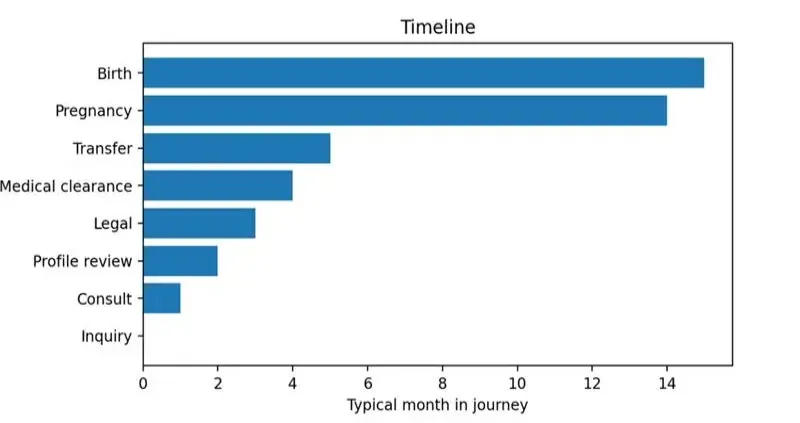
Figure 9: Visual decision aid for post-birth support in surrogacy: from hospital planning to bringing baby home.
Quick Summary
| Post-Birth Support Area | Why It Matters |
| Hospital Planning | Ensures a smooth delivery experience for all parties |
| Legal Documentation | Protects parental rights and facilitates birth registration |
| Insurance Coordination | Helps manage hospital billing and newborn coverage |
| Newborn Medical Care | Ensures immediate pediatric evaluation and follow-up |
| Travel & Logistics | Supports domestic and international parents returning home |
| Emotional Support | Assists both intended parents and the surrogate after delivery |
| Case Management | Coordinates communication among hospitals, attorneys, and families |
Why Post-Birth Support Matters
Many intended parents spend months preparing for embryo transfer, surrogate matching, and pregnancy but underestimate the complexity of the days immediately following delivery.
Without proper coordination, families may encounter delays involving:
- Birth certificate processing
- Parentage documentation
- Hospital discharge procedures
- Insurance enrollment
- Passport or travel paperwork for international parents
- Pediatric appointments
- Communication between medical providers and legal teams
An experienced surrogacy agency helps coordinate these steps so parents can focus on welcoming their baby.
Hospital Planning Before Delivery
Preparation begins weeks before the expected due date.
A comprehensive agency works with intended parents, the gestational carrier, attorneys, and the hospital to establish a birth plan that addresses expectations and responsibilities.
Typical planning includes:
- Hospital registration
- Delivery preferences
- Intended parent access during labor
- Newborn room arrangements
- Communication protocols
- Visitor policies
- Emergency contact procedures
- NICU contingency planning if required
Advance planning minimizes confusion during an emotional and time-sensitive event.
Legal Documents After Birth
Following delivery, several legal documents may need to be finalized depending on state laws and individual circumstances.
These may include:
- Birth certificate documentation
- Parentage orders
- Court filings
- Hospital consent forms
- Insurance paperwork
- Social Security application support
- Passport documentation for international families
Proper legal coordination helps ensure intended parents can exercise their parental rights without unnecessary delays.
Insurance and Hospital Billing
Hospital billing after surrogacy can involve multiple parties, making insurance coordination especially important.
Parents should understand:
- Who is responsible for maternity-related expenses
- Newborn insurance enrollment timelines
- Hospital billing procedures
- Coverage verification
- Pediatric care billing
- NICU coverage if specialized care is required
Clear financial planning reduces unexpected expenses during the post-delivery period.
Newborn Medical Care
Immediately after birth, the baby receives standard medical evaluations to ensure overall health and well-being.
Post-delivery coordination may include:
- Pediatric examination
- Newborn screening tests
- Vaccination schedule discussions
- Feeding support
- Hearing assessment
- Hospital discharge instructions
- Follow-up appointments
Parents should establish pediatric care arrangements before delivery whenever possible.
Bringing Your Baby Home
For many families, especially those traveling from another state or another country, bringing a newborn home involves additional planning.
Important considerations include:
- Travel documentation
- Airline requirements
- Safe infant transportation
- Temporary accommodations
- Medical clearance for travel
- Pediatric follow-up scheduling
- Family support planning
Advance preparation helps create a smoother transition after hospital discharge.
Support for International Intended Parents
International families often require additional assistance after birth.
Depending on their country of residence, they may need help coordinating:
- Passport applications
- Embassy documentation
- Citizenship paperwork
- Exit permits
- International travel planning
- Translation of legal documents
- Immigration requirements
Experienced agencies understand these logistical challenges and can help coordinate with attorneys and relevant authorities.
Emotional Support After Delivery
The birth of a child is emotionally significant for both intended parents and the gestational carrier.
Professional post-birth support may include:
- Case manager follow-up
- Counseling referrals
- Surrogate wellness check-ins
- Family transition support
- Communication guidance
- Recovery planning
Compassionate support helps create a positive conclusion to the surrogacy journey for everyone involved.
What Intended Parents Should Ask Before Choosing an Agency
Before selecting a surrogacy agency, ask:
- Who coordinates hospital planning?
- Will a dedicated case manager assist after delivery?
- How are legal documents handled?
- What support is available for insurance coordination?
- Does the agency assist international families?
- What happens if the baby requires NICU care?
- How long does post-birth support continue?
- Who coordinates communication with the hospital and attorneys?
The answers provide valuable insight into the agency’s level of ongoing commitment.
Common Mistake to Avoid
Many intended parents focus only on finding a surrogate and completing the pregnancy.
However, inadequate planning for the post-birth period can create unnecessary stress involving legal paperwork, hospital procedures, travel arrangements, and insurance enrollment.
Choosing an agency that provides comprehensive post-delivery coordination helps prevent avoidable complications and allows families to focus on bonding with their newborn.
Benefits of a Full-Service Surrogacy Agency
| Service | Full-Service Agency | Limited-Service Agency |
| Hospital Planning | ✔ Coordinated | ✘ Parent-managed |
| Legal Documentation | ✔ Organized | ✘ External responsibility |
| Insurance Guidance | ✔ Assisted | ✘ Minimal support |
| Birth Coordination | ✔ Dedicated case manager | ✘ Limited involvement |
| Newborn Logistics | ✔ Comprehensive | ✘ Self-managed |
| International Travel Assistance | ✔ Available | ✘ Often unavailable |
| Emotional Support | ✔ Continued after birth | ✘ Ends at delivery |
Practical Post-Birth Checklist
Before delivery, ensure that you have:
✅ Confirmed your hospital birth plan
✅ Reviewed legal documentation requirements
✅ Identified your pediatric provider
✅ Verified newborn insurance enrollment procedures
✅ Planned travel logistics
✅ Prepared infant transportation
✅ Organized temporary accommodations if needed
✅ Confirmed emergency contact information
Keeping this checklist readily available helps families navigate the final stage of the surrogacy journey with greater confidence.
Frequently Asked Questions
Q. What happens immediately after a surrogacy birth?
A. The newborn receives medical evaluation while legal documentation, hospital procedures, and discharge planning begin according to the agreed birth plan.
Q. Who receives the birth certificate?
A. Birth certificate procedures depend on applicable state laws and legal parentage arrangements. Intended parents should discuss this process with their attorney before delivery.
Q. Does a surrogacy agency help after delivery?
A. Full-service agencies typically continue assisting with hospital coordination, legal paperwork, insurance questions, communication, and post-birth logistics.
Q. What if my baby needs NICU care?
A. Parents should ask the agency how neonatal intensive care coordination, insurance, and communication are managed if specialized medical care becomes necessary.
Q. How should international intended parents prepare?
A. International families should begin planning passport applications, citizenship documentation, embassy appointments, and travel logistics well before the expected delivery date.
Q. Why is post-birth planning important?
A. Proper planning helps avoid delays involving legal documents, insurance enrollment, travel arrangements, and hospital discharge while ensuring a smoother transition for the entire family.
Final Thoughts
The surrogacy journey does not end when your baby is born—it enters one of its most meaningful phases. Hospital planning, legal documentation, insurance coordination, newborn care, and travel arrangements all require careful attention and professional guidance.
When choosing a surrogacy agency, intended parents should evaluate not only surrogate matching and pregnancy support but also the quality of post-birth coordination. A comprehensive support system can transform a complex logistical process into a positive and memorable beginning for your growing family.
Start your journey today. Contact Surrogacy4All at (212) 661-7673 or email info@surrogacy4all.com

Dr. Kulsoom Baloch
Dr. Kulsoom Baloch is a dedicated donor coordinator at Egg Donors, leveraging her extensive background in medicine and public health. She holds an MBBS from Ziauddin University, Pakistan, and an MPH from Hofstra University, New York. With three years of clinical experience at prominent hospitals in Karachi, Pakistan, Dr. Baloch has honed her skills in patient care and medical research.
- Dr. Kulsoom Baloch

- Dr. Kulsoom Baloch
- Dr. Kulsoom Baloch
- Dr. Kulsoom Baloch