
Signing with a surrogacy agency is one of the biggest decisions intended parents will make during their family-building journey. The agency you choose will coordinate legal professionals, fertility clinics, surrogate matching, financial management, insurance guidance, and emotional support over many months.
Unfortunately, many parents focus only on agency fees or online reviews. A successful surrogacy journey depends on much more than price or popularity. Asking the right questions before signing a contract can help you avoid hidden costs, delays, legal complications, and communication problems.
This guide provides a practical consultation checklist to help intended parents evaluate surrogacy agencies objectively and confidently in 2026.
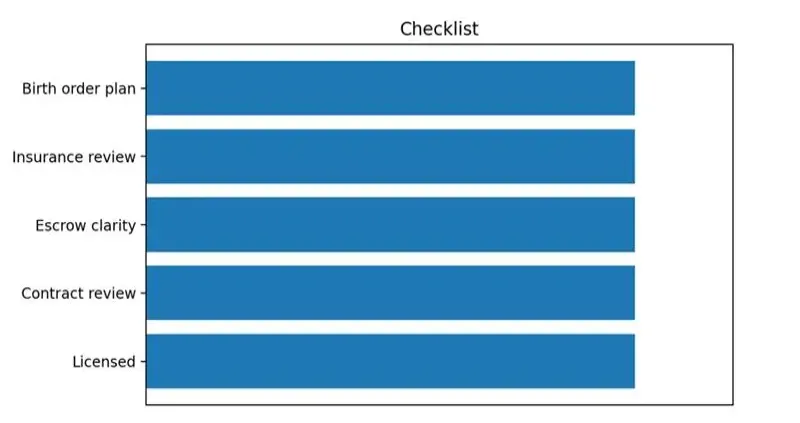
Figure 10: Visual decision aid for top questions to ask before signing with a surrogacy agency.
Quick Consultation Checklist
| Question | Why It Matters |
| Is the agency properly licensed? | Protects legal compliance and accountability |
| How are surrogates screened? | Ensures medical and psychological readiness |
| What is included in the agency fee? | Prevents unexpected expenses |
| How long is the matching process? | Sets realistic expectations |
| Who coordinates legal services? | Protects parental rights |
| Is there a dedicated case manager? | Improves communication |
| What happens if matching fails? | Clarifies contingency planning |
| How are medical appointments managed? | Keeps the journey organized |
| What support is available during pregnancy? | Benefits both surrogate and intended parents |
| Is post-birth support included? | Helps families transition smoothly |
Why Asking Questions Matters
Choosing a surrogacy agency involves significant emotional, financial, and legal commitments. A polished website or attractive pricing does not always reflect the quality of an agency’s systems.
The best agencies welcome detailed questions and provide transparent answers backed by documented policies and experienced professionals.
Instead of asking,
“Which agency is the biggest?”
consider asking,
“Which agency provides the strongest legal protections, transparent pricing, comprehensive support, and proven operational systems?”
This approach allows intended parents to compare agencies based on measurable criteria rather than marketing language.
1. Is the Agency Properly Licensed and Experienced?
Licensing requirements vary by jurisdiction, but intended parents should always ask about the agency’s legal standing, years of experience, and operational processes.
Questions to ask:
- Is the agency licensed where required?
- How long has the agency been operating?
- How many surrogacy journeys has it coordinated?
- What professional standards does it follow?
Experienced agencies typically have structured systems that improve communication and reduce delays.
2. How Are Surrogates Screened?
Surrogate screening is one of the most important aspects of any surrogacy program.
Comprehensive screening should evaluate:
- Medical history
- Previous pregnancies
- Psychological readiness
- Lifestyle habits
- Background verification
- Family support
- Financial stability
Thorough screening helps identify candidates who are prepared physically and emotionally for the journey.
3. What Services Are Included in the Agency Fee?
Advertised fees may not include every service needed during a surrogacy journey.
Request a written breakdown covering:
- Agency coordination
- Surrogate compensation
- Medical coordination
- Legal services
- Escrow administration
- Insurance guidance
- Travel expenses
- Case management
- Post-delivery support
Transparent pricing helps intended parents budget accurately.
4. Are There Any Hidden Costs?
Some programs involve additional expenses that are not highlighted during initial consultations.
Ask specifically about:
- Multiple embryo transfers
- Bed rest compensation
- Cesarean delivery costs
- Travel reimbursements
- Rematching fees
- Lost wages
- Insurance deductibles
- Legal revisions
Understanding these costs early prevents unexpected financial surprises.
5. How Long Does Surrogate Matching Usually Take?
Matching timelines vary depending on surrogate availability and family preferences.
Ask:
- What is your average matching timeline?
- How many screened surrogate profiles are currently available?
- How frequently are new candidates added?
- What factors influence matching speed?
Realistic expectations reduce frustration during the process.
6. Who Coordinates Legal Services?
Legal protection is essential throughout the surrogacy journey.
Questions include:
- Which attorneys prepare contracts?
- Are intended parents encouraged to obtain independent legal counsel?
- How are parentage orders managed?
- Who coordinates legal milestones before delivery?
Strong legal coordination protects everyone involved.
7. Is Escrow Managed Independently?
Escrow accounts protect financial transactions throughout the journey.
Ask:
- Who manages escrow funds?
- Are payments independently administered?
- How are disbursements documented?
- What safeguards exist for financial transparency?
Independent escrow management adds accountability and confidence.
8. Will I Have a Dedicated Case Manager?
A dedicated case manager serves as the primary point of contact.
Responsibilities often include:
- Scheduling appointments
- Coordinating communication
- Tracking milestones
- Managing documentation
- Supporting intended parents
- Assisting the surrogate
Consistent communication contributes to a smoother experience.
9. How Is Medical Coordination Handled?
An effective agency coordinates with fertility clinics and healthcare providers throughout the process.
Ask about:
- Embryo transfer scheduling
- Medical record management
- Obstetric coordination
- Pregnancy updates
- Delivery planning
- Hospital communication
Strong medical coordination minimizes administrative burdens.
10. What Happens if the Match Does Not Work Out?
Not every match proceeds to pregnancy.
Important questions include:
- What happens if a surrogate withdraws?
- Is rematching included?
- Are additional agency fees required?
- How are delays managed?
- What support is available during rematching?
Understanding contingency policies before signing provides peace of mind.
11. What Happens if the First Embryo Transfer Fails?
Embryo transfer outcomes vary.
Ask:
- How many transfer attempts are supported?
- What coordination is provided after an unsuccessful cycle?
- Are additional fees involved?
- What happens if a new surrogate is needed?
Having a clear policy reduces uncertainty.
12. How Are Intended Parents Supported Throughout Pregnancy?
Support extends beyond matching.
Look for agencies that provide:
- Regular updates
- Case management
- Appointment coordination
- Travel assistance
- Communication facilitation
- Birth planning
- Emotional support resources
Comprehensive support enhances the overall experience.
Red Flags to Watch For
Be cautious if an agency:
- Refuses to provide written pricing
- Cannot explain screening procedures
- Offers unrealistic guarantees
- Has unclear legal coordination
- Pressures you to sign quickly
- Provides inconsistent communication
- Has no contingency plan for rematching
- Cannot explain escrow management
- Lacks dedicated case management
- Avoids detailed questions
Transparency is a hallmark of a professional agency.
Agency Comparison Checklist
| Evaluation Factor | Excellent Agency | Poor Agency |
| Licensing | Verified | Unclear |
| Pricing | Transparent | Hidden fees |
| Surrogate Screening | Comprehensive | Limited |
| Case Management | Dedicated coordinator | Multiple contacts |
| Legal Coordination | Structured | Vague |
| Escrow | Independent | Not explained |
| Communication | Regular updates | Inconsistent |
| Pregnancy Support | Ongoing | Minimal |
| Rematching Policy | Clearly documented | Unclear |
| Post-Birth Support | Included | Not available |
Practical Consultation Checklist
Before signing with any agency, confirm that you have received:
✅ Written pricing estimate
✅ Surrogate screening overview
✅ Legal coordination explanation
✅ Escrow management details
✅ Matching timeline estimate
✅ Rematching policy
✅ Medical coordination plan
✅ Case manager introduction
✅ Pregnancy support information
✅ Post-delivery support details
Frequently Asked Questions
Q. What is the most important question to ask a surrogacy agency?
A. Ask how the agency protects intended parents legally, financially, and medically throughout the entire journey.
Q. Should I choose the agency with the lowest fees?
A. Not necessarily. Compare the total journey cost, included services, legal protections, and support structure rather than focusing only on the advertised price.
Q. Why is surrogate screening so important?
A. Comprehensive screening helps identify qualified candidates who are medically, psychologically, and emotionally prepared for surrogacy.
Q. What should be included in agency pricing?
A. Agency coordination, surrogate compensation, legal services, escrow administration, insurance guidance, medical coordination, and support services should all be clearly explained.
Q. What happens if my match falls through?
A. Policies differ between agencies. Ask whether rematching services are included and whether additional agency fees apply.
Q. How long does the surrogacy process usually take?
A. Timelines vary based on matching, medical treatment, legal preparation, and pregnancy. Your agency should provide realistic expectations during consultation.
Final Thoughts
The questions you ask before signing with a surrogacy agency can significantly influence your experience throughout the journey. Rather than choosing based solely on cost or marketing claims, evaluate agencies based on transparency, legal protections, surrogate screening standards, communication practices, and comprehensive support.
An informed decision today can help create a more organized, predictable, and positive family-building experience tomorrow.
Speak with our physician-led team today. Call Surrogacy4All at (212) 661-7673 or email info@surrogacy4all.com to book your consultation.

Dr. Kulsoom Baloch
Dr. Kulsoom Baloch is a dedicated donor coordinator at Egg Donors, leveraging her extensive background in medicine and public health. She holds an MBBS from Ziauddin University, Pakistan, and an MPH from Hofstra University, New York. With three years of clinical experience at prominent hospitals in Karachi, Pakistan, Dr. Baloch has honed her skills in patient care and medical research.
- Dr. Kulsoom Baloch

- Dr. Kulsoom Baloch
- Dr. Kulsoom Baloch
- Dr. Kulsoom Baloch