
Key Takeaways
- EMMA and ALICE tests analyze the uterine environment, not the embryo.
- They help identify microbiome imbalances and hidden infections.
- Results guide targeted treatment before embryo transfer.
- Intended parents and surrogates both benefit from improved implantation confidence.
- These tests are especially valuable after repeated IVF failures.
Successful implantation depends on more than embryo quality—it also relies on a healthy uterine environment. Even with genetically normal embryos, subtle imbalances in the endometrial microbiome can prevent pregnancy.
Endometrial Microbiome Testing (EMMA/ALICE) provides a deeper look inside the uterus, helping fertility specialists optimize conditions before embryo transfer. This dual guide explains how these tests work, who benefits most, and what intended parents and gestational surrogates should know.
What Is Endometrial Microbiome Testing?
Understanding the Uterine Microbiome
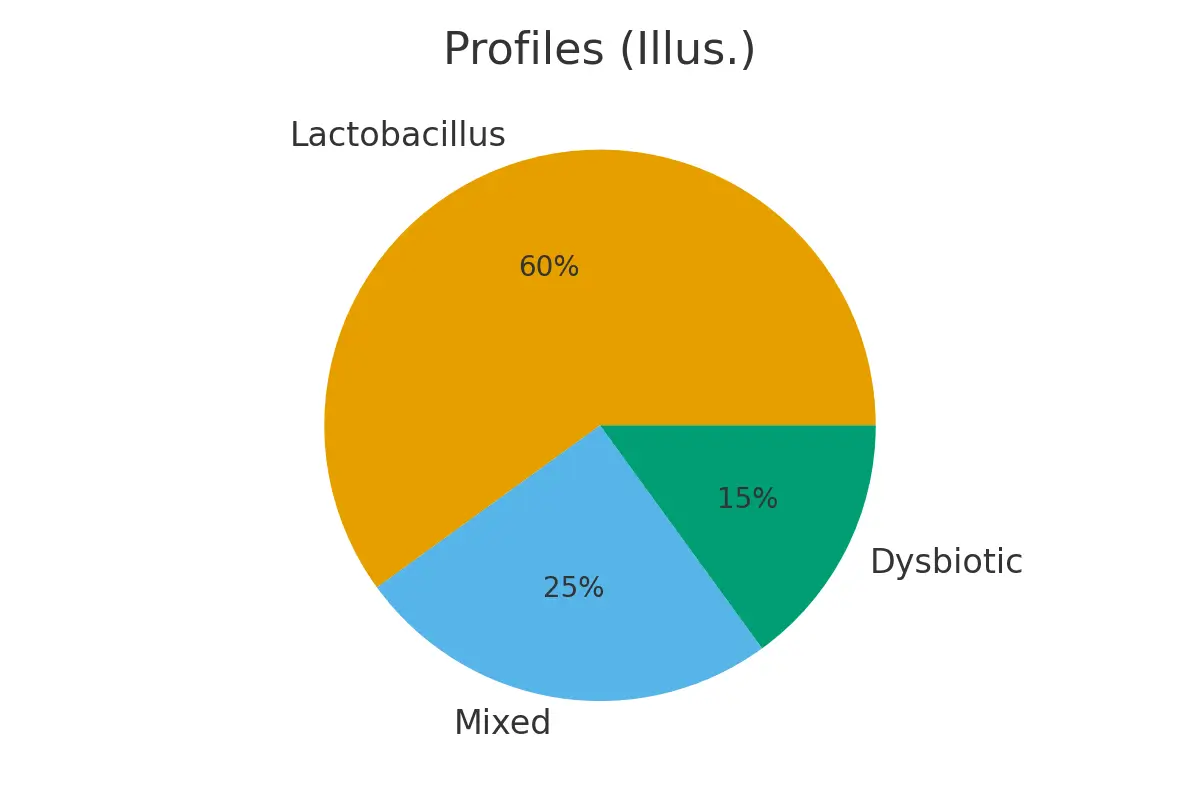
The uterus contains a delicate balance of bacteria. A Lactobacillus-dominant environment supports implantation, while harmful bacteria or inflammation can interfere with embryo attachment.
What Are EMMA and ALICE Tests?
EMMA (Endometrial Microbiome Metagenomic Analysis)
- Evaluates bacterial balance in the endometrium
- Measures Lactobacillus dominance
- Identifies microbiome imbalances linked to implantation failure
ALICE (Analysis of Infectious Chronic Endometritis)
- Detects harmful bacteria associated with chronic endometritis
- Identifies silent uterine infections that often show no symptoms
Together, EMMA and ALICE provide a complete picture of uterine receptivity.
Why EMMA/ALICE Testing Matters for Intended Parents
Identifying Hidden Causes of IVF Failure
Repeated implantation failure often has no obvious explanation. EMMA/ALICE can reveal:
- Microbial imbalance
- Chronic inflammation
- Undiagnosed infections
Personalized Treatment Plans
Results allow clinicians to tailor:
- Antibiotics
- Probiotics
- Timing of embryo transfer
This precision approach reduces guesswork and improves outcomes.
What Gestational Surrogates Should Know
Does Testing Affect Surrogacy Eligibility?
EMMA/ALICE testing:
- Is non-invasive and outpatient
- Does not affect legal contracts
- Supports a healthier uterine environment
Why Surrogates Benefit
- Higher chance of successful implantation
- Reduced likelihood of repeat transfers
- Clear communication with intended parents
For surrogates, testing adds confidence and clarity to the journey.
Who Should Consider EMMA/ALICE Testing?
Ideal Candidates Include:
- Recurrent implantation failure
- Unexplained IVF failure
- Previous miscarriages
- Planned surrogacy transfers
- High-value embryo transfers
Case Study: Improving Implantation Through Microbiome Testing
Background:
An intended parent couple experienced three failed embryo transfers using high-quality embryos.
Testing:
Their gestational surrogate underwent EMMA/ALICE testing.
Findings:
- Low Lactobacillus levels
- Presence of chronic endometritis bacteria
Treatment & Outcome:
After targeted antibiotics and probiotics, the next embryo transfer resulted in a successful pregnancy.
Testimonials
Intended Parent Testimonial
“After years of failed IVF cycles, EMMA/ALICE finally gave us answers—and hope.”
Gestational Surrogate Testimonial
“The testing helped ensure my body was fully ready. It made me feel confident and supported.”
Fertility Nurse Testimonial
“Microbiome testing has changed how we approach unexplained implantation failure.”
Expert Quote
“A receptive endometrium is just as important as embryo quality. EMMA and ALICE testing help us uncover what we couldn’t see before.”
— Dr. Maya Reynolds, Reproductive Endocrinologist
Related Links
- Embryo Transfer Preparation
- IVF Testing and Diagnostics
- Recurrent Implantation Failure
- Gestational Surrogacy Journey
Glossary
- Endometrial Microbiome: Bacterial ecosystem within the uterine lining.
- Lactobacillus: Beneficial bacteria supporting implantation.
- Chronic Endometritis: Persistent uterine inflammation often without symptoms.
- Implantation Failure: When an embryo does not attach to the uterus.
- Uterine Receptivity: The uterus’s readiness to support pregnancy.
Frequently Asked Questions (FAQ)
Q. Are EMMA and ALICE tests painful?
Ans : The procedure is similar to an endometrial biopsy. Mild discomfort may occur, but it is brief and well-tolerated.
Q. Can EMMA/ALICE replace genetic embryo testing?
Ans : No. These tests evaluate the uterine environment, not embryo genetics.
Q. How long does it take to get results?
Ans : Results are typically available within 2–3 weeks.
Q. Can surrogates undergo EMMA/ALICE testing?
Ans : Yes. Many clinics recommend it before embryo transfer in surrogacy cycles.
Q. What happens if harmful bacteria are found?
Ans : Clinicians prescribe targeted antibiotics followed by probiotics to restore balance.
Q. Is microbiome testing necessary for first-time IVF?
Ans : Not always, but it may be recommended for high-risk or high-value transfers.
Q. Does insurance cover EMMA/ALICE testing?
Ans : Coverage varies. Many patients pay out-of-pocket.
Q. Can the microbiome become imbalanced again?
Ans : Yes, which is why timing and post-treatment care are important.
Q. Is chronic endometritis common?
Ans : It is more common than once believed and often goes undiagnosed.
Q. Does EMMA/ALICE testing guarantee pregnancy?
Ans : No test guarantees success, but it significantly improves uterine readiness.
Q. How soon after treatment can embryo transfer occur?
Ans : Typically in the next cycle, depending on clinician guidance.
Q. How do I know if this testing is right for me?
Ans : Consult with your fertility specialist or Surrogacy.com coordinator for personalized guidance.
Ready to take the next step? Call Surrogacy4All at (212) 661-7673 or email info@surrogacy4all.com to book your consultation.

Dr. Kulsoom Baloch
Dr. Kulsoom Baloch is a dedicated donor coordinator at Egg Donors, leveraging her extensive background in medicine and public health. She holds an MBBS from Ziauddin University, Pakistan, and an MPH from Hofstra University, New York. With three years of clinical experience at prominent hospitals in Karachi, Pakistan, Dr. Baloch has honed her skills in patient care and medical research.
- Dr. Kulsoom Baloch

- Dr. Kulsoom Baloch
- Dr. Kulsoom Baloch
- Dr. Kulsoom Baloch