AI Smart Summary
- A viable fetus refers to a fetus that may have the ability to survive outside the uterus with medical support.
- Fetal viability depends on several factors, including gestational age, development, health, and available medical care.
- There is no single viability week when every fetus becomes viable because every pregnancy is different.
- Around 24 weeks viability, some premature babies may have a chance of survival with advanced neonatal care.
- Understanding fetal development helps families make informed decisions during pregnancy.
What Does Viable Fetus Mean?
A viable fetus means a fetus that has reached a stage of development where survival outside the uterus may be possible with medical support.
Fetal viability is not determined by one factor alone. Doctors consider multiple aspects, including the baby’s development, Gestational week, overall health, birth weight, and the level of medical care available.
A pregnancy can be developing normally but still be too early for a fetus to survive outside the womb. This is why doctors evaluate viability carefully based on each individual pregnancy.
What Is Fetal Viability?
Fetal viability refers to the possibility that a fetus may survive if born before completing the full pregnancy term.
Many people search for a specific viability week, but there is no exact week that guarantees survival for every pregnancy. Medical advancements have improved outcomes for extremely premature babies, but survival depends on many individual factors.
Some important factors include:
- Gestational age at birth
- Baby’s growth and development
- Birth weight
- Overall pregnancy health
- Availability of neonatal intensive care
When Is a Fetus Considered Viable?
The chances of survival generally increase as pregnancy progresses.
Doctors often pay close attention to the period around 22 to 24 weeks of pregnancy because this is when some extremely premature babies may have a possibility of survival with intensive medical support.
However, viability is not a fixed point. A baby born at the same gestational age may have different outcomes depending on medical circumstances.
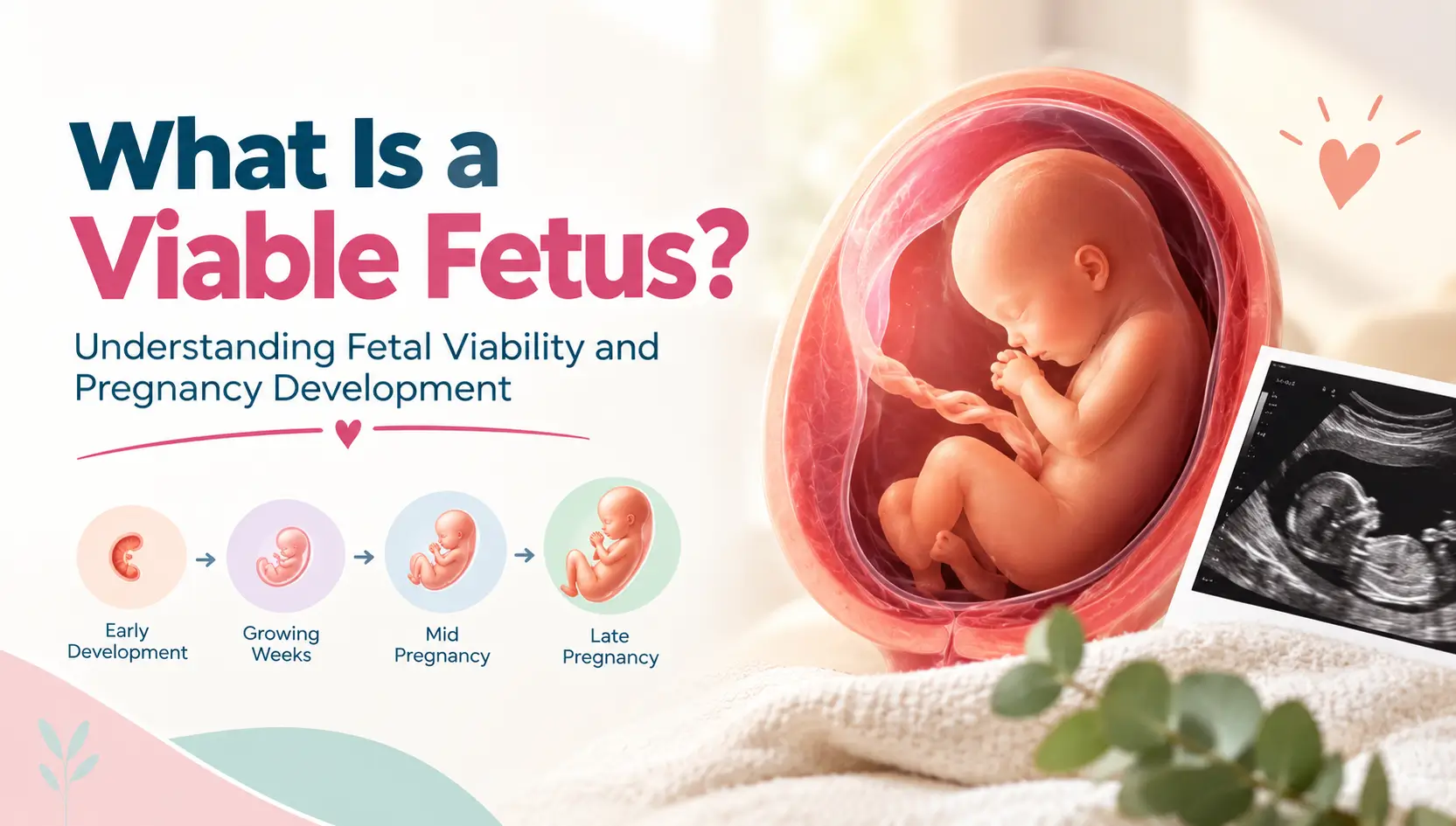
Fetal Viability by Week: Understanding Pregnancy Development
Understanding Fetal Viability by Week can help explain how pregnancy progresses.
Before 22 Weeks
At this stage, fetal development is still ongoing, and survival outside the uterus is extremely unlikely.
Around 22–24 Weeks
This period is often considered close to the limits of viability. Around 24 weeks viability, some babies may survive with advanced neonatal care, although significant medical support is usually required.
25–28 Weeks
As pregnancy continues, organs such as the lungs and brain continue developing. Babies born during this period may still need intensive medical care but generally have improved chances compared with earlier births.
After 28 Weeks
Survival chances typically improve further as fetal organs continue to mature.
Full-Term Pregnancy
A full-term pregnancy allows more time for important development, including brain, lung, and immune system maturity.
How Does Pregnancy and Fetal Development Progress?
Pregnancy and fetal development involve continuous changes from early pregnancy through delivery.
During pregnancy, the fetus develops:
- Major organs
- Brain connections
- Lung function
- Muscle strength
- Growth and movement patterns
Regular prenatal care allows healthcare providers to monitor growth and identify any concerns early.
Ultrasounds, medical evaluations, and pregnancy monitoring help doctors understand how the pregnancy is progressing.
What Factors Can Affect Fetal Viability?
Several factors can influence the chances of survival outside the uterus, including:
Gestational Age
The number of completed pregnancy weeks plays an important role because fetal organs require time to mature.
Baby’s Development
The development of vital organs, especially the lungs and brain, affects survival chances.
Pregnancy Health
Conditions affecting the pregnant person or fetus may influence outcomes.
Medical Support
Access to specialized neonatal care can make a significant difference for premature babies.
Can Pregnancy Bleeding and Cramps Affect Fetal Viability?
Some changes during pregnancy, including pregnancy bleeding and cramps, can happen for different reasons. While mild symptoms may occur in some pregnancies, certain types of bleeding or severe pain may require medical attention.
Contacting a healthcare provider is important if you experience:
- Heavy bleeding
- Severe abdominal pain
- Persistent cramps
- Dizziness or weakness
- Sudden changes in pregnancy symptoms
Early medical evaluation can help identify possible concerns and provide appropriate care.
What Does Fetal Viability Mean for IVF and Surrogacy?
For intended parents building a family through IVF or gestational surrogacy, understanding fetal development and pregnancy milestones can provide reassurance throughout the journey.
Surrogacy4All supports intended parents by helping them navigate fertility options, pregnancy care, and family-building pathways with professional guidance.
Every pregnancy is unique, and healthcare providers evaluate fetal development based on individual circumstances rather than a single milestone.
FAQs About Viable Fetus
Q. What is a viable fetus?
A. A viable fetus is a fetus that may have the ability to survive outside the uterus with medical support. Viability depends on factors such as gestational age, development, and medical care.
Q. What is the viability week of pregnancy?
A. There is no single viability week that applies to every pregnancy. Many medical discussions focus on the period around 22–24 weeks because survival may become possible with specialized care.
Q. What is Fetal Development Week by Week?
A. Fetal development week by week explains how a baby grows, develops organs, and reaches important pregnancy milestones throughout each stage.
Q. Is a fetus viable at 24 weeks?
A. Around 24 weeks viability, some babies may survive with advanced medical support, but outcomes can vary depending on individual health factors.
Q. How is fetal viability determined?
A. Doctors evaluate fetal viability by considering gestational age, growth, development, medical conditions, and other pregnancy factors.
Q. Does fetal viability mean the baby is fully developed?
A. No. A viable fetus may have the ability to survive outside the uterus, but premature babies may still require specialized medical care because development continues throughout pregnancy.

Dr. Veera Saghar
As an Egg Donor Coordinator, she plays a critical role in our company. Her background as a medical graduate from ISRA UNIVERSITY in Pakistan provides us with a solid foundation in the medical sciences. She has seven years of clinical experience practicing in the USA. This has given her firsthand experience when collaborating with patients and their families.
She is responsible for managing the process of egg donation from start to finish. We identify and screen potential egg donors.
- Dr. Veera Saghar

- Dr. Veera Saghar
- Dr. Veera Saghar
- Dr. Veera Saghar