
Court Filings — Timeline and Typical Documents

Court Filings — Timeline and Typical Documents outlines the legal paperwork that confirms intended parent(s)’ rights before or after birth, depending on state law. This guide explains: Where court filings fit in the surrogacy process How timelines differ between pre-birth vs post-birth orders What documents courts typically require How early legal steps prevent hospital delays, […]
Exercise — Building a Gentle Weekly Plan
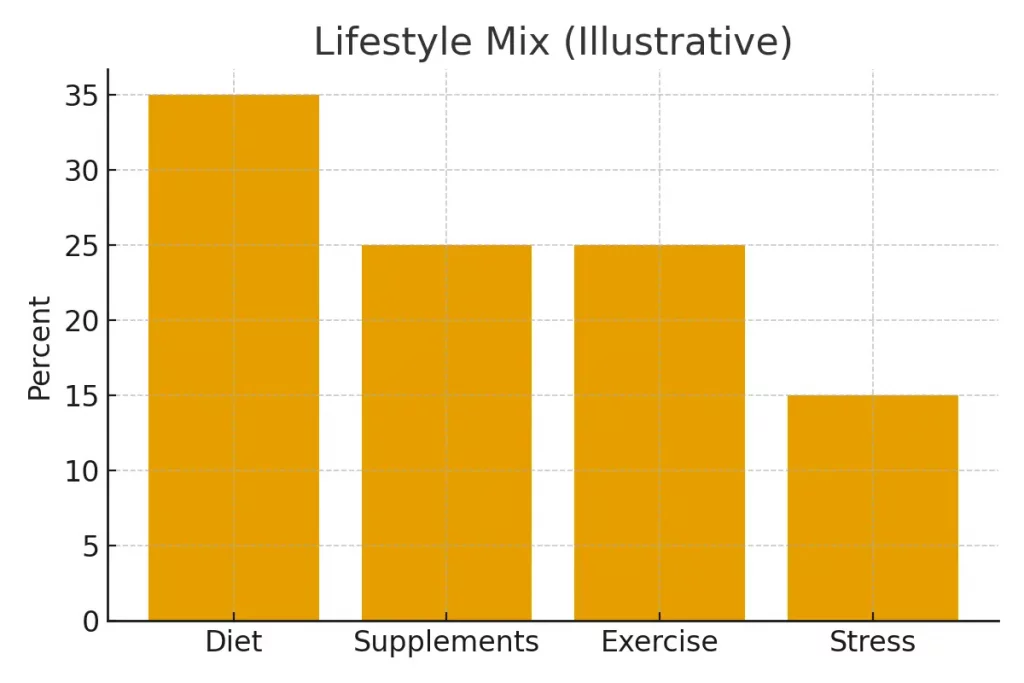
Key Takeaways Gentle movement improves blood flow, reduces inflammation, and supports hormone balance. Excessive or high-intensity exercise can impair ovulation and lower IVF success rates. A structured weekly plan helps reduce stress and regulate cortisol. Walking, yoga, Pilates, stretching, and light strength training are ideal during TTC and IVF. Consistency matters more than intensity. Exercise […]
Pediatric and Adolescent Oncofertility — Special Considerations

Key Takeaways Children and teens can experience permanent infertility from chemotherapy, radiation, and surgery—often at higher rates than adults. Fertility preservation requires age-specific, development-appropriate strategies. Options vary dramatically depending on pubertal stage, cancer type, and treatment urgency. Procedures like ovarian tissue cryopreservation and testicular tissue freezing are essential for pre-pubertal patients. Ethical considerations—such as consent, […]
GnRH Agonists for Ovarian Protection — Evidence Snapshot

Key Takeaways GnRH agonists can reduce—but not eliminate—the risk of chemotherapy-induced ovarian failure. Best used as an adjunct, not a replacement, for egg or embryo freezing. Works by temporarily “resting” the ovaries during chemotherapy. Evidence is strongest for hormone-receptor–negative breast cancer and select regimens. Timing matters: injections must begin before chemotherapy starts. Useful when freezing […]
Interventional Radiology — UAE vs Future Fertility
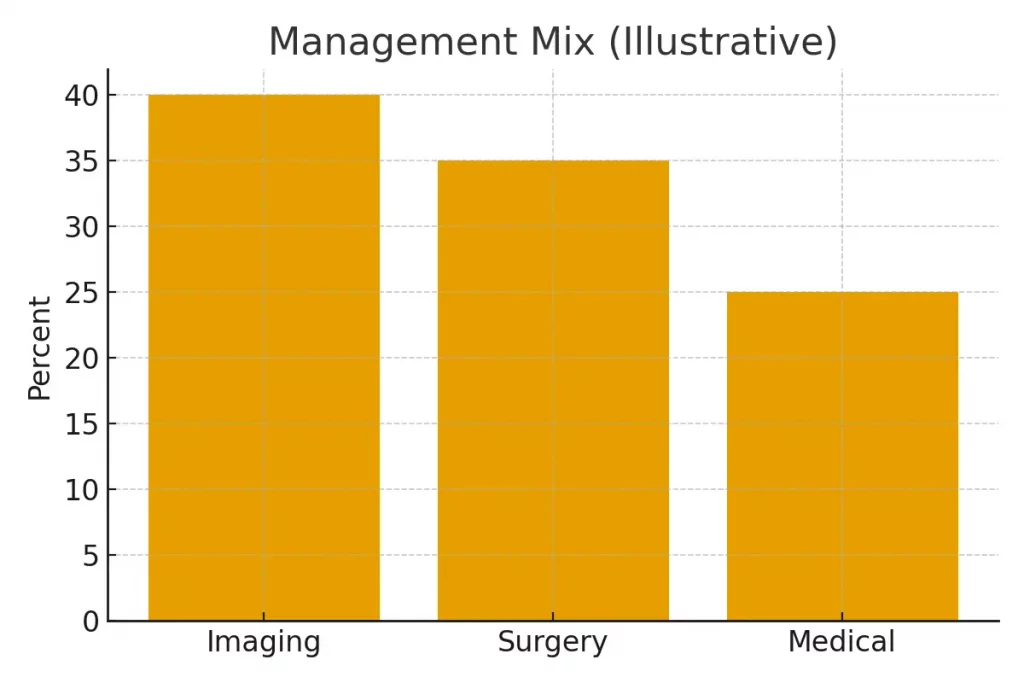
Key Takeaways UAE offers a minimally invasive treatment for fibroids but may compromise future fertility in certain patients. Myomectomy often remains the gold standard for women planning pregnancy. Interventional radiology innovations are reducing risks, but careful patient selection is essential. In some cases, UAE can preserve fertility when surgery is not an option. Consultation with […]
International Parents — Banking and Currency Considerations
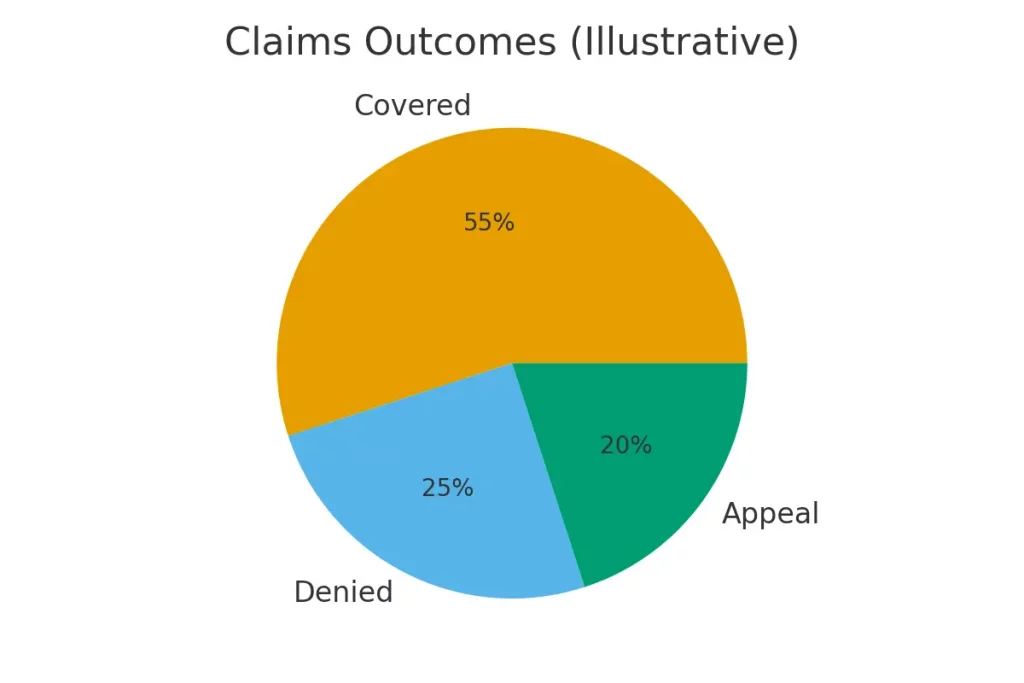
This is the financial side of cross-border fertility care. It covers how to move money safely, how to minimize unnecessary fees, how exchange-rate swings affect total costs, and how payment timing influences clinic, agency, legal, and escrow processes.It shows you where this fits in the overall care journey, what it changes in your budget, and […]
Caffeine and Alcohol — How Much Is Too Much?
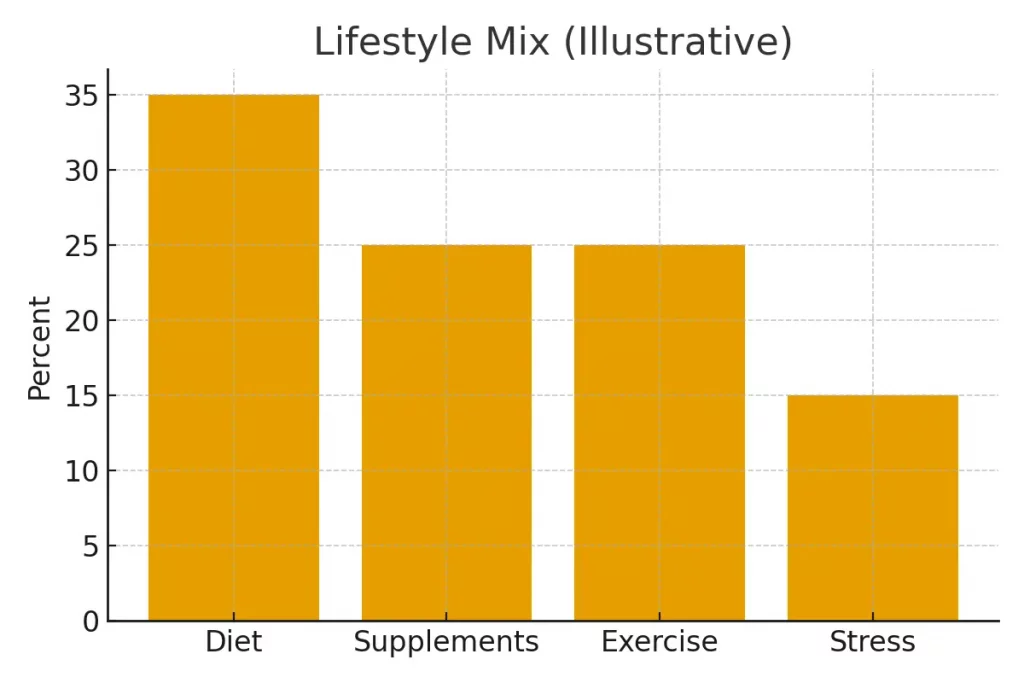
Key Takeaways Moderate caffeine may be safe, but excess intake harms hormone regulation, sleep, and egg/sperm quality. Alcohol affects ovulation, sperm DNA integrity, and embryo development — even small amounts matter during IVF. Timing is crucial: intake before ovulation or embryo transfer can negatively influence outcomes. Lifestyle modifications, even for only one cycle, can significantly […]
Consult Prep — Questions That Reveal Fit
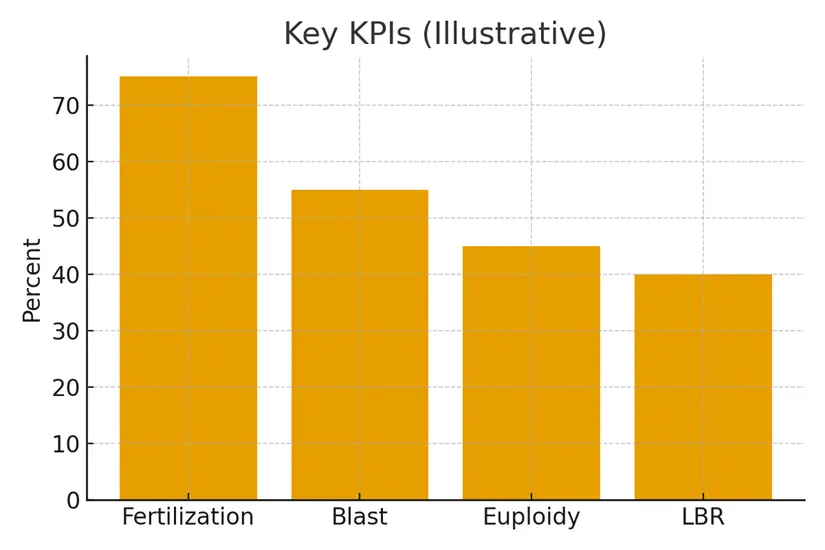
This article explains consult prep — questions that reveal fit within the Clinic Selection & Success Rates pathway. It focuses on the questions that actually change outcomes, budgets, and timelines—so you can move forward with confidence. What It Is Consult Prep — Questions That Reveal Fit in plain English: this is the set of targeted […]
Workplace Conversations — Privacy and Boundaries
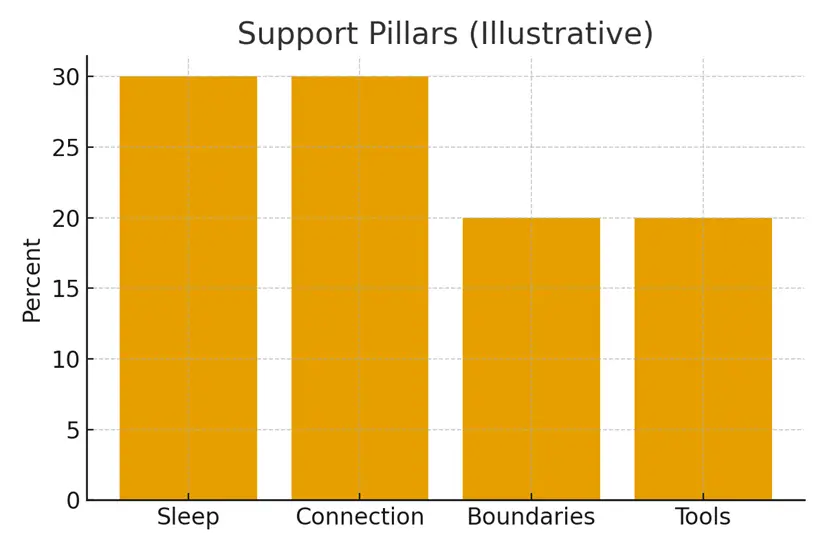
Key Takeaways You control what you share about fertility treatment at work — not your manager or coworkers. Simple scripts make awkward conversations easier and prevent oversharing. Privacy tools such as “need-to-know disclosure,” selective scheduling, and boundary statements reduce stress. If workplace dynamics become uncomfortable, HR and formal accommodations may help. Emotional strain is normal […]
Case Studies — Using Genetics to Guide Care
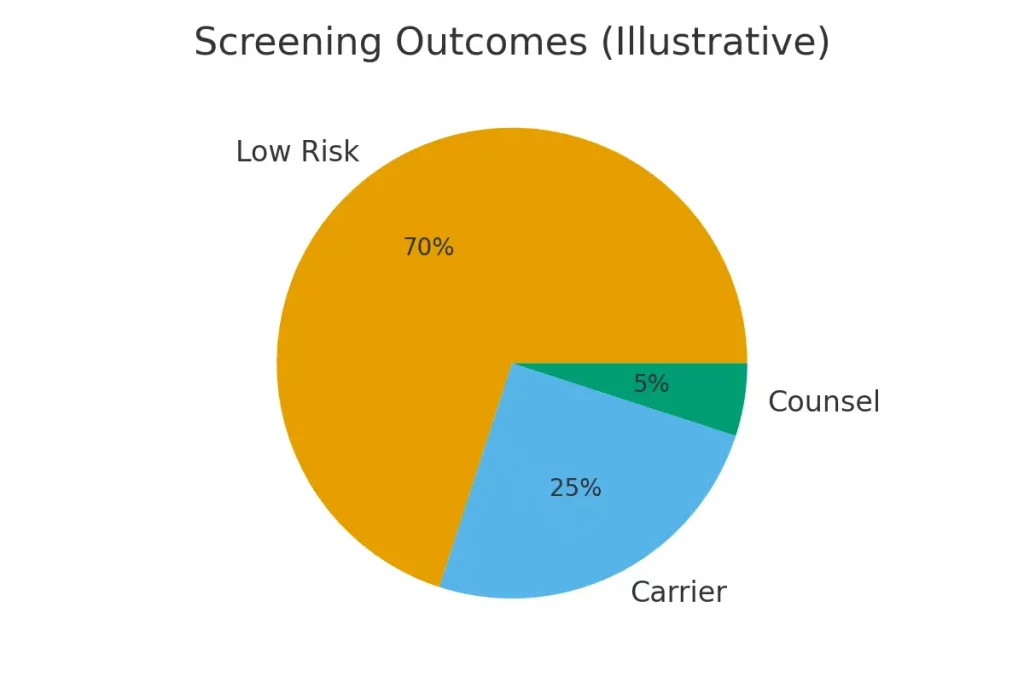
Genetic testing and carrier screening provide more than just “risk reports.” When used correctly, they shape real clinical decisions: which embryos to transfer, which medications or timelines to choose, whether donor gametes are appropriate, and how to plan for pregnancy risks.Case studies help make this real—showing how genetics changes care pathways, not just paperwork. Where […]
