
HSAs, FSAs, and HRAs — What’s Eligible
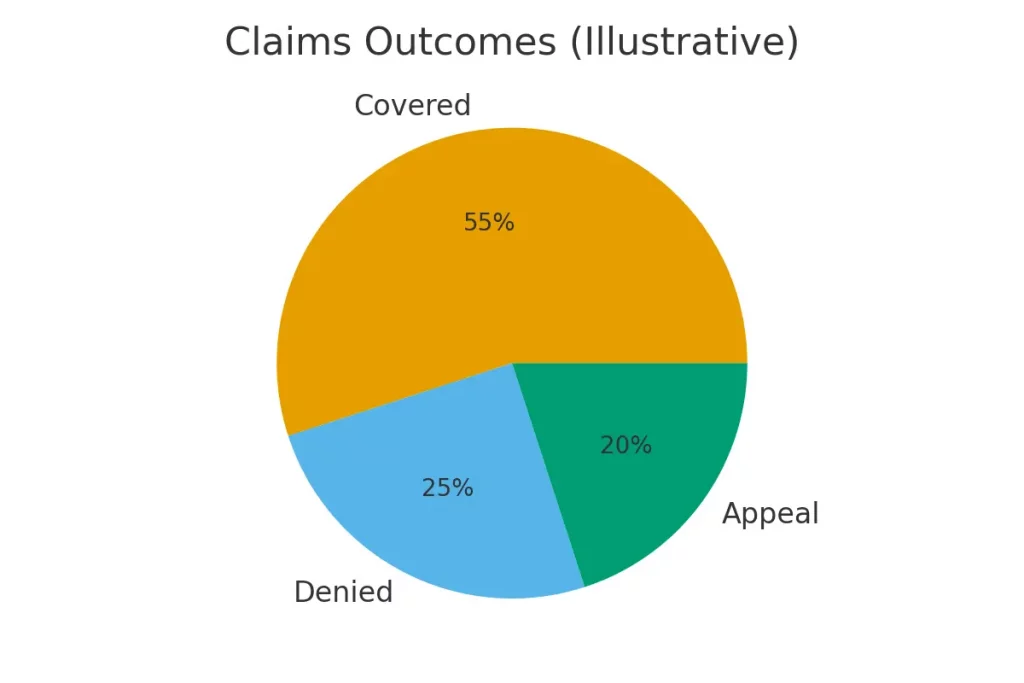
These accounts let you use pre-tax dollars to pay for medical and fertility-related expenses. The trick is understanding the rules—each account has different contribution limits, rollover rules, documentation requirements, and reimbursement restrictions. When used correctly, these accounts can reduce out-of-pocket costs across IVF, medications, donor cycles, monitoring, surrogacy-related medical care, and legal work tied to […]
Egg Freezing Step‑by‑Step — From Consult to Freeze
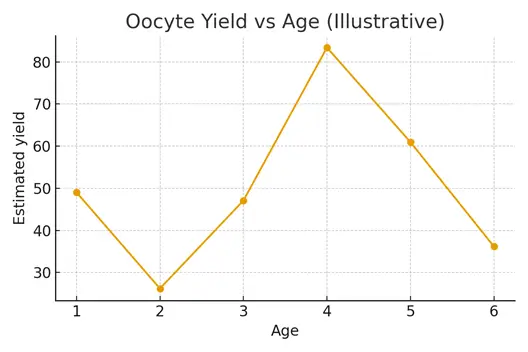
Egg freezing (oocyte cryopreservation) is the process of stimulating your ovaries to grow multiple eggs, retrieving them through a short procedure, and freezing them for future use. It fits between “fertility testing” and “embryo creation.” What it changes: Your future reproductive options — giving you more flexibility with age, career, health, or relationship changes. Your […]
Sperm Bank Selection — Testing, Quarantine, CMV, Rh
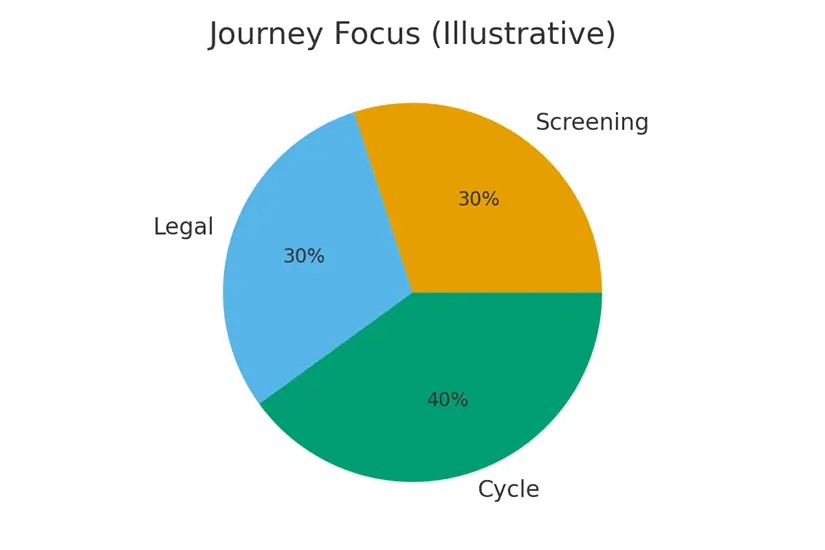
This article explains sperm bank selection — testing, quarantine, CMV, Rh within the Donor Options (Eggs vs Embryos vs Sperm) pathway. We focus on practical choices that shape outcomes, budgets, and timelines—so you can move forward with confidence. What It Is Sperm Bank Selection — Testing, Quarantine, CMV, Rh in plain English: how to choose […]
Estrace Priming and Cycle Scheduling
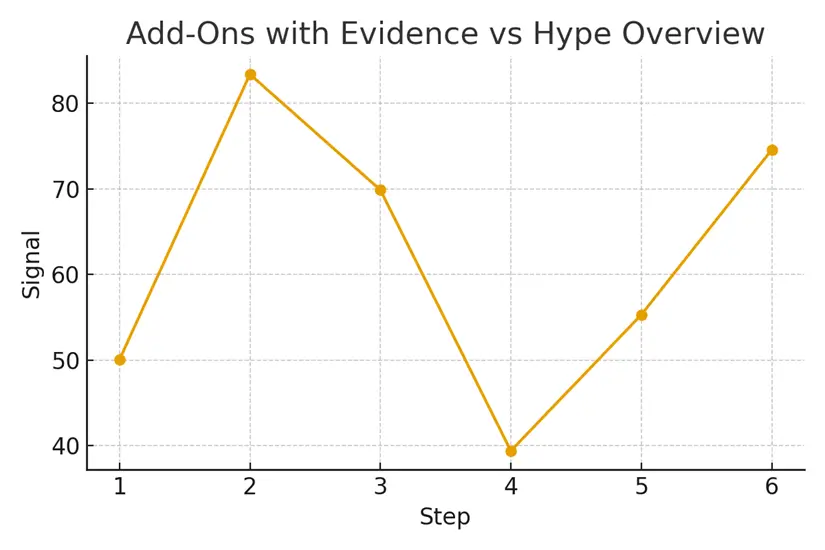
This article explains Estrace priming and cycle scheduling within the IVF Protocols & Medications pathway. It focuses on decisions that meaningfully impact outcomes, timing, and budgeting—so you can plan your cycle with confidence and fewer surprises. What It Is Estrace priming is the use of estrogen tablets before starting an IVF cycle. It helps coordinate […]
Fertility Clinics Near Me — Houston (TX)
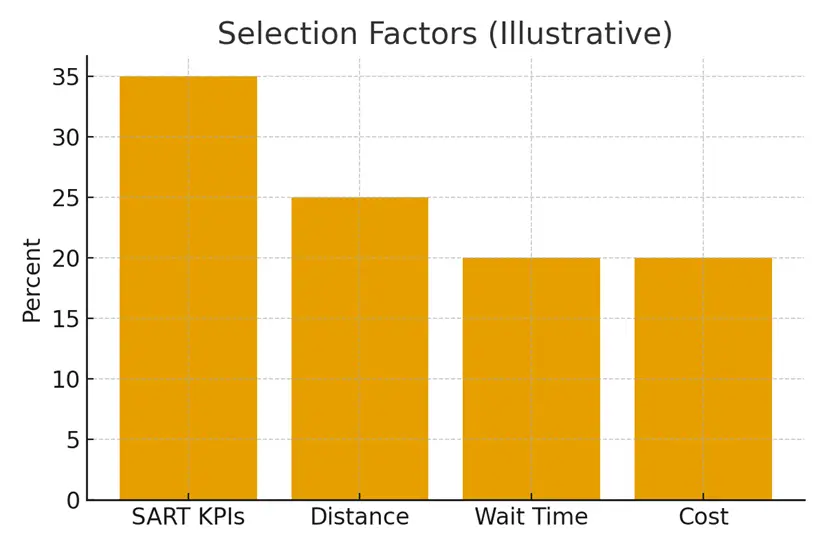
Key Takeaways Houston is home to some of the highest-ranked fertility centers in the U.S., offering IVF, ICSI, IUI, donor cycles, and surrogacy services. Choosing a clinic depends on success rates, physician expertise, treatment options, cost transparency, and patient support. Many clinics in Houston offer advanced genetic testing, egg freezing, and male fertility services. Surrogacy-friendly […]
Costs and Insurance for Genetic Testing

Genetic testing can range from ₹3,000 to ₹60,000+ (or $50 to $1,200 internationally), depending on: the type of test the lab that runs it whether it’s medically necessary your insurance plan or country-specific coverage rules In simple terms:Genetic testing prices vary widely because each test has different complexity, reporting, and insurance requirements. Understanding what you […]
Budget Scenarios — Base, Expected, Contingency
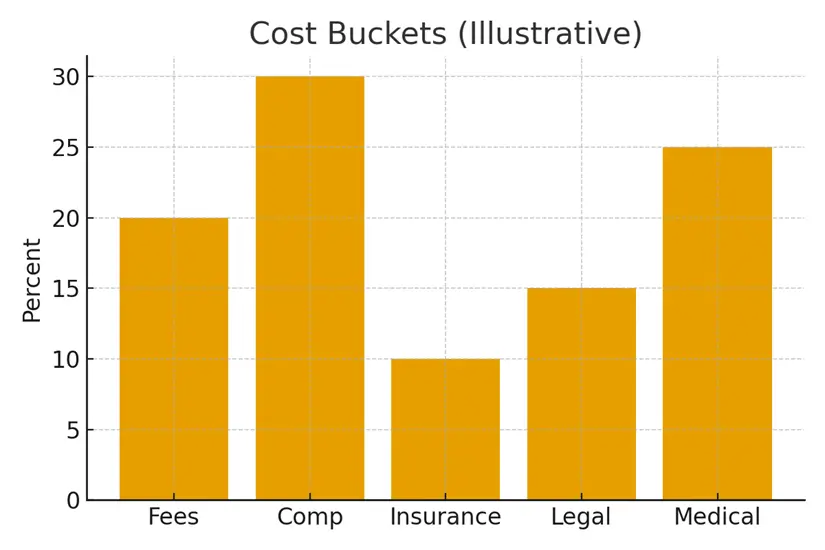
This article explains budget scenarios — base, expected, and contingency within the International Surrogacy & Cross-Border Care pathway. It focuses on the choices that actually change outcomes, budgets, and timelines, helping you plan with confidence rather than guesswork. What It Is Budget Scenarios — Base, Expected, Contingency in plain English: a structured way to organize […]
Hydration and Electrolytes — Small Wins
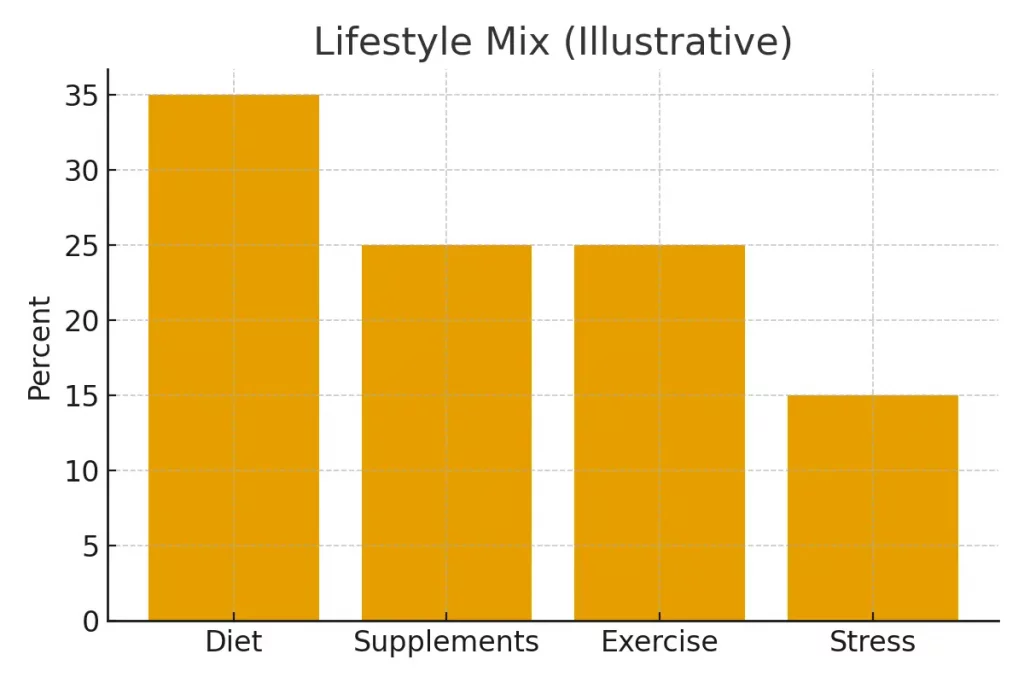
Key Takeaways Hydration directly impacts hormones, fertility, energy, digestion, and metabolic stability. Electrolytes—especially sodium, potassium, and magnesium—help cells function optimally. Even mild dehydration can affect cervical mucus, egg quality, sperm health, and embryo development. Small wins like morning hydration, mineral-rich foods, and balanced electrolytes can create outsized benefits. Choosing the right electrolyte sources matters more […]
Appeals After Denials — Templates and Tactics
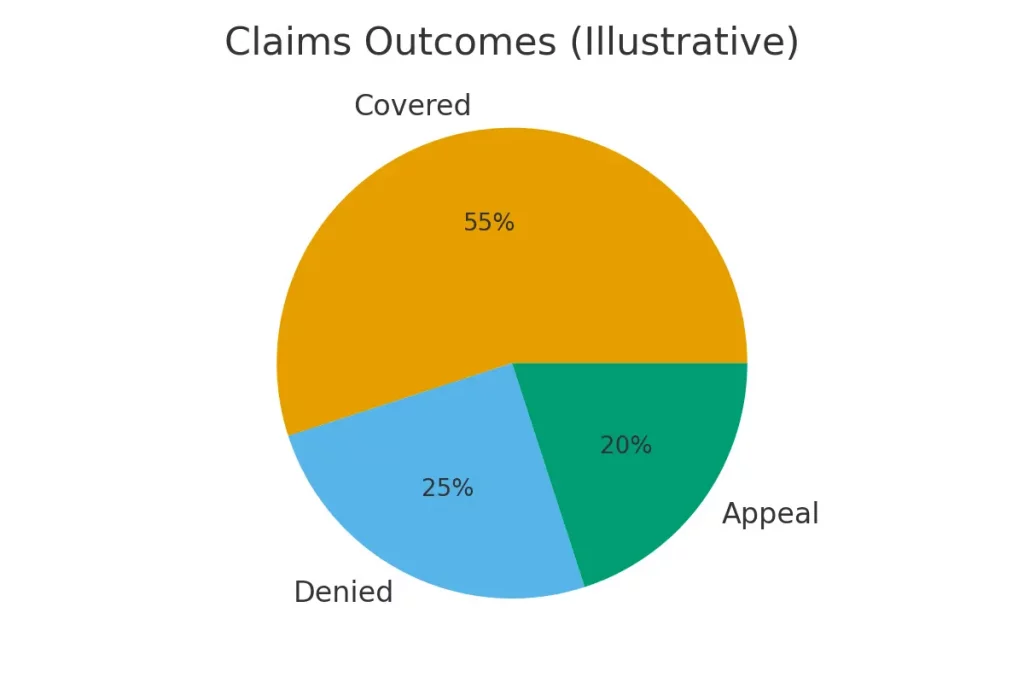
Appeals After Denials — Templates and Tactics is a practical approach to overturning insurance denials using documentation, timing, and medical necessity.It helps you understand: Why denials happen What insurers consider valid evidence How to request internal reviews, external reviews, and expedited appeals How appeal letters should be structured (with sample templates) How to use clinical […]
Embryo Cumulative Success Calculator — Interpreting Curves
Key Takeaways Cumulative success curves show your total chance of pregnancy or live birth across multiple embryos, not just one transfer. Age, embryo quality, and PGT-A testing significantly change the shape of success curves. An embryo calculator uses per-embryo probability + number of embryos to build a personalized cumulative estimate. Curves help set realistic expectations […]
