
Agency vs Attorney Roles — Who Does What
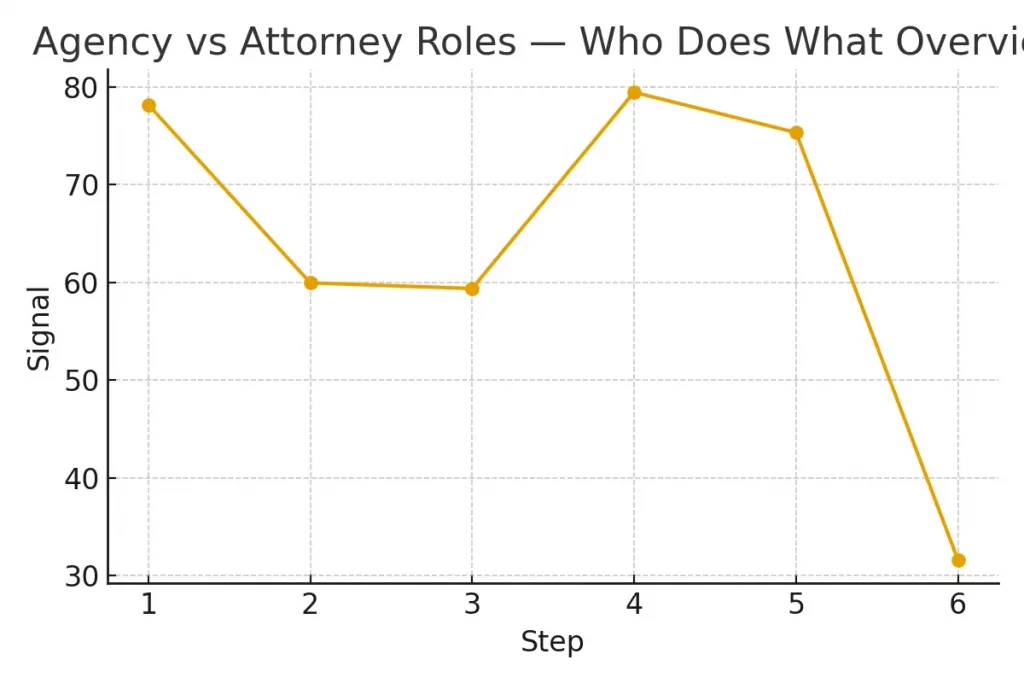
A practical guide to understanding the distinct roles, handoffs, and decision points that actually shape outcomes, budgets, and timelines—so you can move forward with confidence. What It Is Agency vs Attorney Roles — Who Does What explains, in plain English, how agencies and attorneys divide responsibilities throughout a US surrogacy journey. It clarifies which tasks […]
Travel vs Outcomes — When Distance is Worth It

This article explains travel vs outcomes — when distance is worth it within the Clinic Selection & Success Rates pathway. It focuses on the decisions that actually change outcomes, budgets, and timelines—so you can move forward with confidence. What It Is Travel vs Outcomes — When Distance Is Worth It in plain English: a framework […]
Pennsylvania Surrogacy Contracts: Legal Protection for Parents and Surrogates

A secure and transparent surrogacy journey begins with a strong contract. Pennsylvania Surrogacy Contracts are designed to protect both intended parents and surrogates, ensuring every detail is clarified before the medical process starts. Pennsylvania is one of the most supportive states for Gestational Surrogacy, making it easier for families to build trust, stability, and legal […]
Escrow Accounts — Releases, Audits, and Safeguards
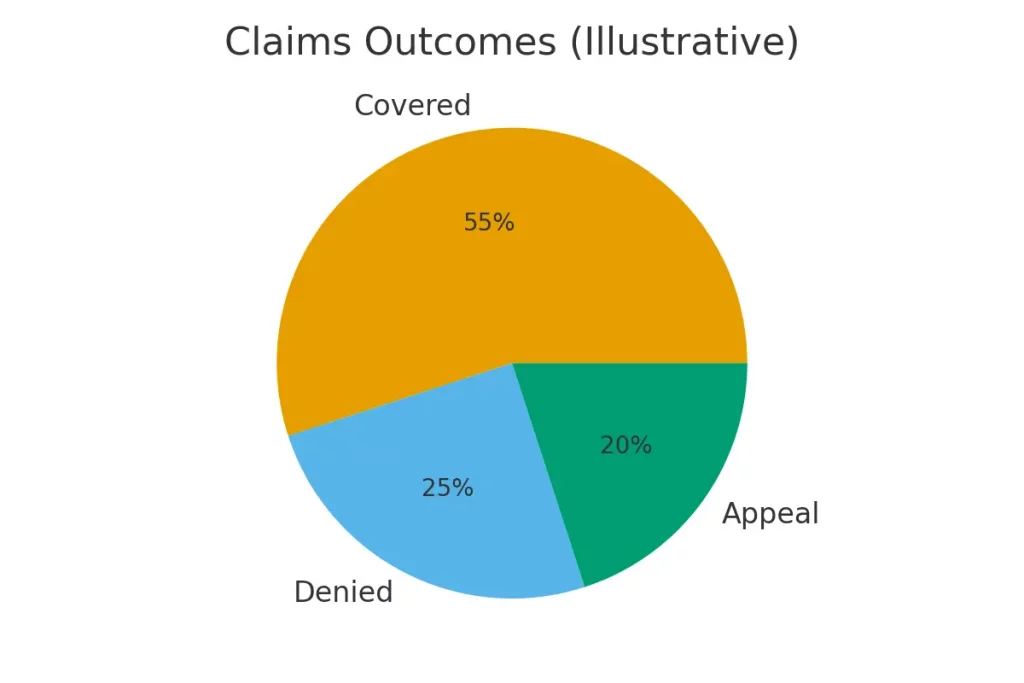
An escrow account is a neutral, regulated holding account used in surrogacy and third-party reproduction to protect everyone involved — intended parents, surrogates, agencies, and clinics. Funds sit in this independent account and are released only when pre-defined conditions are met. This structure influences: Budget predictability Legal compliance Timing of surrogate payments and reimbursements Smooth […]
Coordination with Oncology — Calendars and Clearances

Key Takeaways Fertility preservation must be synchronized with oncology treatment calendars, often within days. “Clearance” involves medical, logistical, and safety checks before ovarian stimulation, sperm banking, or tissue retrieval. Oncology–fertility coordination works best when teams communicate in real-time, not through slow referrals. Emergency pathways allow egg/sperm/tissue preservation without delaying chemo. Patients benefit from clear timelines: […]
Expected Outcomes — From Eggs to Live Birth Odds
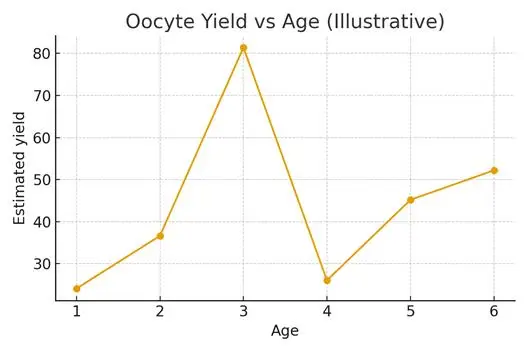
Egg freezing is ultimately about probabilities. Not every egg becomes an embryo, not every embryo is genetically normal, and not every transfer leads to a live birth. Knowing these conversion steps early helps you plan the right number of cycles and avoid surprises later. What It Is Expected Outcomes in Plain English Expected outcomes describe […]
Prednisone, Heparin, and Aspirin — Where They Fit
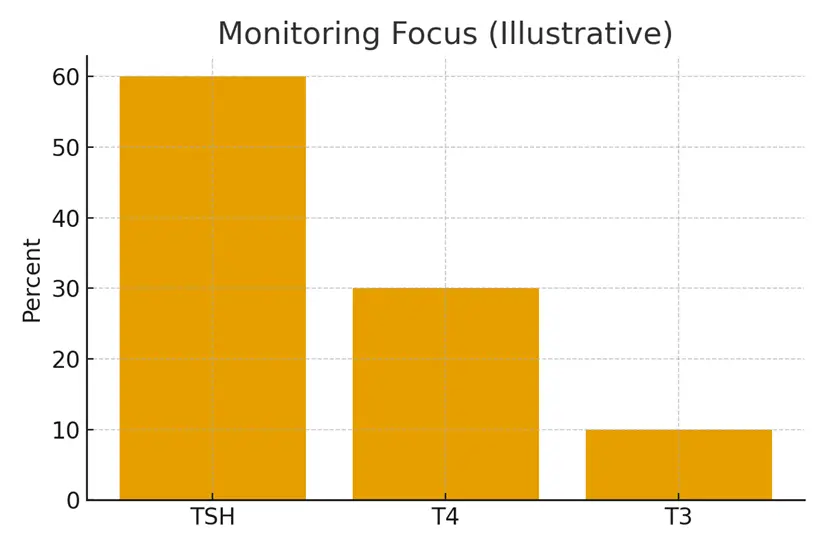
Key Takeaways Prednisone, Heparin, and Aspirin are supportive—not primary—treatments in IVF or surrogacy journeys. They are not universal medications; they work only when the medical need is clearly present. These drugs help in specific situations such as autoimmune activation, clotting disorders, implantation challenges, or recurrent pregnancy loss. Over-prescription can lead to complications, so individualized clinical […]
GnRH Agonists and Antagonists — Roles in Management
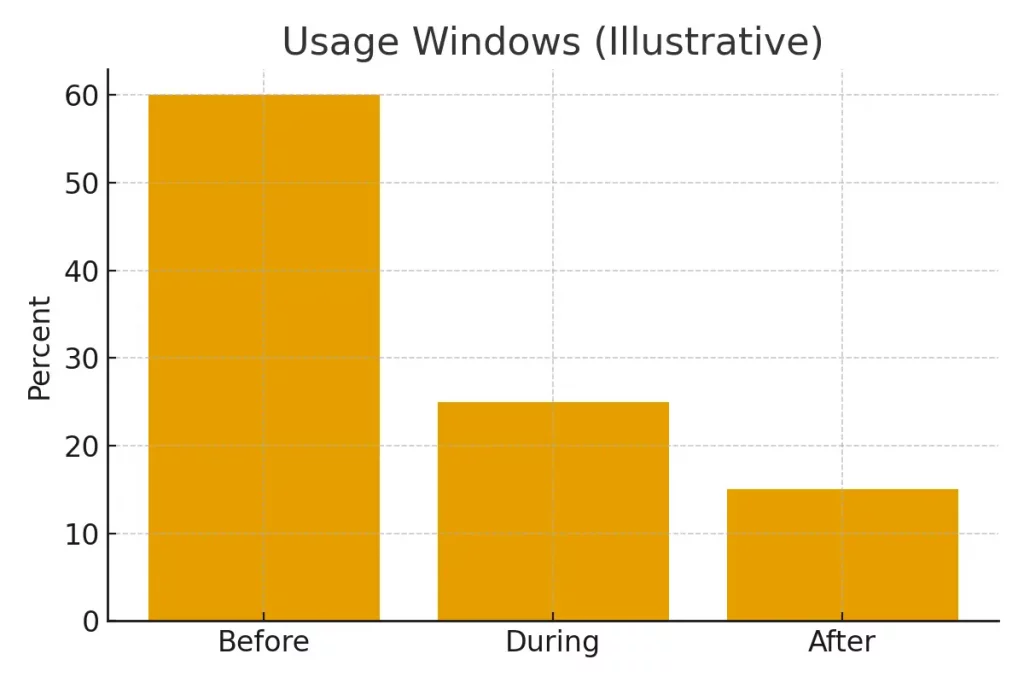
Key Takeaways GnRH agonists and antagonists regulate reproductive hormones, especially LH and FSH, crucial for controlled IVF stimulation. Agonists initially stimulate, then suppress hormone release; antagonists suppress immediately. Antagonists are preferred for short, flexible IVF cycles with reduced OHSS risk. Agonists are helpful for endometriosis, adenomyosis, fibroids, and long suppression protocols. Both agents are safe […]
Fresh vs FET — Matching to Uterine Health
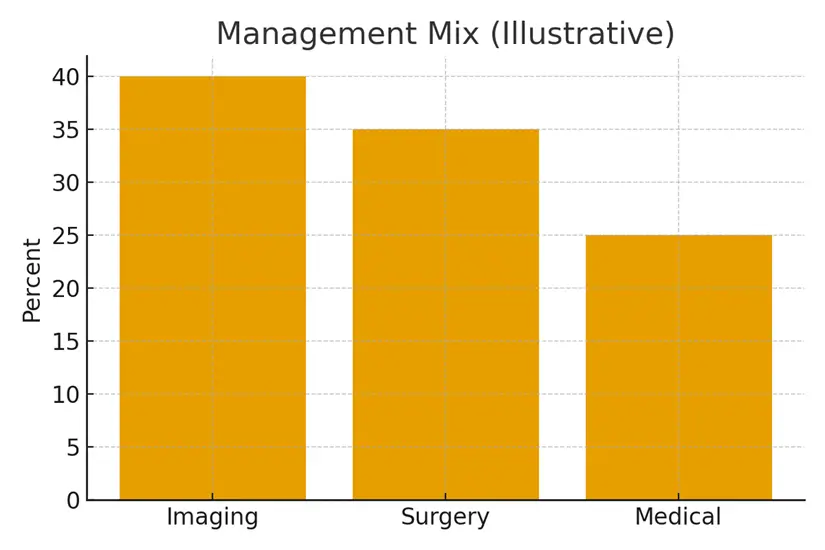
Key Takeaways Fresh and frozen embryo transfers work equally well—but only when matched correctly to uterine health and hormonal conditions. Fresh transfer is ideal when estrogen levels are balanced and the lining is naturally receptive. FET is preferred when high estrogen, ovarian hyperstimulation, thin lining, or inflammatory uterine conditions are present. FET allows more control, […]
Comparing Clinics — Apples‑to‑Apples Checklist
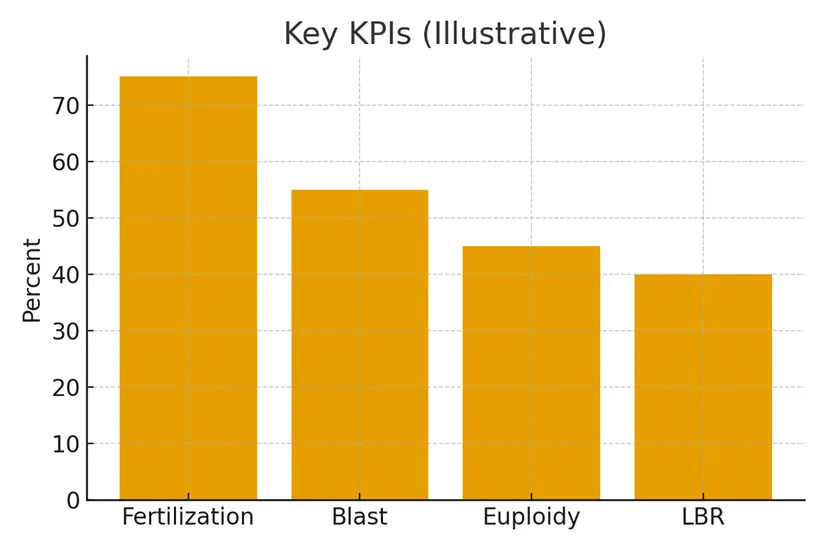
This article explains comparing clinics — apples-to-apples checklist within the Clinic Selection & Success Rates pathway. It focuses on the specific comparisons that actually change outcomes, budgets, and timelines—so you can move forward with confidence. What It Is Comparing Clinics — Apples-to-Apples Checklist in plain English: a structured way to evaluate clinics using consistent criteria, […]
