
For intended parents, one of the most anticipated milestones is being matched with a qualified surrogate. The matching process is the bridge between planning and beginning the medical journey, making it one of the most important phases of surrogacy.
While every match should prioritize compatibility and careful screening, an agency with an organized matching system and a strong pipeline of qualified surrogate candidates can help families move forward more efficiently.
In 2026, surrogacy match time has become one of the most valuable indicators when comparing surrogacy agencies.
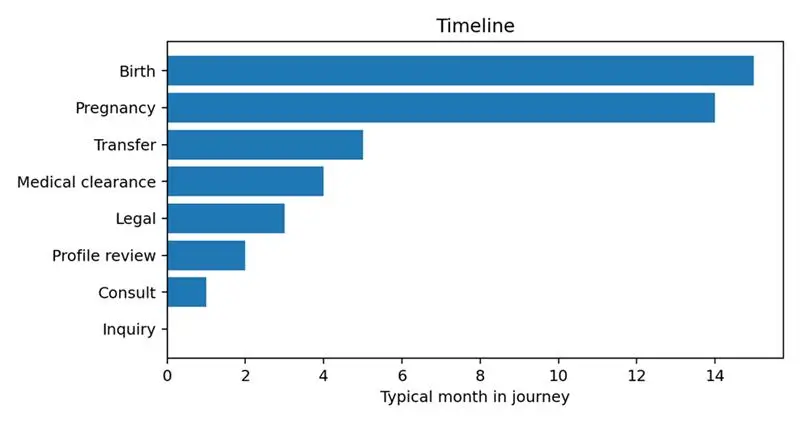
Figure 3: Visual decision aid for surrogacy match time: why faster matching can change the entire journey.
Quick Summary
| Factor | Why It Matters |
| Qualified Surrogate Pipeline | Reduces unnecessary waiting |
| Comprehensive Screening | Ensures safe and compatible matches |
| Efficient Case Management | Keeps the process organized |
| Legal Coordination | Prevents avoidable delays |
| Medical Readiness | Supports timely IVF planning |
| Communication | Keeps intended parents informed throughout |
Why Match Time Matters
Every month spent waiting for a surrogate match can affect planning, treatment schedules, finances, and emotional well-being.
Although speed should never compromise quality, a well-organized agency can often reduce delays by maintaining a continuously screened pool of surrogate candidates and structured matching procedures.
Efficient matching helps intended parents move from consultation to embryo transfer planning with greater confidence and clarity.
What Influences Surrogacy Match Time?
Several factors determine how quickly a match can occur.
1. Availability of Qualified Surrogates
Agencies that actively recruit and screen surrogate candidates may be better positioned to present compatible profiles without lengthy delays.
A healthy candidate pipeline allows intended parents to review suitable options sooner.
2. Comprehensive Screening Systems
Quality screening includes:
- Medical evaluation
- Psychological assessment
- Previous pregnancy history
- Lifestyle review
- Background verification
- Family support assessment
When screening is completed before matching, the overall journey often progresses more smoothly.
3. Intended Parent Preferences
Specific preferences regarding location, experience, insurance, communication style, or personal characteristics may influence matching timelines.
Greater flexibility can sometimes increase the number of compatible candidates available.
4. Medical Readiness
Embryos prepared for transfer, completed fertility evaluations, and organized medical documentation help prevent unnecessary delays after matching.
Preparation on the intended parents’ side contributes significantly to overall efficiency.
5. Legal Coordination
Contracts and legal reviews should begin promptly after a successful match.
Agencies with experienced legal coordination teams often help streamline this stage and reduce administrative delays.
Benefits of Faster Matching
Emotional Benefits
Waiting can be emotionally challenging for intended parents who have often experienced infertility or previous treatment setbacks.
An efficient matching process provides reassurance and renewed momentum toward family building.
Better Planning
Earlier matching allows families to coordinate:
- IVF scheduling
- Travel arrangements
- Legal documentation
- Insurance planning
- Employment leave
- Financial preparation
Improved planning reduces stress throughout the pregnancy journey.
Greater Treatment Efficiency
When surrogate screening, legal preparation, and medical coordination are aligned, fertility clinics can move forward with embryo transfer planning more efficiently.
Organized timelines reduce unnecessary interruptions between key milestones.
Faster Does Not Mean Rushed
One common misconception is that faster matching compromises quality.
In reality, efficient agencies invest heavily in proactive recruitment and screening so qualified surrogate candidates are ready before intended parents begin their search.
The goal is preparedness—not shortcuts.
Every surrogate should still undergo appropriate medical, psychological, and legal evaluation before proceeding.
Questions to Ask About Match Time
When comparing agencies, consider asking:
- How many fully screened surrogate profiles are currently available?
- What is the average matching timeline?
- What factors affect waiting periods?
- How often are new surrogate candidates added?
- What happens if the first match is not successful?
- Will additional matching fees apply if rematching is needed?
- How is compatibility evaluated?
These questions provide valuable insight into an agency’s operational readiness.
Common Reasons for Delayed Matching
Delays may occur because of:
- Limited surrogate recruitment
- Incomplete screening processes
- Highly restrictive intended parent preferences
- Legal documentation delays
- Medical readiness issues
- Poor communication
- Administrative inefficiencies
Understanding these factors helps families set realistic expectations.
Comparison Table
| Efficient Matching System | Less Organized Process |
| Active surrogate recruitment | Limited candidate availability |
| Pre-screened profiles | Screening begins after inquiry |
| Dedicated case management | Fragmented coordination |
| Clear communication | Irregular updates |
| Organized legal preparation | Delayed documentation |
| Streamlined medical coordination | Scheduling bottlenecks |
How Organized Case Management Improves Match Time
Experienced case managers coordinate communication between intended parents, surrogates, fertility clinics, attorneys, and support professionals.
Responsibilities often include:
- Tracking milestones
- Scheduling appointments
- Managing documentation
- Facilitating communication
- Coordinating legal processes
- Preparing for embryo transfer
Centralized coordination helps reduce delays caused by miscommunication or administrative gaps.
Practical Consultation Checklist
Before choosing an agency, ask:
✔ How many screened surrogate candidates are available today?
✔ What is the average matching timeline?
✔ How are surrogates screened?
✔ What happens if a match falls through?
✔ Who coordinates legal and medical milestones?
✔ Will I have a dedicated case manager?
✔ How frequently will I receive updates?
✔ Are rematching policies clearly explained?
Keeping this checklist during consultations can help compare agencies more effectively.
Frequently Asked Questions
Q. Why is surrogacy match time important for intended parents?
A. Surrogacy match time affects the overall timeline of the family-building journey. An agency with a strong pipeline of qualified, pre-screened surrogate candidates and an organized matching process can help intended parents move more efficiently toward embryo transfer and pregnancy.
Q. Does faster surrogate matching mean lower screening standards?
A. No. A reputable agency should never sacrifice quality for speed. Faster matching typically results from proactive surrogate recruitment and comprehensive screening systems that prepare qualified candidates before they are presented to intended parents.
Q. What factors can affect surrogacy match time?
A. Several factors influence match time, including surrogate availability, intended parent preferences, medical readiness, legal coordination, and the agency’s screening and case management processes. These factors work together to determine how quickly a suitable match can be made.
Q. How can intended parents improve their chances of a faster match?
A. Being flexible with certain preferences, completing fertility evaluations, preparing embryos in advance, and submitting all required documentation promptly can help streamline the matching process and reduce unnecessary delays.
Q. How do I speak with Surrogacy4All?
A. Call 212-661-7673 to discuss your family-building goals, surrogate matching timeline, available program options, estimated costs, and the next steps in your surrogacy journey.
Final Thoughts
Surrogacy match time is about more than speed—it reflects the strength of an agency’s recruitment strategy, screening procedures, case management, and operational organization.
An agency with qualified surrogate availability, efficient communication, and structured coordination can help intended parents navigate the journey with greater confidence while maintaining the highest standards of care and compatibility.
Rather than focusing only on advertised timelines, families should evaluate the systems behind the matching process to make an informed and well-supported decision.
Get in touch with Surrogacy4All at (212) 661-7673 or email info@surrogacy4all.com and take the first step toward parenthood today.

Dr. Kulsoom Baloch
Dr. Kulsoom Baloch is a dedicated donor coordinator at Egg Donors, leveraging her extensive background in medicine and public health. She holds an MBBS from Ziauddin University, Pakistan, and an MPH from Hofstra University, New York. With three years of clinical experience at prominent hospitals in Karachi, Pakistan, Dr. Baloch has honed her skills in patient care and medical research.
- Dr. Kulsoom Baloch

- Dr. Kulsoom Baloch
- Dr. Kulsoom Baloch
- Dr. Kulsoom Baloch