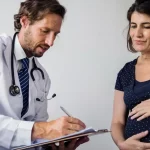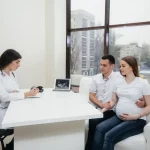

Becoming a surrogate mother is a generous and life-changing decision. If you’re considering surrogacy in Nevada, it’s important to understand the process, surrogate requirements, and the support available to you. Nevada is known for its strong legal framework and support systems for surrogates. This blog outlines the steps to become a surrogate, the eligibility criteria, and what you can expect in terms of surrogate compensation.
Eligibility to Become a Surrogate Mother in Nevada
Before starting the surrogate process, it’s essential to meet certain eligibility criteria. These requirements ensure that you are physically, emotionally, and mentally ready for the journey.
1- Age:
To become a surrogate mother, you must be between the ages of 21 and 39. This age range ensures that you are at a healthy stage in life to carry a pregnancy.
2- Health:
Good physical health is crucial. You should have a healthy body mass index (BMI) and no serious medical conditions. It’s important that you have a history of healthy pregnancies and no complications.
3- Previous Pregnancy:
Most agencies require that you’ve already carried a pregnancy to full term. Your previous pregnancies should have been without complications and resulted in healthy births.
4- Emotional Readiness:
Being a surrogate is an emotionally demanding experience. Agencies assess whether you are emotionally prepared for the surrogacy journey and can manage the challenges that may arise.
The Surrogate Screening Process
The surrogate process involves several key screening steps to ensure that both the surrogate mother and the intended parents are comfortable and well-prepared.
1- Medical Screening:
This includes a physical exam, blood tests, and screenings for diseases or conditions that could affect the pregnancy. Your overall health, including reproductive health, is assessed.
2- Psychological Evaluation:
A psychological evaluation ensures that you’re mentally prepared for the journey. This step ensures that you understand the emotional aspects of surrogacy and that you’re prepared for the process.
3- Background Check:
You’ll undergo a criminal background check and review of your lifestyle choices. The goal is to ensure a safe and healthy environment for the baby and all involved parties.
Surrogate Mother Compensation in Nevada
One of the most important factors to consider when becoming a surrogate mother is surrogate compensation. In Nevada, compensation for surrogates is typically generous, considering the emotional, physical, and time commitments involved.
1- First-Time Surrogate Compensation:
First-time surrogate compensation typically ranges from $30,000 to $50,000, depending on the surrogate’s experience and the specific terms of the surrogacy agreement.
2- Average Surrogate Compensation:
The average surrogate compensation in Nevada can go up to $80,000 for experienced surrogates. This includes compensation for the surrogate’s time, medical expenses, and other reimbursements.
3- Surrogate Mother Payment:
Surrogate mother payment is generally paid in installments during the pregnancy. Payments cover medical expenses, travel, lost wages, and the surrogate mother price, which is her compensation for carrying the baby.
4- Additional Benefits:
Some surrogacy agencies offer additional reimbursements for medical care, psychological counseling, and travel expenses. These benefits are designed to ensure the surrogate’s well-being and comfort throughout the process.
How Does a Surrogate Work in Nevada?
A surrogate is responsible for carrying the pregnancy to term. During the gestational surrogacy process, the surrogate undergoes medical treatments to support the pregnancy. This typically involves IVF, where an embryo is created using the intended mother’s egg and the father’s sperm (or donor sperm).
The surrogate will undergo regular medical checkups to ensure fetal viability by week and the pregnancy is progressing healthily. Once the pregnancy is full-term, the surrogate will deliver the baby, and parental rights are legally transferred to the intended parents through a pre-birth order.
Explore More
- Find a Surrogate in the USA
- Find a Surrogate in Canada
- Become a Surrogate
- Egg Donor Options in the USA
- Indian Egg Donors
- Patients Medical – Wellness & Fertility
FAQs:
Q- What are the requirements to become a surrogate mother in Nevada?
Ans : To become a surrogate mother, you must be between 21 and 39, have healthy pregnancies, meet medical criteria, and be emotionally prepared.
Q- How much do surrogates get paid in Nevada?
Ans : Surrogate compensation in Nevada ranges up to $80,000, depending on the surrogate’s experience and the complexity of the surrogacy process.
Q- How does a surrogate work in Nevada?
Ans : A surrogate mother carries the child of intended parents using an embryo created through IVF. She undergoes medical treatments and monitors the pregnancy.
Q- What is the cost of surrogacy in Nevada?
Ans : The cost of gestational surrogacy in Nevada typically ranges from $120,000 to $180,000, covering medical, legal, and surrogate compensation.
Q- What is the psychological screening for surrogates?
Ans : Psychological screening assesses the surrogate’s emotional readiness for the surrogacy process and ensures she understands the challenges and emotional aspects of carrying another person’s child.
Conclusion:
Becoming a surrogate mother in Nevada is a rewarding and impactful experience. If you meet the eligibility criteria and are prepared for the emotional and physical demands, surrogacy can be a beautiful way to help others build their families. Working with a trusted Nevada surrogacy agency like Surrogacy4All ensures that you’re fully supported throughout the entire journey. If you’re interested in learning more about becoming a surrogate, contact Surrogacy4All at (212) 661-7673 for personalized guidance.

Dr. Kulsoom Baloch
Dr. Kulsoom Baloch is a dedicated donor coordinator at Egg Donors, leveraging her extensive background in medicine and public health. She holds an MBBS from Ziauddin University, Pakistan, and an MPH from Hofstra University, New York. With three years of clinical experience at prominent hospitals in Karachi, Pakistan, Dr. Baloch has honed her skills in patient care and medical research.
- Dr. Kulsoom Baloch

- Dr. Kulsoom Baloch
- Dr. Kulsoom Baloch
- Dr. Kulsoom Baloch