
Egg vs Embryo Freezing — Decision Framework
Key Takeaways Egg freezing preserves reproductive potential independently, while embryo freezing requires sperm and preserves a fertilized embryo. Embryo freezing generally has higher success rates, but egg freezing offers greater flexibility. Ideal choice depends on age, ovarian reserve, relationship status, financial planning, and long-term family goals. Both options are safe, widely available, and increasingly recommended […]
Hashimoto’s and Hypothyroidism — Levothyroxine Basics
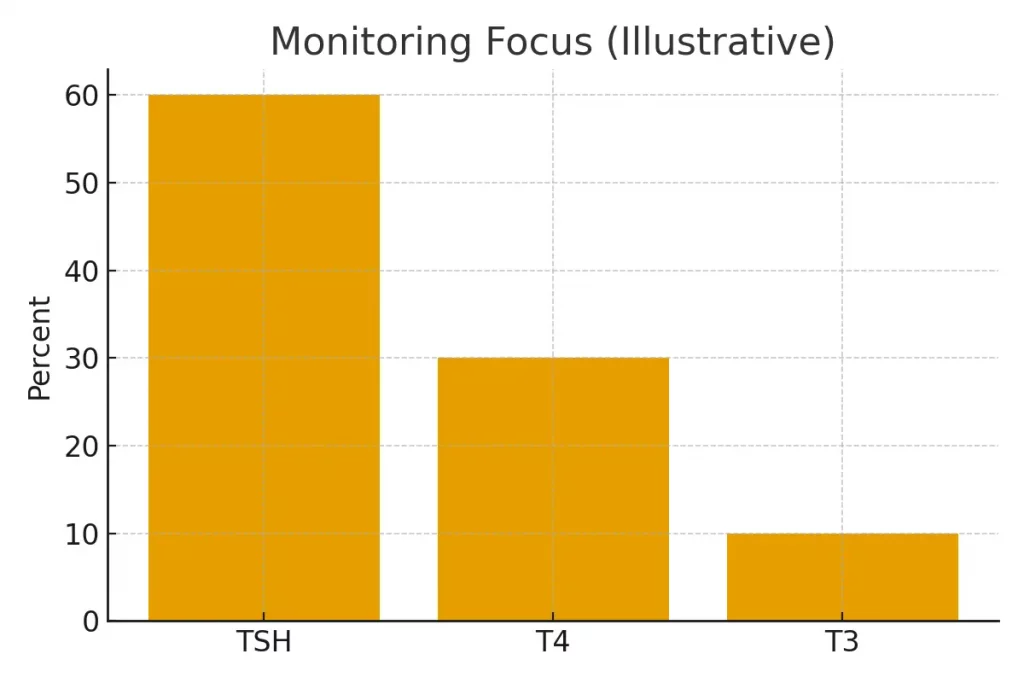
Key Takeaways Hashimoto’s is the most common cause of hypothyroidism and can impact fertility and pregnancy. Levothyroxine is the standard, safe, and effective treatment for both hypothyroidism and Hashimoto’s. Ideal TSH levels before pregnancy should be 1.0–2.5 mIU/L. Pregnant women and surrogates require frequent thyroid monitoring every 4–6 weeks. Treating hypothyroidism greatly improves chances of […]
Fertility Clinics Near Me — Seattle (WA)
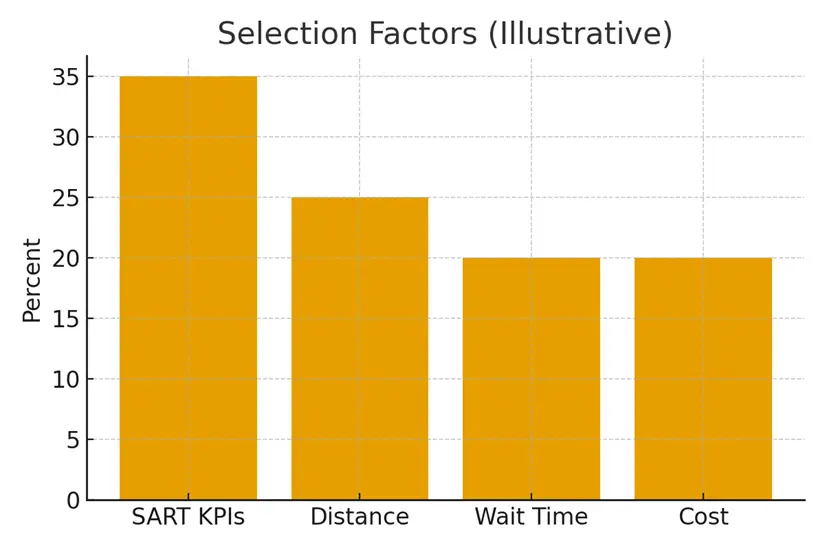
Key Takeaways Seattle is home to advanced fertility centers known for innovation and technology-driven treatment. Clinics offer comprehensive services including IVF, IUI, egg freezing, donor programs and surrogacy support. Costs in Seattle fall around the national average but vary based on protocols and add-ons. Clinic selection should be based on success rates, lab quality, physician […]
Ovarian Rejuvenation: Exosomes & ADSC — Dual Guide
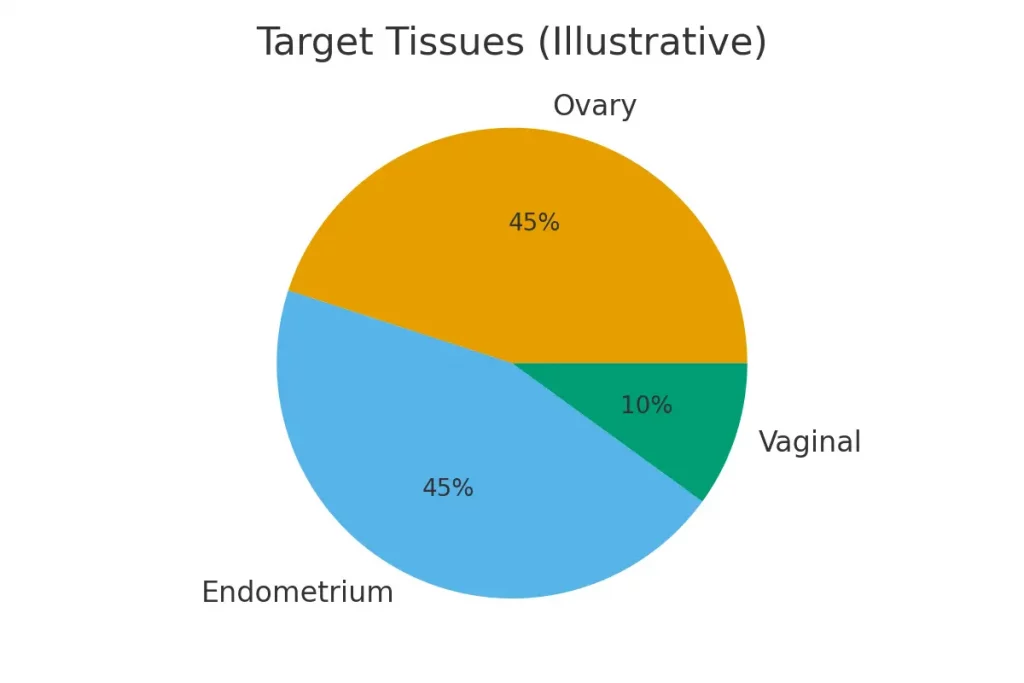
Key Takeaways Ovarian rejuvenation aims to improve ovarian reserve and egg quality Exosomes and ADSC (adipose-derived stem cells) are emerging therapies May enhance IVF outcomes for women with diminished ovarian reserve Supports safer and more effective surrogacy cycles Still considered experimental and requires expert guidance Female fertility declines with age or ovarian damage, creating challenges […]
Refund Program Break‑Even Tool — When It Pays
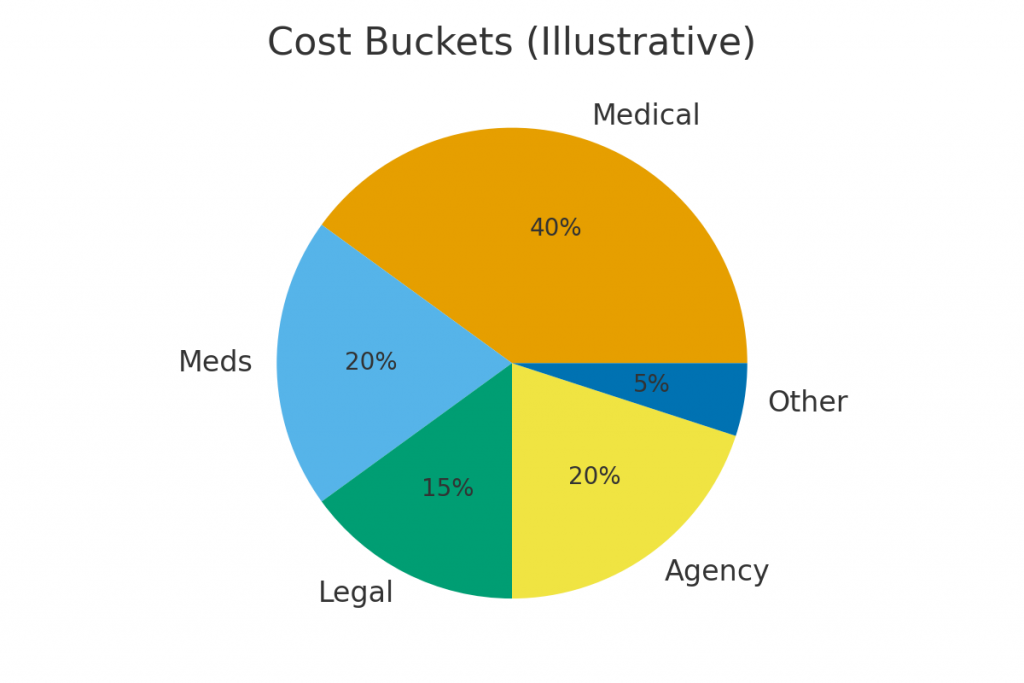
Key Takeaways Refund programs reduce financial risk for intended parents if a cycle fails. Surrogates can use a break-even tool to understand how payouts align with effort and timing. Understanding assumptions such as cycle success rates and agency fees is critical. The break-even point shows when costs equal expected refund protection benefits. Using the tool […]
Ovarian Tissue Cryopreservation (OTC) — When to Consider
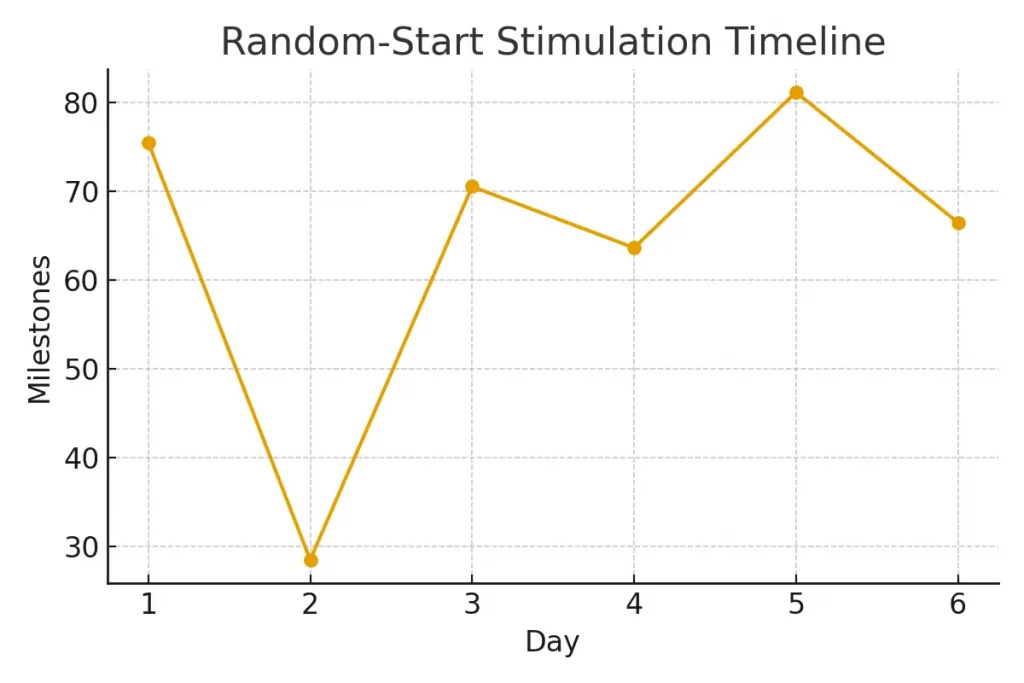
Key Takeaways Ovarian Tissue Cryopreservation (OTC) is the only fertility-preservation technique that works for pre-pubertal girls and patients who cannot delay treatment. OTC can be done within 24–48 hours, making it ideal for urgent medical situations. It preserves not just eggs—but hundreds to thousands of potential follicles. Transplanted ovarian tissue can restore hormones, restart cycles, […]
Grants and Scholarships — Where to Look

These are non-repayable financial supports that reduce the cost of fertility care—IVF, donor cycles, surrogacy steps, medications, or travel. They matter because they can: Lower out-of-pocket costs Change treatment sequencing Reduce delays Make more effective options affordable (e.g., PGT-A, donor gametes) Upstream decisions—accurate diagnosis, correct coding, and clinic choice—directly shape your eligibility and application success. […]
Miscarriage Risk Estimator — Age and Embryo Factors
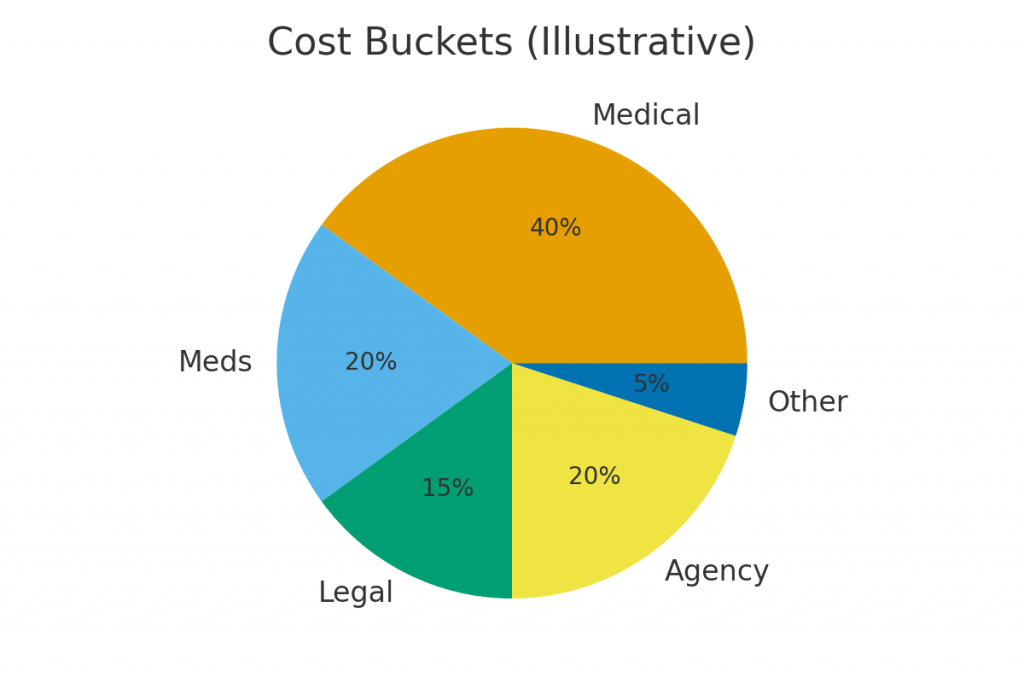
Key Takeaways Miscarriage risk increases with age primarily due to genetic abnormalities in embryos. Embryo quality, morphology, and PGT-A testing significantly influence miscarriage probability. A miscarriage estimator uses population data, IVF registries, chromosomal abnormality rates, and age-specific outcomes. The tool predicts probability, not certainty—each pregnancy is unique. Understanding the inputs helps intended parents make informed […]
Non‑Invasive PGT‑A (Spent Culture Media) — Dual Guide
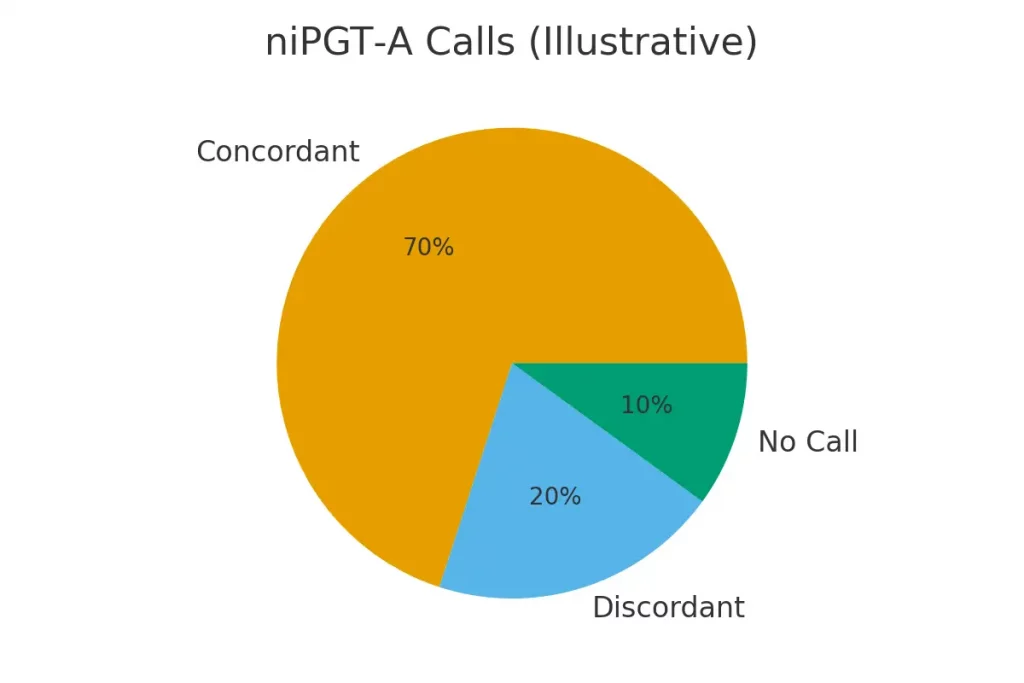
Key Takeaways Non-invasive PGT-A analyzes embryo DNA without biopsy Uses spent culture media collected during IVF Eliminates physical manipulation of the embryo May support safer embryo selection in surrogacy Still considered an emerging technology in fertility care Preimplantation Genetic Testing for Aneuploidy (PGT-A) has become a valuable tool in IVF, helping identify embryos with the […]
Semen Analysis Interpreter — TMSC and Morphology
Key Takeaways TMSC (Total Motile Sperm Count) is one of the most predictive indicators of male fertility. Morphology reviews the shape and structure of sperm, influencing fertilization ability. Online semen analysis interpreters help patients translate numbers into meaningful insights. Small deviations from “normal” often still allow for natural conception or IUI. IVF or ICSI may […]
