
Thin Lining — What Helps and What Doesn’t
Key Takeaways Thin lining (usually <7 mm) can reduce implantation rates, especially in FET cycles. Some interventions are backed by evidence—others are overused without proven benefit. Estrogen, blood flow optimization, and uterine-focused imaging are first-line strategies. PRP and stem cell therapies may help select patients but are not universal solutions. The underlying cause determines whether […]
Second Opinions — Imaging Review and Surgical Planning
Key Takeaways Second opinions prevent misdiagnosis and ensure treatment accuracy. Imaging reviews often reveal missed lesions or structural details critical to fertility. Proper surgical planning reduces risk, avoids unnecessary procedures, and improves outcomes. Patients benefit from multidisciplinary review—including radiology, reproductive endocrinology, and minimally invasive surgery experts. Clear imaging correlates directly with successful IVF, FET, hysteroscopy, […]
Clinic Comparison Scorecard — Weighted Factors
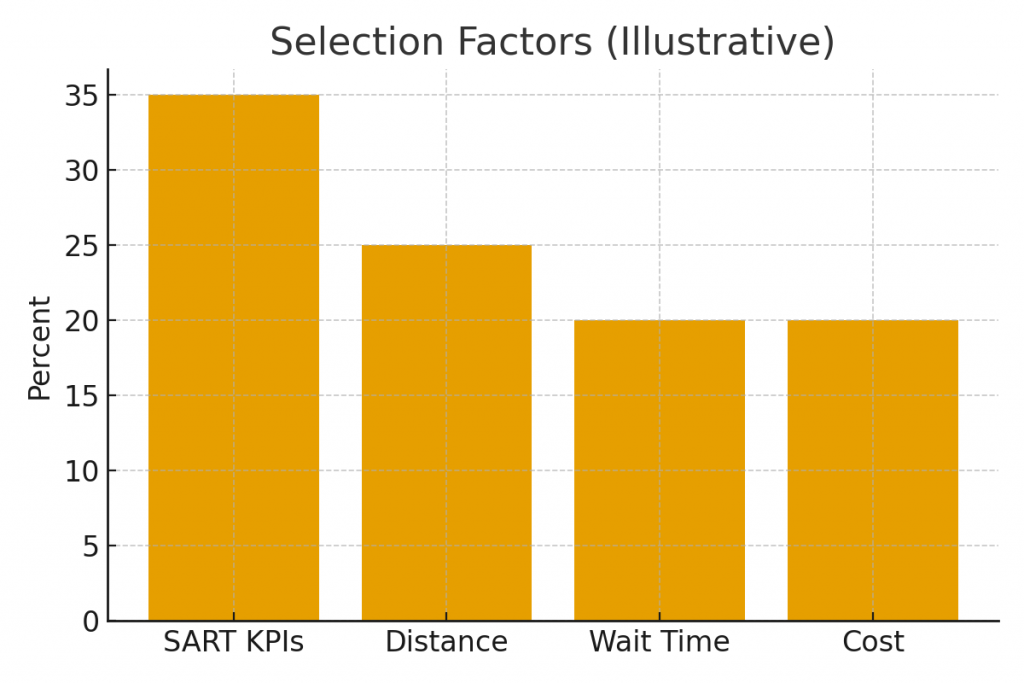
Key Takeaways A weighted scorecard helps intended parents and surrogates compare clinics objectively. Critical factors include success rates, medical expertise, transparency, patient experience, cost structure, compliance, and support. Weighting ensures that high-impact factors influence the final clinic score appropriately. A structured scoring tool prevents emotional or biased decision-making. Real-life case studies show how scorecards reduce […]
Bundled Packages — Pros, Cons, and Comparisons

A bundled package is a pre-set combination of services (e.g., retrieval + transfer + monitoring + meds + storage) purchased at one price. Some bundles reduce financial uncertainty, while others simply repackage the same care in a different billing format. Where it fits: When you want simplified billing or cost certainty When comparing self-pay, insurance, […]
Antiphospholipid Syndrome (APS) — Diagnosis and Care
Key Takeaways APS is an autoimmune condition that increases blood-clot risk and can cause miscarriages, preeclampsia, and implantation issues. Diagnosis requires both clinical history and specific antibody testing performed twice, 12 weeks apart. Treatment often combines low-dose aspirin, heparin, and monitoring, which dramatically improves pregnancy outcomes. Surrogates and intended parents can succeed with APS when […]
Miscarriage Risk and Autoimmunity — Honest Numbers
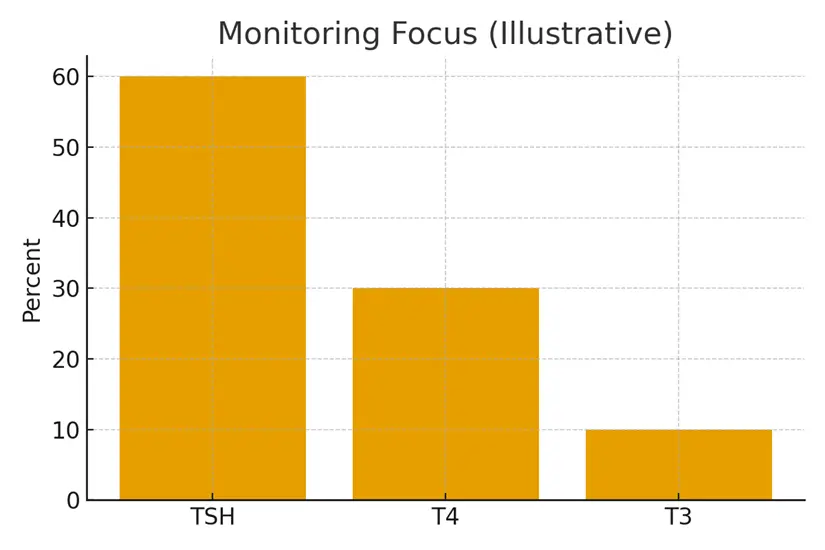
Key Takeaways Autoimmune issues increase miscarriage risk only in specific conditions — not all immune markers are harmful. The strongest evidence exists for Antiphospholipid Syndrome (APS), which raises miscarriage risk significantly. Thyroid antibodies can modestly elevate risk, but most cases lead to healthy pregnancies with proper management. ANA, NK cells, and many popular immune tests […]
Cost Predictability — Refund and Assurance Programs
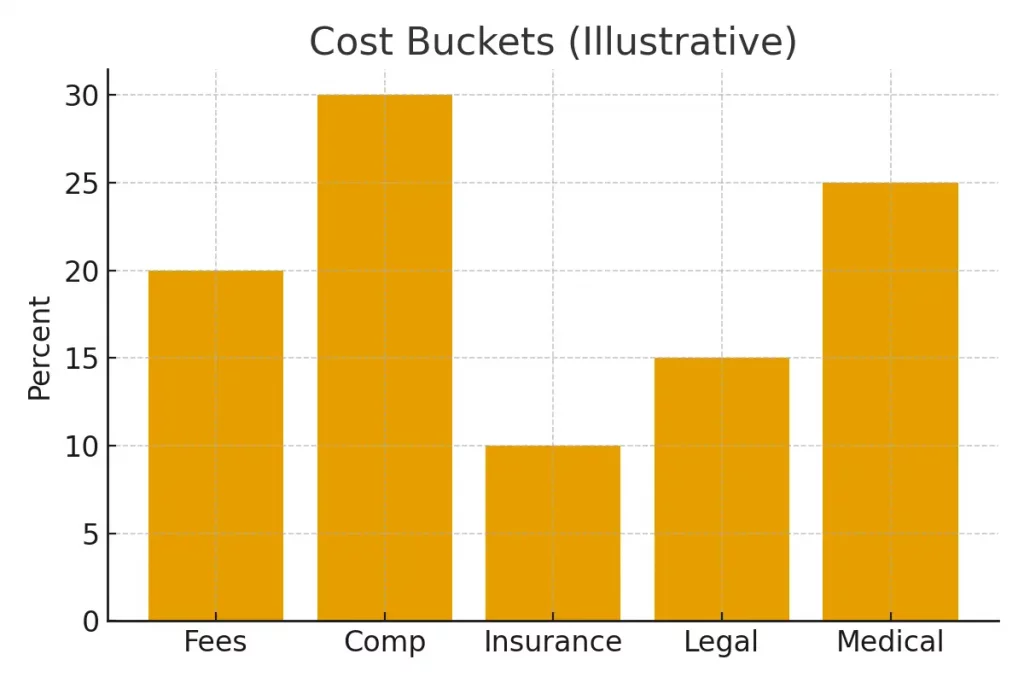
These programs package multiple IVF cycles into one upfront fee and offer either: A refund if you don’t take home a baby, or Assurance (guaranteed cycles or services) until a defined outcome is reached. They exist to remove financial uncertainty, protect patients from multiple unplanned payments, and align costs with results—not attempts.Upstream decisions like diagnosis […]
Storage Fee Calculator — Eggs, Embryos, Sperm
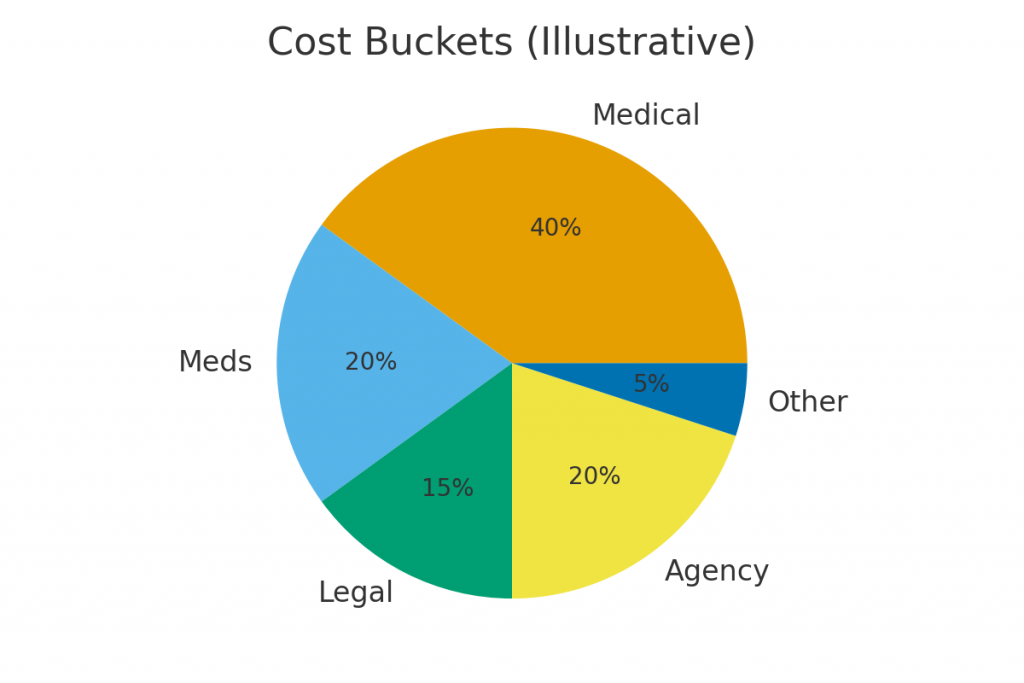
Key Takeaways Storage fees vary by region, technology, and clinic but usually fall between $300–$1,200 per year. Embryos often cost slightly more to store due to stricter regulations and monitoring. Long-term storage packages (3–10 years) often provide significant discounts. Choosing the right facility affects safety, access, and long-term flexibility. Planning ahead helps intended parents reduce […]
COCs and Pre‑op Preparation — Practical Uses
Key Takeaways COCs (combined oral contraceptives) are frequently used before IVF, hysteroscopy, and laparoscopic surgeries for cycle regulation and planning. They help suppress ovarian activity, reduce cyst formation, and optimize lining control. Pre-operative COC use allows clinics to schedule procedures more predictably. COCs improve safety for some patients by reducing bleeding, stabilizing hormones, and minimizing […]
Radiation and Shielding — Practical Issues
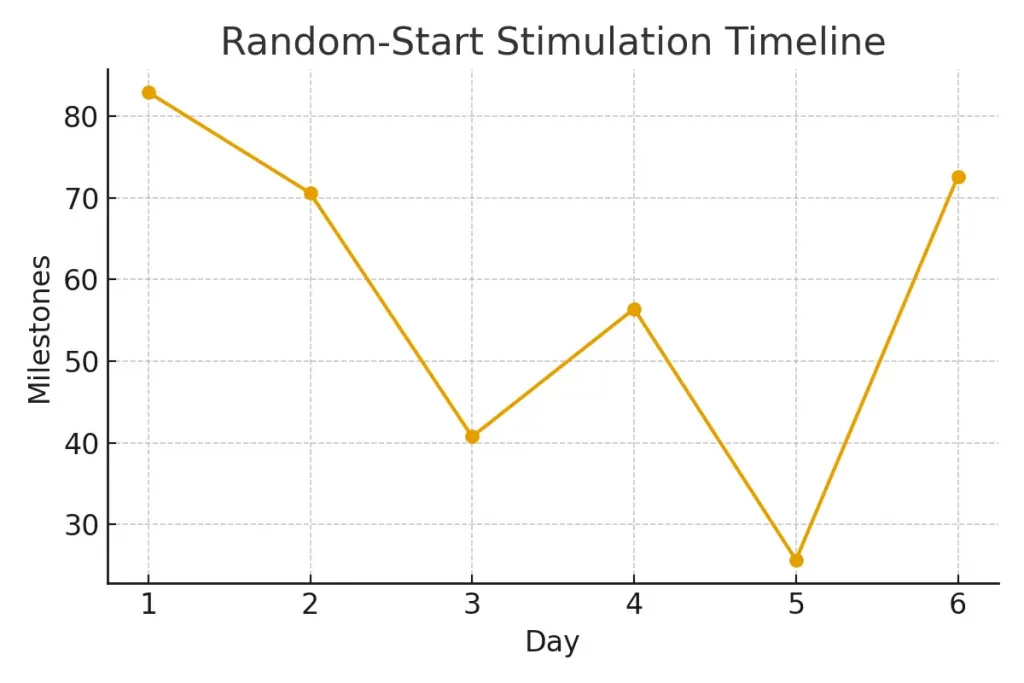
Key Takeaways Radiation exposure to the ovaries or testes can significantly reduce future fertility—shielding strategies can sharply lower the risk. Even “low-dose scatter radiation” can impact egg or sperm quality depending on treatment field and age. Proactive planning—shielding, ovarian transposition, sperm banking, and embryo/egg freezing—should be completed before radiation begins. Oncology and fertility teams must […]
