
Real‑World Scenarios — Case Studies by Budget
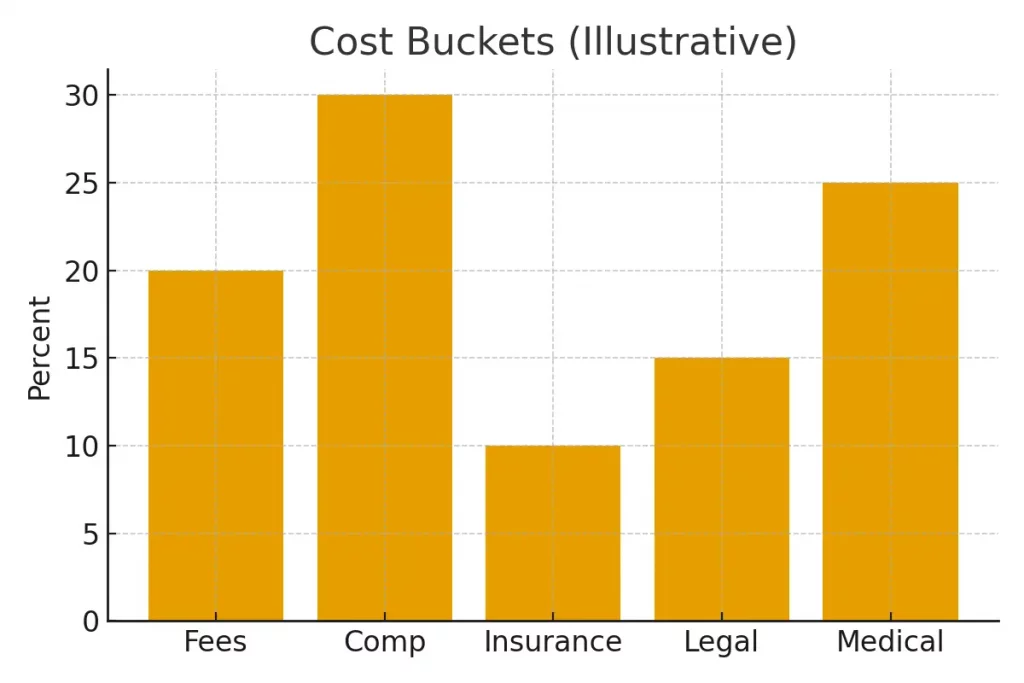
A side-by-side look at how different budgets change what’s possible in fertility care and family-building. It shows how upstream choices—clinic selection, insurance use, medication sourcing, financing, donor/surrogacy planning—directly affect downstream results, cash-flow, and emotional stress. You’ll see how families adapt within budgets ranging from lean, moderate, to expansive, and what trade-offs consistently matter most. Who […]
PGT‑A — Pros, Cons, and Timing Over 40
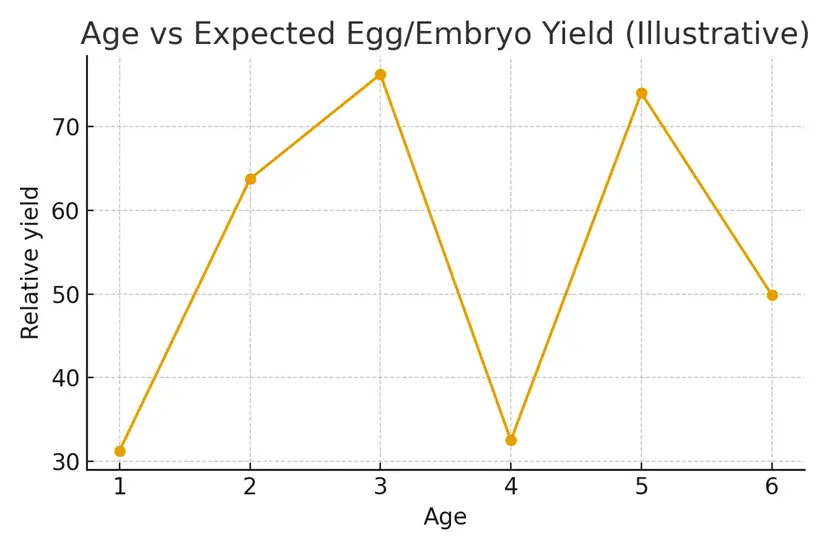
Key Takeaways PGT-A becomes more useful after age 40 due to higher aneuploidy rates. It can reduce miscarriage and shorten time-to-pregnancy in selected patients. It does not increase the number of embryos—it only tests what you already have. Timing matters: the test is most strategic when you have multiple embryos or limited time. It has […]
Fertility Clinics Near Me — San Diego (CA)
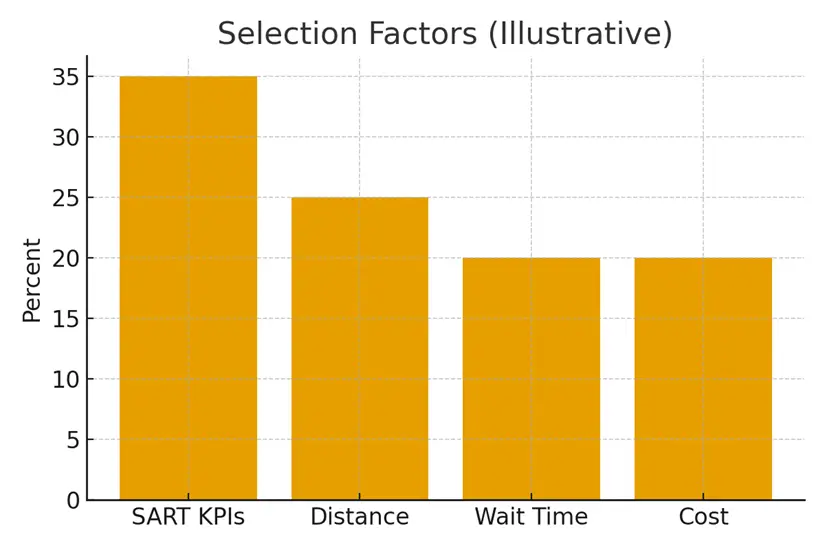
Key Takeaways San Diego hosts some of California’s most advanced fertility clinics, offering IVF, IUI, egg freezing, donor programs, and surrogacy support. Success rates vary widely—always review SART/CDC data while considering your age and diagnosis. Personalized care, lab quality, financial transparency, and communication are key factors in choosing the right clinic. Many clinics in San […]
Case Studies — Realistic Paths to Parenthood
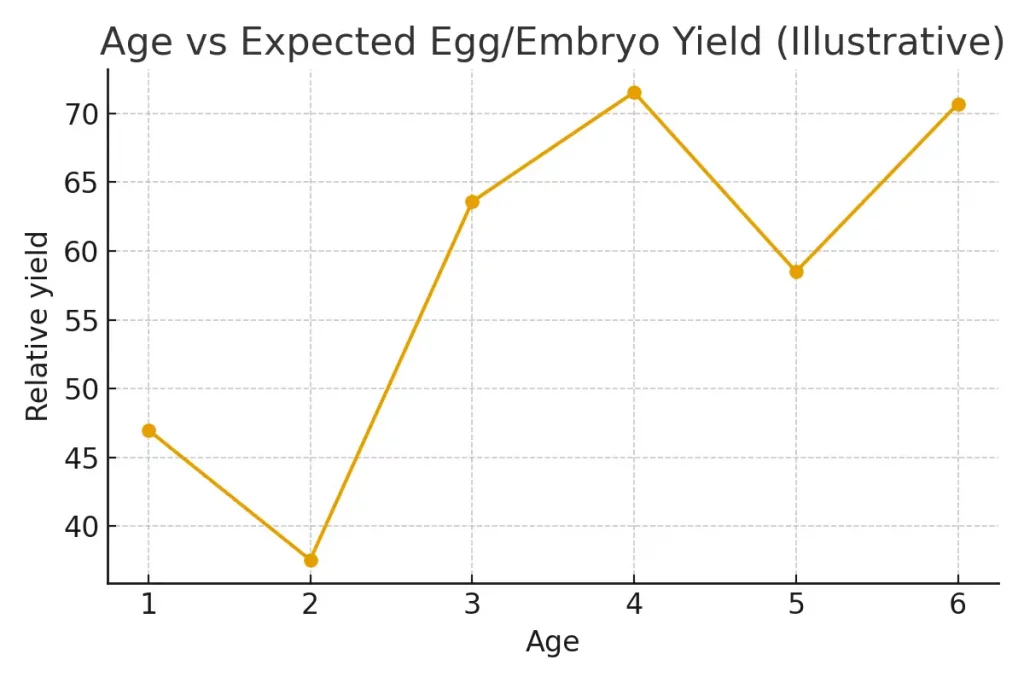
Key Takeaways Real case studies show what actually affects budgets, timelines, and outcomes. Most delays happen due to mismatched expectations—medical, legal, or emotional. Smooth journeys typically involve early decision-making and strong communication. Understanding red flags in advance can prevent thousands of dollars in unnecessary expenses. No two journeys look the same—but the successful ones share […]
When to Self‑Pay — Decision Framework
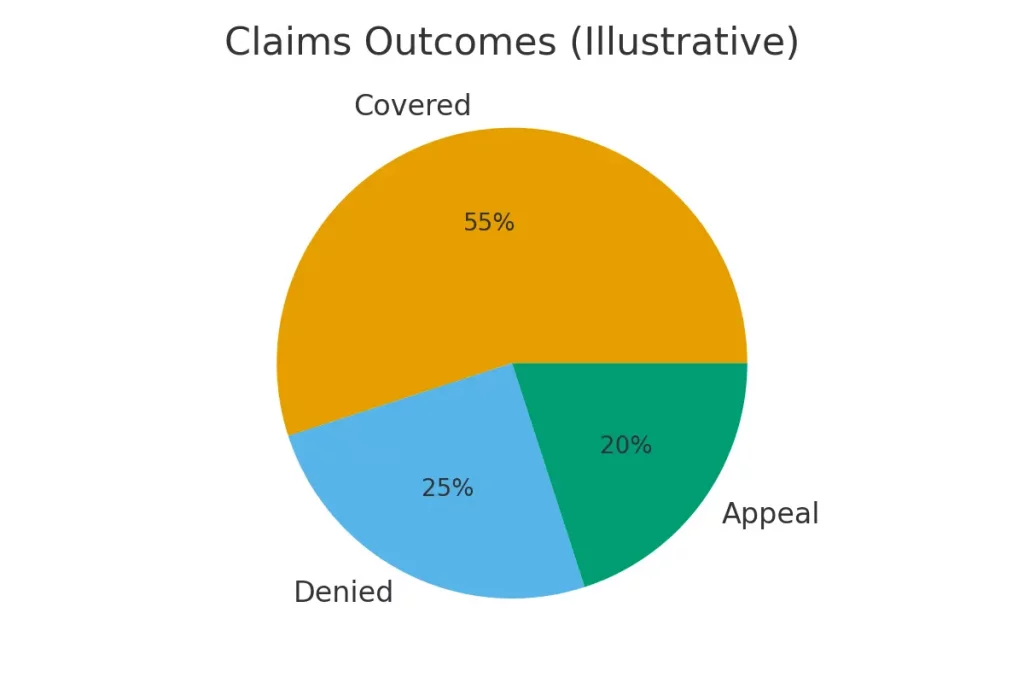
Self-pay means you choose to pay directly for certain services instead of running them through insurance, usually because: It’s cheaper It’s faster It avoids restrictions It provides more control over cycle timing, labs, or clinic options Where it fits: IVF, ICSI, FET Medications Monitoring ultrasounds Labs (AMH, infectious disease testing, PGT prep) Donor cycles or […]
Own Eggs vs Donor Eggs — Decision Framework
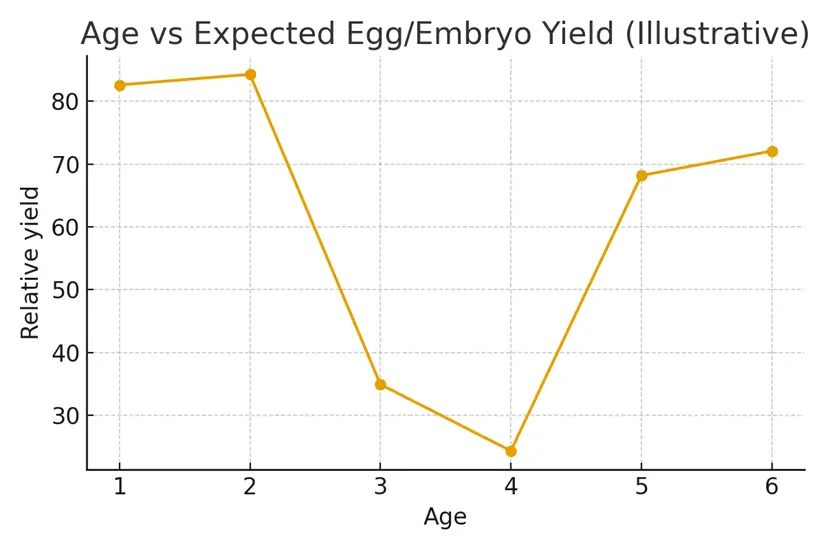
Key Takeaways Age and egg quality — not AMH alone — determine whether own eggs are a viable option. Multiple failed IVF cycles with abnormal embryos are strong indicators to consider donor eggs. Donor eggs offer the highest predictability, especially for intended parents over 40 or those preparing for surrogacy. Emotional readiness is as important […]
Male Autoimmunity — Less Discussed, Still Relevant
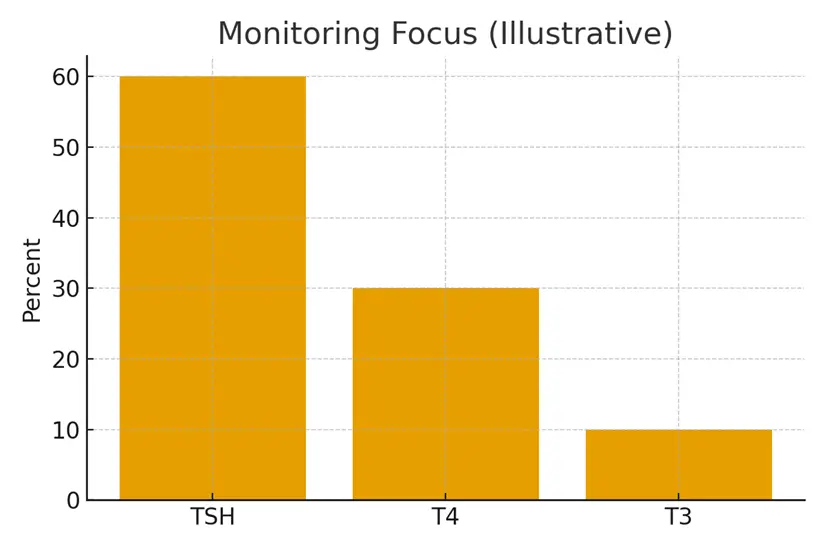
Key Takeaways Autoimmune disorders in men are underdiagnosed and frequently overlooked in fertility evaluations. Autoimmunity can impair sperm motility, morphology, mitochondrial function, and DNA integrity. Antisperm antibodies are rare but real — and not always clinically meaningful. Systemic autoimmune diseases (Hashimoto’s, psoriasis, rheumatoid arthritis, lupus) can affect sperm through inflammation rather than hormonal disruption. Treatments […]
Fertility Clinics Near Me — Phoenix (AZ)
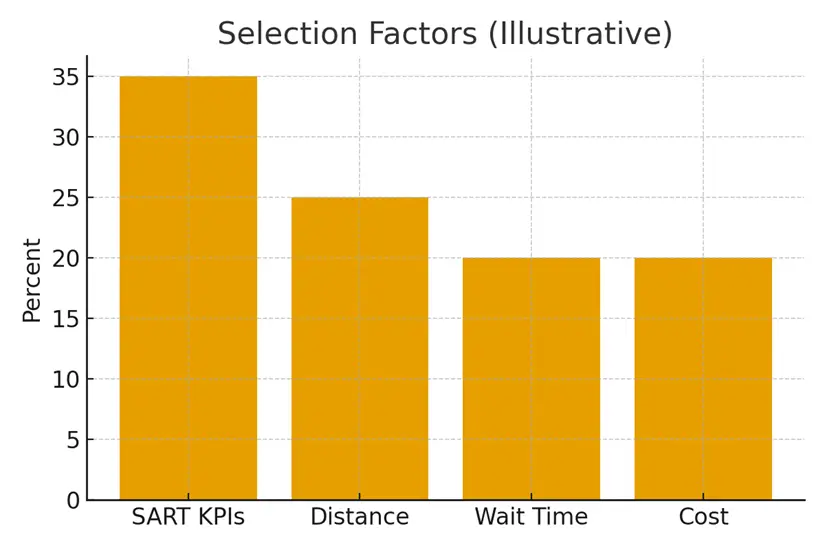
Key Takeaways Phoenix offers a wide range of fertility clinics providing IVF, IUI, egg freezing, donor programs, and surrogacy coordination. Success rates vary by clinic—always review SART/CDC data while considering your age and diagnosis. Choosing the “best” clinic depends on care quality, pricing transparency, lab technology, and patient-centered support. Top clinics in Phoenix specialize in […]
Negotiating with Providers — Scripts and Timing
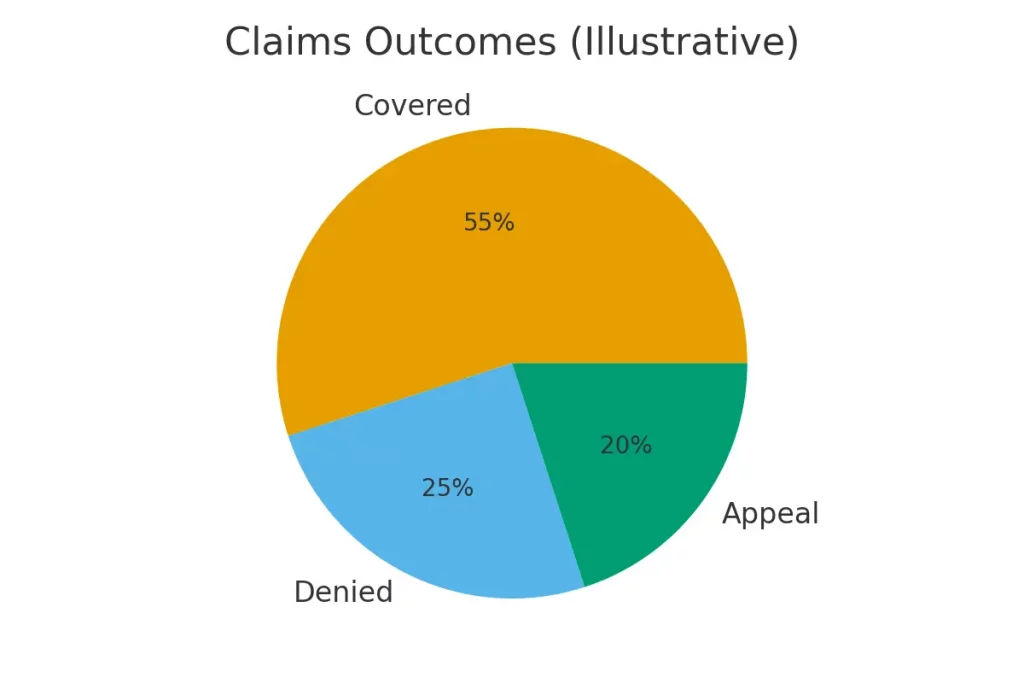
Line-item discipline means knowing every individual charge before it appears, verifying it with your clinic, insurer, and pharmacy—and confirming what triggers billing at each step. Where it fits: IVF, ICSI, PGT, donor cycles, surrogacy, FET Medication-heavy protocols Out-of-network clinics or multiple clinics Pre-authorizations, deductible resets, or employer benefits navigation What it changes: Reduces unexpected charges […]
Endometritis — Diagnosis and Treatment Basics
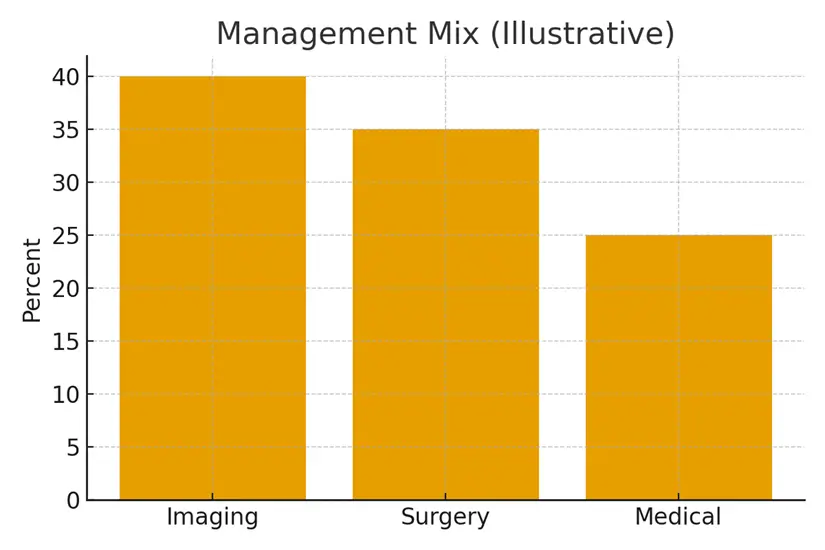
Key Takeaways Endometritis (especially chronic endometritis) can significantly reduce implantation and IVF success. The most accurate test is CD138 immunohistochemistry with culture or molecular PCR. Symptoms are often absent—most cases are diagnosed due to IVF failures. Treatment is typically antibiotics for 10–14 days, with a repeat biopsy to confirm cure. Treating endometritis can dramatically improve […]
