
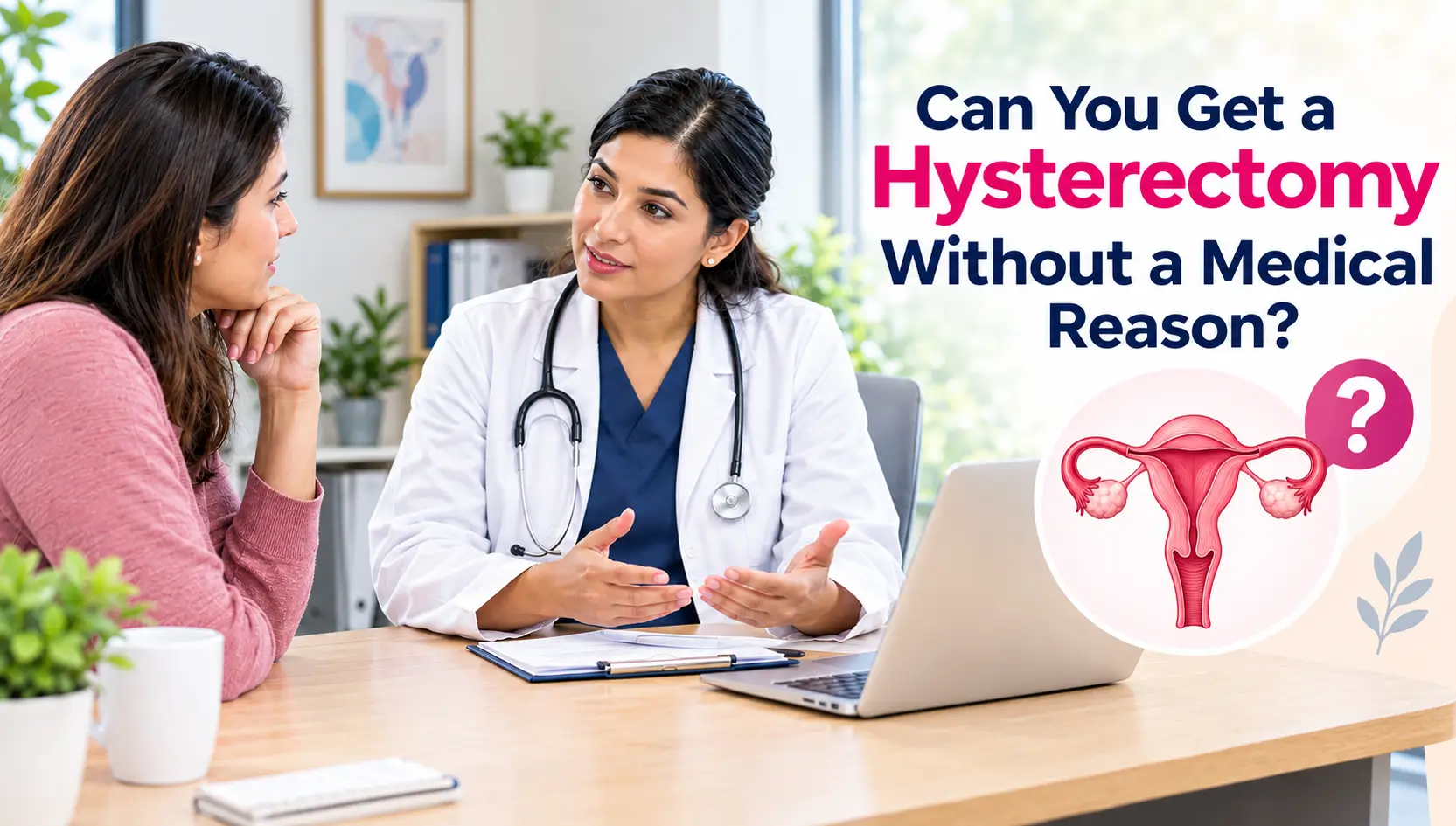
A hysterectomy is a major surgical procedure that involves removing the uterus. Many people think : can you get a hysterectomy without a reason, especially if they are experiencing personal concerns, lifestyle preferences, or want to avoid future reproductive issues.
The direct answer is — getting a hysterectomy without a medical or psychological reason is generally uncommon. Doctors usually recommend this major and permanent surgery when there is a clear health-related need. It is rarely performed only for personal preference, convenience, or elective sterilization.
Understanding why hysterectomy surgery is performed, the available options, and the possible effects can help you make an informed decision.
What Is a Hysterectomy?
The hysterectomy meaning is the surgical removal of the uterus. Since the uterus is the organ where pregnancy develops, removing it means a person will no longer be able to carry a pregnancy.
A hysterectomy may be performed to treat conditions such as :
- Uterine fibroids causing pain or heavy bleeding
- Endometriosis
- Uterine prolapse
- Abnormal uterine bleeding
- Certain cancers or precancerous conditions
- Chronic pelvic pain in selected cases
There are different types of hysterectomy surgery, including:
- Total abdominal hysterectomy: Removal of the uterus and cervix through an abdominal incision.
- Supracervical hysterectomy: Removal of the uterus while leaving the cervix in place.
- Radical hysterectomy: Removal of the uterus, cervix, surrounding tissues, and sometimes nearby structures, usually for cancer treatment.
Can You Have a Hysterectomy If You Are Healthy?
Some people ask for a hysterectomy even without a serious medical condition. For example, they may want to avoid future pregnancy, eliminate menstrual periods, or address ongoing discomfort.
However, a hysterectomy is permanent and involves risks. Doctors usually evaluate whether the benefits outweigh the potential risks before approving the procedure.
Before considering uterus removal surgery, your doctor may discuss other options, including medications, less invasive treatments, hormonal therapies, or procedures such as colposcopy and biopsy, depending on your symptoms.
What Happens After a Hysterectomy?
Recovery varies depending on the surgical method used. The hysterectomy recovery time can range from a few weeks to several months.
For example:
- Laparoscopic hysterectomy recovery timeline: Often shorter because it uses smaller incisions.
- Total abdominal hysterectomy recovery: May require more healing time due to the larger abdominal incision.
- Vaginal hysterectomy procedure: Recovery may also be quicker compared with traditional abdominal surgery.
Many people ask how long is a hysterectomy recovery or what recovery looks like. During recovery, doctors usually recommend gradual movement, walking after hysterectomy, avoiding heavy lifting, and following instructions about exercise post hysterectomy.
Possible Side Effects and Body Changes After Hysterectomy
Like any major surgery, hysterectomy can have possible side effects.
Common experiences may include :
- Fatigue after hysterectomy
- Temporary cramps after hysterectomy
- Abdominal swelling after hysterectomy
- Discomfort or pain after hysterectomy
- Changes in vaginal discharge during healing
Some people also notice changes related to hormones, especially if the ovaries are removed. A menopause caused by hysterectomy can happen when both ovaries are removed because the body no longer produces the same levels of reproductive hormones.
If ovaries are left in place, hormone production may continue, although some people experience changes. Possible long-term effects of hysterectomy with ovaries left can vary from person to person.
Can You Get Pregnant After a Hysterectomy?
A common question is can you get pregnant after a hysterectomy. After the uterus is removed, pregnancy is not possible because there is no uterus to support a pregnancy.
However, if someone is interested in having biological children after hysterectomy, options may include fertility treatments involving previously preserved eggs or gestational surrogacy. Some people also explore options such as Donating Eggs After Hysterectomy, depending on their health and whether their ovaries are functioning.
Life After Hysterectomy
Many people return to normal activities after healing. The timeline for returning to work, exercise, driving after hysterectomy, and sexual activity varies.
Questions about sex after a hysterectomy, body changes after uterus removal, and emotional adjustment are common. Most healthcare providers recommend waiting until healing is complete before resuming sexual activity.
Lifestyle habits such as regular movement, healthy nutrition, and following recovery guidance can support long-term well-being.
Some FAQs
Q. Are you able to get a hysterectomy without any medical reasons?
A. It may be possible in some situations or conditions, but doctors usually consider whether the procedure is medically appropriate. A hysterectomy is permanent & involves risks, so careful evaluation and discussion with a physician led are important.
Q. How painful is hysterectomy surgery?
A. Pain levels vary depending on the type of surgery and individual healing. Some people experience post hysterectomy pain, cramps, and discomfort during the early recovery period, which usually improves with time and more and more care.
Q. Do you still ovulate after hysterectomy?
A. If the ovaries are not removed, some people may continue to ovulate after hysterectomy. However, without a uterus, pregnancy cannot occur.
Q. Where does sperm go after hysterectomy?
A. After hysterectomy, sperm cannot reach the uterus because it has been removed. During sexual activity, sperm may remain in the vaginal canal and leave naturally.
Q. How long does recovery take after a hysterectomy?
A. The recovery period basically depends on the surgical approach. Many people recover within several weeks, but complete healing may take longer, especially after abdominal surgery.
Q. Can hysterectomy cause weight gain?
A. Some people report weight gain after hysterectomy, but the surgery itself does not directly cause weight gain in every case. Changes in activity levels, hormones, aging, & lifestyle terms may contribute.
Thus, A hysterectomy is a life-changing decision that needs careful consideration. Understanding the reasons for surgery, recovery expectations, & possible body changes can help you have a more informed conversation with your healthcare provider.

Dr. Veera Saghar
As an Egg Donor Coordinator, she plays a critical role in our company. Her background as a medical graduate from ISRA UNIVERSITY in Pakistan provides us with a solid foundation in the medical sciences. She has seven years of clinical experience practicing in the USA. This has given her firsthand experience when collaborating with patients and their families.
She is responsible for managing the process of egg donation from start to finish. We identify and screen potential egg donors.
- Dr. Veera Saghar

- Dr. Veera Saghar
- Dr. Veera Saghar
- Dr. Veera Saghar