
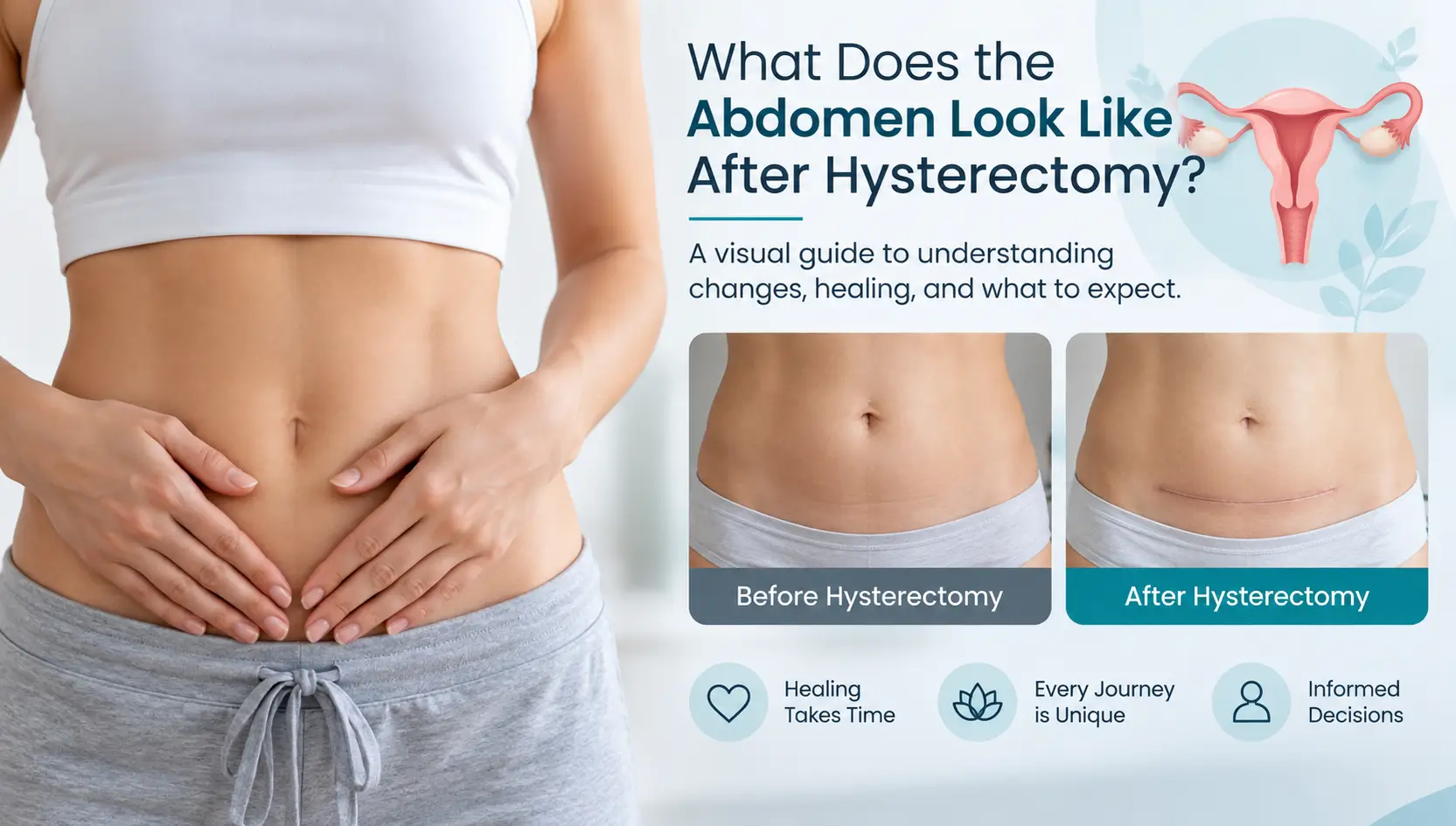
A hysterectomy is one of the most common gynecological surgeries performed to treat different conditions affecting the uterus. Many people considering this procedure have questions about what happens during surgery, how long recovery takes, possible side effects, and how life may change afterward.
The decision to have a hysterectomy is personal and depends on several factors, including the reason for surgery, symptoms, overall health, age, and available treatment options. For some people, the procedure can provide relief from years of pain, heavy bleeding, or other difficult symptoms.
This guide explains everything patients commonly want to know about hysterectomy surgery, including the different types, recovery process, possible side effects, and what to expect after uterus removal.
What Is a Hysterectomy?
A hysterectomy is a surgical procedure that removes the uterus. The uterus is the organ where a pregnancy develops, and removing it means a person will no longer have menstrual periods or be able to carry a pregnancy.
The exact procedure depends on the medical condition and the patient’s needs. In some cases, only the uterus is removed, while other procedures may also involve removing the cervix, fallopian tubes, or ovaries.
Before recommending surgery, doctors usually consider:
- The reason for the procedure
- The severity of symptoms
- Previous treatments
- Overall health condition
- Age and future health considerations
A hysterectomy may be performed to treat conditions that affect daily comfort, physical health, or quality of life.
Why Is Hysterectomy Surgery Performed?
Doctors may recommend hysterectomy surgery when other treatments have not provided enough relief or when surgery is considered the most appropriate option.
Common reasons include:
- Large or painful uterine fibroids
- Severe or ongoing menstrual bleeding
- Endometriosis-related symptoms
- Adenomyosis
- Uterine prolapse
- Certain gynecological cancers
- Chronic pelvic pain caused by uterine conditions
Some people ask, can you get a hysterectomy without a medical reason. In most cases, doctors or physicians carefully evaluate the benefits and risks before approving an elective procedure. A detailed discussion helps determine whether surgery is the right choice.
What Are the Different Types of Hysterectomy Surgery?
There are several types of hysterectomy procedures. The main difference is which reproductive organs are removed.
Complete Hysterectomy
A complete hysterectomy usually involves removing the entire uterus and cervix.
This is one of the most commonly performed forms of hysterectomy. It may be recommended when both the uterus and cervix need to be removed due to medical concerns.
Supracervical Hysterectomy
A supracervical hysterectomy removes the upper part of the uterus while keeping the cervix in place.
The choice depends on the patient’s condition, surgical goals, and the doctor’s recommendation.
Radical Hysterectomy
A radical hysterectomy is a more extensive procedure generally used for certain cancer treatments.
It may involve removing:
- The uterus
- Cervix
- Nearby tissues
- Sometimes surrounding lymph nodes
Because it involves more extensive tissue removal, recovery may require additional time and monitoring.
Total Abdominal Hysterectomy
A Total abdominal hysterectomy is performed through an incision made in the lower abdomen.
This approach may be considered when:
- The uterus is enlarged
- Large fibroids are present
- More surgical access is needed
- Other methods are not suitable
The abdominal incision can affect recovery time compared with less invasive techniques.
What Are the Different Ways Hysterectomy Is Performed?
Apart from the type of hysterectomy, surgeons may choose different approaches depending on the patient’s condition.
Abdominal Hysterectomy
During abdominal surgery, the doctor removes the uterus through an incision in the lower abdomen.
This method may provide better access in complex cases but often requires a longer healing period.
Vaginal Hysterectomy
A vaginal hysterectomy procedure removes the uterus through the vaginal canal without making a large abdominal incision.
The general vaginal hysterectomy steps include:
- Accessing the uterus through the vaginal opening
- Separating supporting tissues
- Removing the uterus
- Closing the surgical area
This approach may allow faster recovery for some patients.
Laparoscopic or Robotic Hysterectomy
A laparoscopic approach uses small abdominal incisions and a camera to guide the surgeon.
A minimally invasive hysterectomy may offer advantages such as:
- Smaller incisions
- Less visible scarring
- Shorter hospital stay
- Faster recovery in suitable cases
However, this option is not appropriate for everyone. Doctors decide the safest approach based on individual health factors.
How Long Does Hysterectomy Recovery Take?
One of the most common concerns patients have is how long is a hysterectomy recovery.
The recovery period depends on:
- Type of surgery
- Surgical technique
- Age
- Overall health
- Whether additional procedures were performed
The average hysterectomy recovery time may range from a few weeks to several months depending on the procedure.
Generally:
- Minimally invasive surgeries often have shorter recovery periods.
- Vaginal procedures may allow quicker healing.
- Abdominal procedures usually require more time because of the larger incision.
Even if someone feels better quickly, internal tissues continue healing for several weeks.
Recovery From Hysterectomy Week by Week
Understanding recovery stages can help patients know what changes are expected.
First Week After Surgery
During the first week, the body focuses on healing.
Common experiences include:
- Abdominal discomfort
- Low energy
- Mild bleeding
- Difficulty moving comfortably
- Need for extra rest
Doctors often encourage gentle movement, such as short walks, to support circulation.
Weeks 2 to 3 After Hysterectomy
Many people notice gradual improvement during this stage.
Possible changes include:
- Reduced pain
- Better mobility
- Increased energy
However, fatigue after hysterectomy can still happen because the body is repairing internal tissues.
It is important to avoid pushing yourself too quickly.
Weeks 4 to 6 After Hysterectomy
Many patients begin returning to normal routines during this period.
People often ask, how should I feel 5 weeks after hysterectomy.
At this stage, many may experience:
- Improved movement
- Less discomfort
- More energy
However, some restrictions may continue depending on medical advice.
Three Months After Hysterectomy
Recovery continues beyond the first few weeks.
When thinking what to expect 3 months after hysterectomy, many people experience:
- Greater comfort
- Improved daily function
- Continued adjustment to body changes
Some individuals may still need follow-up care depending on their symptoms.
Pain After Hysterectomy: What Is Normal?
Pain is basically common concern after surgery.
Pain after hysterectomy is expected because the body needs time to heal. The intensity depends on the surgical method and individual recovery.
Common discomfort may include:
- Lower abdominal soreness
- Incision tenderness
- Pelvic pressure
- Muscle discomfort
Post hysterectomy pain usually improves gradually.
Contact your healthcare provider if pain:
- Suddenly becomes severe
- Gets worse instead of better
- Occurs with fever
- Happens with heavy bleeding
Are Cramps Normal After Hysterectomy?
Some people experience cramps after hysterectomy during the healing process.
This may happen because:
- Internal tissues are recovering
- Pelvic muscles are adjusting
- The body is healing after surgery
Mild cramps usually improve over time.
Bleeding and Discharge After Hysterectomy
Some bleeding and discharge can occur during recovery.
Is Discharge Normal After Hysterectomy?
Light discharge after hysterectomy can be part of normal healing.
However, medical advice should be considered if discharge:
- Has a strong smell
- Becomes heavy
- Happens with fever or severe pain
Bright Red Bleeding After Hysterectomy
Some patients worry about bright red bleeding 3 weeks after hysterectomy.
While mild spotting can occur, bright red bleeding must be discussed with a healthcare provider, especially if it is increasing or associated with pain.
Abdominal Swelling After Hysterectomy
Temporary swelling is common during recovery.
Abdominal swelling after hysterectomy may happen because of:
- Internal healing
- Gas after laparoscopic surgery
- Reduced activity
- Fluid changes
Gentle walking, hydration, and following recovery instructions can help.
Let’s Read: Exercise After Hysterectomy, Laparoscopic Recovery, Body Changes, Side Effects, and Life After Uterus Removal
After the initial healing period, many people have questions about returning to normal activities, exercising safely, understanding body changes, and managing possible long-term effects after hysterectomy.
Recovery is not only about the surgical wound healing. The body also needs time to adjust internally. Factors such as the type of surgery, age, overall health, and whether the ovaries were removed can influence the recovery experience.
Exercise and Daily Activities After Hysterectomy
Physical activity plays an important role in rebuilding strength after surgery. However, returning to exercise too quickly can increase discomfort and delay healing.
The right time to restart activities depends on:
- The type of hysterectomy performed
- How quickly your body heals
- Your doctor’s recovery instructions
- Any complications after surgery
When Can You Exercise After Hysterectomy?
Many people ask about exercise for after hysterectomy because they want to know when they can return to their normal routine.
In general:
- Gentle movement may begin soon after surgery
- Walking is usually encouraged during early recovery
- More intense workouts should wait until healing progresses
- Heavy lifting may need to be avoided for several weeks
A gradual approach helps protect healing tissues and prevents unnecessary strain.
Exercise Post Hysterectomy: What Activities Are Safe?
When your healthcare provider approves activity, you can slowly increase movement.
Common recovery-friendly activities may include:
- Short walks
- Gentle stretching
- Light household activities
- Gradual strength exercises
The goal is to rebuild stamina without causing pain or excessive fatigue.
Stop and seek medical advice if exercise causes:
- Increasing pain
- Heavy bleeding
- Severe discomfort
- Unusual symptoms
Walking After Hysterectomy
Walking after hysterectomy is often one of the first activities recommended during recovery.
Walking can help:
- Improve blood circulation
- Reduce stiffness
- Support digestion
- Maintain muscle strength
- Lower the risk of complications related to inactivity
Start with short distances and slowly increase based on comfort.
Driving After Hysterectomy
Many patients wonder about driving after hysterectomy and when it is safe to return behind the wheel.
You may be ready to drive when:
- You are no longer taking strong pain medication
- You can comfortably sit for longer periods
- You can react quickly without pain
- You can safely operate pedals and controls
The timing varies depending on the individual and type of surgery.
Sleeping Position After Hysterectomy
Finding a comfortable position can be difficult during early recovery.
A supportive sleeping position after hysterectomy may include:
- Sleeping on your back
- Placing a pillow under your knees
- Using extra support around your body
- Avoiding pressure on the abdominal area
Comfort is important because quality sleep supports healing.
Laparoscopic Hysterectomy Recovery Timeline
A laparoscopic hysterectomy recovery timeline is often shorter compared with traditional abdominal surgery because it uses smaller incisions.
Recovery usually happens gradually.
Early Recovery Stage
During the first stage:
- Patients may begin walking soon after surgery
- Mild abdominal discomfort is common
- Small incisions begin healing
Middle Recovery Stage
During the following weeks:
- Daily activities become easier
- Pain usually decreases
- Energy levels improve gradually
Later Recovery Stage
As healing continues:
- Exercise can slowly increase
- Normal routines may resume
- Strength and confidence return
A laparoscopy for hysterectomy may reduce visible scarring, but internal healing still requires time.
What Does the Abdomen Look Like After Hysterectomy?
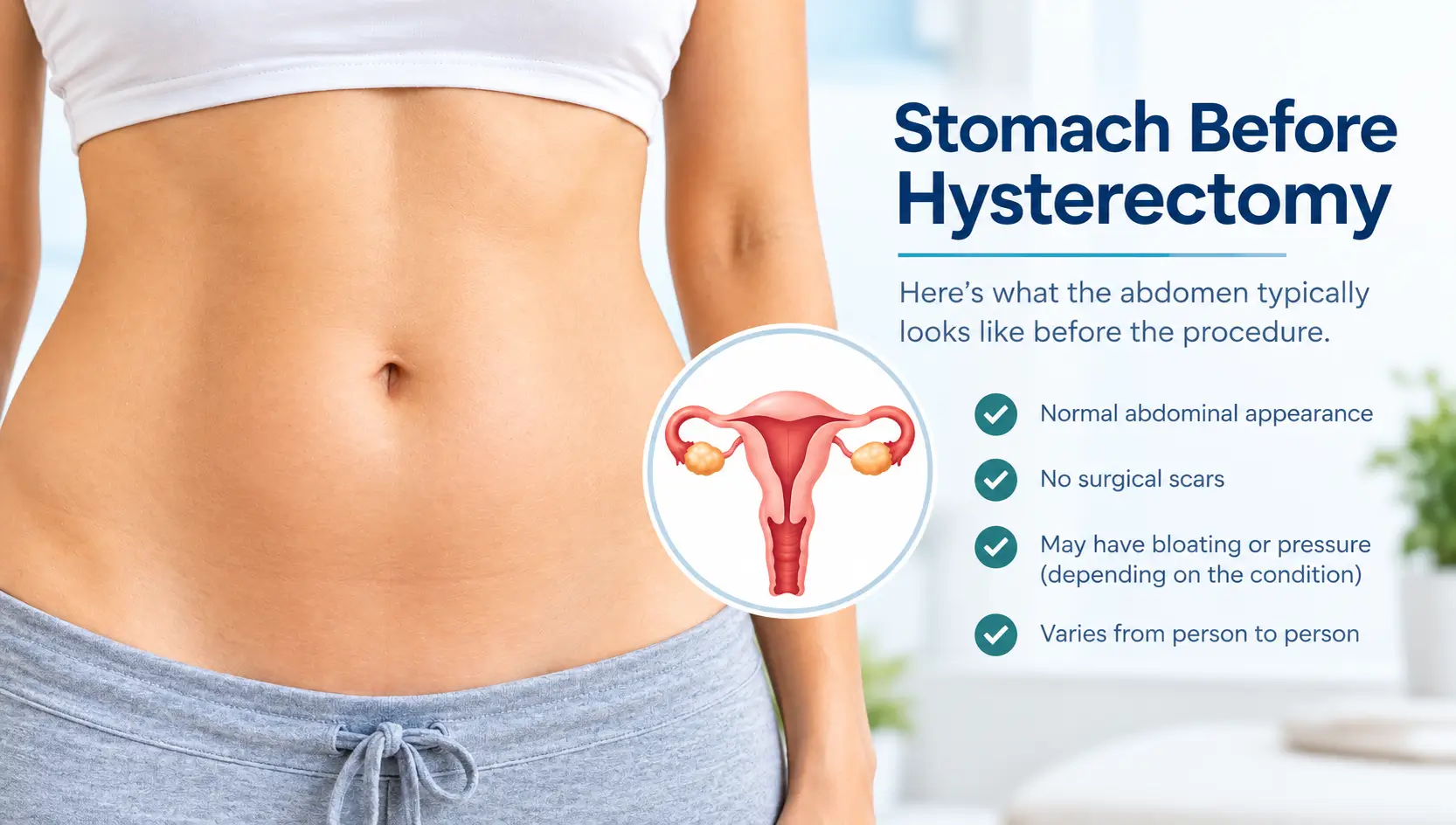
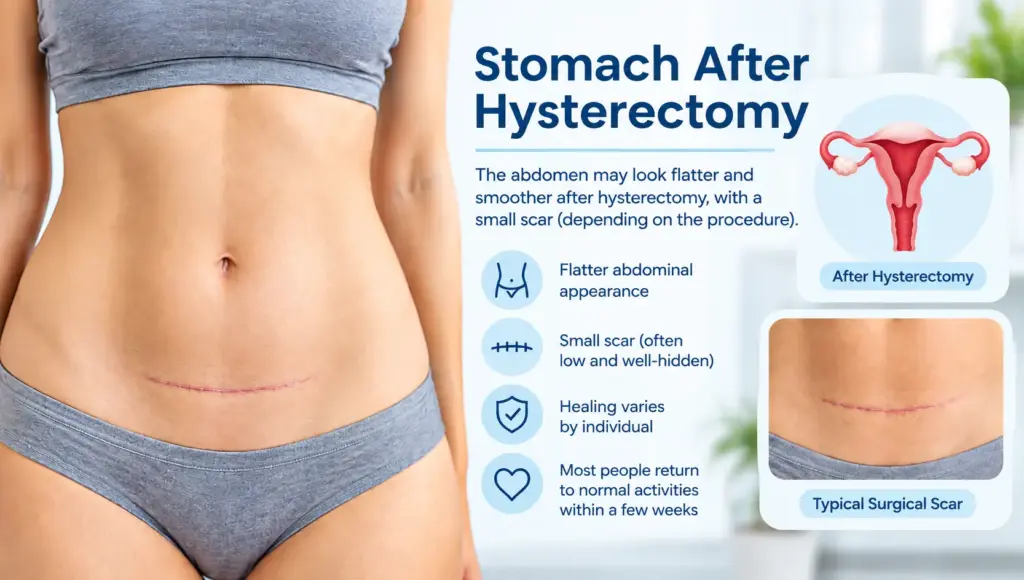
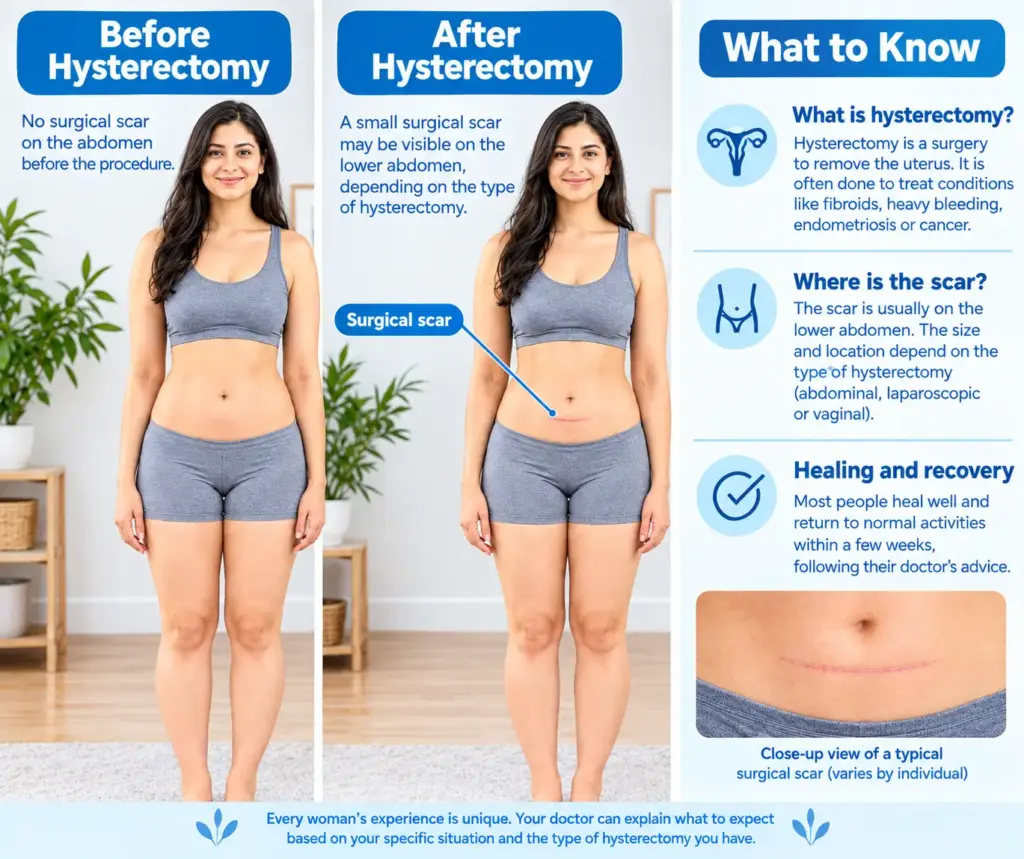
It is important to understand that healing looks different for every person.
Immediately after surgery, the abdomen may appear:
- Swollen
- Bruised
- Puffy around the incision area
- Slightly uneven due to healing changes
The final appearance depends on:
- Surgical technique
- Incision size
- Skin healing ability
- Individual body structure
- Recovery habits
Over time, swelling generally decreases and scars often become less noticeable.
What Are the Side Effects of Hysterectomy?
Common Hysterectomy Side Effects During Recovery
Some of the most common hysterectomy side effects include:
Fatigue
Feeling tired after surgery is common because the body uses energy to repair tissues.
Rest, nutrition, and gradual activity can support recovery.
Changes in Vaginal Health
Some people may experience vaginal changes after surgery.
Possible concerns include:
- Dryness
- Irritation
- Changes in comfort during intimacy
These symptoms may be related to hormonal changes, especially if ovaries are removed.
Vaginal Infection After Hysterectomy
A vaginal infection after hysterectomy is not expected in everyone, but symptoms should be monitored.
Contact a healthcare provider if you notice:
- Unusual odor
- Increased discharge
- Fever
- Increasing pelvic pain
Uterus Removal Side Effects
People often search for uterus removal side effects because they want to understand how life may change after surgery.
Possible changes may include:
- No menstrual periods
- Changes in pelvic sensations
- Emotional adjustments
- Hormonal effects if ovaries are removed
Not everyone experiences the same changes.
Side Effects of Hysterectomy at 40
People undergoing surgery at younger ages often have concerns about long-term effects.
Possible considerations for side effects of hysterectomy at 40 include:
- Hormonal changes if ovaries are removed
- Emotional adjustment related to fertility
- Changes related to early menopause
Keeping the ovaries may help maintain natural hormone production in many cases.
Side Effects of Hysterectomy After 50
For those considering side effects of hysterectomy after 50, age-related factors may influence recovery.
After menopause, hormone levels are already naturally changing. The effects of surgery depend on:
- Whether ovaries remain
- Existing health conditions
- Reason for surgery
A healthcare provider can explain expected changes based on individual circumstances.
Can Hysterectomy Cause Weight Gain?
A common concern is can hysterectomy cause weight gain.
A hysterectomy itself does not directly cause weight gain. However, some people notice weight changes afterward because of factors such as:
- Reduced activity during recovery
- Changes in metabolism with age
- Hormonal changes after ovary removal
- Lifestyle changes
Maintaining healthy habits after recovery can support weight management.
Long-Term Effects of Hysterectomy
The long-term experience after hysterectomy depends on several factors, especially whether ovaries are preserved.
Long-Term Effects of Hysterectomy With Ovaries Left
The long-term effects of hysterectomy with ovaries left may differ from cases where ovaries are removed.
When ovaries remain:
- Hormone production may continue
- Natural menopause may happen later
- Sudden hormonal changes are less likely
However, regular health monitoring remains important.
Menopause After Hysterectomy
Some people wonder about menopause caused by hysterectomy.
A hysterectomy alone does not always cause menopause if ovaries remain.
However:
- Periods stop because the uterus is removed
- Hormonal cycles may continue
- Menopause may occur naturally later
If ovaries are removed, menopause symptoms may appear sooner due to reduced hormone production.
Life After Total Hysterectomy
Many people ask about life expectancy after total hysterectomy and what life will look like afterward.
A hysterectomy does not automatically shorten life expectancy. Long-term health depends on:
- The reason surgery was performed
- Overall health
- Lifestyle habits
- Medical follow-up
For many individuals, the procedure helps improve comfort and quality of life.
Emotional Adjustment After Hysterectomy
Physical healing is only one part of recovery.
Some people experience:
- Relief after symptoms improve
- Anxiety about body changes
- Sadness related to fertility loss
- Concerns about identity or relationships
Support from healthcare providers, family, and partners can help during adjustment.
Advice for Partners After Hysterectomy
Recovery can be easier when partners understand the physical and emotional changes involved.
Helpful advice for husbands after hysterectomy includes:
- Being patient during healing
- Helping with daily responsibilities
- Understanding activity restrictions
- Providing emotional support
- Communicating openly about concerns
A supportive environment can make the recovery process smoother.
Final FAQs
Q. Does a hysterectomy stop periods?
A. Yes. Since the uterus is removed, menstrual bleeding stops after hysterectomy.
Q. How long does recovery take after hysterectomy?
A. Recovery varies depending on the surgical method. Some people recover within weeks, while others need several months for complete healing.
Q. Can you exercise after hysterectomy?
A. Yes, but activity should return gradually and follow medical guidance.
Q. Is swelling normal after hysterectomy?
A. Temporary swelling can occur during healing and usually improves over time.
Q. Does hysterectomy affect daily life?
A. Many people return to normal activities after recovery. The long-term experience depends on individual health and whether ovaries remain.
Bottom of The Line
A hysterectomy is a major procedure, but understanding the recovery process can make the experience less overwhelming. From managing early symptoms to returning to exercise and adjusting to body changes, every recovery journey is different.
Knowing what to expect, following medical advice, and allowing enough time for healing can help support a healthier transition after surgery.

Dr. Veera Saghar
As an Egg Donor Coordinator, she plays a critical role in our company. Her background as a medical graduate from ISRA UNIVERSITY in Pakistan provides us with a solid foundation in the medical sciences. She has seven years of clinical experience practicing in the USA. This has given her firsthand experience when collaborating with patients and their families.
She is responsible for managing the process of egg donation from start to finish. We identify and screen potential egg donors.
- Dr. Veera Saghar

- Dr. Veera Saghar
- Dr. Veera Saghar
- Dr. Veera Saghar