
Hyperthyroidism — Antithyroid Drugs and Timing
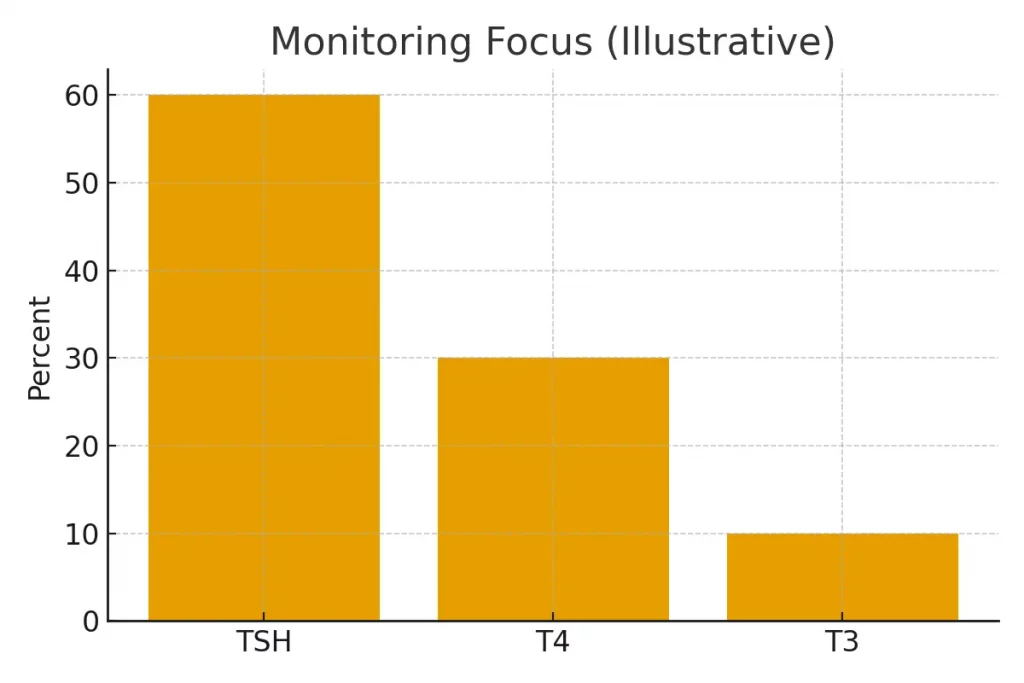
Key Takeaways Hyperthyroidism can significantly affect fertility, pregnancy health, and fetal outcomes. Graves’ disease is the most common cause of hyperthyroidism in young women. Propylthiouracil (PTU) is the preferred antithyroid drug during 1st trimester, while methimazole (MMI) is used after. Correct timing of medication changes reduces birth defect risks and supports healthy fetal development. Surrogates […]
Budget Builder — Base, Expected, Contingency
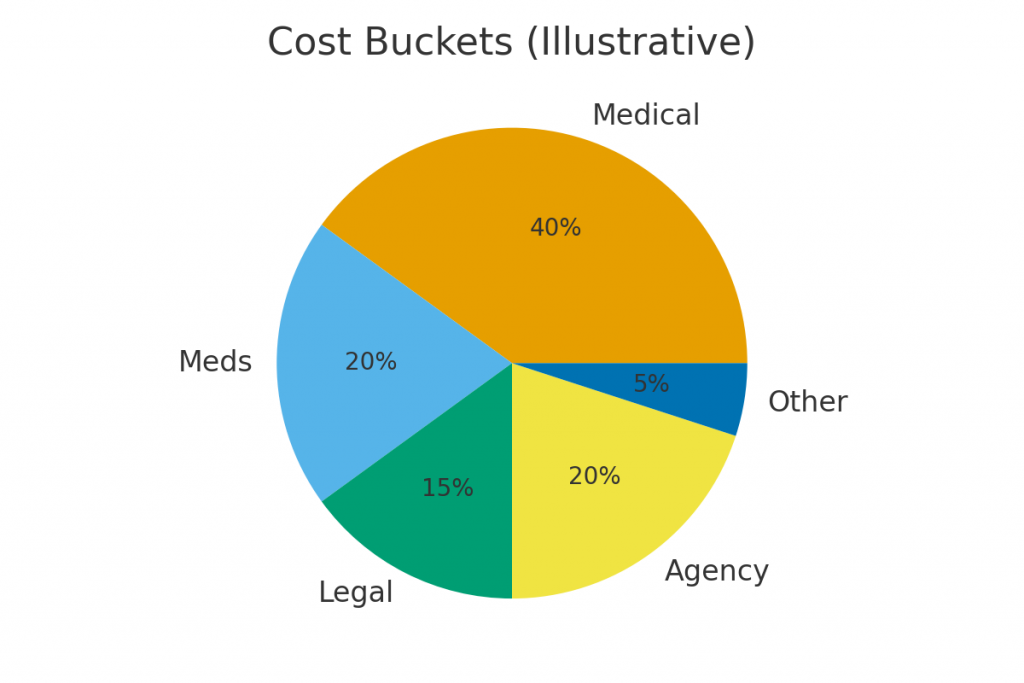
Key Takeaways A surrogacy Budget Builder organizes costs into base, expected, and contingency categories. Base costs include routine IVF, surrogacy agency, legal, and compensation fees. Expected costs account for medications, monitoring, travel, and miscellaneous clinic charges. Contingency funds cover unexpected medical events, additional cycles, or emergencies. Proper budgeting reduces stress and ensures smooth coordination between […]
Pharmacy Logistics — Avoiding Last‑Minute Issues
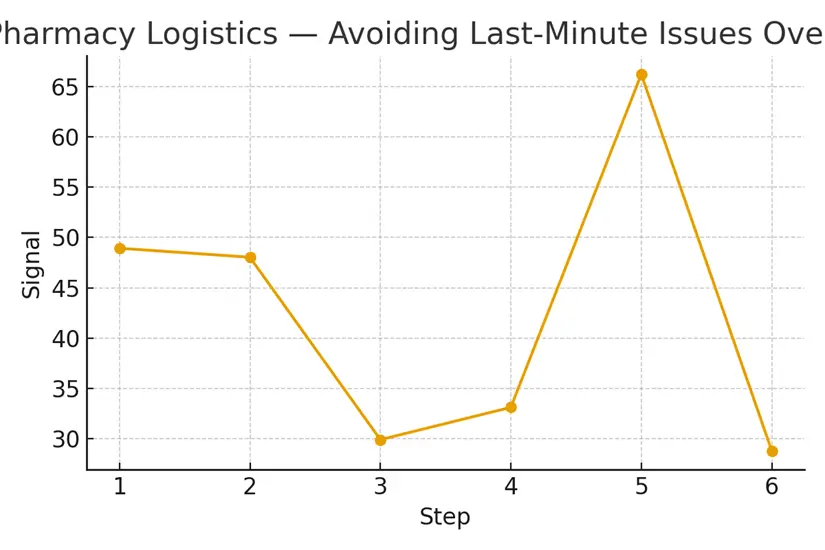
This article explains pharmacy logistics—avoiding last-minute issues within the IVF Protocols & Medications pathway. It focuses on the steps that genuinely impact outcomes, budgets, and timelines, so you can move through your IVF cycle smoothly and with confidence. What It Is Pharmacy Logistics — Avoiding Last-Minute Issues in plain a guide to making sure your […]
Fertility Clinics Near Me — Atlanta (GA)
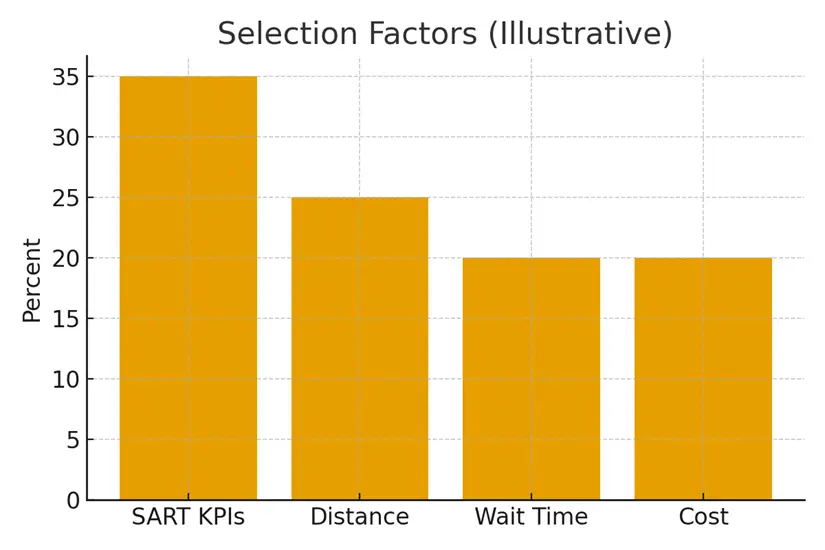
Key Takeaways Atlanta offers a strong network of fertility clinics known for high IVF success rates and advanced technologies. Costs vary widely—understanding insurance, add-ons, and clinic fee structures is crucial. The right clinic aligns with your medical needs, communication style, and long-term family-building goals. Surrogacy, donor eggs, and LGBTQ+ family-building services are widely available. Transparent […]
Consanguinity Considerations
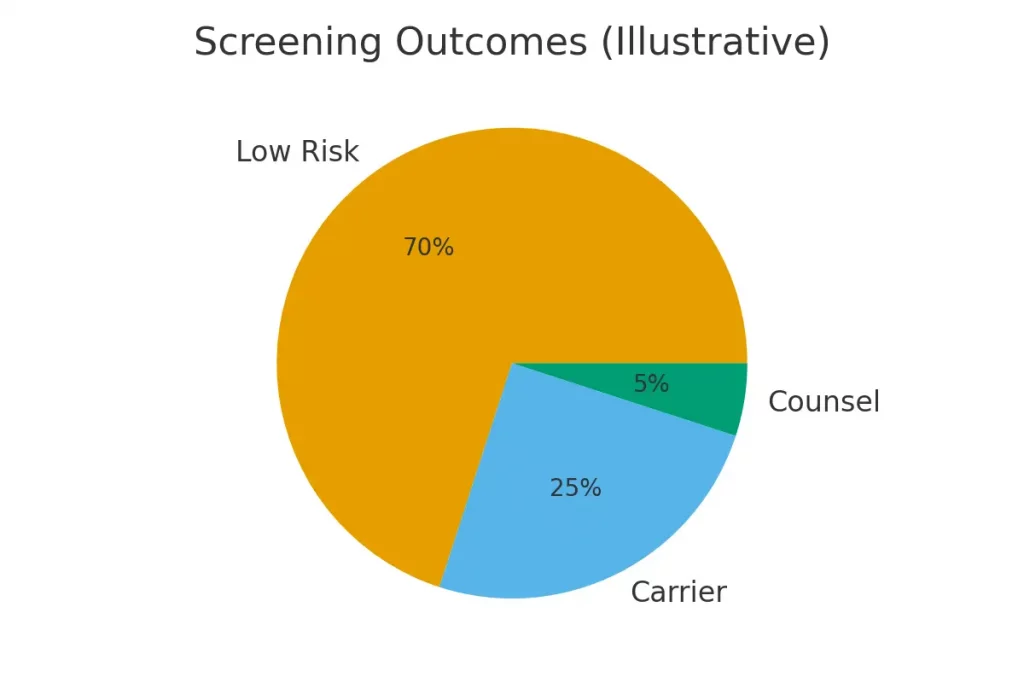
Consanguinity Considerations — how genetic risk changes when partners share biological ancestry, why expanded carrier screening becomes more important, and how this decision fits into your reproductive planning. It clarifies what consanguinity actually affects (recessive disease risk, panel selection, counseling) and how upstream decisions shape downstream results such as PGT-M needs, embryo testing plans, and pregnancy […]
Citizenship and Passports — US and International
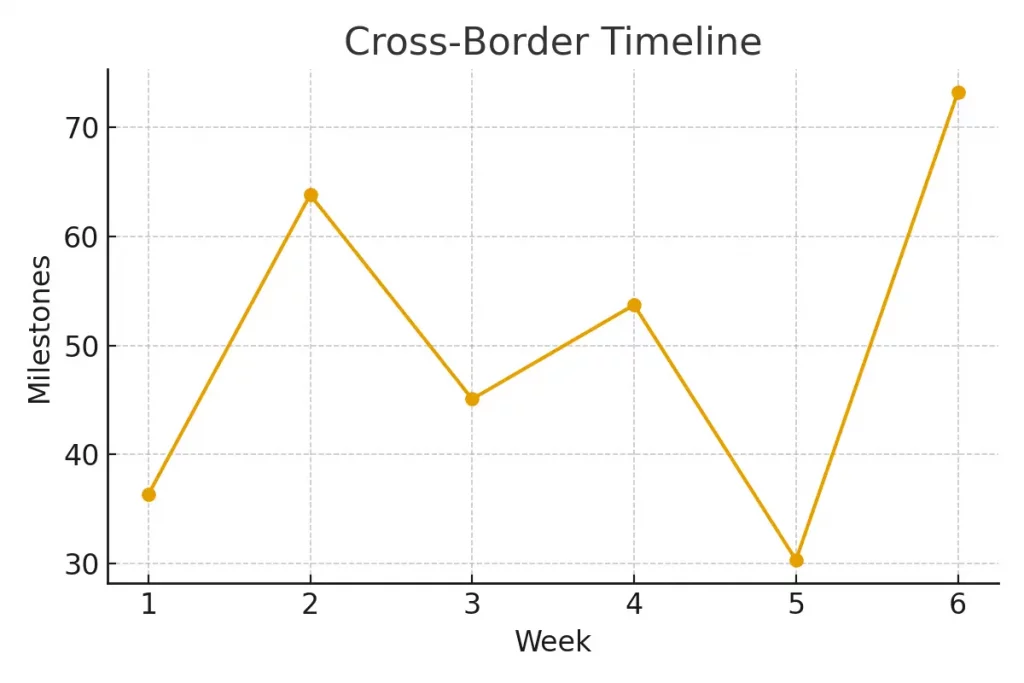
How a newborn’s legal identity, citizenship, birth certificate, and passport are created after birth—and how these differ for: US intended parents International intended parents (EU, UK, Canada, Asia, Latin America, Middle East, etc.) Dual-nationality families Cases involving donors, single parents, or same-sex couples Upstream decisions—birth state, contract language, hospital records, parentage orders, and embassy requirements—determine […]
Polyp Removal Before IVF — When to Proceed
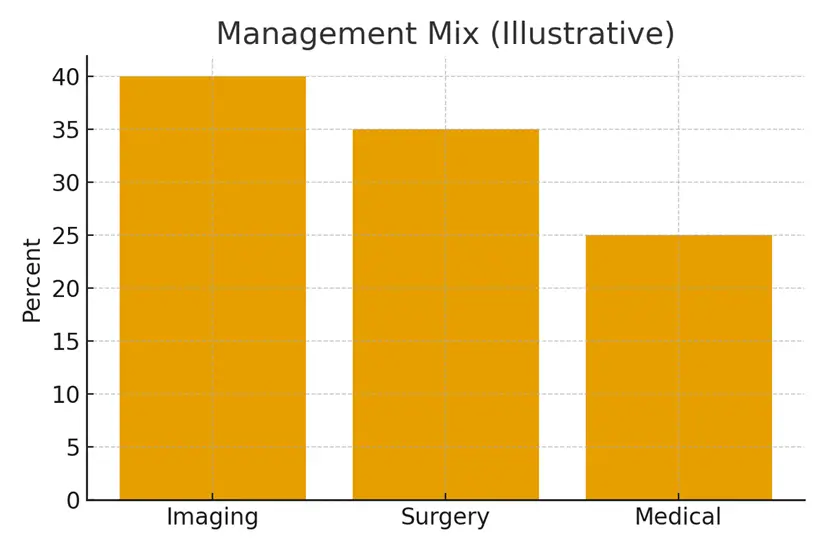
Key Takeaways Uterine polyps can significantly reduce implantation rates, and removal is often recommended before IVF. The ideal timing for polyp removal is generally in the cycle before stimulation or transfer. Hysteroscopic removal is a safe, quick procedure that restores a healthy uterine cavity. Not all polyps require immediate removal—size, location, symptoms, and IVF history […]
Supplements with Evidence — CoQ10, DHEA, Inositol
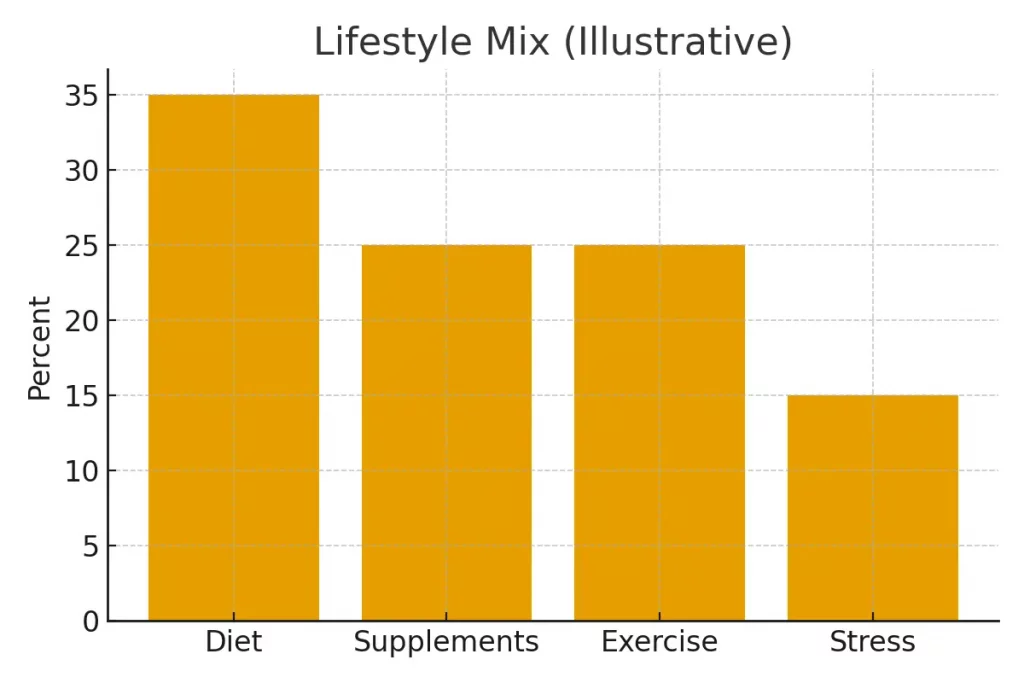
Key Takeaways CoQ10, DHEA, and Inositol are three supplements with strong clinical evidence for hormone health, fertility, energy, and metabolic support. CoQ10 improves mitochondrial function and egg quality, especially for women in their mid-30s and beyond. DHEA is a precursor hormone that supports adrenal function, libido, mood, and fertility in select cases. Inositol (especially myo-inositol) […]
Employer Benefits — Getting the Most From Coverage
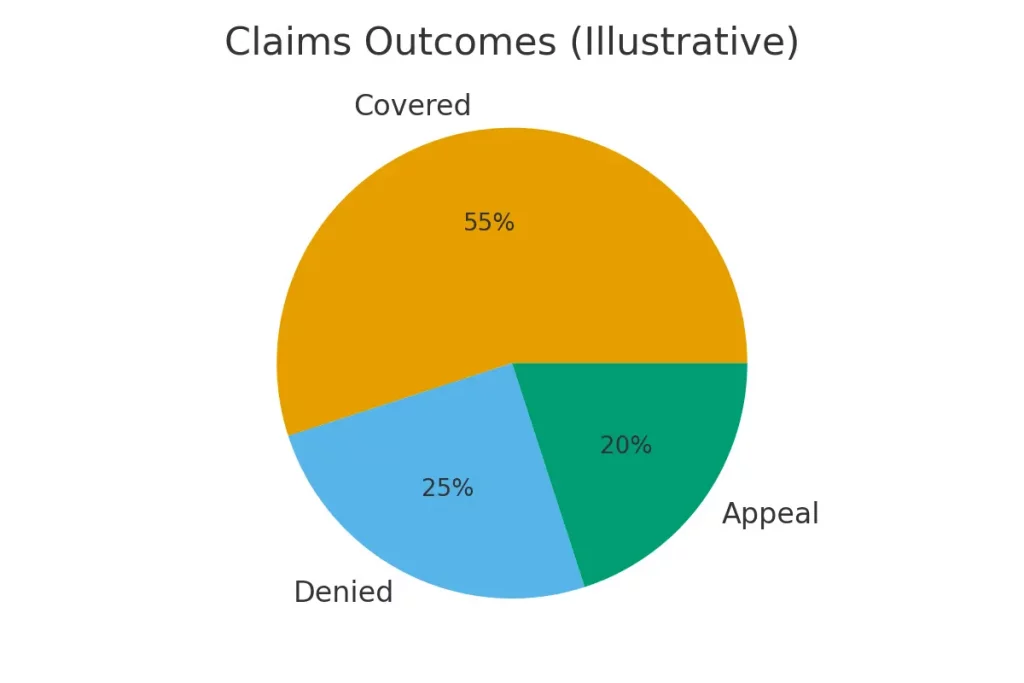
Employer fertility benefits are financial supports offered through your workplace—sometimes through insurance and sometimes as standalone fertility reimbursement programs. These benefits can include: IVF, ICSI, PGT-A Egg freezing or embryo banking Donor sperm, donor eggs, or donor embryos Surrogacy reimbursement Medications Travel or lodging for treatment They matter because they can change your timeline, expand […]
Personalized FET Timing (Serum Progesterone) — Dual Guide
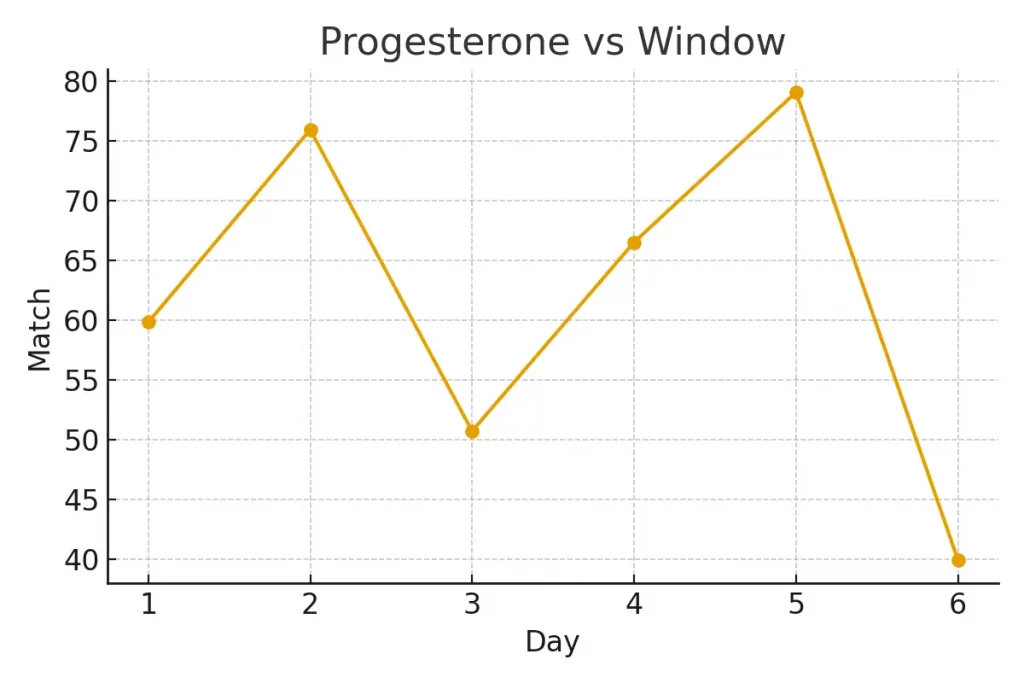
Key Takeaways Personalized FET timing uses serum progesterone levels to optimize embryo implantation Ensures the endometrium is fully receptive before transfer Reduces the risk of failed implantation and miscarriage Enhances success in gestational surrogacy cycles Supports tailored treatment plans for each patient Frozen Embryo Transfer (FET) is a critical step in IVF, and timing is […]
