
Lupus and Pregnancy — Coordination with Rheumatology
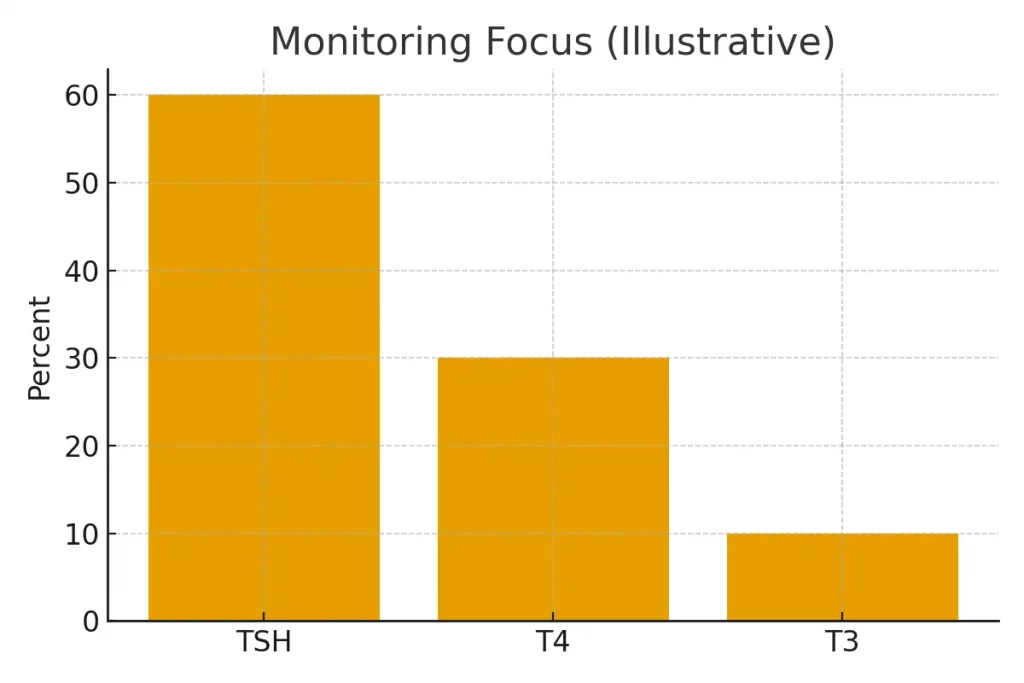
Key Takeaways Lupus (SLE) can increase risks for miscarriage, preterm birth, preeclampsia, and pregnancy complications. Coordinated care with a rheumatologist and reproductive endocrinologist is critical. Proper medication management before and during pregnancy improves outcomes. Monitoring of antibodies, inflammation markers, and organ function ensures maternal and fetal safety. Surrogates with lupus must be carefully screened; many […]
Medical Therapy — Clomiphene, Enclomiphene, hCG
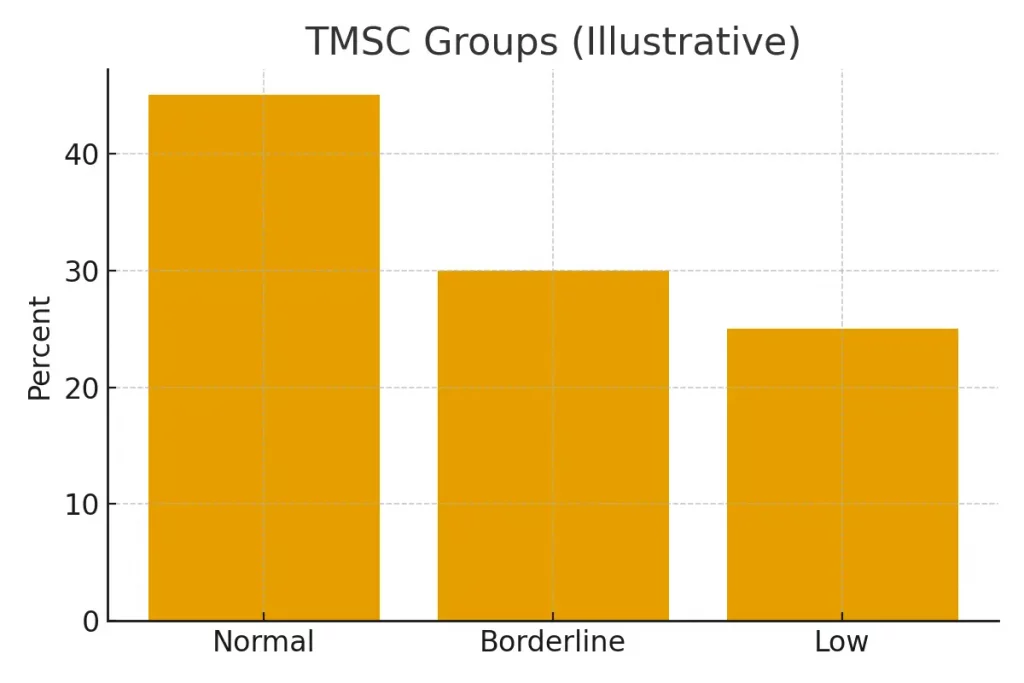
When sperm counts or testosterone levels are low, medical therapy can sometimes “re-start” the body’s natural hormone signaling instead of replacing it.Unlike external testosterone, which suppresses sperm production, these medications work from the brain outward — stimulating the testicles to produce both testosterone and sperm. In plain English:Clomiphene, Enclomiphene, and hCG turn the body’s own […]
Managing Diminished Ovarian Reserve — Practical Steps
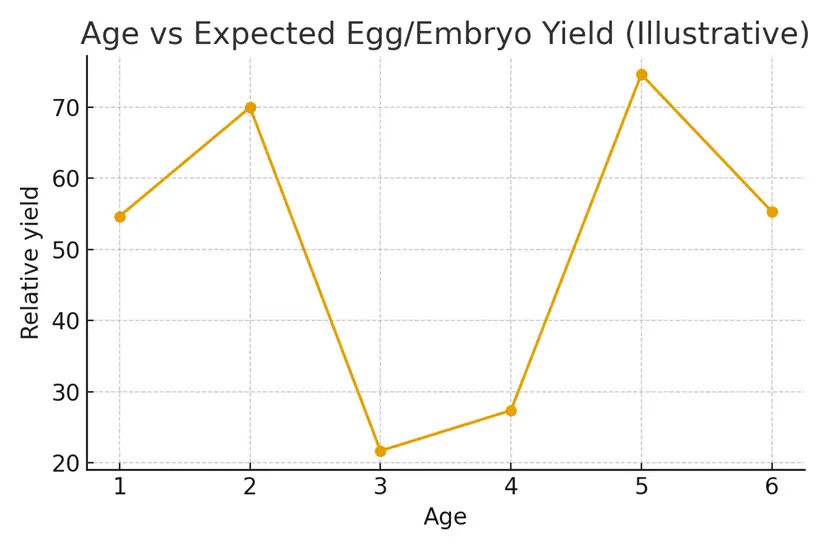
Key Takeaways DOR affects egg quantity, not necessarily egg quality. Many women with low AMH still conceive. Protocol personalisation matters more than AMH values alone. Improving egg quality takes 8–12 weeks of consistent steps. Banking embryos across multiple cycles is often the most strategic path. Surrogacy may be a future option, but not the first […]
Infections & Prostatitis — Impact on Fertility
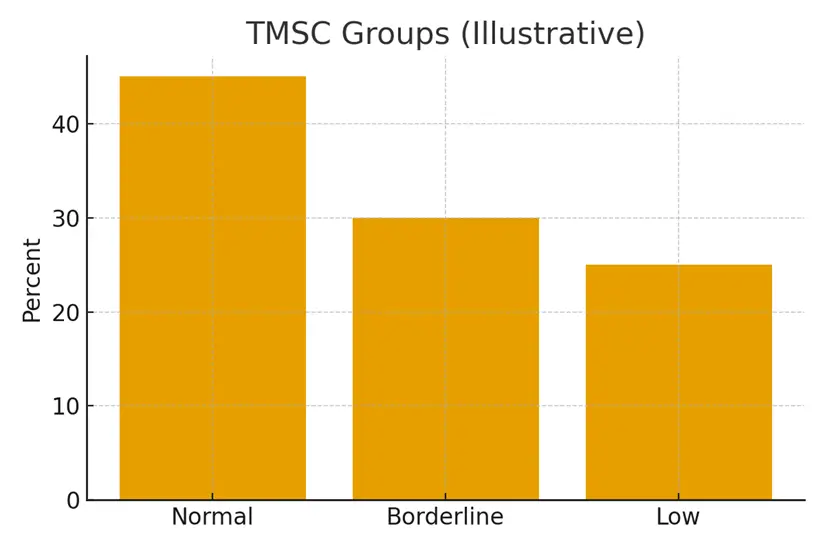
Many men are surprised to learn that seemingly minor infections of the reproductive or urinary tract can significantly affect sperm health, semen quality, and overall fertility potential. The goal of this guide is to make the science simple: to explain how infections influence male fertility, what steps you can take to prevent long-term damage, and […]
Antral Follicle Count (AFC) — Ultrasound Clues That Matter
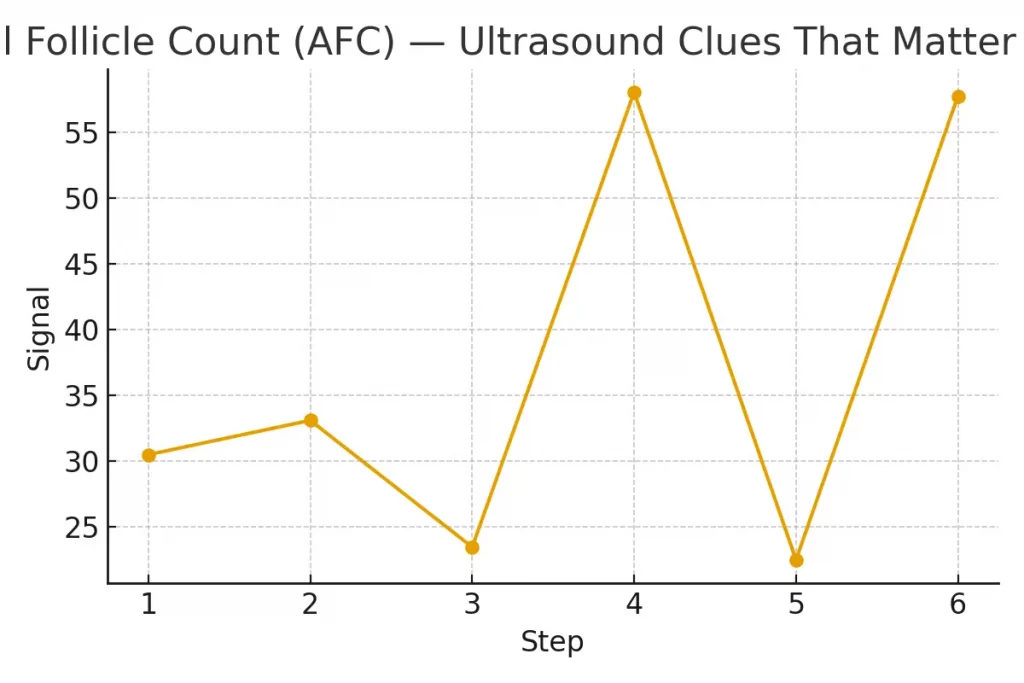
When it comes to understanding fertility and planning your IVF journey in NYC, few tools are as insightful as the Antral Follicle Count (AFC). This simple ultrasound measurement offers critical clues about ovarian reserve, timing, and treatment planning — helping couples move from uncertainty to clarity. In this guide, we’ll explain what AFC is, who […]
Hormone Testing — FSH, LH, Testosterone, Prolactin
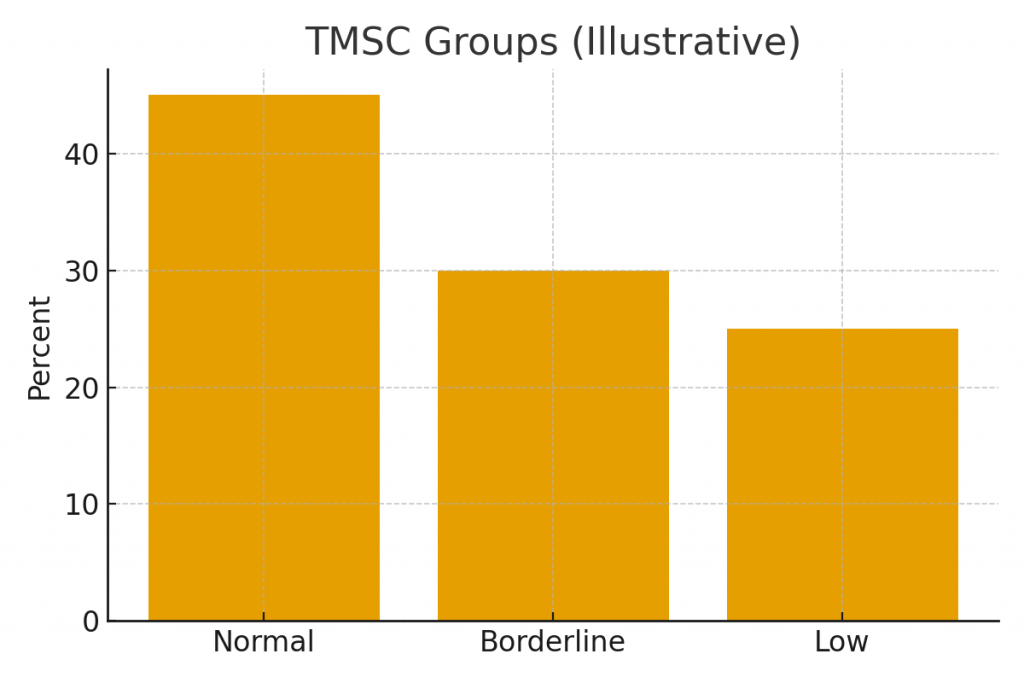
Hormones control how the testes produce sperm and testosterone.When male infertility is suspected, checking a few key hormones — FSH, LH, Testosterone, and Prolactin — helps identify whether the problem is due to sperm production, hormonal imbalance, or blockage. In plain English:Hormone tests show whether the “command center” (brain and pituitary) and the “factory” (testes) […]
Travel and Scheduling — Reducing Friction
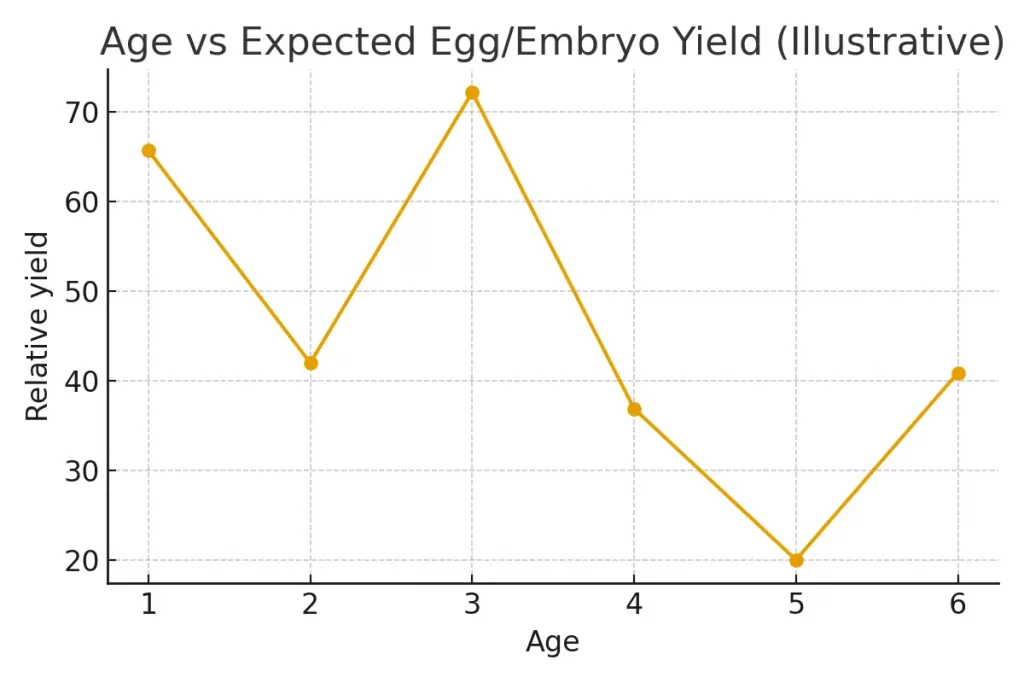
Key Takeaways Travel and scheduling are two of the biggest sources of stress and delays in surrogacy. Early planning reduces cost overruns, appointment conflicts, and legal complications. Coordinating between clinics, carriers, attorneys, and agencies avoids bottlenecks. Small process improvements — like shared calendars and pre-booked windows — save time and money. Successful journeys balance flexibility […]
Glossary — Common Financial and Insurance Terms
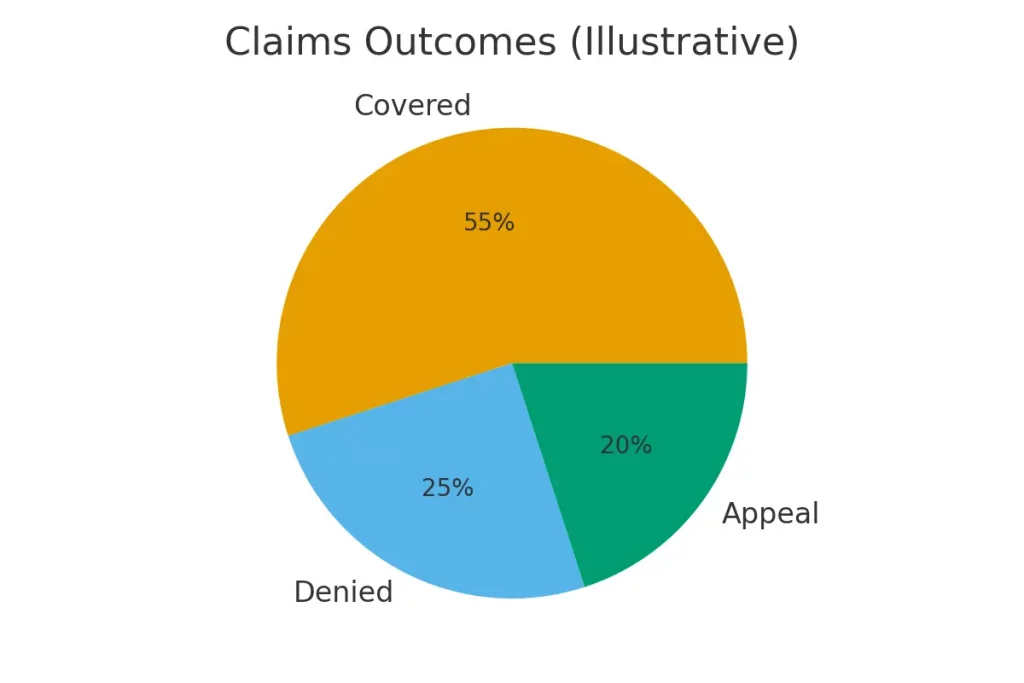
Glossary — Common Financial and Insurance Terms in a simplified reference for decoding the language behind coverage, billing, financing, and clinic estimates. It explains where each term fits in your journey, how it shapes cost and timing, and why being precise with language prevents major downstream problems. Who It Helps This resource is a strong […]
Thin Lining Toolkit — Options That Help
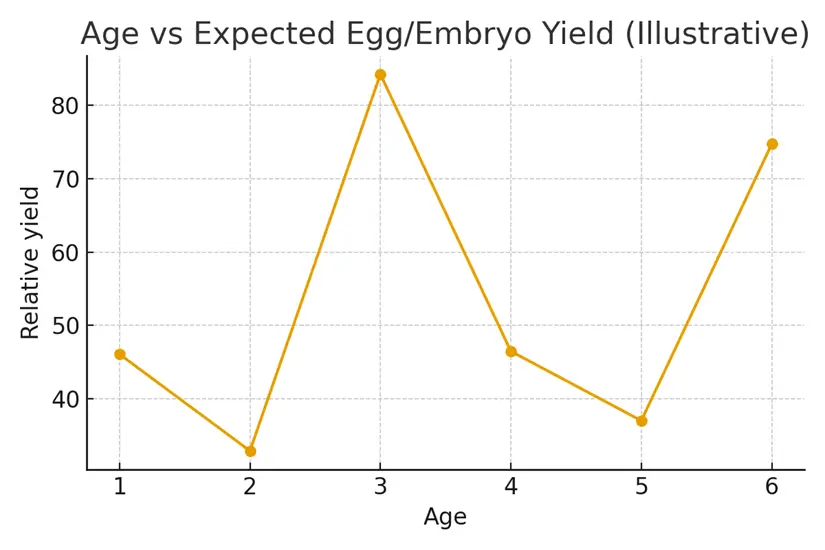
Key Takeaways Thin uterine lining (<7mm) significantly reduces implantation chances, but many evidence-backed interventions exist. Timing, estrogen strategy, blood flow, and inflammation management matter more than individual supplements. PRP, G-CSF, and extended estrogen protocols help some patients, but results vary. Many thin lining cases are protocol-related, not patient-related. Surrogacy journeys may bypass thin-lining challenges but […]
Monitoring Plan — Labs and Visit Cadence
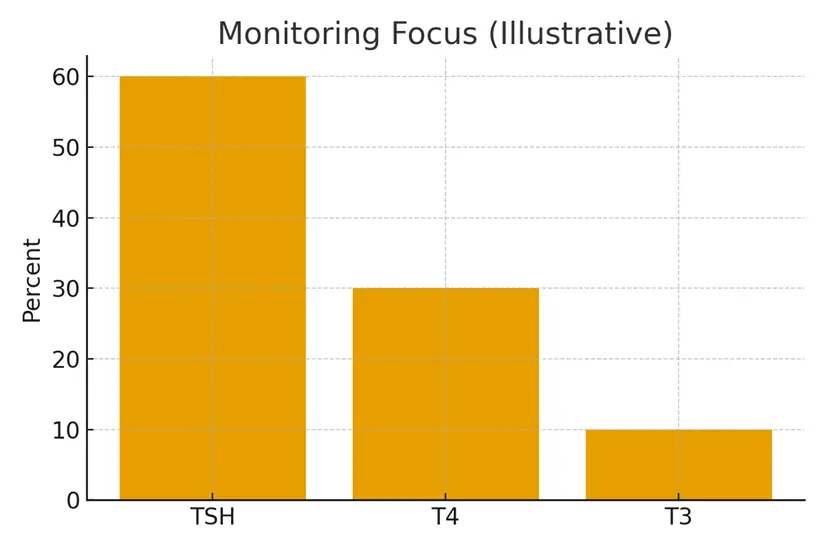
Key Takeaways A structured monitoring plan is essential for predicting response, preventing complications, and optimizing fertility outcomes. Monitoring differs by stage: baseline labs, stimulation labs, transfer preparation, and pregnancy follow-up. Visit frequency accelerates during stimulation — often every 1–3 days. For surrogacy, intended parents should understand the cadence even if not physically present. Labs that […]
