
Choosing a surrogacy agency is one of the biggest decisions intended parents will make. While agencies often compete on pricing, marketing, or matching speed, the first question should always be:
“Is the agency properly licensed and operating under recognized legal standards?”
New York’s regulatory framework has raised the standard for ethical and transparent surrogacy practices. For intended parents, choosing a licensed agency can provide greater confidence that legal, financial, medical, and administrative processes follow established requirements.
If you’re comparing agencies in 2026, NYS licensing should be your first filter—not your last consideration.
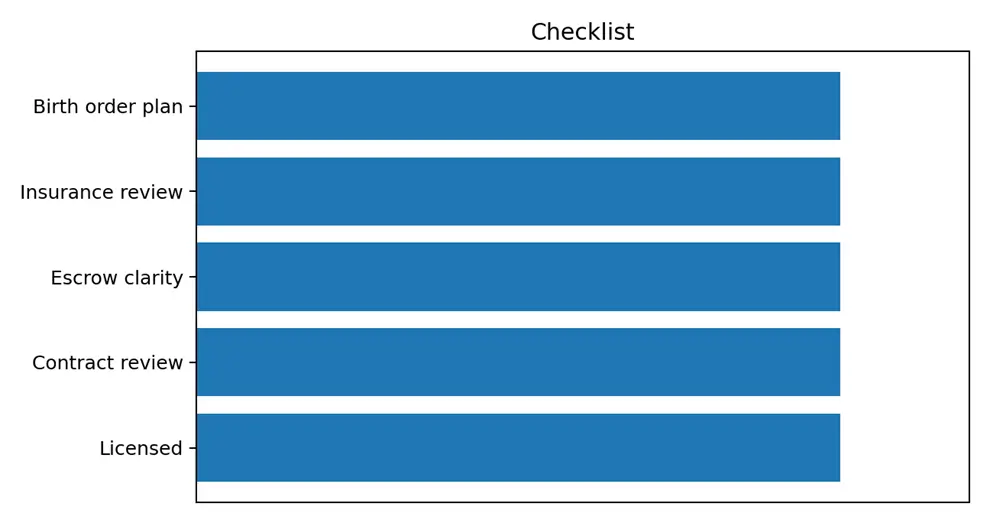
Figure 2: Visual decision aid for why nys licensing should be the first filter when comparing surrogacy agencies.
Quick Summary
| Factor | Why It Matters |
| Licensing | Demonstrates regulatory accountability |
| Legal Compliance | Supports proper contracts and parentage planning |
| Financial Transparency | Encourages clear fee disclosure |
| Professional Oversight | Promotes standardized operating procedures |
| Intended Parent Protection | Reduces administrative and legal uncertainty |
| Surrogate Protection | Supports ethical recruitment and coordination |
What Does NYS Licensing Mean?
A licensed surrogacy agency operates under state-established requirements designed to promote transparency, accountability, and ethical business practices.
Licensing demonstrates that an agency has met specific operational standards and is subject to regulatory oversight.
For intended parents, this provides additional confidence that the agency follows structured processes rather than informal or inconsistent practices.
Why Licensing Should Be Your First Screening Criterion
Many families begin their search by comparing agency fees or advertised success stories.
However, licensing should be evaluated before discussing costs or timelines because it establishes the foundation for legal compliance and operational accountability.
An agency that operates under recognized standards is generally better positioned to coordinate legal documentation, financial processes, surrogate screening, and communication throughout the journey.
Benefits of Working With a Licensed Surrogacy Agency
1. Greater Legal Confidence
Surrogacy involves contracts, parental rights, escrow management, and coordination with reproductive law professionals.
A licensed agency is more likely to have structured systems that support these critical legal processes.
2. Increased Transparency
Transparency is one of the most important qualities intended parents should expect.
Licensed agencies typically provide clearer documentation regarding:
- Program fees
- Payment schedules
- Escrow administration
- Case management
- Service inclusions
- Communication procedures
This helps families make informed decisions and reduce unexpected costs.
3. Stronger Operational Standards
Licensing encourages agencies to maintain documented procedures for:
- Surrogate recruitment
- Medical coordination
- Psychological screening
- Case management
- Record keeping
- Client communication
Well-defined systems often lead to a smoother experience for everyone involved.
4. Accountability
Licensed organizations operate within an established regulatory framework.
This accountability encourages professionalism, consistency, and ethical conduct throughout the surrogacy journey.
For intended parents investing significant emotional and financial resources, accountability provides added reassurance.
Why Licensing Matters More Than Marketing
Beautiful websites and impressive testimonials do not necessarily reflect operational quality.
Instead of focusing on promotional claims, intended parents should verify:
- Licensing status
- Legal coordination
- Pricing transparency
- Surrogate screening standards
- Communication policies
- Case management structure
Objective criteria provide a stronger basis for comparison than marketing alone.
Questions Every Intended Parent Should Ask
Before selecting an agency, ask:
- Is the agency licensed where licensing is required?
- How are legal agreements coordinated?
- Who manages escrow and financial transactions?
- What screening process is used for surrogates?
- Will I have a dedicated case manager?
- How frequently will updates be provided?
- What happens if a surrogate match is unsuccessful?
- What post-birth support is available?
The quality of these answers often reflects the agency’s organizational maturity.
Common Mistakes to Avoid
Many intended parents choose agencies based solely on:
- Lowest advertised price
- Social media popularity
- Online reviews
- Promised fast matching
Without evaluating licensing and operational standards, families may overlook important protections that affect the entire journey.
Comparison Table
| Licensed Agency | Unlicensed or Unverified Agency |
| Structured procedures | Processes may vary |
| Greater transparency | Limited disclosure |
| Regulatory accountability | Less oversight |
| Clear documentation | Inconsistent documentation |
| Professional coordination | Variable coordination |
| Standardized communication | Communication may differ |
Why Transparency Protects Intended Parents
Transparent agencies clearly explain:
- Total estimated costs
- Included services
- Legal coordination
- Medical milestones
- Escrow management
- Communication expectations
- Contingency planning
Knowing what to expect allows intended parents to make informed decisions and prepare financially for their journey.
Practical Checklist Before Signing
✔ Verify licensing status
✔ Request a written cost estimate
✔ Review legal coordination procedures
✔ Understand surrogate screening standards
✔ Confirm escrow management
✔ Meet your case manager
✔ Ask about communication frequency
✔ Review contingency policies
✔ Understand post-delivery support
Keeping this checklist during consultations can help compare agencies objectively.
Final Thoughts
When comparing surrogacy agencies in 2026, licensing should be the first criterion you evaluate.
A licensed agency demonstrates commitment to transparency, accountability, structured operations, and professional standards that support intended parents and surrogates throughout the family-building journey.
Rather than choosing an agency based solely on cost or marketing, families should prioritize legal compliance, ethical practices, communication, and comprehensive support to make a more informed and confident decision.
Start your journey today. Contact Surrogacy4All at (212) 661-7673 or email info@surrogacy4all.com

Dr. Kulsoom Baloch
Dr. Kulsoom Baloch is a dedicated donor coordinator at Egg Donors, leveraging her extensive background in medicine and public health. She holds an MBBS from Ziauddin University, Pakistan, and an MPH from Hofstra University, New York. With three years of clinical experience at prominent hospitals in Karachi, Pakistan, Dr. Baloch has honed her skills in patient care and medical research.
- Dr. Kulsoom Baloch

- Dr. Kulsoom Baloch
- Dr. Kulsoom Baloch
- Dr. Kulsoom Baloch