
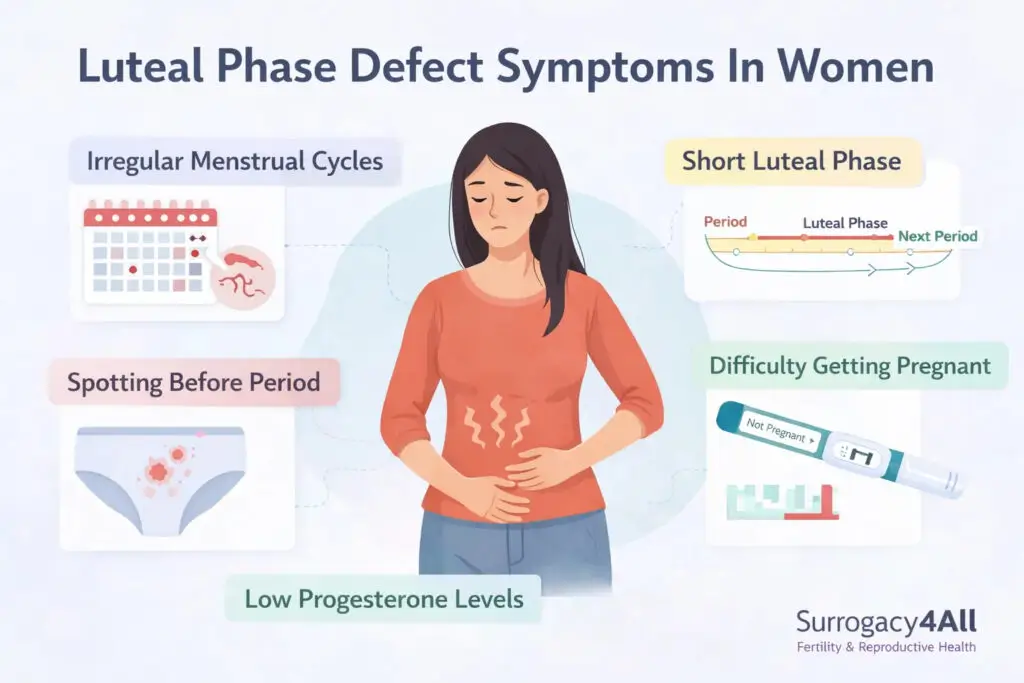
The menstrual cycle is more than just a monthly period — it is a complex hormonal rhythm that plays a key role in fertility and overall reproductive health. While many women focus on ovulation timing, the luteal phase defect symptoms are equally important because it supports implantation and early pregnancy.
If this phase is too short or progesterone levels are low, the uterus may not be able to maintain the conditions needed for conception. Understanding cycle changes early can help women take proactive steps toward diagnosis and treatment.
AI Smart Summary
A luteal phase defect occurs when the body does not produce enough progesterone after ovulation. This may prevent the uterine lining from properly supporting implantation. Treatment options include lifestyle changes, hormone support, and fertility care.
FAST FACTS
- The luteal phase begins right after ovulation
- A healthy luteal phase lasts about 12–14 days
- Progesterone is the main hormone involved
- Spotting before a period may be a sign
- IVF or IUI cycles often include luteal phase support
Possible Causes
Several conditions may contribute to luteal phase imbalance, including:
- Low progesterone production
- Thyroid dysfunction
- Polycystic ovary syndrome (PCOS)
- High stress levels
- Excessive exercise
- Being underweight
- Elevated prolactin levels
- Age-related hormonal decline
Key Takeaways
- The luteal phase is essential for implantation
- Progesterone helps maintain the uterine lining
- Short cycles or spotting may indicate an imbalance
- Treatments are available and often effective
- Fertility support can improve outcomes
Next Steps
If you suspect a hormonal imbalance:
- Track ovulation and cycle length
- Ask your doctor for progesterone testing
- Discuss treatment options early
- Seek a fertility evaluation if conception is delayed
What Is The Luteal Phase?
The luteal phase, it is the second half of the menstrual cycle that begins after ovulation and ends when menstruation starts.
Luteal Phase Meaning
The luteal phase’s meaning is tied to progesterone production. After an egg is released, the corpus luteum forms and produces progesterone, preparing the uterus for possible implantation.
Many women ask, what does luteal phase mean?
It simply means the body is in its post-ovulation phase, supporting early pregnancy potential.
When Does The Luteal Phase Start?
A common fertility question is: when does luteal phase start?
It begins immediately after ovulation — typically around day 14 in a standard 28-day cycle — and continues until your next luteal phase period begins.
Common Symptoms Women May Notice
Women experiencing hormonal imbalance may observe changes such as:
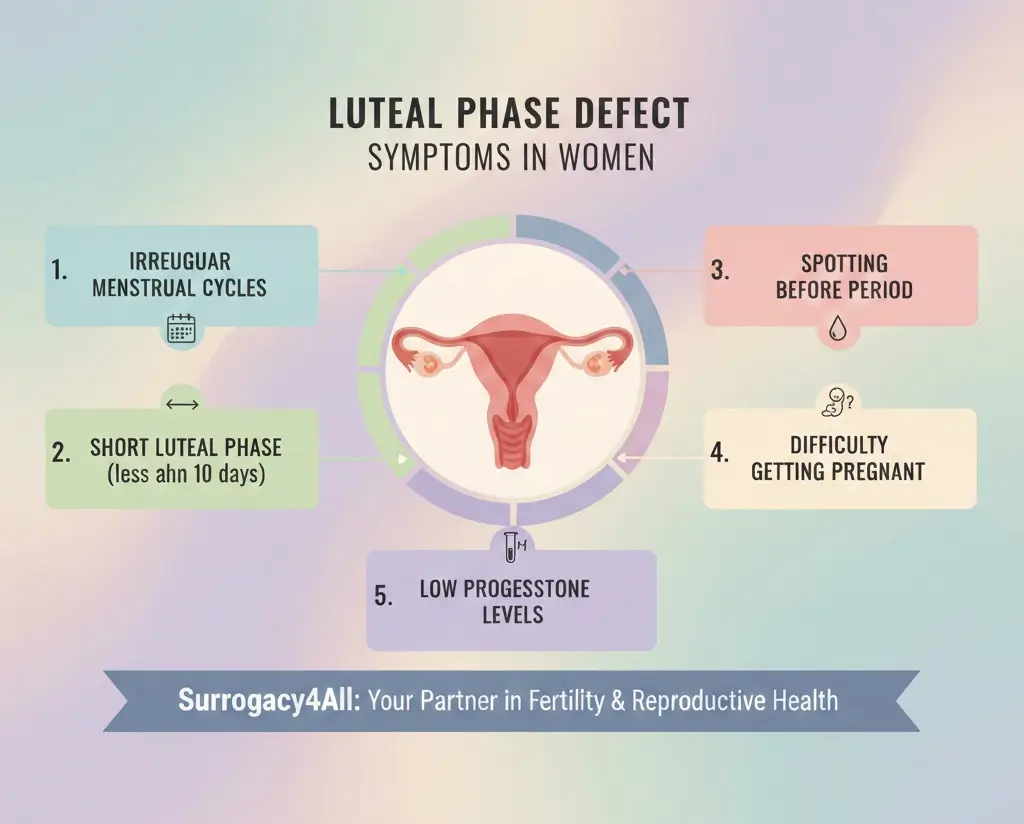
- Spotting before menstruation
- Short menstrual cycles
- Difficulty conceiving
- Early pregnancy loss
- Increased PMS symptoms
- Mood swings or fatigue
- Changes in luteal phase discharge
These may be early signs of luteal phase defect symptoms that should be evaluated by a healthcare provider.
Understanding Luteal Phase Defect
A luteal phase defect occurs when the luteal phase is too short or progesterone levels are insufficient to support implantation. This can make it harder for an embryo to attach securely to the uterine lining.
Can You Get Pregnant During the Luteal Phase?
Many women wonder: can you get pregnant during luteal phase?
Fertilization usually happens around ovulation, but implantation happens during the luteal phase. So while conception begins earlier, this phase is critical for pregnancy success.
Some also ask: can you get pregnant in luteal phase?
The luteal phase itself supports implantation rather than fertilization.
Treating Luteal Phase Defect
The good news is that treating luteal phase defect is possible once properly diagnosed.
Progesterone Supplementation For Luteal Phase Defect
Progesterone supplementation for luteal phase defect is one of the most common treatments. It helps strengthen the uterine lining and improves implantation conditions.
When To Start Progesterone For Luteal Phase Defect
Doctors usually recommend starting progesterone only after ovulation has been confirmed. Taking it too early may interfere with the natural cycle.
Supplements For Luteal Phase Defect
Some women benefit from supplements for luteal phase defect, including:
- Vitamin B6
- Magnesium
- CoQ10
- Omega-3 fatty acids
Always consult a specialist before beginning any supplement plan.
How To Fix Luteal Phase Defect Naturally
If you are exploring how to fix luteal phase defect naturally, lifestyle changes may help:
- Prioritizing sleep
- Reducing stress
- Maintaining a healthy weight
- Eating hormone-supportive foods
Luteal Phase Foods And Nutrition
Nutrition plays a major role in hormone balance.
Common luteal phase foods include:
- Leafy greens
- Eggs
- Salmon
- Nuts and seeds
- Whole grains
- Sweet potatoes
Many women ask what to eat during luteal phase — focus on healthy fats, protein, and nutrient-rich meals.
Also Read:
IVF or IUI and Luteal Support
In fertility care, luteal phase support is routine. IUI vs IVF cycles often require progesterone medication because the body may not produce enough naturally.
Organizations such as Surrogacy help intended parents and women understand fertility challenges and reproductive options with professional guidance.
Conclusion
The luteal phase is one of the most important parts of the menstrual cycle, especially for women trying to conceive. Low progesterone or a short luteal phase can make implantation more difficult, but effective treatments and supportive care are available.
Recognizing luteal phase defect symptoms early allows women to seek answers, improve hormone health, and explore fertility options confidently.
Supportive resources like Surrogacy4All can provide education and guidance for individuals navigating fertility concerns.
FAQs
Q. What is luteal phase?
A: The luteal phase is the part of the cycle after ovulation when progesterone prepares the uterus for pregnancy.
Q. What does luteal phase mean?
A: It refers to the post-ovulation stage when the body supports possible implantation.
Q. What is luteal phase defect?
A: It occurs when progesterone is too low or the luteal phase is too short.
Q. What causes a defective luteal phase?
A: Stress, thyroid problems, PCOS, or hormonal imbalance can contribute.
Q. What is luteal phase discharge?
A: It is cervical fluid changes after ovulation caused by progesterone shifts.
Q. Can you get pregnant during luteal phase?
A: Implantation occurs during this phase, making it essential for pregnancy support.
Q. How is luteal phase defect diagnosed?
A: Doctors use progesterone blood tests, ultrasound, and cycle tracking.
Q. When to start progesterone for luteal phase defect?
A: Usually after ovulation is confirmed, often mid-cycle.
Q. What is progesterone supplementation for luteal phase defect?
A: It is hormone support given to strengthen the uterine lining.
Q. What supplements help luteal phase defect?
A: Vitamin B6, magnesium, and omega-3s may help under medical supervision.
Q. What are luteal phase foods?
A: Foods rich in nutrients that support hormone production, like leafy greens and healthy fats.
Q. Does IVF or IUI require luteal support?
A: Yes, progesterone is commonly prescribed after insemination or embryo transfer.
Speak with our physician-led team today. Call Surrogacy4All at (212) 661-7673 or email info@surrogacy4all.com to book your consultation.

Dr. Veera Saghar
As an Egg Donor Coordinator, she plays a critical role in our company. Her background as a medical graduate from ISRA UNIVERSITY in Pakistan provides us with a solid foundation in the medical sciences. She has seven years of clinical experience practicing in the USA. This has given her firsthand experience when collaborating with patients and their families.
She is responsible for managing the process of egg donation from start to finish. We identify and screen potential egg donors.
- Dr. Veera Saghar

- Dr. Veera Saghar
- Dr. Veera Saghar
- Dr. Veera Saghar