Key Takeaways
- Refund programs reduce financial risk for intended parents if a cycle fails.
- Surrogates can use a break-even tool to understand how payouts align with effort and timing.
- Understanding assumptions such as cycle success rates and agency fees is critical.
- The break-even point shows when costs equal expected refund protection benefits.
- Using the tool improves transparency for both surrogates and intended parents.
Surrogacy is a life-changing journey that requires careful emotional, medical, and financial planning. One of the tools designed to make surrogacy financially predictable is a Refund Program, which offers compensation adjustments if a cycle doesn’t result in a live birth.
The Refund Program Break‑Even Tool helps surrogates and intended parents understand when a refund program pays off, considering fees, success rates, and potential cycles. This guide explains how the tool works, what assumptions it uses, and how to interpret the results to make informed decisions.
What is a Refund Program in Surrogacy?
A Refund Program is a financial safeguard. It ensures that intended parents are eligible for a partial or full refund if a surrogacy cycle doesn’t lead to a live birth, based on agreed terms. Refund programs may include:
- Single embryo transfer cycles
- Frozen embryo transfers
- Success rates tied to IVF clinics
- Maximum payout limits
For surrogates, understanding how this program affects compensation is essential to avoid surprises.
How the Break‑Even Tool Works
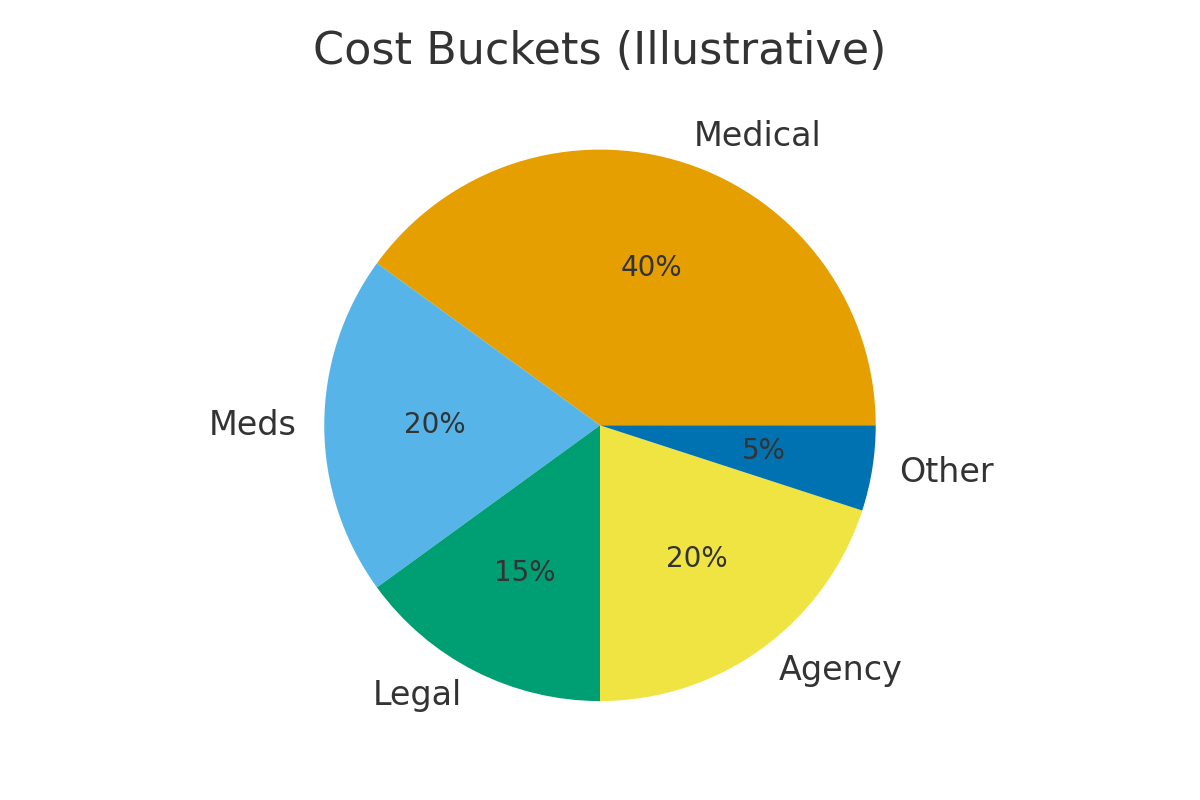
The Break‑Even Tool calculates the point where the financial cost of participating in a refund program equals the expected benefit. It considers:
- Agency and clinic fees
- Surrogate base compensation
- Success probability per cycle
- Refund percentages if no live birth occurs
- Additional medical or legal expenses
Step 1: Input Key Variables
- Total program fees
- Number of embryo transfers included
- Success rate per cycle
- Refund percentage
Step 2: Calculate Expected Value
The tool multiplies success probability by potential payout and subtracts costs, showing the expected net benefit or loss.
Step 3: Identify Break‑Even Point
The break-even point is reached when total program costs = expected refund benefit, helping surrogates and intended parents assess financial feasibility.
Why Use a Break‑Even Tool?
- Transparency: Both parties understand financial risks and rewards.
- Planning: Helps determine whether to choose a standard program or one with a refund.
- Negotiation: Supports discussions about surrogate compensation or cycle selection.
- Expectation Management: Reduces stress by clarifying outcomes before starting treatment.
Case Study
Patient: Emily & Raj, Intended Parents
Scenario: Opted for a refund program covering 2 frozen embryo transfers, 50% refund if no live birth.
Tool Input:
- Total program cost: $120,000
- Cycle success probability: 40% per transfer
- Refund: 50%
Break-Even Result: $60,000 refunded expected value over 2 cycles.
Outcome: After 1 cycle failure, refund applied. The tool helped them anticipate net costs, improving financial confidence and planning for the next attempt.
Testimonials
Priya, Gestational Surrogate
“The break-even tool helped me understand how compensation interacts with refund programs, giving me confidence in the process.”
Michael & Sara, Intended Parents
“Knowing the financial break-even upfront helped us choose a refund program that fit our budget and expectations.”
Lina, Surrogate Coordinator
“This tool saves time explaining complex financial arrangements to surrogates and intended parents.”
Expert Quote
“A Refund Program Break‑Even Tool is essential for transparency in surrogacy. It ensures both surrogates and intended parents understand the financial implications of success probabilities and cycle costs.”
— Dr. Aditi Mehra, Reproductive Finance Consultant
Related Links
Glossary
- Refund Program: Financial protection plan for failed cycles.
- Break-Even Point: The point where costs equal expected financial benefits.
- Embryo Transfer Cycle: A single attempt to implant an embryo.
- Base Compensation: Standard payment to a surrogate.
- Agency Fees: Charges for coordinating medical, legal, and support services.
- Expected Value: Probability-weighted outcome of costs and refunds.
FAQs
Q. What is a surrogacy refund program?
Ans : A surrogacy refund program protects intended parents financially if the IVF or embryo transfer cycle fails. Refunds are based on pre-agreed percentages of program fees and typically depend on cycle success rates.
Q. Who benefits most from a refund program?
Ans : Intended parents with higher risk factors, such as older age or using frozen embryos, benefit most. Surrogates benefit indirectly by having clear compensation terms aligned with outcomes.
Q. How does the break-even tool calculate expected value?
Ans : The tool multiplies the probability of success by potential refund amounts and subtracts program costs to determine whether participating in a refund program is financially favorable.
Q. Can surrogates see how refund programs affect their pay?
Ans : Yes. The tool can show how compensation is structured if a cycle fails or succeeds, ensuring transparency before starting treatment.
Q. Are refund programs mandatory?
Ans : No. They are optional, designed to offer financial protection. Both surrogates and intended parents must agree to participate.
Q. Does a refund program guarantee a live birth?
Ans : No. Refund programs only provide financial adjustments if cycles fail; they do not guarantee pregnancy or live birth.
Q. How many cycles are typically covered in a refund program?
Ans : Coverage varies by program. Some cover one transfer; others may include multiple transfers or frozen embryo attempts.
Q. Can refund programs be customized?
Ans : Yes. Agencies often allow different percentages of refund, coverage limits, and cycle inclusions depending on contract negotiations.
Q. Does a break-even tool consider medical complications?
Ans : It generally focuses on financial and probability metrics, not medical complications. Medical risks are discussed separately with your doctor or clinic.
Q. Can intended parents use this tool before signing contracts?
Ans : Yes. It helps forecast costs, understand payout probabilities, and make informed financial decisions before committing.
Q. Are break-even points affected by success rates?
Ans : Absolutely. Higher probability of success lowers potential refund payouts, affecting the financial break-even analysis.
Q. Is this tool useful for international surrogacy programs?
Ans : Yes, but users should adjust for local costs, currency, and legal considerations when inputting fees and success rates.
Plan your surrogacy journey with confidence! Use our Refund Program Break‑Even Tool to understand costs and benefits.
Or Ready to take the next step? Call Surrogacy4All at (212) 661-7673 or email info@surrogacy4all.com to book your consultation.

Dr. Kulsoom Baloch
Dr. Kulsoom Baloch is a dedicated donor coordinator at Egg Donors, leveraging her extensive background in medicine and public health. She holds an MBBS from Ziauddin University, Pakistan, and an MPH from Hofstra University, New York. With three years of clinical experience at prominent hospitals in Karachi, Pakistan, Dr. Baloch has honed her skills in patient care and medical research.
- Dr. Kulsoom Baloch

- Dr. Kulsoom Baloch
- Dr. Kulsoom Baloch
- Dr. Kulsoom Baloch