Key Takeaways
- DC and NoVA offer a mix of high-tech, research-based fertility programs with excellent success rates.
- Clinics here cater strongly to diverse families, including LGBTQ+ and single parents by choice.
- Treatment costs are competitive compared to other major cities.
- Choosing the right clinic depends on service range, lab quality, doctor communication and personalized care.
- Surrogacy and donor options are widely supported in the region.
Washington, DC and Northern Virginia (NoVA) form one of the most rapidly growing fertility hubs in the United States. With world-class medical institutions, cutting-edge embryology labs and inclusive reproductive programs, patients here benefit from advanced treatments and compassionate care.
Whether you’re considering IVF, IUI, egg freezing, donor cycles or surrogacy, this guide provides everything you need to evaluate fertility clinics near you in the DC/NoVA region.
Why DC & NoVA Are Leading Fertility Destinations
The region offers a unique combination of:
- Research-based treatment protocols
- Strong donor and surrogacy support
- Top-tier expertise in recurrent loss and complex cases
- High success rates across age groups
- Inclusive care for LGBTQ+ families
Patients also benefit from easy access to legal and counseling services essential for third-party reproduction.
Core Fertility Services Offered in DC & NoVA Clinics
1. IVF (In Vitro Fertilization)
Clinics offer traditional IVF, mild stimulation IVF, advanced lab culture systems and PGT for embryo testing.
2. IUI (Intrauterine Insemination)
A common first-line treatment for couples with mild infertility or single parents by choice.
3. Egg Freezing & Fertility Preservation
Steady demand from professionals, medical students, and cancer survivors.
4. Donor & Surrogacy Programs
Support includes:
- Egg donor cycles
- Gestational surrogacy pathways
- Sperm donor coordination
- Embryo donation options
5. Male Fertility Services
Specialized evaluation for sperm health, DNA fragmentation, and advanced retrieval procedures.
How to Choose a Fertility Clinic in DC or NoVA
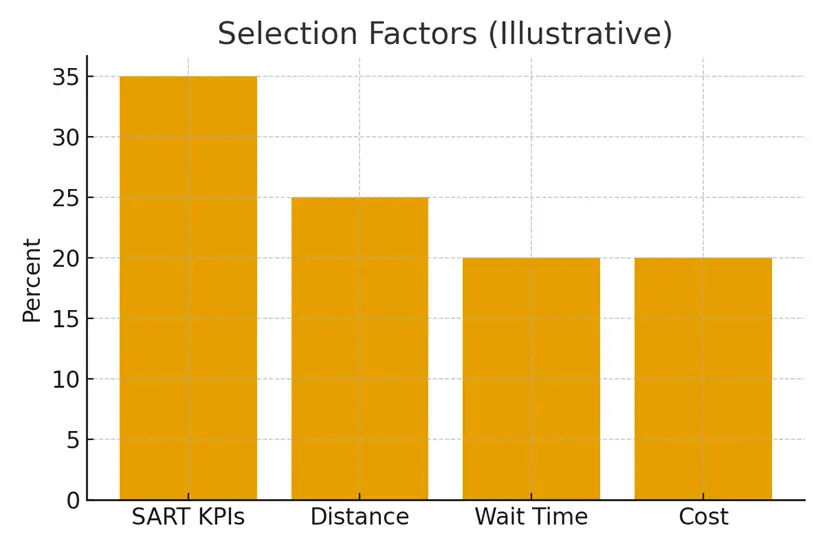
Evaluate These Factors
- Success rates (age-specific and per embryo transfer)
- Physician expertise in your specific diagnosis
- Lab quality and technology
- Donor program access
- Insurance acceptance
- Patient communication and support services
Typical Treatment Costs in DC/NoVA
- IVF cycle: $13,000–$20,000
- IUI cycle: $900–$1,600
- Egg freezing: $7,000–$10,000 + storage
- Surrogacy programs: Vary based on agency and legal framework
Costs are competitive but may vary based on medications, add-ons and monitoring needs.
Case Study: “Sophia & Elena’s Surrogacy Path in Northern Virginia”
Sophia and Elena, a couple from Arlington, had been trying for years when they turned to surrogacy due to medical contraindications for pregnancy. Their clinic guided them through donor selection, legal steps and gestational carrier matching.
With a PGT-tested embryo and a carefully timed FET cycle, their GC delivered a healthy baby boy — showcasing the power of structured, compassionate fertility care in NoVA.
Testimonials
1. Taylor, Washington, DC
“The clinic was thorough from the very first consultation. Their transparency about success rates and costs made everything feel manageable.”
2. Anwar & Leyla, Alexandria, VA
“We appreciated how culturally sensitive and inclusive the clinic was. They tailored every step of IVF to our needs.”
3. Christina, Arlington, VA
“My egg-freezing cycle was seamless. The nurses were incredible, and the embryology team gave detailed updates that kept me calm and informed.”
Expert Quote
“DC and Northern Virginia stand out because patients receive both scientific excellence and highly personalized care. This combination leads to better outcomes — especially for complex cases.”
— Dr. Rashmi Gulati
Related Links
- Fertility Clinics Near Me — Miami (FL)
- Fertility Clinics Near Me — Dallas–Fort Worth (TX)
- Fertility Clinics Near Me — San Francisco Bay Area (CA)
- Fertility Clinics Near Me — Boston (MA)
Glossary
ART: Assisted Reproductive Technology
PGT: Preimplantation Genetic Testing
GC: Gestational Carrier
FET: Frozen Embryo Transfer
AMH: Anti-Müllerian Hormone
HSG: Hysterosalpingogram
FAQ
Q. Are fertility clinics in DC and NoVA known for high success rates?
Ans. Yes. Many clinics in this region consistently report strong IVF success rates due to advanced labs, experienced physicians and evidence-backed protocols. However, individual outcomes vary based on age, diagnosis and embryo quality.
Q. Is the DC/NoVA area good for LGBTQ+ fertility care?
Ans. Absolutely. The region is considered one of the most inclusive in the U.S., offering donor sperm, donor eggs, surrogacy, reciprocal IVF and legal support tailored to LGBTQ+ parents.
Q. How soon can I start treatment?
Ans. Initial consultations typically occur within 2–4 weeks. Diagnostic testing may take another 2–3 weeks. Treatment timing depends on your menstrual cycle and clinic scheduling.
Q. How much does IVF cost in Washington, DC or Northern Virginia?
Ans. Expect $13,000–$20,000 for a single IVF cycle excluding medications. Packages, financing and insurance benefits can significantly reduce out-of-pocket costs.
Q. Do clinics in this region offer egg freezing?
Ans. Yes. Egg freezing is widely available, and many clinics specialize in younger patients seeking proactive fertility preservation.
Q. Are donor egg or donor sperm programs easy to access?
Ans. Yes. Most clinics have established donor programs or partner with national donor banks, making the process seamless for intended parents.
Q. What legal factors affect surrogacy in DC and NoVA?
Ans. Both DC and Virginia have supportive legal frameworks for gestational surrogacy, though contract structures vary. Most clinics guide patients through reputable legal partners.
Q. Can women over 40 get successful treatment here?
Ans. Yes, but success varies. Clinics often recommend PGT-tested embryos or donor eggs to improve outcomes for women in their 40s.
Q. Do clinics provide emotional support?
Ans. Most offer counseling services, support groups and mental health specialists experienced in infertility stress, loss and the surrogacy process.
Q. Is IUI still a good option in this region?
Ans. Yes. IUI is affordable, accessible and often successful for younger women with unexplained infertility or mild male-factor issues.
Q. What makes DC/NoVA fertility clinics different from others?
Ans. Their collaborative care model, strong legal support for third-party reproduction, advanced embryology labs and emphasis on patient-centered communication.
Q. How long does the surrogacy process take?
Ans. Typically 15–24 months, depending on matching timelines, legal steps, medical readiness and embryo availability.
Ready to take the next step? Call Surrogacy4All at (212) 661-7673 or email info@surrogacy4all.com to book your consultation.

Dr. Kulsoom Baloch
Dr. Kulsoom Baloch is a dedicated donor coordinator at Egg Donors, leveraging her extensive background in medicine and public health. She holds an MBBS from Ziauddin University, Pakistan, and an MPH from Hofstra University, New York. With three years of clinical experience at prominent hospitals in Karachi, Pakistan, Dr. Baloch has honed her skills in patient care and medical research.
- Dr. Kulsoom Baloch

- Dr. Kulsoom Baloch
- Dr. Kulsoom Baloch
- Dr. Kulsoom Baloch