
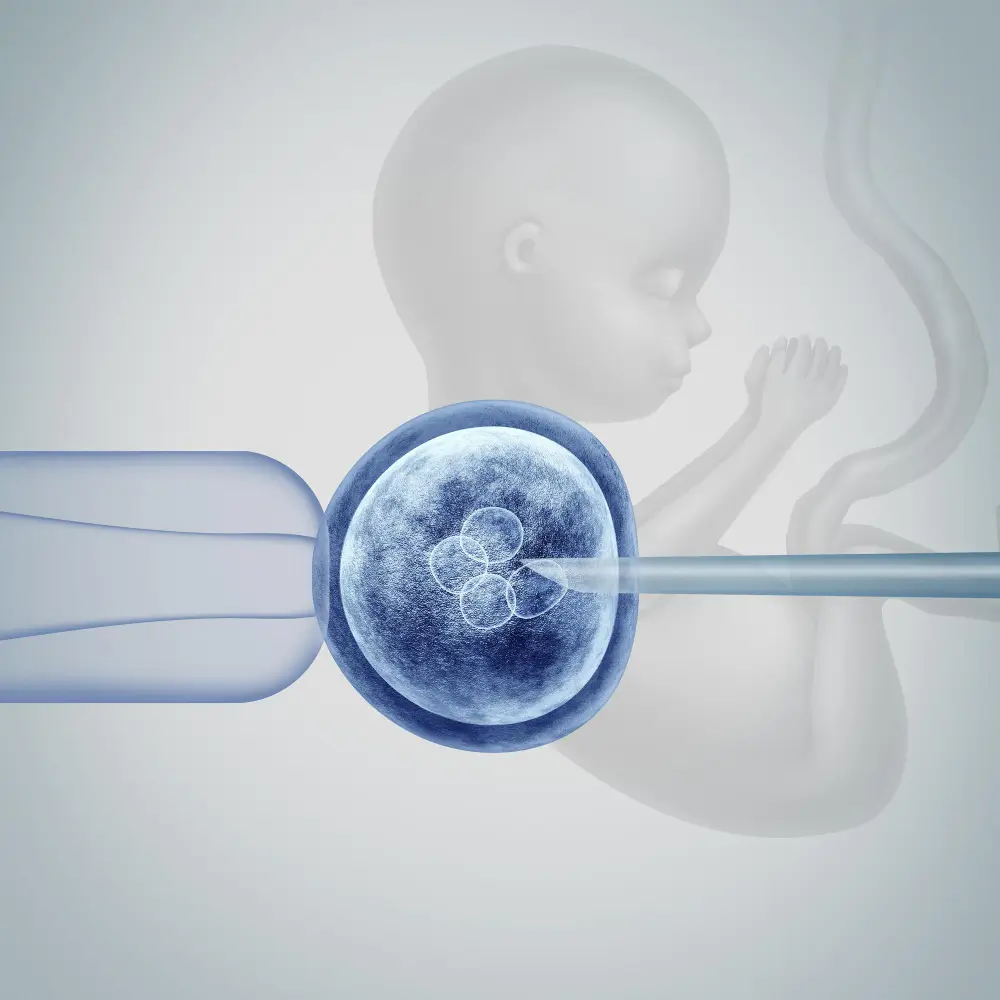
The IVF and embryo creation stage is one of the most important parts of any surrogacy journey. For intended parents choosing to pursue surrogacy in Georgia, understanding how embryos are created, screened, and transferred helps reduce stress and prepares them for a smoother experience. Georgia has become a preferred destination for many due to supportive laws, experienced clinics and streamlined treatment systems. With the right support, the entire process becomes more manageable, predictable, and emotionally reassuring.
Many families partner with Surrogacy4All because the team simplifies medical coordination, works with licensed IVF clinics, and guides intended parents through every milestone. Whether you are beginning parenthood for the first time or growing an existing family, knowing how the IVF clinic creates and prepares your embryos can give you confidence and clarity.
IVF & Embryo Process in Georgia
Initial Medical Consultation
The journey begins with the intended parents having a consultation with a fertility specialist. In this appointment, doctors review medical history, evaluate fertility needs, and design a personalized IVF process plan. If the intended parents require donor eggs or donor sperm, the clinic explains options and timelines clearly.
Couples and individuals choosing Georgia Surrogacy often appreciate that local clinics follow international standards, making the experience smooth even for those traveling from abroad.
Ovarian Stimulation & Egg Retrieval
Female intended parents—or an egg donor if needed—undergo ovarian stimulation. Hormonal medications are used to help the ovaries produce multiple eggs. Throughout this stage, ultrasounds and blood tests monitor the response to ensure safety.
Once the follicles reach the optimal size, the eggs are retrieved in a short outpatient procedure. This step is essential for creating healthy embryos and is performed by experienced reproductive endocrinologists.
Sperm Collection
At the same time, sperm is collected from the male partner or a donor. The sample is processed in the andrology lab to isolate the healthiest sperm. In most cases, clinics use Intracytoplasmic Sperm Injection (ICSI). In this method, a single sperm is injected directly into an egg to maximize fertilization.
Fertilization & Embryo Development
After retrieval, the eggs and sperm are combined in the embryology lab. Over the next few days, embryos begin to grow and divide. Embryologists monitor their development closely, selecting the strongest embryos for genetic testing, freezing, and transfer.
Intended parents who work with Surrogacy4All often appreciate receiving daily or ongoing updates about embryo progress so they can stay emotionally connected to the journey.
Genetic Screening (PGT-A)
Preimplantation Genetic Testing for Aneuploidy (PGT-A) has become a widely recommended step. It helps identify healthy embryos with the best chance of successful implantation and a healthy pregnancy.
For intended parents pursuing Surrogacy agency in Georgia services, clinics ensure transparent communication regarding embryo grading, testing results, and transfer recommendations.
Embryo Freezing
Once embryos reach the blastocyst stage, they are frozen using a technique called vitrification. Freezing allows flexibility in scheduling the embryo transfer, giving time for surrogate selection and preparation.
Preparing the Surrogate for Transfer
The chosen surrogate undergoes screenings to confirm medical fitness. The clinic prepares her uterine lining using hormones so that the environment is perfect for embryo transfer.
Many intended parents work with a Georgia Surrogacy agency to coordinate communication, medical appointments, and legal steps with the surrogate.
Embryo Transfer Procedure
The embryo transfer is painless and quick. A single embryo is placed into the surrogate’s uterus using a thin catheter. After transfer, she rests briefly and then resumes normal activities unless instructed otherwise.
The waiting period that follows—often 9–12 days—can be emotional. Soon after, a pregnancy test confirms whether the transfer was successful.
Pregnancy Monitoring
Once pregnancy is confirmed, the surrogate receives regular medical monitoring. Clinics track hormone levels, early fetal development and overall well-being. Many intended parents ask about surrogacy cost, and understanding how IVF and follow-up care fit into the financial plan helps with budgeting.
Throughout this stage, Surrogacy4All continues offering support, updates and coordination between the surrogate and medical team.
If you’re ready to begin your IVF and embryo creation journey with professional guidance, compassionate care, and transparent communication, contact Surrogacy4All today to start your path toward parenthood.
Related Links
- Find a Surrogate in the USA
- Find a Surrogate in Canada
- Become a Surrogate
- Egg Donor Options in the USA
- Indian Egg Donors
- Patients Medical – Wellness & Fertility
FAQs
Q. How does the IVF process work for surrogacy in Georgia?
Ans : The IVF process involves egg retrieval, fertilization, embryo development, and transfer to the surrogate. Clinics offering surrogacy in Georgia follow internationally recognized standards for safety and success.
Q. Is a Georgia Surrogacy agency involved during embryo creation?
Ans : Yes. A Georgia Surrogacy agency helps coordinate communication with the clinic, explains timelines, and ensures all steps align with the intended parents’ goals.
Q. What factors affect surrogacy cost during IVF?
Ans : Parts of the IVF stage—such as medications, lab work, and genetic testing—impact overall surrogacy cost. Agencies guide intended parents on budgeting effectively.
Q. Do Surrogacy4All clinics offer embryo genetic testing?
Ans : Yes, Surrogacy4All partners with clinics that provide PGT-A testing, helping select healthy embryos for higher success rates.
Q. What is the role of a Surrogacy agency in Georgia during embryo transfer?
Ans : A Surrogacy agency in Georgia ensures the surrogate is medically prepared, schedules appointments, and supports communication between all parties for a smooth experience.
Ready to take the next step? Call Surrogacy4All at (212) 661-7673 or email info@surrogacy4all.com to book your consultation.

Dr. Kulsoom Baloch
Dr. Kulsoom Baloch is a dedicated donor coordinator at Egg Donors, leveraging her extensive background in medicine and public health. She holds an MBBS from Ziauddin University, Pakistan, and an MPH from Hofstra University, New York. With three years of clinical experience at prominent hospitals in Karachi, Pakistan, Dr. Baloch has honed her skills in patient care and medical research.
- Dr. Kulsoom Baloch

- Dr. Kulsoom Baloch
- Dr. Kulsoom Baloch
- Dr. Kulsoom Baloch