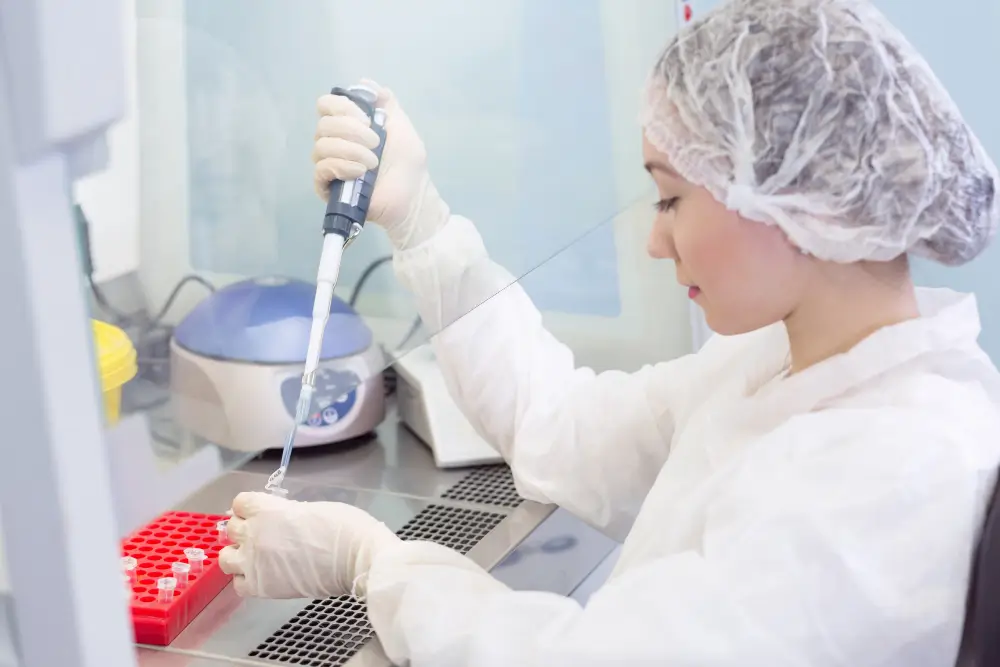
When pursuing surrogacy in Illinois, understanding the role of the IVF and embryo laboratory is critical. After all, the success of the embryo transfer, the birth outcome, and your peace of mind depend in large part on working with high-quality labs.
For intended parents, choosing a lab that is properly certified, regulated, and experienced is part of selecting the right Illinois surrogacy agency or clinic. In this guide, we’ll dive into what makes a lab trustworthy in Illinois, why FDA registration matters, and how you can align this with your surrogacy journey.
Why Lab Quality Matters for Illinois Surrogacy
In the journey of Illinois Surrogacy, the medical component (IVF, embryo creation, transfer, and pregnancy monitoring) is a major milestone. A top-tier embryo lab means:
- Better embryo development, higher chance of a viable pregnancy
- Robust protocols for safety, traceability, and regulatory compliance
- Peace of mind for intended parents that the process is managed with excellence
Since a gestational carrier will carry the embryo you and/or your donor created, you want every link in the chain — surgeon, fertility clinic, embryo lab — to meet the highest standards.
What Does “FDA-Registered” & Other Certifications Mean?
When a lab is labelled “FDA-Registered” or “CLIA Certified” or holds other accreditation, it means it follows federal and state standards for processing human tissues, embryos, gametes, or cells. For example:
- The Food and Drug Administration (FDA) sets rules for labs handling human cells, tissues, and cellular and tissue-based products (HCT/Ps).
- The Clinical Laboratory Improvement Amendments (CLIA) are federal standards that require clinical labs to ensure accuracy and reliability.
- Clinics may also be accredited by the College of American Pathologists (CAP) or the Society for Assisted Reproductive Technology (SART), which go beyond regulatory compliance and emphasise best practice.
In Illinois, the presence of a registered and accredited lab means that your embryo handling, freezing, thawing, transfer, and monitoring are done under strict protocols, which is especially important in the surrogacy process, where multiple stakeholders (surrogate, intended parents, clinic) must coordinate seamlessly.
Leading IVF & Embryo Labs in Illinois
Here are examples of competent labs/fertility centres in Illinois that highlight the standard you should expect:
1. Pinnacle Fertility Naperville (Naperville, IL)
- This clinic advertises IVF, egg retrieval, donor eggs, and a “Registered with FDA; Sperm/Tissue Bank Registration; CLIA Certified” lab.
- They clearly state they support surrogacy and donor programs, which is appealing when you’re navigating a surrogacy agency in Illinois.
2. Pinnacle Fertility Chicago (Chicago, IL)
- Their IVF lab is described as “FDA-registered; CLIA Certified; Inclusive family building services” including surrogacy.
- Working with a large urban centre lab like this may offer broader resources for gestational carriers, intended parents, and embryo logistics.
These examples show the kind of certifications and quality you should check when selecting the clinic that will partner with your Illinois Surrogacy agency or surrogate.
How to Evaluate an Embryo Lab for Your Surrogacy Journey
Here are key questions to ask to ensure you choose a reliable lab:
Is your lab FDA-registered and CLIA certified?
Ask for documentation or proof of registration. This confirms they meet regulatory standards.
What are your laboratory outcomes?
What is the lab’s experience with IVF cycles involving gestational carriers, embryo thawing, freezing, and transfers? Have they worked specifically with surrogacy programs?
What safety and traceability protocols are in place?
How do they manage the chain of custody, labeling, and mistake prevention in embryo handling? For example, one lab noted: “All our labs comply with FDA, CDC, and state-specific regulations.”
How integrated is the lab with the surrogacy path?
Since you’re doing surrogacy in Illinois, you need a lab experienced with third-party treatments, coordinating with legal and parentage orders, working with a surrogate and intended parents.
What happens in case of thaw/freeze issues or embryo failure?
Ask about backup plans, costs of additional cycles, and how they mitigate risk. Also, check how the lab handles tissue banking and long-term storage.
What are the costs?
IVF and embryo lab costs can vary widely depending on required services, donor eggs, genetic testing, freezing, etc. Your Illinois Surrogacy agency should help you understand where the lab fees fit in your budget.
Why Choose Surrogacy4All to Partner With for Lab Selection
When you engage Surrogacy4All, they support you in selecting the right lab for your journey. Specifically they:
- Recommend labs in Illinois with FDA registration and strong surrogacy experience.
- Help intended parents understand lab processes, outcomes, and cost implications.
- Coordinate between your surrogate, fertility clinic, lab, and legal team so everyone’s aligned.
- Provide transparency on how embryo labs integrate with the larger surrogacy process.
This streamlines the entire path, reducing surprises and aligning expectations for both parties.
Final Words
When planning surrogacy in Illinois, the embryo lab you choose is one of the most foundational decisions you’ll make. A top-quality, FDA-registered, CLIA-certified lab means better oversight, safety, and trust — which in turn supports your goal of a successful, healthy birth. Pairing that lab with a strong agency or clinic and a fully screened surrogate gives you the best chance of a positive outcome.
If you’re ready to move forward, find a lab you trust, ensure your Illinois Surrogacy agency supports it, and move ahead with confidence.
Contact Surrogacy4All today and ask us about our recommended FDA-registered labs in Illinois, success rates, cost details, and how to align your journey with the best facility.
Related Links
- Find a Surrogate in the USA
- Find a Surrogate in Canada
- Become a Surrogate
- Egg Donor Options in the USA
- Indian Egg Donors
- Patients Medical – Wellness & Fertility
FAQs:-
Q. Why does FDA registration matter for an IVF/embryo lab?
Ans: It ensures high-level safety and proper handling protocols for embryos.
Q. Can a lab be outside Illinois for my surrogacy program?
Ans: Yes, but staying in-state helps streamline coordination with the Surrogacy agency in Illinois and legal proceedings.
Q. What additional tests might the lab do for a surrogacy journey?
Ans: Embryo genetic testing, storage, and quality checks to support strong outcomes.
Q. How do I compare costs across labs?
Ans: Review full IVF cost breakdowns — freezing, storage, and monitoring included.
Q. What happens if the embryo doesn’t survive thaw or fails to implant?
Ans: Clinics have backup options — additional embryos, repeat transfers, adjusted protocols.
Ready to take the next step? Call Surrogacy4All at (212) 661-7673 or email info@surrogacy4all.com to book your consultation.

Dr. Kulsoom Baloch
Dr. Kulsoom Baloch is a dedicated donor coordinator at Egg Donors, leveraging her extensive background in medicine and public health. She holds an MBBS from Ziauddin University, Pakistan, and an MPH from Hofstra University, New York. With three years of clinical experience at prominent hospitals in Karachi, Pakistan, Dr. Baloch has honed her skills in patient care and medical research.
- Dr. Kulsoom Baloch

- Dr. Kulsoom Baloch
- Dr. Kulsoom Baloch
- Dr. Kulsoom Baloch