
When Things Change — Multiples, Complications, Early Delivery

When Things Change — Multiples, Complications, Early Delivery covers how a surrogacy arrangement adjusts when the medical course shifts from the original plan. it explains: Where these scenarios fit in the surrogacy process What they change legally, financially, and medically How upstream decisions (contract terms, insurance, clinic strategy, embryo transfer decisions) affect downstream results (hospital […]
Adenomyosis — Medical Options and Timing
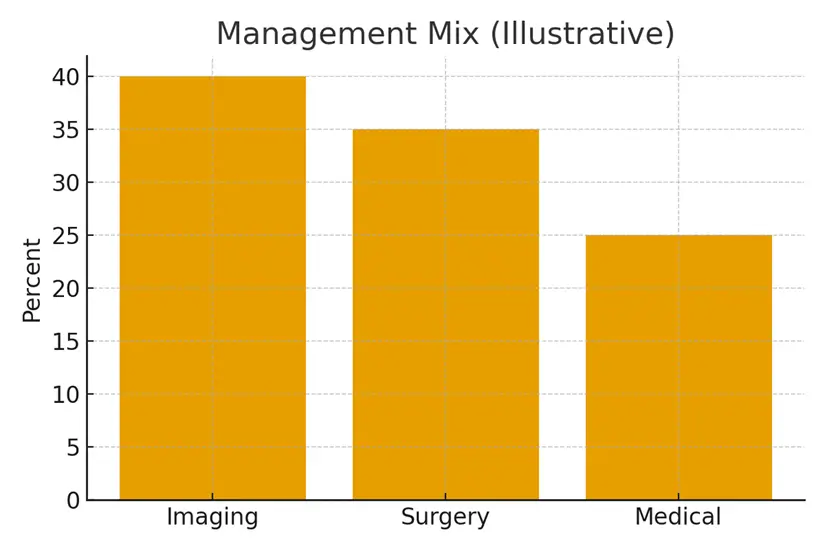
Key Takeaways Adenomyosis affects implantation, uterine contractions, and inflammation—making IVF timing and preparation crucial. Medical suppression before FET can significantly improve pregnancy rates. Options include GnRH agonists, LNG-IUD, progestins, anti-inflammatory therapy, or combined protocols. Most women benefit from 2–3 months of suppression before frozen embryo transfer. Imaging (MRI or 3D ultrasound) guides treatment planning and […]
Pre‑Chemo Testing — AMH, AFC, and Baseline Labs

Key Takeaways Chemotherapy can severely damage sperm production—testing and banking must happen before treatment starts. Baseline labs help assess current fertility and determine how many samples are needed. AMH and AFC—although typically used for women—guide overall reproductive planning for couples where both partners need pre-chemo assessment. Men can complete testing + sperm banking within 24–48 […]
Real‑World Scenarios — Matching Protocols to History

This article explains real-world scenarios — matching protocols to history within the IVF Protocols & Medications pathway. It focuses on decisions that actually change outcomes, budgets, and timelines—so you can move forward with confidence and choose a protocol that fits your unique medical story. What It Is Matching protocols to history means using what your […]
Sperm Banking — Urgent Steps for Men
Key Takeaways Sperm banking is a fast, simple, and highly effective method of preserving future fertility. Men facing urgent medical treatments (chemotherapy, surgery, testosterone therapy) should freeze sperm immediately. The entire process—from evaluation to freeze—can be completed within 24–48 hours when needed. Sperm freezing is inexpensive, safe, and offers long-term storage (10–25+ years). Early action […]
Time‑to‑Pregnancy Forecaster — Multi‑Cycle Planning
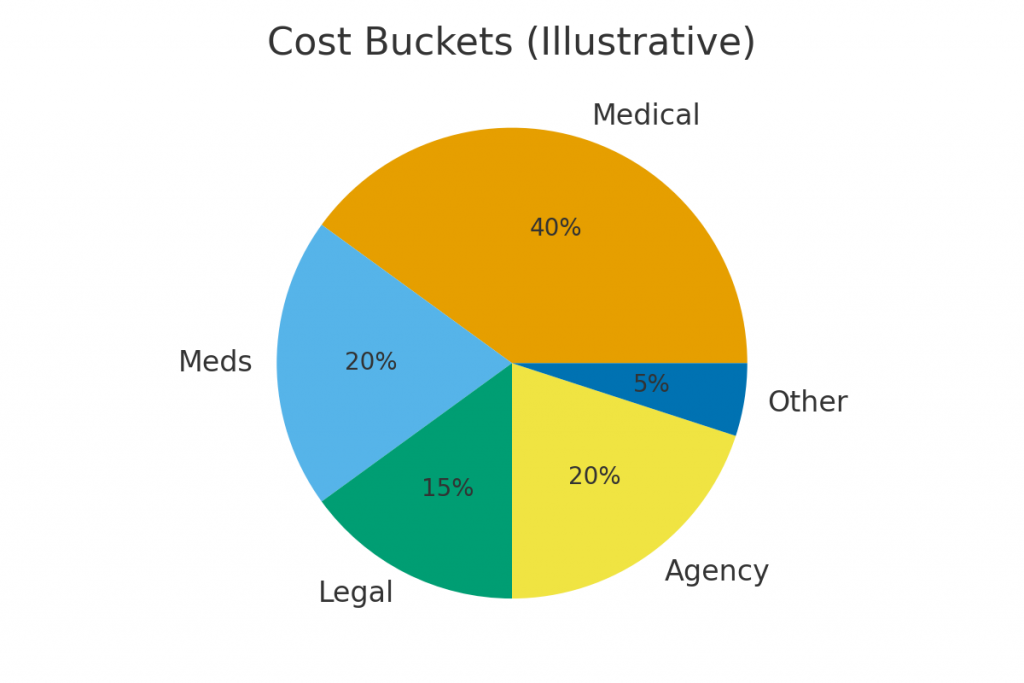
Key Takeaways Time-to-pregnancy varies depending on IVF cycles, embryo quality, surrogate health, and age. Multi-cycle planning improves predictability for both surrogates and intended parents. The Time-to-Pregnancy Forecaster estimates timelines for multiple IVF and embryo transfer cycles. Helps align expectations, plan finances, and manage travel, medications, and clinic schedules. Forecasting reduces stress and enhances decision-making throughout […]
Second Cycle Planning — Banking Strategy
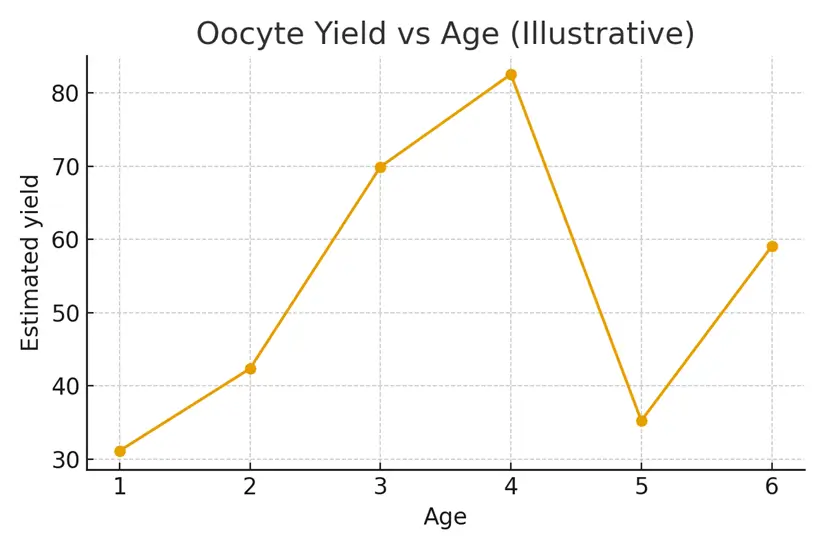
This article explains Second Cycle Planning — Banking Strategy within the Egg Freezing & Fertility Preservation pathway. Many patients complete a first cycle, review their results, and then wonder: Should I do another? When? How should I plan it?This guide focuses on the practical decisions that influence egg yield, cost, and timing—so you can move […]
Quality Standards — CAP, CLIA, FDA

This article explains quality standards — CAP, CLIA, FDA within the Clinic Selection & Success Rates pathway. It focuses on the accreditation and oversight details that actually change outcomes, budgets, and timelines—so you can move forward with confidence. What It Is Quality Standards — CAP, CLIA, FDA in plain English: these are the systems that […]
Recurrence Prevention — What Can We Do
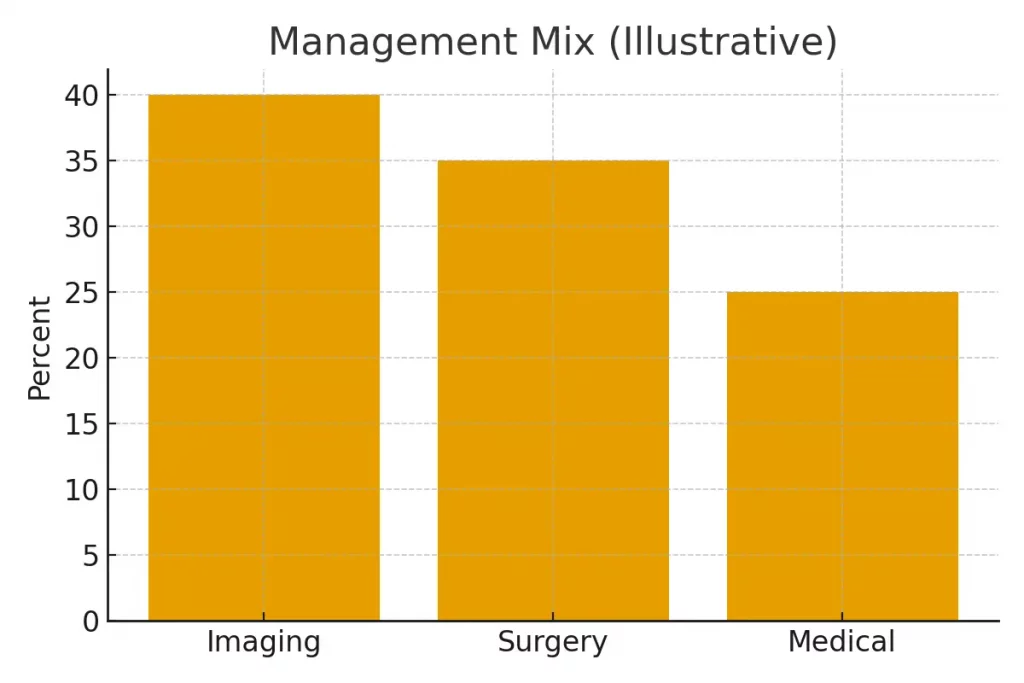
Key Takeaways Recurrence of adhesions or septum is possible—even after successful hysteroscopy—making preventive steps essential. Healing protocols, postoperative medications, and hormonal support can lower recurrence chances dramatically. Lifestyle, diet, and inflammation management play a meaningful role in long-term reproductive health. Follow-up imaging and timely intervention are critical to maintaining a healthy uterine environment. Prevention is […]
Selenium, Iodine, and Vitamin D — Practical Dosing
Key Takeaways Selenium, iodine, and vitamin D play major roles in thyroid function, fertility, and healthy pregnancy. Selenium supports antibody reduction and thyroid hormone conversion. Iodine is essential for fetal neurological development — but overdosing is harmful. Vitamin D deficiency is common in women of reproductive age and affects implantation and immune balance. Correct dosing […]
