
When Friends and Family Don’t Get It
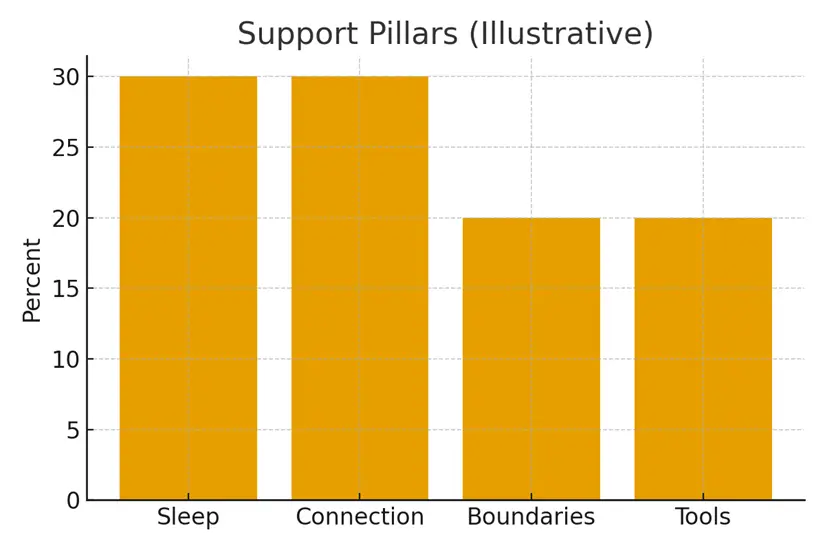
Key Takeaways Many friends and family members genuinely care but struggle to understand the emotional complexity of fertility treatment. Misunderstandings often come from lack of knowledge — not lack of love. Setting clear boundaries can protect your emotional health while keeping relationships intact. Communication scripts help you respond to unwanted advice or intrusive questions. You […]
Banking Strategy — How Many Retrievals to Plan

Key Takeaways A smart banking strategy avoids running out of embryos mid-journey — especially for surrogacy or future siblings. The number of retrievals you need depends on age, ovarian reserve, PGT-A goals, and preferred family size. Older age groups usually require more retrievals to generate at least one euploid embryo. Planning upfront saves time, cost, […]
Avoiding Surprise Bills — Line‑Item Discipline
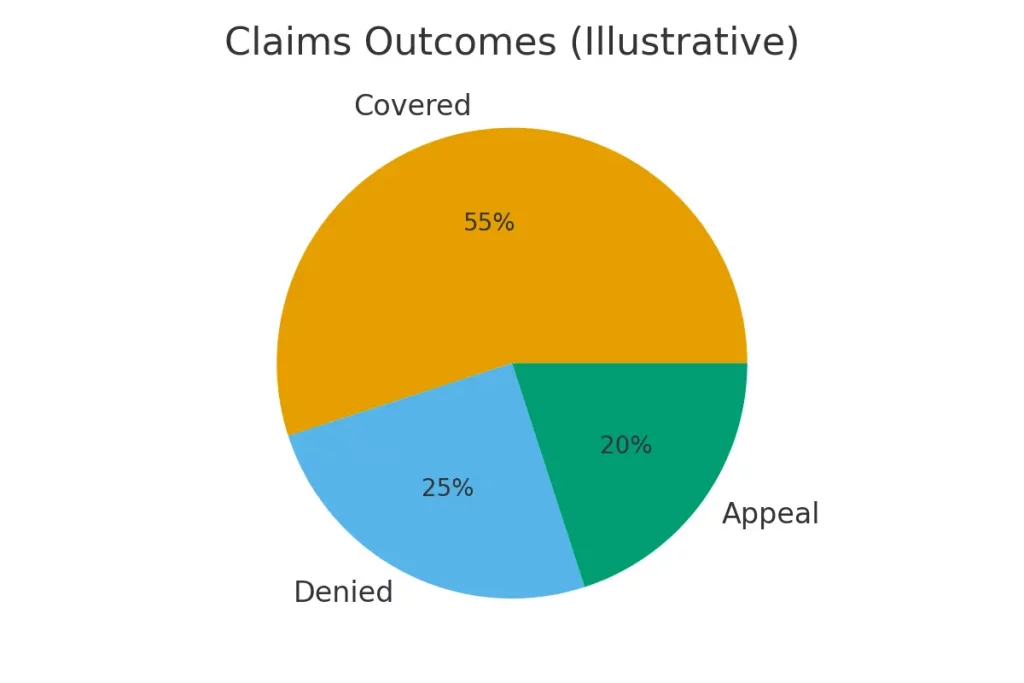
Line-item discipline means knowing every individual charge before it appears, verifying it with your clinic, insurer, and pharmacy—and confirming what triggers billing at each step. Where it fits: IVF, ICSI, PGT, donor cycles, surrogacy, FET Medication-heavy protocols Out-of-network clinics or multiple clinics Pre-authorizations, deductible resets, or employer benefits navigation What it changes: Reduces unexpected charges […]
Glossary — Common Terms in Uterine Factor
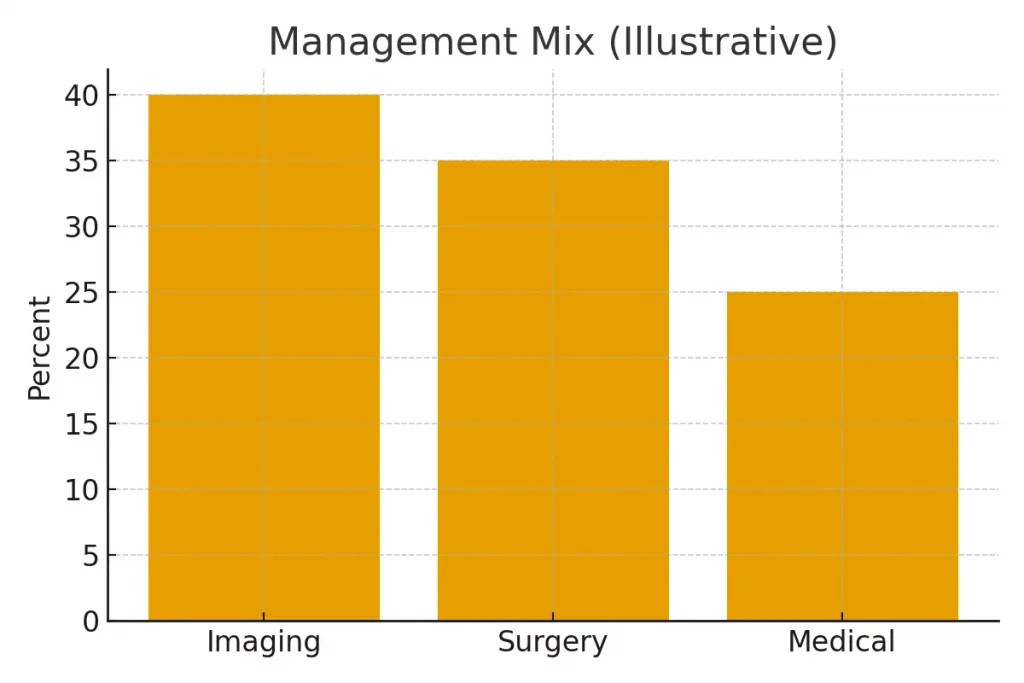
Key Takeaways Understanding uterine factor terminology empowers patients to actively participate in treatment decisions. Key terms include structural, functional, and procedural concepts relevant to fertility. Correct interpretation of uterine conditions improves outcomes in IVF, FET, and surgical interventions. Knowledge of terms helps patients ask informed questions and understand reports. This glossary serves as a foundation […]
Cervical Factors — When Access Is the Issue
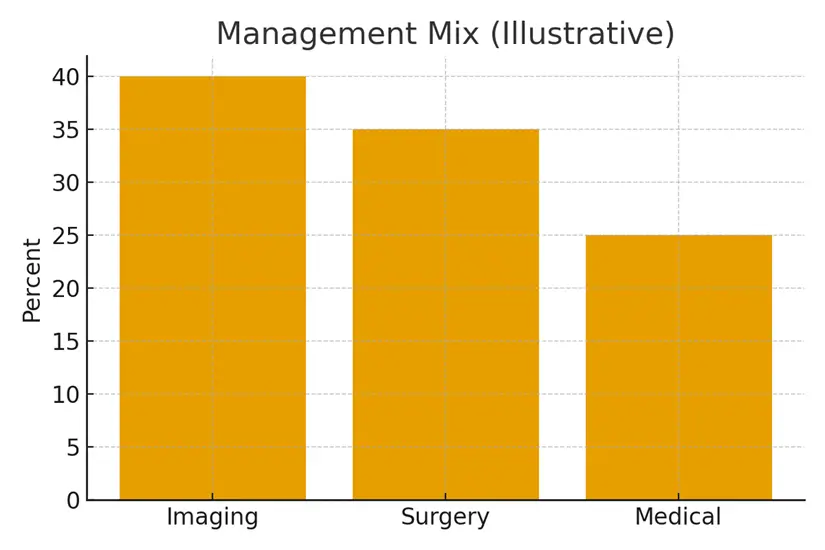
Key Takeaways Cervical factor infertility occurs when sperm or embryos cannot easily pass through the cervical canal. Causes include stenosis, scarring, infections, dryness, abnormal mucus, and anatomical variations. IUI often bypasses cervical barriers entirely. For IVF/FET, a “mock transfer” helps ensure the cervix allows smooth catheter access. Most cervical issues are treatable with minimally invasive […]
Age and Egg Quality — What Changes and When

Key Takeaways Egg quality declines predictably with age — but how fast varies from person to person. AMH, AFC, and FSH do not measure egg quality; they measure ovarian reserve. Chromosomal abnormalities rise significantly after age 35, especially after 38–40. Early testing prevents rushed decisions and expands available paths (IVF, donor eggs, surrogacy). Egg quantity […]
PCOS and Thyroid Cross‑Talk — Metabolic Basics
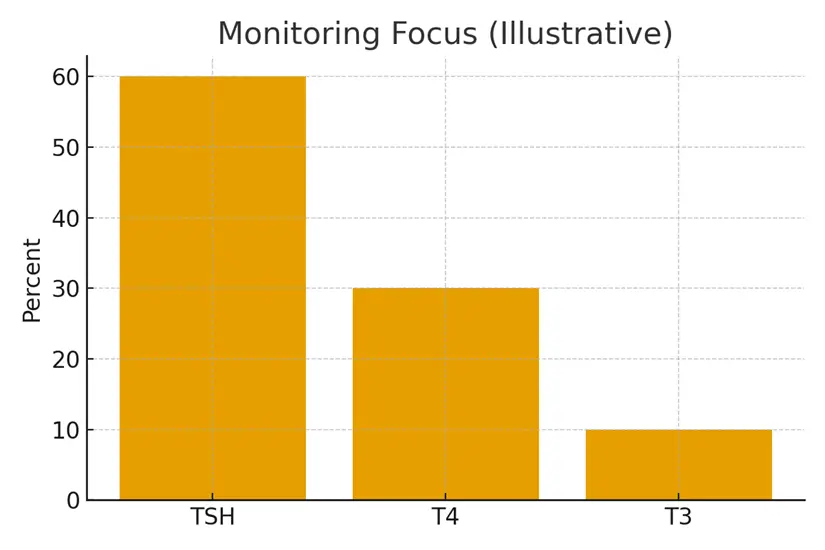
Key Takeaways PCOS and thyroid dysfunction frequently co-exist because both are rooted in metabolic and hormonal regulation. Thyroid hormones influence ovulation, insulin sensitivity, and endometrial development — all critical for fertility. Even “borderline” thyroid abnormalities (such as mildly elevated TSH) can impact PCOS treatment outcomes. Hashimoto’s increases miscarriage risk, especially when untreated. Managing insulin resistance […]
Checklist Generator — Retrieval Day, Transfer Day
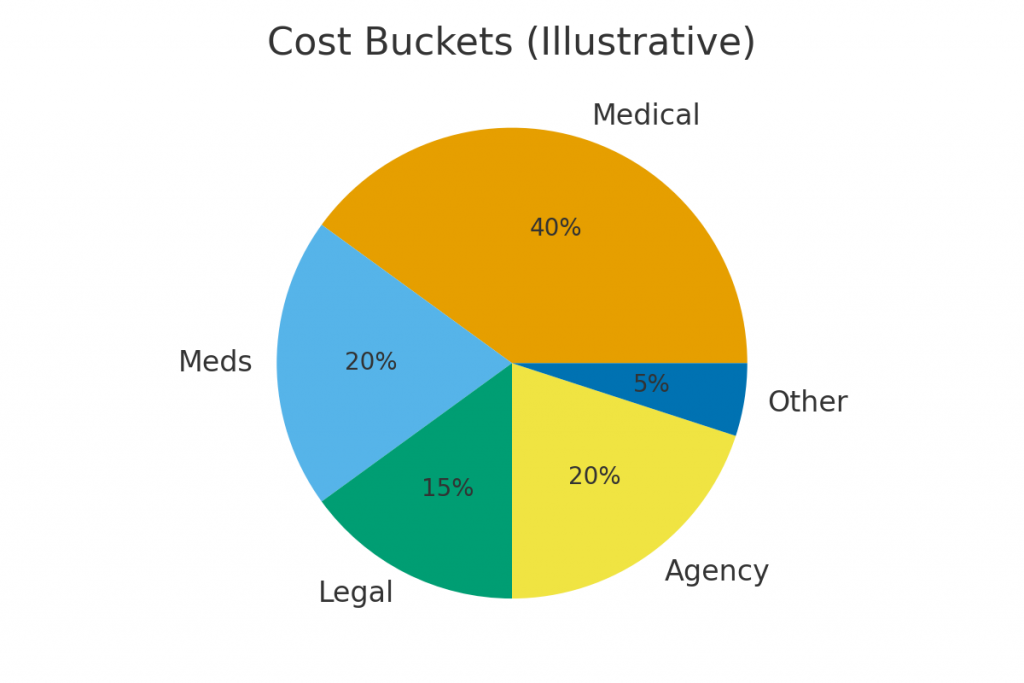
Key Takeaways Retrieval Day and Transfer Day come with many instructions—checklists reduce stress & missed steps. A customized checklist generator helps organize medication timing, documents, transport, and comfort items. Surrogates and intended parents can share one centralized checklist for coordination. Preparation boosts clinical efficiency and enhances cycle success. Tools like this reduce confusion and help […]
PCOS Nutrition — Insulin and Cycle Regularity
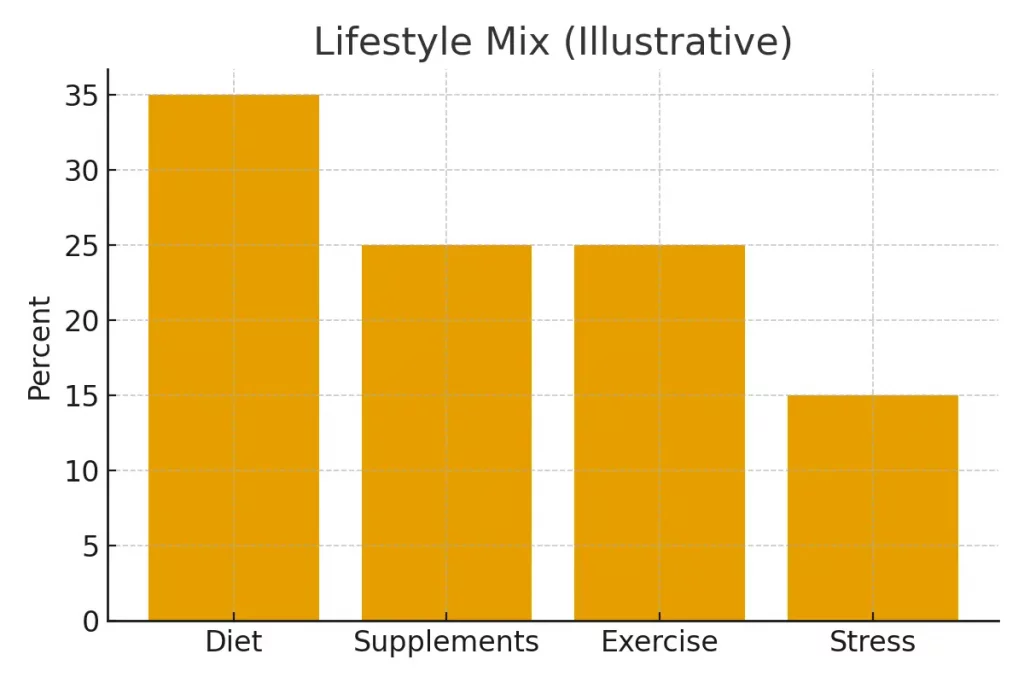
Key Takeaways PCOS is deeply connected to insulin resistance, which influences ovulation, weight, and hormone balance. Nutrition is one of the most powerful tools for managing PCOS without medication. Low-glycemic, balanced meals help stabilize insulin, reduce inflammation, and improve cycle regularity. Simple swaps—like whole grains instead of refined carbs—can create measurable changes within weeks. Consistency […]
Cash‑Flow Planning — Milestones Over 12–18 Months
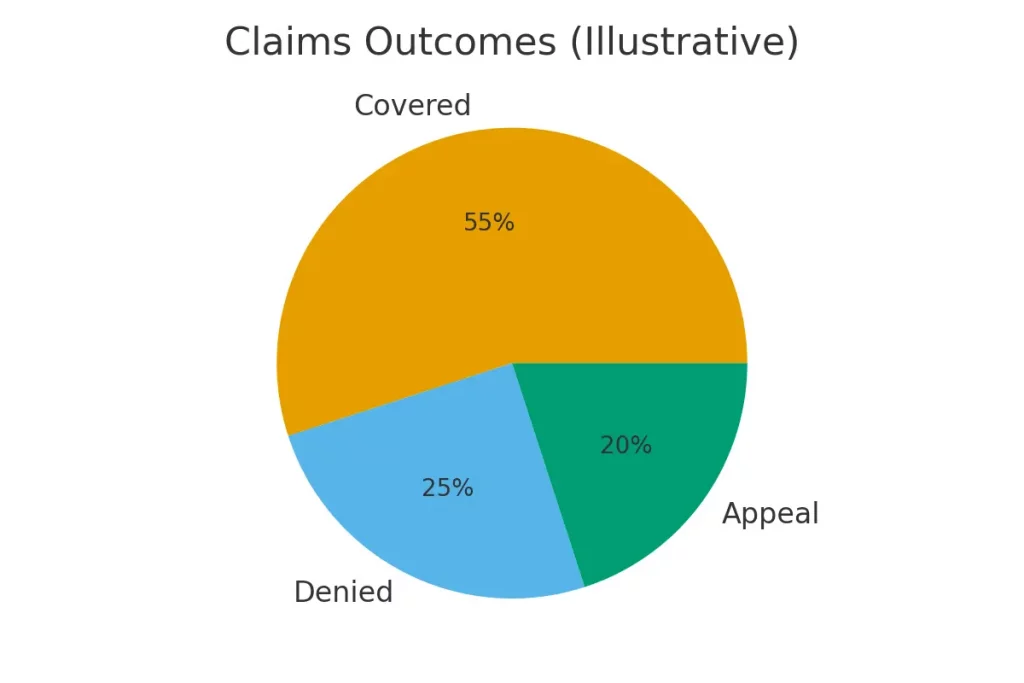
Cash-flow planning means understanding exactly when money leaves your account as you move through diagnostics, retrievals, transfers, donor choices, and pregnancy care. It’s not just “how much fertility costs”—it’s when those costs hit. Where it fits: Before starting IVF, donor cycles, surrogacy, genetic testing, or embryo banking When coordinating insurance + self-pay + employer benefits […]
