Key Takeaways
- Personalized FET timing uses serum progesterone levels to optimize embryo implantation
- Ensures the endometrium is fully receptive before transfer
- Reduces the risk of failed implantation and miscarriage
- Enhances success in gestational surrogacy cycles
- Supports tailored treatment plans for each patient
Frozen Embryo Transfer (FET) is a critical step in IVF, and timing is everything. Implantation success depends on synchrony between the embryo and the endometrium.
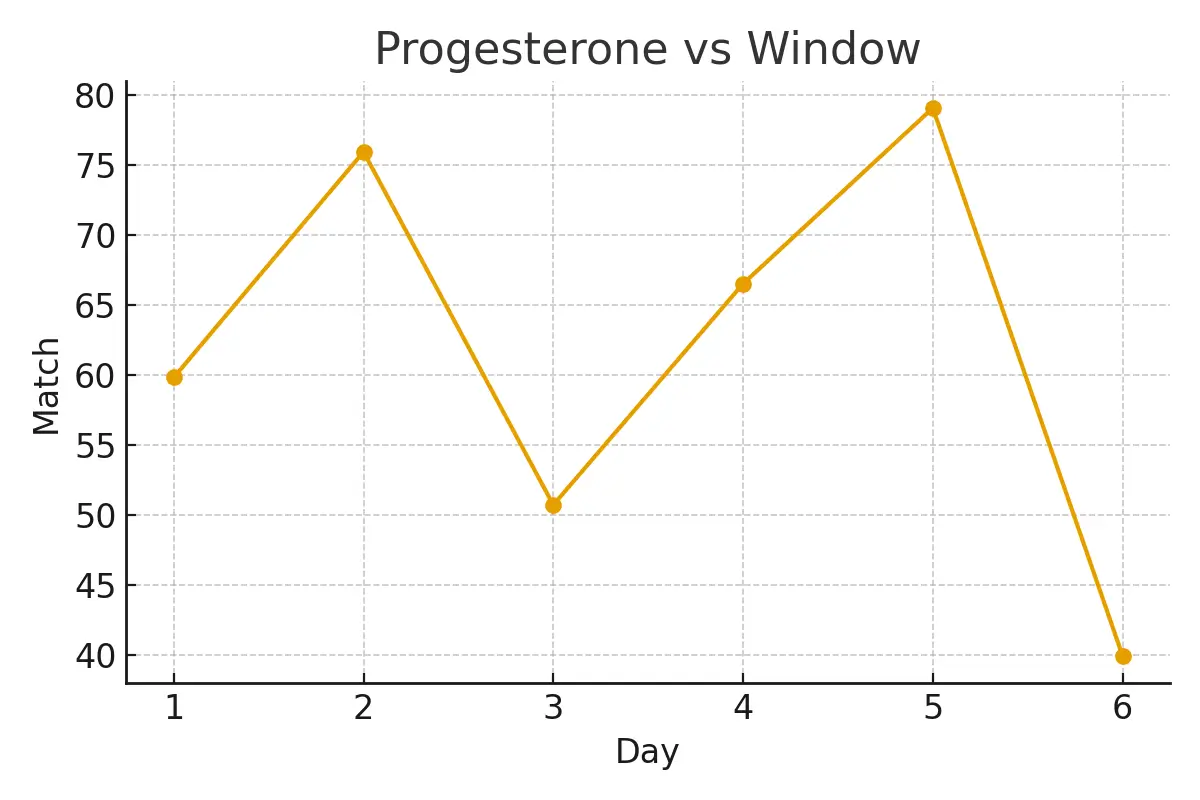
Personalized FET timing involves monitoring serum progesterone, the hormone that prepares the uterus for implantation. By measuring progesterone levels, fertility specialists can adjust transfer timing to match the endometrium’s optimal window.
For intended parents, this increases the likelihood of successful pregnancy. For gestational surrogates, it ensures safer transfers and better outcomes for both the surrogate and the embryo.
What Is Serum Progesterone Monitoring?
Progesterone is produced after ovulation or during hormone replacement cycles in FET. It:
- Prepares the endometrium for implantation
- Supports early pregnancy
- Determines the implantation window for embryos
Monitoring serum progesterone allows clinicians to identify whether levels are adequate for transfer or if adjustments are needed.
How Personalized FET Timing Works
Step 1: Blood Test Monitoring
- Progesterone levels are checked in the luteal phase or before transfer
- Timing may vary depending on natural or hormone replacement cycles
Step 2: Adjusting Transfer Day
- Embryo transfer is scheduled when progesterone levels indicate optimal endometrial receptivity
- Can involve advancing, delaying, or adjusting hormone supplementation
Step 3: Transfer and Support
- Embryos are transferred when the endometrium is most receptive
- Progesterone supplementation continues post-transfer to support implantation
Benefits of Personalized FET Timing
Improved Implantation Rates
-
Studies show higher implantation and live birth rates when progesterone levels are optimized
Reduced Miscarriage Risk
-
Correct timing reduces early pregnancy loss associated with hormonal asynchrony
Better Surrogacy Outcomes
-
Gestational surrogates experience safer and more predictable cycles
Tailored Treatment
-
Each patient’s hormone profile is unique; personalized FET accounts for individual differences
Case Study
Background:
An intended parent couple had two unsuccessful FET cycles despite good-quality embryos.
Intervention:
Progesterone levels were monitored, and the transfer was scheduled when serum progesterone indicated peak receptivity.
Outcome:
- Successful implantation on first attempt
- Healthy pregnancy in a gestational surrogate
- Reduced stress and uncertainty for both surrogate and intended parents
Testimonials
Intended Parent – USA
“Monitoring progesterone for our FET made all the difference. The timing was perfect, and we finally had success.”
Gestational Surrogate – UK
“Knowing the embryo transfer was tailored to hormone levels gave me confidence throughout the pregnancy.”
Fertility Specialist
“Personalized FET timing is a game-changer for patients with previous implantation failures or surrogacy cycles.”
Expert Quote
“Adjusting embryo transfer based on serum progesterone ensures the endometrium is receptive, significantly improving IVF and surrogacy success rates.”
— Dr. Rohan Malhotra, Reproductive Endocrinologist
Related Links
- Frozen Embryo Transfer in Gestational Surrogacy
- Hormonal Optimization for IVF
- Implantation Window and Endometrial Receptivity
- Gestational Surrogate Cycle Management
Glossary
- FET: Frozen Embryo Transfer
- Serum Progesterone: Blood hormone measurement critical for implantation
- Endometrium: Uterine lining prepared for embryo implantation
- Luteal Phase: Phase after ovulation when progesterone rises
- Embryo Transfer: Placement of embryos into the uterus
Frequently Asked Questions (FAQ)
Q. What is the optimal serum progesterone level for FET?
Ans : It varies by lab and protocol, but levels generally need to exceed 10–12 ng/mL for optimal receptivity.
Q. Can FET fail even with personalized timing?
Ans : Yes. Other factors like embryo quality and uterine health also play roles.
Q. How often is progesterone monitored?
Ans : Typically once before transfer; sometimes multiple checks are done depending on the protocol.
Q. Can progesterone levels be adjusted?
Ans : Yes, with oral, vaginal, or injectable supplementation.
Q. Does personalized FET require additional tests?
Ans : Only hormone monitoring and sometimes ultrasound to assess endometrium.
Q. Is it suitable for all surrogacy cycles?
Ans : Yes, especially for hormone replacement or previous failed cycles.
Q. Can natural FET cycles use this method?
Ans : Yes, monitoring is adapted to the surrogate’s natural cycle.
Q. Is it invasive for the surrogate?
Ans : No, it only requires routine blood tests and standard embryo transfer.
Q. How does it improve implantation?
Ans : By ensuring the endometrium is fully receptive when the embryo is transferred.
Q. Is it expensive?
Ans : Costs vary but are generally included in advanced FET protocols.
Q. Can progesterone timing be adjusted mid-cycle?
Ans : Yes, clinicians can modify supplementation to optimize receptivity.
Q. Who decides the personalized transfer day?
Ans : The fertility specialist evaluates progesterone levels, endometrial thickness, and patient history.

Dr. Kulsoom Baloch
Dr. Kulsoom Baloch is a dedicated donor coordinator at Egg Donors, leveraging her extensive background in medicine and public health. She holds an MBBS from Ziauddin University, Pakistan, and an MPH from Hofstra University, New York. With three years of clinical experience at prominent hospitals in Karachi, Pakistan, Dr. Baloch has honed her skills in patient care and medical research.
- Dr. Kulsoom Baloch

- Dr. Kulsoom Baloch
- Dr. Kulsoom Baloch
- Dr. Kulsoom Baloch