Your Quick Answer
- Is pregnancy with PCOS possible? Yes, many women with PCOS conceive naturally, while others need fertility treatment.
- Why does PCOS affect fertility? Hormonal imbalances can cause irregular or absent ovulation, making conception more difficult.
- Can you get pregnant naturally with PCOS? Yes, although irregular periods can make fertile days harder to predict.
- Can lifestyle changes help? Balanced nutrition, regular physical activity, and adequate sleep can support reproductive and metabolic health.
- Which treatments can help? Letrozole may stimulate ovulation, metformin may help some women, and IVF may be an option when appropriate.
- When should you see a fertility specialist? Seek advice early if your periods are irregular or absent, rather than waiting a full year.
- Does PCOS mean infertility? No, PCOS does not mean pregnancy is impossible; treatment depends on your individual health and fertility needs.
Detailed Overview
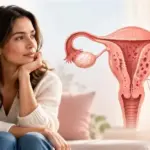
If you have polycystic ovary syndrome (PCOS), you may wonder whether getting pregnant will be difficult. The answer depends on how the condition affects your menstrual cycle and ovulation. Some women with PCOS conceive naturally, while others need medical help. Having PCOS does not mean you cannot get pregnant.
How Does PCOS Affect Fertility?
PCOS is a hormonal condition that can affect how your ovaries work. It may cause irregular periods, acne, excess facial hair, scalp hair thinning, and weight changes.
One of the biggest challenges is irregular ovulation. Normally, an ovary releases an egg during each menstrual cycle. With PCOS, ovulation may happen less often or stop for a while. Without regular ovulation, it becomes harder to know when you are most fertile.
Insulin resistance can also play a role. When the body struggles to use insulin properly, hormone levels may change and interfere with ovulation. However, not every woman with PCOS has insulin resistance, and symptoms vary from person to person.
Can You Get Pregnant Naturally with PCOS?
Yes. Many women with PCOS get pregnant without fertility treatment. Your chances depend on factors such as your age, how often you ovulate, and whether you have other fertility problems.
If your periods are irregular, tracking your fertile days can be difficult. An ovulation calculator may help estimate your fertile window, but its predictions are less reliable when your cycle length changes from month to month.
Simple changes, such as eating balanced meals, staying physically active, and getting enough sleep, may support your reproductive health. If you have insulin resistance, your doctor can help you manage it. You do not need to lose weight simply because you have PCOS; treatment should depend on your individual health needs.
What Treatments Can Help You Get Pregnant with PCOS?
If you have been trying to conceive without success, a fertility specialist can check whether you are ovulating and recommend suitable treatment.
Common options include:
- Ovulation medication: Letrozole is often the first medication recommended for women with PCOS who have difficulty conceiving because they do not ovulate regularly.
- Metformin: This medicine helps the body respond to insulin. It may improve menstrual regularity and ovulation in some women, particularly those with metabolic concerns.
- In vitro fertilization (IVF): If medication does not help or other fertility issues are present, IVF may be an option. Eggs are fertilized in a laboratory, and an embryo is transferred into the uterus.
You may not need all these treatments. Your doctor can explain which option makes sense for your situation.
Also Read:-
When Should You See a Fertility Specialist?
Speak with your doctor if your periods are frequently irregular, you miss periods for several months, or you suspect you are not ovulating.
Women under 35 are generally advised to seek a fertility evaluation after 12 months of trying to conceive. For women aged 35 or older, the recommended timeframe is usually six months. However, if you already have irregular periods or a known condition affecting fertility, you can seek advice sooner.
Your fertility team may recommend blood tests, an ultrasound, or other assessments to identify what is affecting your ability to conceive.
Can You Have a Baby If You Have PCOS?
Yes, pregnancy is possible for many women with PCOS. Some conceive naturally, while others need medication or fertility treatment. If you continue to have difficulty conceiving, your specialist can discuss other options based on your medical needs.
The most important thing is not to assume that PCOS means infertility. Getting the right diagnosis and treatment can help you understand your options and take the next step toward pregnancy.
FAQs About Getting Pregnant with PCOS
Q: How to get pregnant with PCOS quickly?
A: Understanding your ovulation pattern and consulting a fertility specialist can help you find the right approach.
Q: Can polycystic ovaries get pregnant?
A: Yes, having polycystic ovaries does not automatically mean you will have difficulty conceiving.
Q: Does PCOS affect ovulation?
A: Yes, PCOS can cause irregular or absent ovulation, making it harder to predict fertile days.
Q: When should you see a doctor if you have PCOS and want to get pregnant?
A: Seek advice early if your periods are irregular or absent, rather than waiting a full year to try conceiving.
Q: What are the causes of polycystic ovary syndrome?
A: The exact causes of polycystic ovary syndrome are not fully understood, but genetics, hormonal imbalances, and insulin resistance may contribute.
Q: Are you born with pcos?
A: No, you are not necessarily born with PCOS, but genetic factors can increase your risk of developing it.
Q: PCOS vs endometriosis symptoms: what is the difference?
A: PCOS commonly causes irregular periods, acne, and excess hair growth, while endometriosis symptoms often include painful periods, pelvic pain, and pain during sex.
Q: PCOD vs PCOS: what is the difference?
A: PCOD and PCOS are often used interchangeably, but PCOS is the widely recognized medical term for polycystic ovary syndrome.
Note: If you are facing fertility challenges due to PCOS, Surrogacy4All can help you explore family-building options and connect with fertility professionals to understand the path that may be right for you.
Free consultation available! Call now (212) 661-7673

Dr. Veera Saghar
As an Egg Donor Coordinator, she plays a critical role in our company. Her background as a medical graduate from ISRA UNIVERSITY in Pakistan provides us with a solid foundation in the medical sciences. She has seven years of clinical experience practicing in the USA. This has given her firsthand experience when collaborating with patients and their families.
She is responsible for managing the process of egg donation from start to finish. We identify and screen potential egg donors.
- Dr. Veera Saghar

- Dr. Veera Saghar
- Dr. Veera Saghar
- Dr. Veera Saghar