
Key Takeaways
- Hyperthyroidism can significantly affect fertility, pregnancy health, and fetal outcomes.
- Graves’ disease is the most common cause of hyperthyroidism in young women.
- Propylthiouracil (PTU) is the preferred antithyroid drug during 1st trimester, while methimazole (MMI) is used after.
- Correct timing of medication changes reduces birth defect risks and supports healthy fetal development.
- Surrogates must achieve stable thyroid function before medical clearance for embryo transfer.
- Untreated hyperthyroidism increases risks of miscarriage, preterm birth, and maternal complications.
Hyperthyroidism occurs when the thyroid gland produces excess thyroid hormone (T3 and T4). While often overlooked, it has a profound impact on fertility, menstrual cycles, and the safety of pregnancy. For women planning conception—and especially for gestational surrogates—understanding hyperthyroidism and its treatment is critical for protecting both maternal and fetal health.
This guide explains causes, diagnosis, antithyroid drug options, and safe timing of treatment adjustment before and during pregnancy. It also provides guidance for intended parents and surrogates navigating hyperthyroidism during fertility treatments.
Hyperthyroidism — Antithyroid Drugs and Timing
What Causes Hyperthyroidism?
The most common causes include:
1. Graves’ Disease
An autoimmune condition causing overstimulation of the thyroid.
2. Thyroid Nodules
Autonomous nodules may produce excess hormone.
3. Thyroiditis
Inflammation leading to hormone leakage into the bloodstream.
4. Excess Iodine Exposure
Certain medications or supplements may trigger hyperthyroidism.
How Hyperthyroidism Affects Fertility
Unchecked hyperthyroidism can cause:
- Irregular menstrual cycles
- Anovulation
- Low progesterone
- Implantation failure
- Higher miscarriage risk
- Increased maternal heart rate and stress hormones
For surrogates, hyperthyroidism must be fully stabilized to be medically cleared.
Risks of Uncontrolled Hyperthyroidism During Pregnancy
- Preeclampsia
- Miscarriage
- Preterm birth
- Low birth weight
- Fetal thyroid dysfunction
- Maternal arrhythmias
- Placental abnormalities
Proper medication management dramatically improves outcomes.
Antithyroid Drugs (ATDs): What to Use & When
1. Propylthiouracil (PTU)
Preferred during the 1st trimester.
Why?
-
Lower risk of birth defects compared to methimazole.
Used for:
- Newly diagnosed hyperthyroidism in early pregnancy
- Women with Graves’ disease needing immediate control
2. Methimazole (MMI)
Preferred in 2nd and 3rd trimesters.
Why?
- Lower risk of liver toxicity compared to PTU
- Better long-term dosing stability
Timing recommendation:
Switch from PTU → MMI around 12–16 weeks gestation (as recommended by most endocrinology guidelines).
Why Timing Matters
- PTU protects the baby from early developmental abnormalities.
- MMI protects the mother from liver injury later in pregnancy.
- Switching ensures safety for both mother and fetus.
Pre-Pregnancy Planning for Hyperthyroidism
- Aim for normal thyroid hormone levels (euthyroid state).
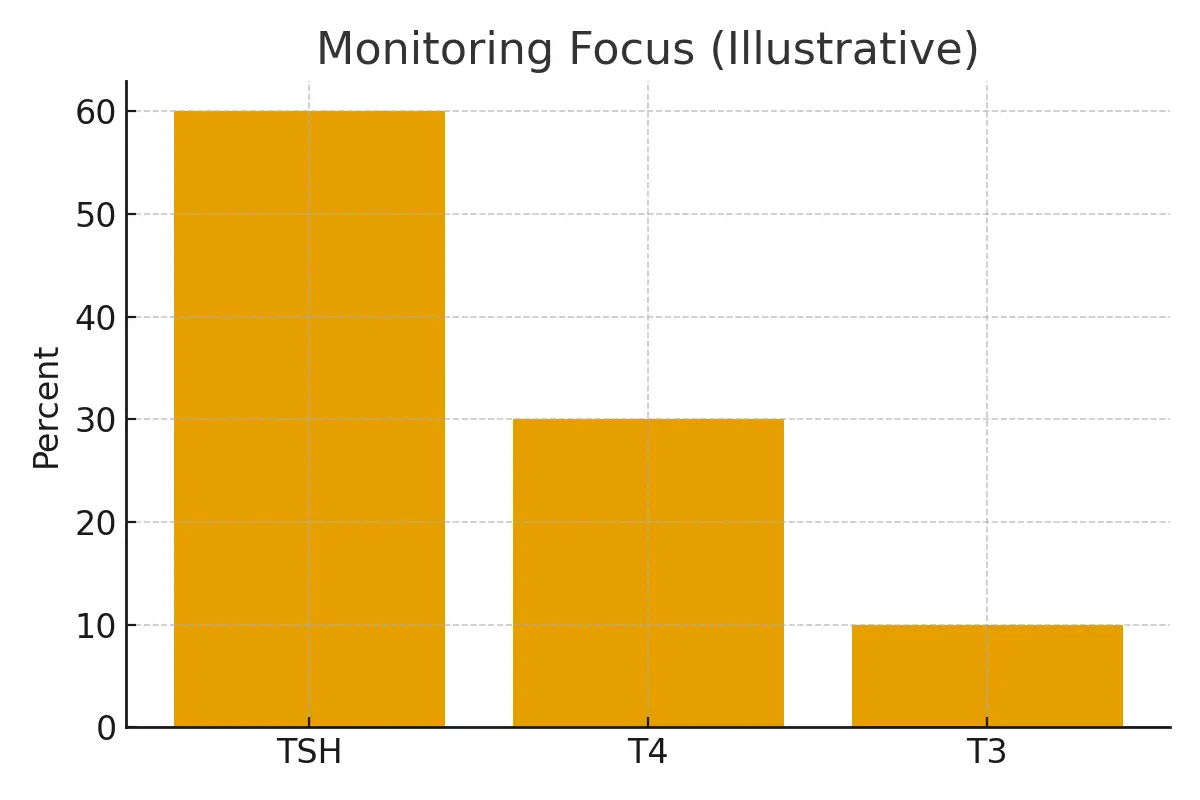
- TSH rarely normalizes fully; free T4 is usually monitored instead.
- Stable dose for at least 3 months before conception is ideal.
- Surrogates must show documented stability before medical clearance.
Monitoring Schedule
- Test free T4 and TSH every 4 weeks during pregnancy.
- Adjust medication doses as needed.
- Watch for signs of under- or overtreatment:
- Palpitations
- Tremors
- Weight changes
- Fatigue
- Anxiety or restlessness
Case Study: Successful Pregnancy After Hyperthyroidism Control
- Patient: 32-year-old aspiring gestational surrogate
- Diagnosis: Graves’ disease with high thyroid hormone levels
- Initial Treatment: PTU daily
Journey:
- PTU normalized free T4 within 8 weeks.
- After 14 weeks of pregnancy, she safely transitioned to methimazole.
- TSH remained low but free T4 stable (target: high-normal range).
- No maternal complications.
- Delivered a healthy, full-term baby for intended parents.
Outcome:
Proper medication planning and timing supported a safe, smooth pregnancy.
Testimonials
“Switching medications made me feel safer during pregnancy.”
“My endocrinologist explained why PTU was better early on and methimazole later. Understanding the timing gave me confidence.”
“I didn’t know hyperthyroidism affected fertility until screening.”
“Surrogacy testing caught my thyroid issue. Getting it treated properly allowed me to move forward without worry.”
“Medication made all the difference.”
“Once my thyroid was under control, my energy improved and my pregnancy was completely healthy.”
Expert Quote
“Managing hyperthyroidism requires precision, especially in pregnancy. The timing of antithyroid medication is essential for protecting both maternal and fetal health.”
— Dr. Rashmi Gulati
Related Links
- www.surrogacy.com/fertility-health-guide
- www.surrogacy.com/thyroid-and-pregnancy
- www.surrogacy.com/hormonal-health
- www.surrogacy.com/surrogate-medical-screening
- www.surrogacy.com/preconception-testing
Glossary
- Hyperthyroidism: Overactive thyroid producing excess hormones.
- Graves’ Disease: Autoimmune cause of hyperthyroidism.
- PTU (Propylthiouracil): First-trimester antithyroid drug.
- Methimazole (MMI): Second- and third-trimester antithyroid drug.
- Free T4: Active thyroid hormone used to monitor treatment.
- TSH: Hormone regulating thyroid function (often low in hyperthyroidism).
- Gestational Surrogate: Woman who carries a pregnancy for intended parents.
FAQs
Q. Can I get pregnant if I have hyperthyroidism?
Ans : Yes—many women with hyperthyroidism have healthy pregnancies after treatment. Achieving stable thyroid levels before conception is essential.
Q. What is the safest medication for early pregnancy?
Ans : PTU is preferred during the first trimester because it has a lower risk of birth defects.
Q. When should I switch from PTU to methimazole?
Ans : Experts recommend switching between 12–16 weeks to balance maternal and fetal safety.
Q. How does untreated hyperthyroidism affect pregnancy?
Ans : It increases risks of miscarriage, preterm birth, preeclampsia, maternal heart problems, and fetal thyroid dysfunction.
Q. How often should thyroid levels be checked during pregnancy?
Ans : Every 4 weeks or sooner if medication changes.
Q. Can hyperthyroidism affect IVF success?
Ans : Yes. High thyroid hormone levels can impair implantation and embryo quality. Stabilization is required before IVF or surrogacy clearance.
Q. Why is PTU avoided long-term?
Ans : PTU carries a small risk of liver toxicity, which is why methimazole is preferred after the first trimester.
Q. What symptoms indicate hyperthyroidism is uncontrolled?
Ans : Palpitations, tremors, sweating, weight loss, insomnia, anxiety, and heat intolerance.
Q. Can antithyroid medications harm the baby?
Ans : When used correctly and at the right timing, they are safe. Incorrect timing—particularly methimazole in the first trimester—carries risks.
Q. Does hyperthyroidism ever go away completely?
Ans : Graves’ disease can go into remission, but many women require long-term medication.
Q. Can a surrogate with hyperthyroidism be approved?
Ans : Yes—if thyroid levels are stable for at least several months, and medication dosing is well controlled.
Q. Can I breastfeed while taking antithyroid drugs?
Ans : Yes. Low doses of methimazole or PTU are considered safe for breastfeeding and do not significantly affect the infant’s thyroid.
Become a Gestational Surrogate – Join Our Community
More than an agency, Surrogacy.com is a supportive community of surrogates helping future surrogates every step of the way. Whether you’re managing thyroid conditions or exploring your eligibility, our medical team is here to guide you.
👉 Apply Today: www.surrogacy.com/become-a-gestational-surrogate

Dr. Kulsoom Baloch
Dr. Kulsoom Baloch is a dedicated donor coordinator at Egg Donors, leveraging her extensive background in medicine and public health. She holds an MBBS from Ziauddin University, Pakistan, and an MPH from Hofstra University, New York. With three years of clinical experience at prominent hospitals in Karachi, Pakistan, Dr. Baloch has honed her skills in patient care and medical research.
- Dr. Kulsoom Baloch

- Dr. Kulsoom Baloch
- Dr. Kulsoom Baloch
- Dr. Kulsoom Baloch