
Key Takeaways
- Fertility success often requires multiple cycles, especially after age 35.
- Financial planning reduces emotional and financial pressure during treatment.
- Knowing when to shift strategies (IVF → donor → surrogacy) avoids wasted cycles and budget overrun.
- Cost structures vary widely by country, clinic, and add-ons like PGT-A or ICSI.
- Upfront budgeting helps families avoid surprise expenses and treatment fatigue.
Fertility treatment isn’t always a one-cycle journey. For many individuals and couples, the fastest route to a healthy baby is not a single attempt but a strategic multi-cycle plan. Understanding the financial side — costs, timelines, decision points, and alternatives — helps you prepare emotionally and financially.
This article breaks down honest numbers, cost-saving strategies, and structured planning frameworks so you can approach a multi-cycle journey with clarity instead of guesswork.
Why Multi-Cycle Planning Matters
Most patients begin treatment hoping for success in one cycle — but the biological reality is different.
Success rates vary by:
- Age
- Embryo quality
- Medical diagnosis
- Use of donor gametes
- Uterine or sperm factors
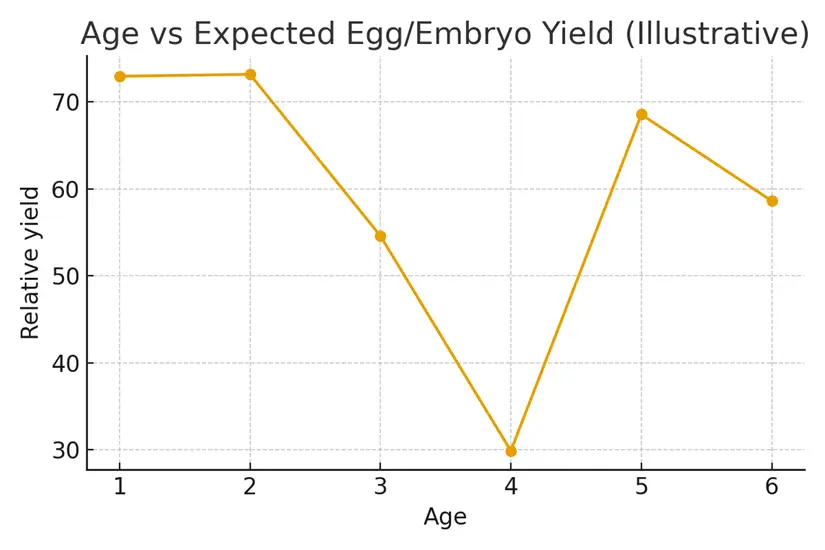
A realistic plan includes 2–3 retrievals for many patients over 35—and even more if planning a second child later.
Average Cost Breakdown by Pathway
IVF (Self Eggs)
- Per cycle: $6,000–$15,000 (depending on country)
- Medication: $2,000–$6,000
- Add-ons:
- ICSI: $800–$1,500
- PGT-A: $3,500–$5,000
- Freezing + storage: $600–$1,000 annually
Donor Egg IVF
- Egg bank: $12,000–$18,000
- Fresh donor cycle: $22,000–$35,000+
- Transfer: $3,000–$5,000
Surrogacy
- U.S.: $90,000–$150,000+
- International: $50,000–$80,000
- Additional:
- Legal work
- Escrow
- Medical screening
- Travel
Cryopreservation / Embryo Banking
- Per retrieval: $8,000–$12,000
- Storage: $300–$1,000 yearly
The Multi-Cycle Mindset: How to Think Financially and Emotionally
Most intended parents benefit from a planned pathway rather than cycle-to-cycle decisions.
1. Define the endpoint early
- “One healthy baby with my own eggs”
- “Two babies with minimal time gap”
- “Highest odds with lowest emotional strain”
2. Reverse-engineer your cost path
For example:
If a 39-year-old needs 3 retrievals to get 1–2 euploid embryos, costs should be estimated in advance — not discovered cycle by cycle.
3. Know your switching point
Key triggers:
- AMH < 0.5
- No blastocysts after 2 retrievals
- Multiple aneuploid cycles
- Partner sperm DNA fragmentation >30%
- Maternal age >42
4. Separate must-have vs optional costs
Must-have: medications, monitoring, retrieval
Optional: ERA, immune testing, add-ons without strong evidence
Cost-Saving Strategies Without Compromising Success
1. Choose value-driven geographies
Countries like Mexico, Georgia, India (for locals), or certain EU nations offer high-quality care at 40–60% lower cost.
2. Compare medication pricing
Pharmacy costs vary dramatically.
Bulk purchasing and shared-risk programs can save thousands.
3. Clarify inclusions/exclusions
Many clinics advertise low cycle prices but exclude:
- bloodwork
- scans
- anesthesia
- freezing fees
- transfer costs
Ask for a line-item price sheet.
4. Bank embryos in bulk
Two retrievals in one clinic visit can reduce:
- travel costs
- lost work hours
- emotional strain
5. Use donor strategies strategically
For women >40, donor eggs may reduce the overall journey cost.
Case Study: The Power of Multi-Cycle Planning
Profile:
Nora, 37, AMH 1.1, male partner with moderate DNA fragmentation.
Initial Thinking:
Try one IVF cycle and “see what happens.”
Reality:
First cycle produced 1 blastocyst, aneuploid.
Revised Strategy:
- Planned package of 3 retrievals
- Switched to ICSI + sperm intervention
- Chose PGT-A for clarity and reduced emotional stress
Outcome:
After 2 more retrievals, they created 3 euploid embryos.
First transfer resulted in a healthy pregnancy.
Key Lesson:
Planning for multiple cycles upfront avoids emotional whiplash and budget shock.
Testimonials
1. Aisha & Vikas
“We finally understood the true cost of reaching a baby — not just the cost of one IVF cycle. That shift saved us money and stress.”
2. Laura, 41
“Multi-cycle planning helped me avoid denial. Instead of gambling cycle by cycle, I made a clear donor-egg decision that brought us our son.”
3. Thom & Miguel (Surrogacy Pathway)
“A complete financial map meant no surprises. Surrogacy is expensive, but when you know the numbers, it becomes manageable.”
Expert Quote
“A single cycle rarely tells the full story. When we plan financially and medically for multiple cycles, we move from guesswork to strategy — and strategy is what leads to babies.”
— Dr. R. Gulati, Fertility Strategy & Cross-Border Care Specialist
Related Links
- Financial Planning for Multi‑Cycle Journeys
- Banking Strategy — How Many Retrievals to Plan
- Own Eggs vs Donor Eggs — Decision Framework
Glossary
- Multi-Cycle Planning: Preparing for multiple IVF or donor retrievals for higher cumulative success.
- PGT-A: Genetic testing that screens embryos for chromosomal abnormalities.
- Embryo Banking: Creating and freezing multiple embryos for future use.
- ICSI: Sperm injection technique used in IVF.
- Escrow (Surrogacy): A financial account that manages payments to the carrier.
- Shared Risk Plan: Clinic program offering multiple cycles for predictable pricing.
FAQ (10–12 Questions with Detailed Answers)
Q. Why do most patients need more than one IVF cycle?
Ans. Because each cycle produces a limited number of eggs, and not all eggs lead to embryos — and not all embryos are chromosomally normal. Age heavily influences the number of cycles required. For example, under 35 may need 1–2 cycles; 38–40 may need 2–3; over 40 may need 3+ or donor options.
Q. How much should I budget for a multi-cycle IVF plan?
Ans. A realistic multi-cycle IVF budget is typically 2–2.5 times the cost of a single cycle, including medications and testing. If considering PGT-A, add $4,000–$5,000 per retrieval. A “one-cycle” mindset often leads to overspending because the actual need is underestimated.
Q. Is multi-cycle planning cheaper in the long run?
Ans. Yes. Clinics often offer multi-cycle or shared-risk packages that reduce per-cycle cost. Patients also save on travel, medications, and repeated testing. Most importantly, it prevents costly delays in switching to donor or surrogacy pathways.
Q. Should I freeze eggs or embryos for multi-cycle planning?
Ans. Embryos provide clearer predictive value because fertilization and early development are already visible. If you have a partner or donor, embryo banking is generally more effective than egg freezing for multi-cycle strategies.
Q. When should I consider switching from self eggs to donor eggs?
Ans. Common switching points include:
- No blastocysts in two retrievals
- All embryos aneuploid
- Age over 41–42
- AMH <0.5
Switching earlier can significantly reduce total costs and time to pregnancy.
Q. Does PGT-A save money?
Ans. It can. For women 35+, PGT-A reduces miscarriage risk and prevents multiple failed transfers. Though costly upfront, it may prevent emotional strain, additional cycles, and repeated transfer costs.
Q. How do I avoid surprise costs during IVF or surrogacy?
Ans. Ask for a transparent, itemized quote. Ensure it covers:
- monitoring
- labs
- anesthesia
- freezing and storage
- transfer
- clinic and agency fees (surrogacy)
Never rely on headline pricing.
Q. Are fertility loans safe?
Ans. Reputable lenders partner with clinics to offer structured payment plans. They can be helpful, but interest rates vary widely. Compare lenders, avoid high-interest personal loans, and borrow only what fits your long-term financial plan.
Q. Can I use insurance for multi-cycle IVF planning?
Ans. Coverage varies by country and employer. Some insurance covers diagnostics but not retrieval. Some cover multiple cycles. It’s essential to check:
- cycle limits
- medication coverage
- exclusions (PGT-A is often excluded)
Q. How do multi-cycle fertility plans impact emotional wellbeing?
Ans. A clear financial plan reduces uncertainty — one of the biggest emotional stressors in fertility treatment. Multi-cycle planning also prevents “cycle shock,” where each outcome feels final rather than part of a strategic journey.
Q. Are international IVF options reliable and safe?
Ans. Many international clinics offer high-quality care at significantly lower cost. Look for accreditation, English-speaking staff, transparent pricing, and strong patient testimonials. Cross-border fertility care must be structured, not improvised.
Q. How should couples discuss financial planning for fertility?
Ans. Open, structured conversations help. Partners should discuss timelines, financial ceilings, emotional limits, and switching points. Many couples benefit from a written “family-building roadmap” that includes costs and decision thresholds.

Dr. Kulsoom Baloch
Dr. Kulsoom Baloch is a dedicated donor coordinator at Egg Donors, leveraging her extensive background in medicine and public health. She holds an MBBS from Ziauddin University, Pakistan, and an MPH from Hofstra University, New York. With three years of clinical experience at prominent hospitals in Karachi, Pakistan, Dr. Baloch has honed her skills in patient care and medical research.
- Dr. Kulsoom Baloch

- Dr. Kulsoom Baloch
- Dr. Kulsoom Baloch
- Dr. Kulsoom Baloch