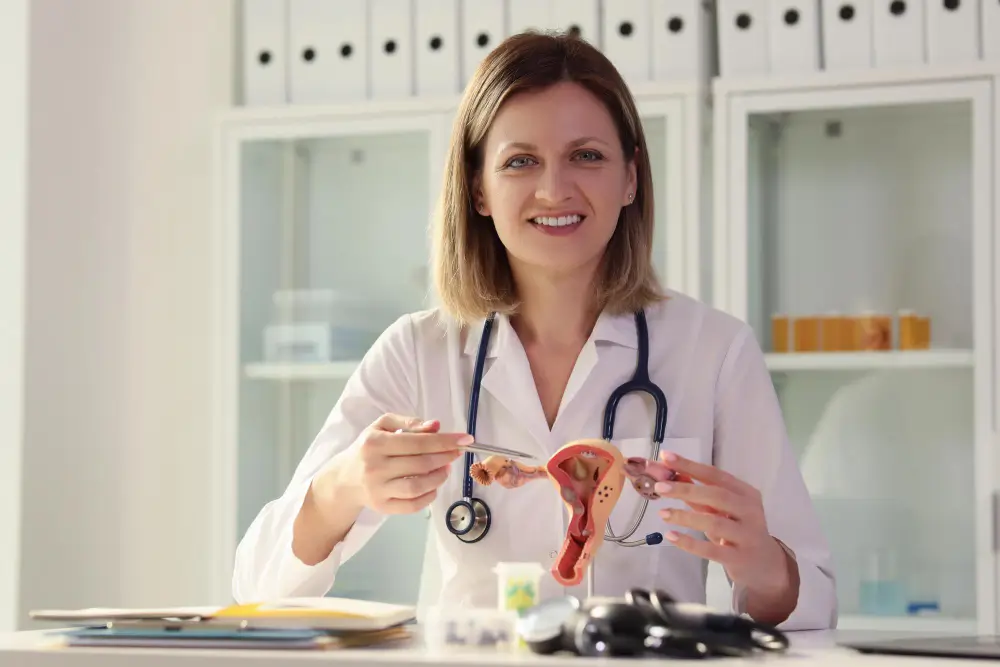
AI Smart Summary – Eggs After Hysterectomy
If the ovaries are not taken out during a hysterectomy, then a woman can still conceive through the ovary’s natural cycling and storage of eggs. A hysterectomy is the resection of the uterus, where the ovaries can continue their normal functions as long as they are healthy. Pregnancy is not possible without a uterus, but still, eggs can be retrieved (using IVF) and then used with a gestational carrier.
FAST FACTS
Uterus Status
Removed during hysterectomy
Ovaries
May remain functional
Egg Production
Continues if the ovaries are intact
Natural Pregnancy
Not possible without a uterus
Fertility Options
IVF and gestational surrogacy
Egg Retrieval
Possible with medical approval
KEY POINTS EXPLAINED
- Difference between hysterectomy and ovarian removal
- Ovarian hormone and egg function after surgery
- IVF egg retrieval without a uterus
- Use of gestational carriers
TOP QUESTIONS ANSWERED
- Do ovaries still release eggs after a hysterectomy?
- Can eggs be frozen or used later?
- Does a hysterectomy cause early menopause?
- Who is eligible for egg retrieval after surgery?
RECOMMENDED NEXT STEPS
- Confirm ovary status with medical imaging
- Consult a fertility specialist
- Explore IVF and surrogacy options
Introduction
Hysterectomy is an operation that completely alters a woman’s life. It is usually performed to relieve pain or to handle such conditions as fibroids, endometriosis, or abnormal bleeding. One common question arises: Can you still have eggs after a hysterectomy without a uterus?
The short answer is: With ovaries intact, it is possible to produce eggs, but not in one’s own womb. Let’s delve a little deeper into the physiological changes that this surgery invokes in your body. We will also understand fertility after hysterectomy, and the various options that are left for those women still wishing to become mothers.
Understanding the Basics: What Happens During a Hysterectomy
Hysterectomy, as the term suggests, is the surgical removal of the uterus — the organ where the baby lives and gets its nutrients during pregnancy. Depending on the health issue, the surgeon may also remove some other parts of the reproductive system.
There are three main types of hysterectomy:
- Partial (Subtotal) Hysterectomy – The removal of only the uterus takes place while the cervix and ovaries remain untouched.
- Total Hysterectomy – Both the uterus and cervix are removed, but the ovaries can still be there.
- Radical Hysterectomy – One is going through a very extensive procedure when one is facing cancer, as this involves the removal of the whole uterus, cervix, neighboring tissues, and sometimes part of the vagina.
Can You Still Produce Eggs Without a Uterus?
In any case, the ovary’s function is the only condition allowing the body to produce eggs without a uterus. The uterus and the ovaries are completely separate entities with no connections whatsoever.
The ovaries are mainly responsible for the release of eggs and the production of hormones such as estrogen and progesterone. The menstrual cycle involves a process called ovulation, during which an egg is released from one of the ovaries. The egg then goes through the uterine tube to meet the sperm in the uterus, thus delivering the chance for fertilization, which leads to pregnancy.
Once the uterus is taken out, the egg is considered useless. Hence, the body gets rid of it through a non-invasive process.
Fertility After Hysterectomy: What It Means
It is an absolute no to childbirth after a hysterectomy. This is especially true when the ovaries’ functionality is at its peak. Medical procedures such as IVF (In Vitro Fertilization) can be utilized to collect the still viable eggs that are still produced.
Here’s how it works:
- The fertility experts can give hormone treatment to your ovaries so they can produce several eggs.
- The eggs will then be taken out through ultrasound-guided aspiration.
- Once fertilization is done and a lab embryo is created, this embryo is implanted in a gestational surrogate.
Where Do Eggs Go After a Hysterectomy?
Eggs, like all other secretions, are excreted but absorbed into the body. Since fallopian tubes and the uterus are absent, the eggs can’t exit the body and just dissolve in the surrounding tissues in a harmless manner.
The course is like what takes place when an egg gets unfertilized in a typical menstrual cycle—only that, in this case, there is no menstruation because no uterine lining is being shed.
Hormones and Ovulation Without a Uterus
After a hysterectomy, ovulation continues as long as the ovaries are alive. Sometimes, the woman may experience hormonal changes.
However, there is no menstrual bleeding since the uterus is not present. This sometimes confuses women into thinking they’ve entered menopause early — but that’s not always the case. Unless your ovaries were removed (a procedure called oophorectomy), you’ll still have normal hormone cycles until natural menopause occurs.
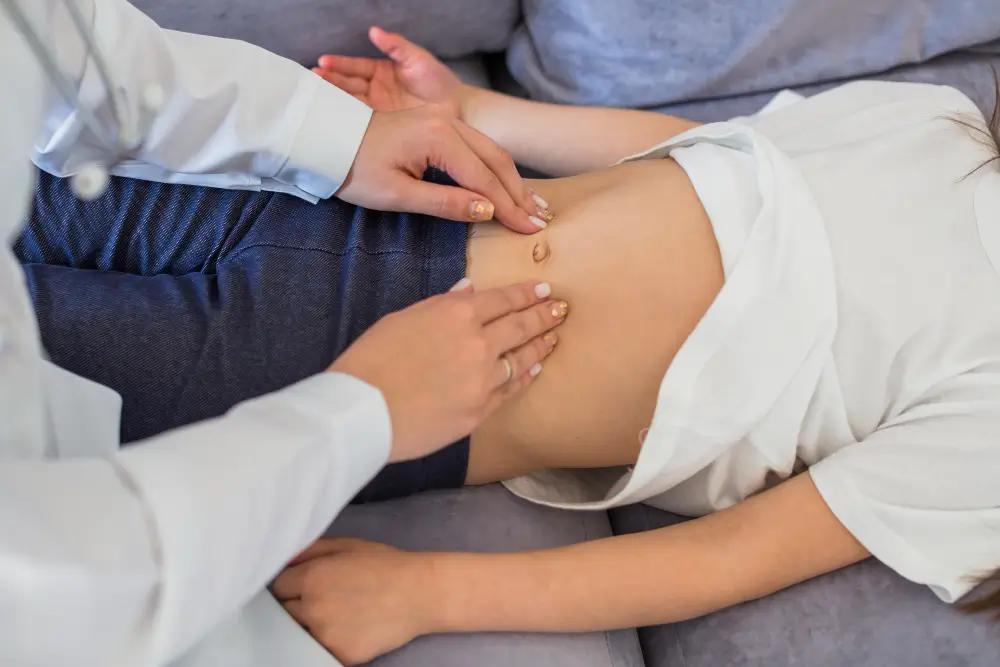
Options for Motherhood After Hysterectomy
Many women fear that removing the uterus ends all chances of becoming a mother — but thanks to advanced fertility treatments, that’s no longer true.
Here are your main options:
Egg Retrieval and Surrogacy:
The doctors will be able to extract the eggs if your ovaries are fine. They will then fertilize them and implant the embryo in a surrogate mother. This method allows you to have your biological child.
Egg Donation:
Or if your ovaries have stopped producing eggs, then you can resort to using donated eggs via a reputable fertility or surrogacy agency.
Adoption:
Adoption is for some women an alternative that brings happiness and love as a way to increase their family.
The selection of the right agency is a critical factor when it comes to surrogacy. Trustworthy entities such as Surrogacy4All accompany you throughout the entire process — from medical coordination to signing legal documents — making sure that the process is safe, ethical, and transparent.
How Surrogacy4All Supports Women After Hysterectomy
Surrogacy4All has been a great support to a lot of women, who, once the womb was removed, wished to become mothers. If you prefer using your own mature eggs or you are looking for the option of donor eggs, the company’s staff links you with the most proficient fertility experts and surrogates in every corner of the world.
The emotional and legal sides of the entire human-assisted reproduction process are being handled by them; hence, you don’t have to worry about the difficult international surrogacy laws, donor selection, and pregnancy management. As a matter of fact, not only can you take the next step with their assistance, but also you can also do it with trust and peace of mind.
Emotional Recovery and Self-Care
A hysterectomy not only causes physical recovery but also brings about emotional hardships. A considerable number of women feel that they have lost the ability to give birth or are even worried about their femininity. It is really important to keep in mind that being able to care for, love, and form a family is not limited to your uterus.
Taking care of yourself — through therapy, meditation, and the help of friends— is recommended for the period right after surgery since it will allow you to discover your inner strength and identity again.
Conclusion
To conclude, a hysterectomy definitely entails that you can’t get pregnant anymore, though the remaining healthy ovaries still mean you can get monthly eggs. The path to parenting may appear less direct, but it has not closed.
Surrogacy4All, among others, is paving the way for many women to reclaim their right to motherhood through the modern technology of surrogacy and egg donation. The removal of the womb should never be equated with the termination of hope.
The opportunity of motherhood can still become a reality even after the uterine surgery. In the case that ovaries are there, though, a lengthy process of egg retrieval and surrogacy can make you a biological parent. Reach out to Surrogacy4All today at (212) 661-7673 to explore personalized fertility solutions.
Frequently Asked Questions:-
Q. Is it possible to produce eggs if a uterus is not there?
Ans : Yes, even when the uterus is removed, if you have your ovaries, you will continue to produce eggs and hormones.
Q. What is done with the eggs after a hysterectomy?
Ans : The body’s handling of the eggs is as usual in that they will be given out periodically, but the body will absorb them since there are no uterus or fallopian tubes for the eggs to be transported. This process of egg release that occurs after the uterus removal doesn’t affect the person’s health and hormonal balance.
Q. Am I still eligible for fertility treatments in case of a hysterectomy?
Ans : Yes, it is possible. If your ovaries are functioning, then eggs can be taken out for IVF or surrogacy arrangements. Many women have good female fertility after surgery, thus they can successfully explore the assisted reproductive options.
Q. What is the name of the surrogacy agency that can help after a hysterectomy?
Ans : One of the most reliable surrogacy agencies that assists women in exploring surrogacy and fertility solutions after a hysterectomy is Surrogacy4All.

Dr. Veera Saghar
As an Egg Donor Coordinator, she plays a critical role in our company. Her background as a medical graduate from ISRA UNIVERSITY in Pakistan provides us with a solid foundation in the medical sciences. She has seven years of clinical experience practicing in the USA. This has given her firsthand experience when collaborating with patients and their families.
She is responsible for managing the process of egg donation from start to finish. We identify and screen potential egg donors.
- Dr. Veera Saghar

- Dr. Veera Saghar
- Dr. Veera Saghar
- Dr. Veera Saghar