
Medication Dose Estimator — Safety and Disclaimers
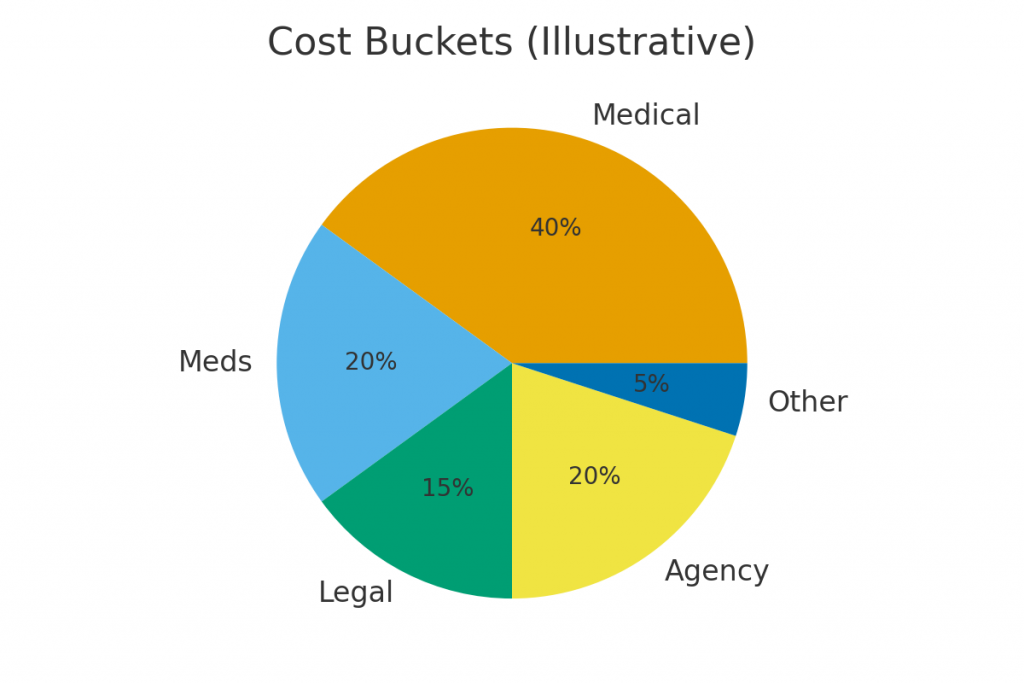
Key Takeaways Medication dose estimators provide generalized ranges, not medical prescriptions. IVF dosing must always be customized by a licensed reproductive endocrinologist. Safety limits exist to prevent OHSS, poor response, and unpredictable outcomes. Estimators help you understand the logic behind clinical dosing, not self-dose. All calculators require clear medical disclaimers and usage guidelines. Fertility medication […]
Mediterranean vs DASH vs Plant‑Forward — What’s Practical

Key Takeaways The Mediterranean, DASH, and Plant-Forward diets all reduce inflammation and improve metabolic stability — two major drivers of fertility. Mediterranean is easiest for most people to sustain long-term and has the strongest fertility evidence. DASH offers structured control for people with PCOS, insulin resistance, or high blood pressure. Plant-Forward is excellent for antioxidants […]
Storage & Transport — Moving Eggs Safely
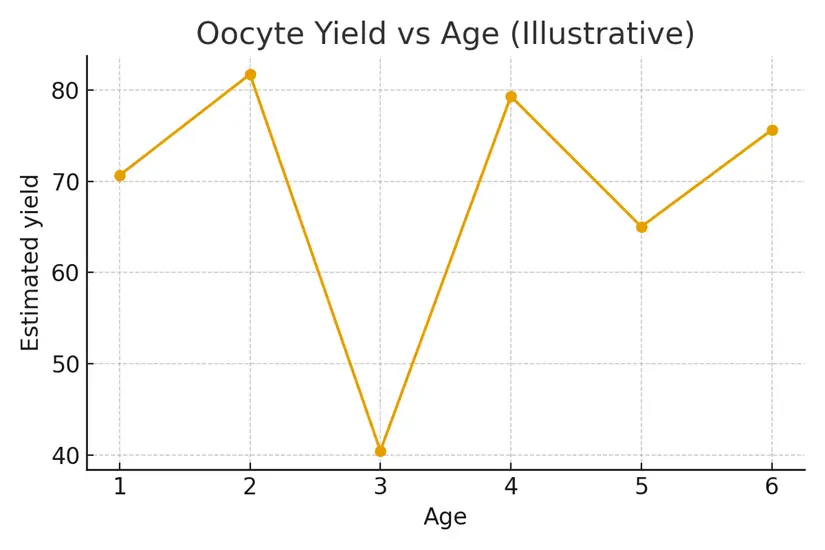
This article explains Storage & Transport — Moving Eggs Safely within the Egg Freezing & Fertility Preservation pathway. It focuses on the practical decisions that influence outcomes, budgets, and timelines—so you can move forward with clarity and confidence. Egg storage and long-distance transport seem simple on the surface, but small choices can directly affect safety, […]
Disclosure to Children — Timing and Language
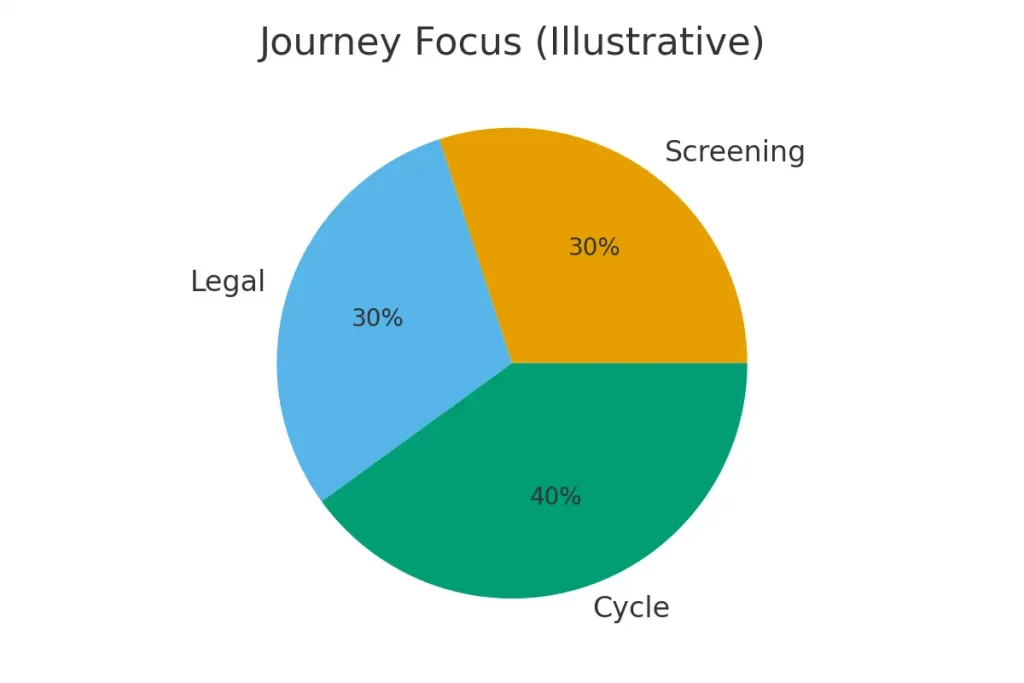
Disclosure to children means explaining that their conception involved donor eggs, sperm, or embryos. While some families delay or avoid disclosure, growing research and lived experiences suggest that openness—at the right time and in age-appropriate language—fosters trust and healthy identity development. The “when” and “how” matter as much as the “what.” Who It Helps This […]
Insurance and Maternity Coverage — Reading Policies

Insurance and Maternity Coverage Surrogacy-related insurance includes: Maternity coverage for the gestational carrier (GC) Newborn insurance (intended parent or GC policy depending on state) Complication insurance (e.g., bed rest, disability, life insurance) IVF medication coverage (rarely covered for surrogacy) Specialty surrogacy policies when traditional plans exclude surrogacy Reading policies means understanding: What’s covered What’s excluded […]
Microfluidic Sperm Selection vs Density Gradient — Dual Guide
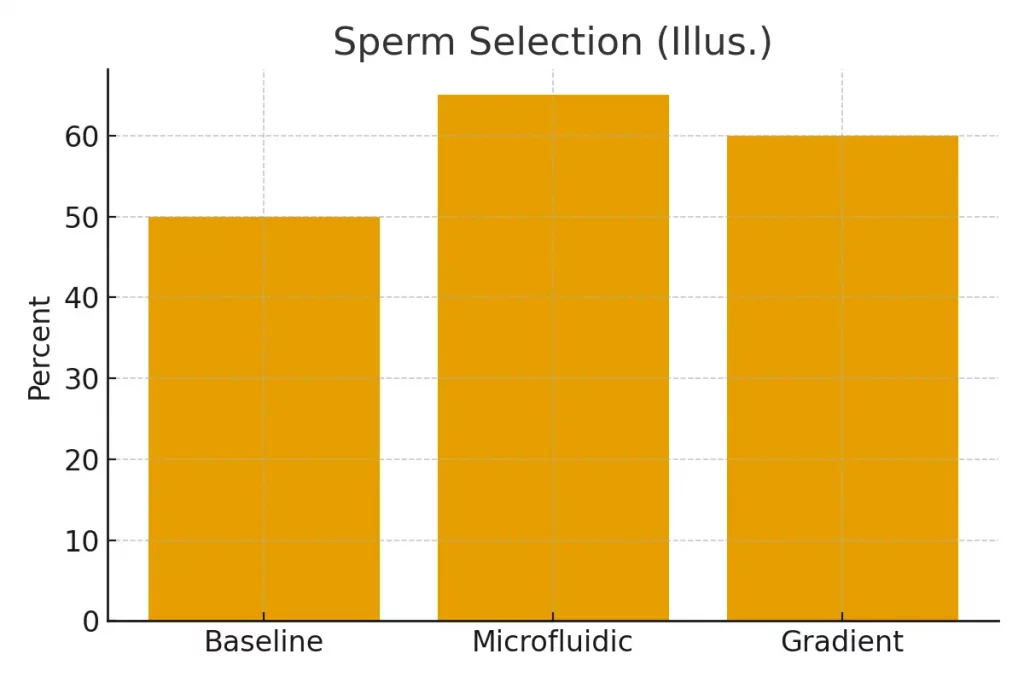
Key Takeaways Microfluidic sperm selection mimics natural sperm migration Density gradient is a long-standing, widely available IVF method Microfluidics may reduce sperm DNA fragmentation and oxidative stress Density gradient remains effective for many standard IVF cases The best method depends on male-factor diagnosis and IVF history Selecting the healthiest sperm is a critical step in […]
Coping with the Two‑Week Wait — Tools That Help
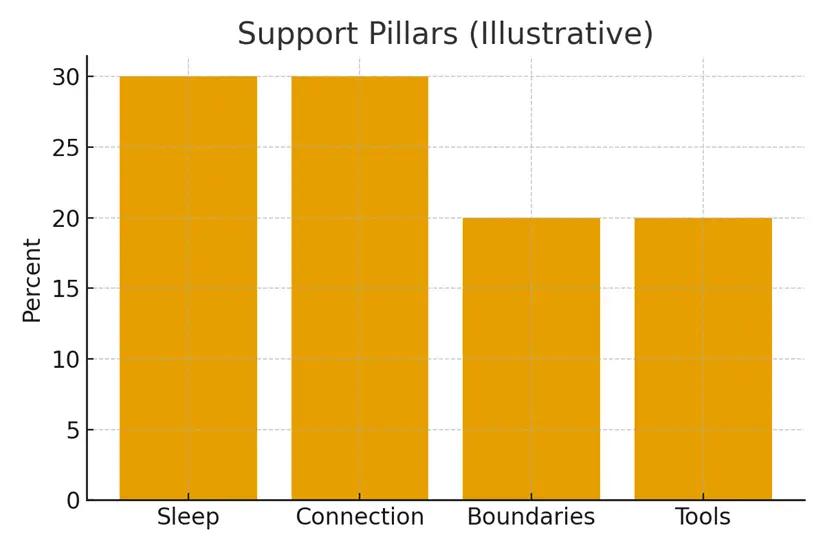
Key Takeaways The two-week wait (TWW) is one of the most emotionally intense phases for intended parents. Managing uncertainty requires a mix of emotional, cognitive, and practical tools. Evidence-based techniques—like CBT reframing, structured routines, and mindful monitoring—reduce stress and promote resilience. Clear communication with your clinic and surrogate helps calm the “information gap.” Small lifestyle […]
Miscarriage Genetics — What to Test

Most miscarriages are not caused by something you did—they’re often due to genetic issues within the embryo. Understanding what to test (and what not to test) can save time, money, and emotional energy. This article focuses on tests and decisions that truly shift outcomes, budgets, and timelines, so you can move forward with clarity and […]
Fertility Clinics Near Me — Washington, DC & NoVA
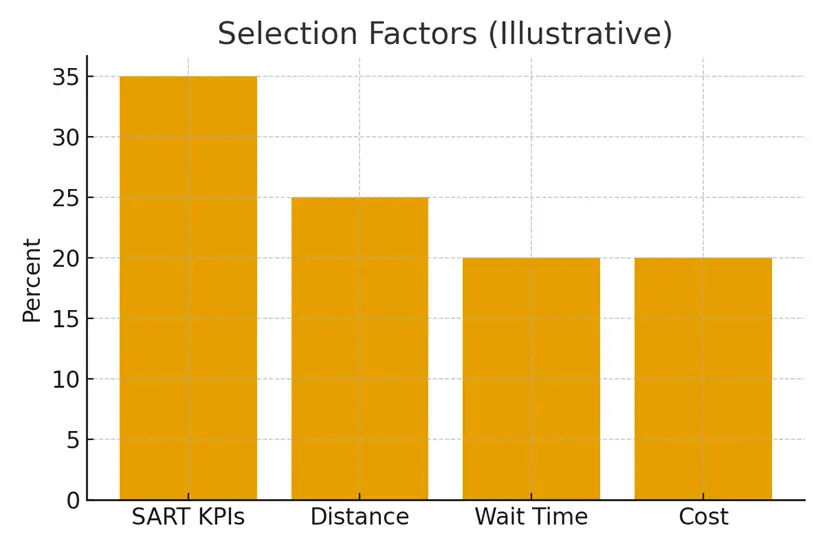
Key Takeaways DC and NoVA offer a mix of high-tech, research-based fertility programs with excellent success rates. Clinics here cater strongly to diverse families, including LGBTQ+ and single parents by choice. Treatment costs are competitive compared to other major cities. Choosing the right clinic depends on service range, lab quality, doctor communication and personalized care. […]
When to Refer to a Registered Dietitian

Key Takeaways A registered dietitian (RD) can help optimize fertility, hormonal balance, and metabolic health. Referral is especially useful when managing complex conditions like PCOS, endometriosis, thyroid disorders, or IVF preparation. RDs provide personalized meal plans, supplementation guidance, and structured monitoring. Early referral can prevent nutrition deficiencies and improve treatment outcomes. Collaboration between healthcare providers […]
