
Ethics Boards and Best‑Practice Guidelines
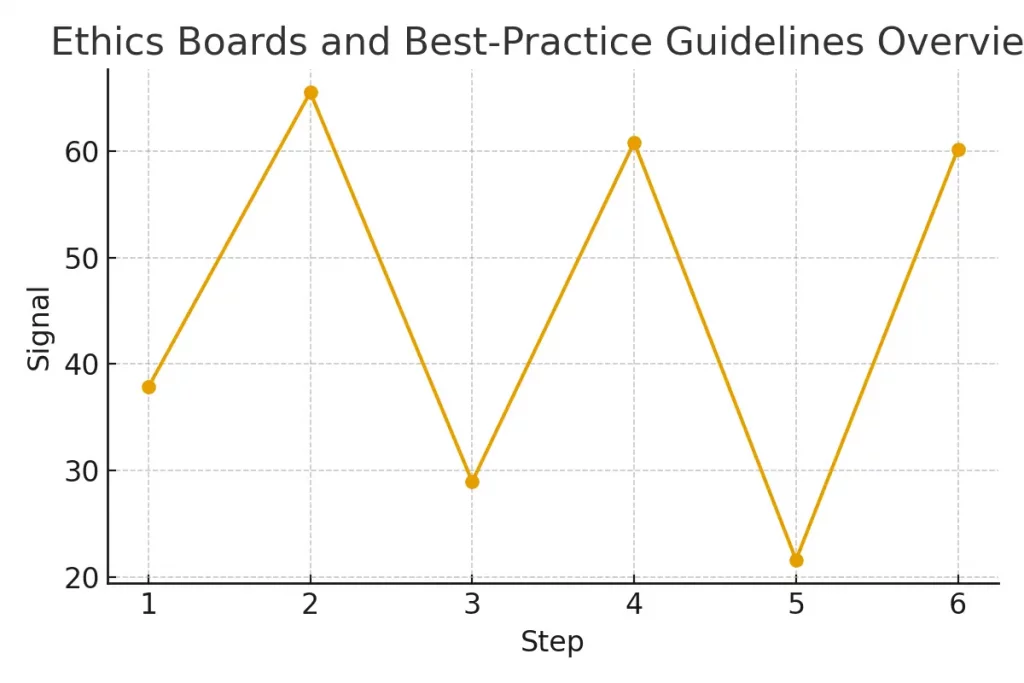
Ethics Boards and Best-Practice Guidelines are the guardrails that keep surrogacy programs safe, fair, and medically appropriate.They determine who is medically cleared, which matching decisions are acceptable, and what agencies and clinics must do when risks or conflicts appear. This is where medical ethics, legal compliance, and practical, day-to-day surrogacy decisions intersect. Understanding how these […]
Pharmacy Cost Estimator — Generics and Programs
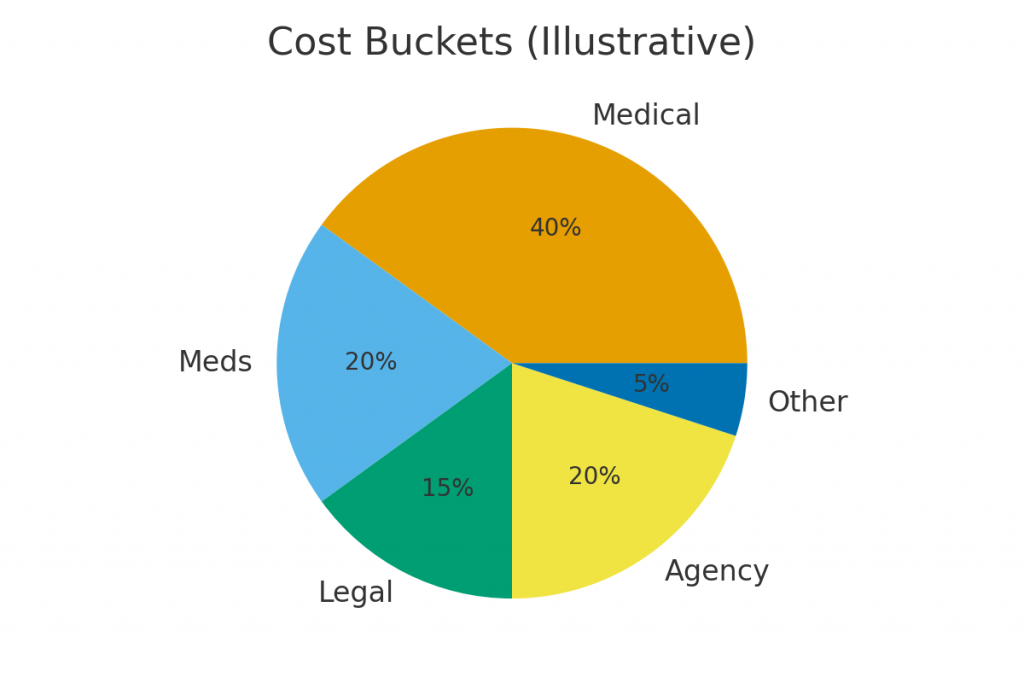
Key Takeaways Medication is a major part of surrogacy costs, and prices vary widely between generics and brand drugs. Pharmacy Cost Estimators help calculate expected expenses and explore savings options. Assistance programs, coupons, and insurance coverage can significantly reduce out-of-pocket costs. Accurate planning minimizes stress and ensures surrogates and intended parents are financially prepared. Understanding […]
Vitrification & Warming — Survival Rates Explained
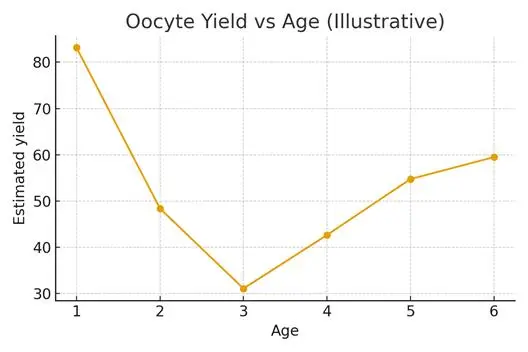
Vitrification is a rapid-freezing technique that turns eggs into a “glass-like” state almost instantly, preventing ice crystals that can damage delicate structures.Warming is the controlled, rapid rehydration process when eggs are thawed for fertilization. Key concepts: Eggs are fragile: they contain a lot of water and only one spindle (chromosome organizer). Vitrification avoids slow freezing, […]
Adhesions and Septum — Hysteroscopy Basics
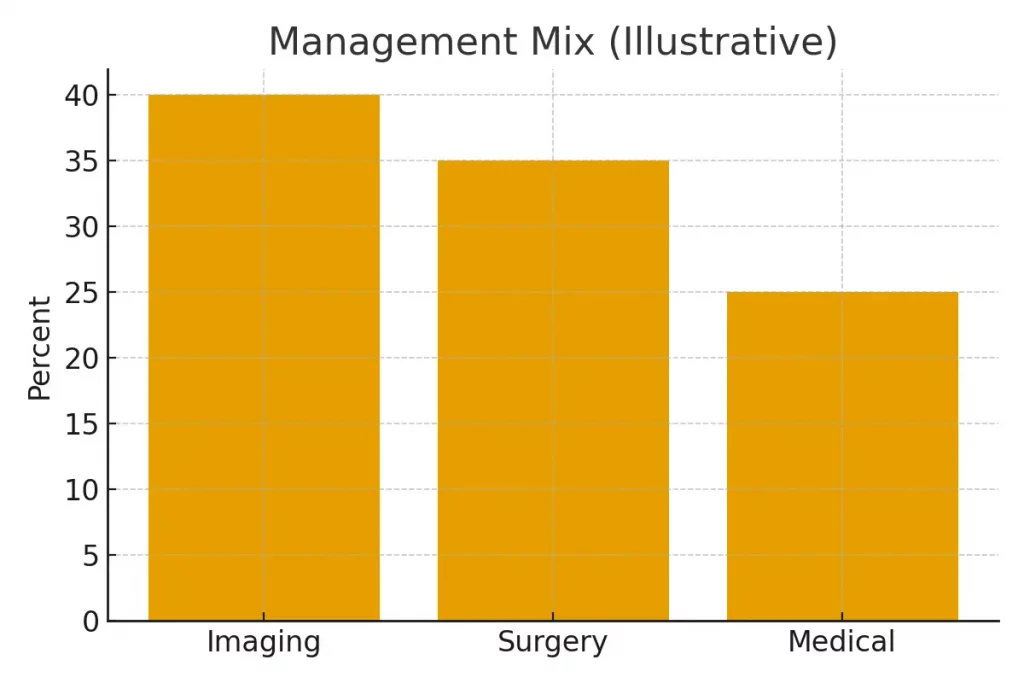
Key Takeaways Hysteroscopy is the gold-standard procedure to diagnose and treat uterine adhesions and septum. Adhesions can block the uterine cavity, impair implantation, and cause miscarriage. A uterine septum is a congenital tissue divide that increases early pregnancy loss. Treatment through hysteroscopic surgery can significantly improve fertility outcomes. Recovery is quick, usually within 24–72 hours, […]
Thyroid Antibodies — What They Predict (and Don’t)
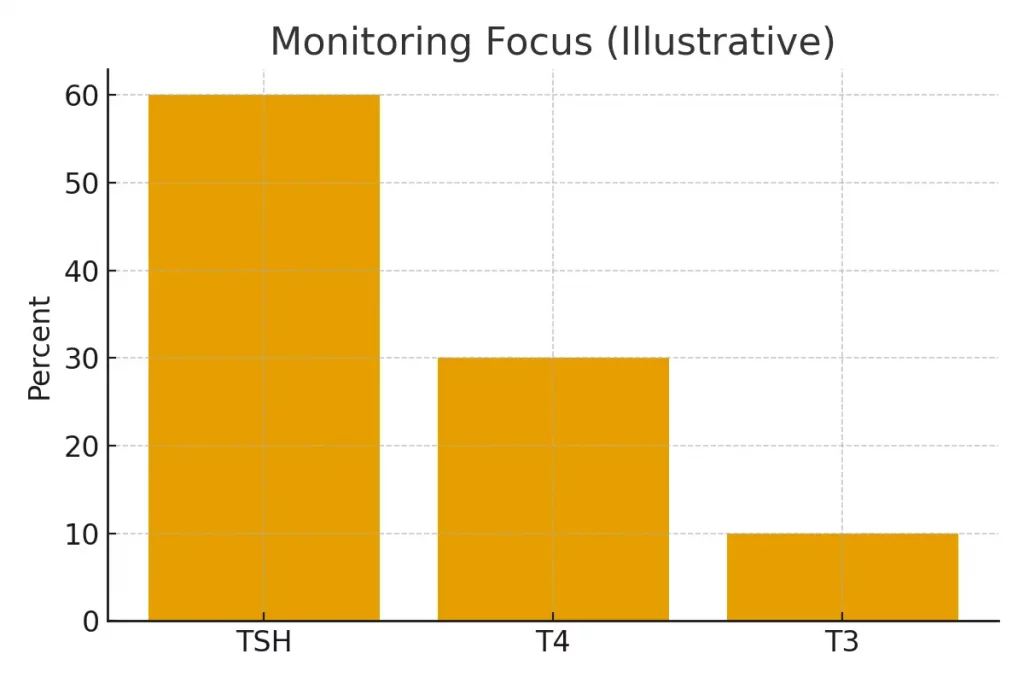
Key Takeaways Thyroid antibodies signal autoimmunity, even if thyroid hormone levels are normal. The most common antibodies are TPO, Tg, and TSI. Thyroid antibodies may increase miscarriage risk and lower implantation rates. Having antibodies does not guarantee thyroid disease. Treatment decisions depend on TSH, symptoms, fertility goals, and pregnancy plans. Surrogacy and IVF programs often […]
Time‑Lapse Morphokinetics (EmbryoScope) — Dual Guide
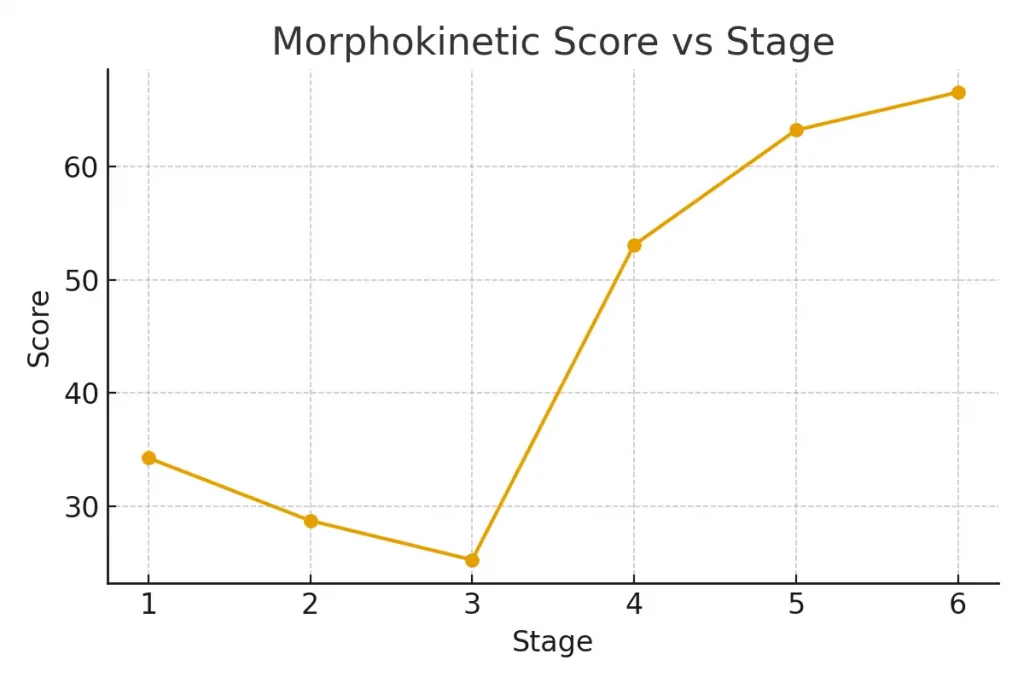
Key Takeaways Time-lapse morphokinetics uses continuous embryo monitoring via EmbryoScope Provides detailed insights into embryo development and division patterns Non-invasive and improves embryo selection for IVF Enhances success rates in both IVF and gestational surrogacy cycles Supports safer and more precise decision-making for transfers Selecting the best embryo is critical for IVF and surrogacy success. […]
Reducing Decision Fatigue — Simple Checklists
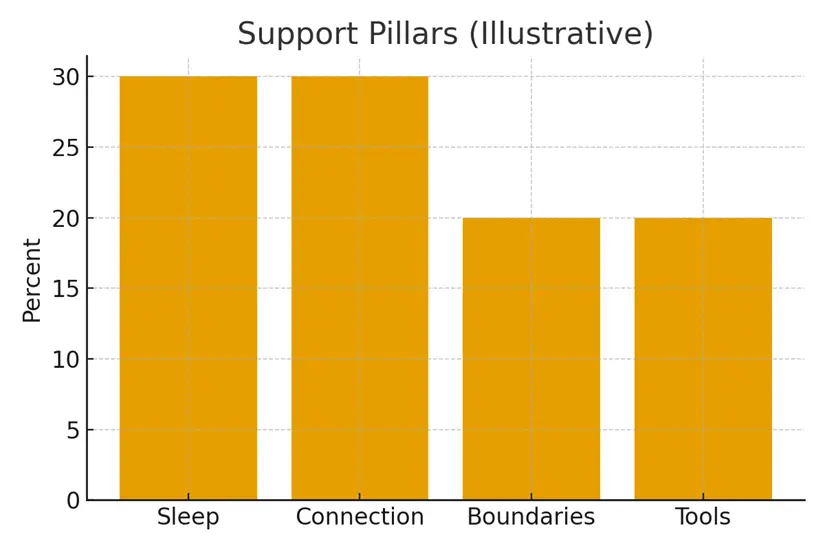
Key Takeaways Decision fatigue is one of the biggest hidden stressors during IVF and surrogacy. Simple checklists reduce cognitive load, prevent mistakes, and create emotional stability. Weekly planning systems help couples stay aligned and avoid last-minute conflicts. Checklists protect both timelines and budgets by ensuring nothing gets overlooked. You can build checklist habits in under […]
Endometrial Preparation for FET — Strategies
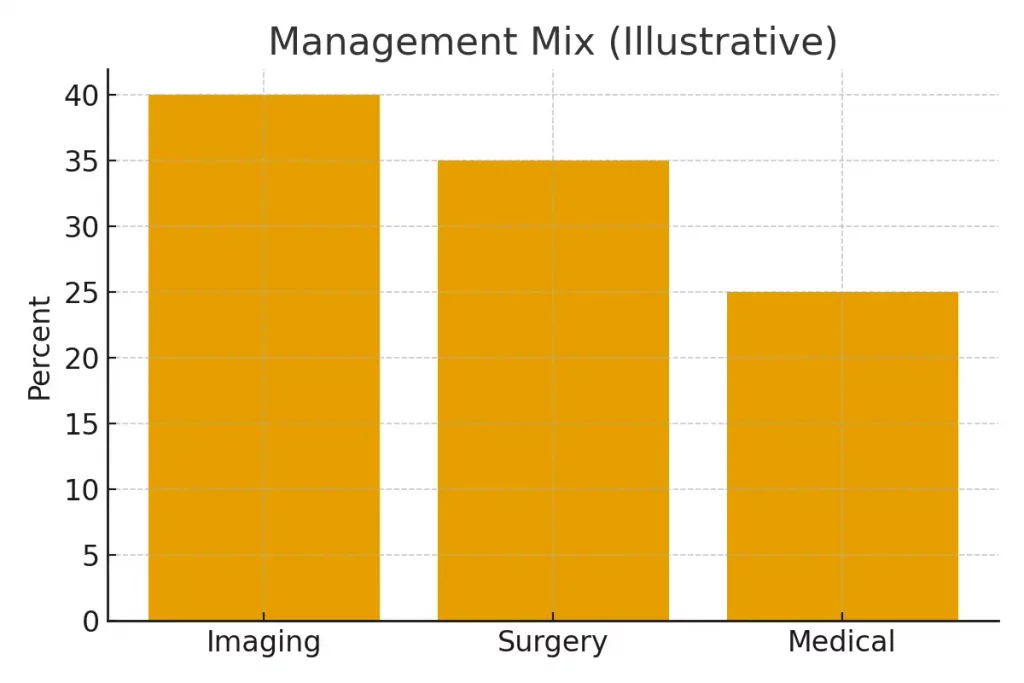
Key Takeaways Optimal endometrial thickness for FET is typically 7–9 mm with a trilaminar pattern. Preparation strategies include estrogen therapy, progesterone synchronization, lifestyle changes, supplements, and blood-flow enhancement. Both natural and medicated cycles can be successful; selection depends on hormonal patterns and medical history. Proper timing of progesterone is essential to align with the embryo’s […]
Legal & Consent — Ownership, Disposition, Future Use
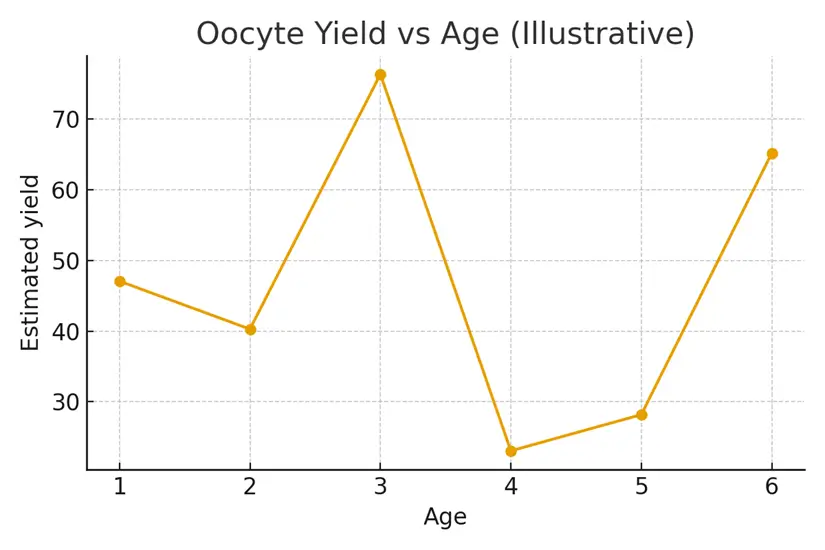
This article explains Legal & Consent — Ownership, Disposition, Future Use within the Egg Freezing & Fertility Preservation pathway. These decisions shape your rights, options, and responsibilities—both now and years into the future. Understanding the small legal details early helps prevent confusion, protects your wishes, and ensures you have full control over how your frozen […]
Subclinical Thyroid Disease — When to Treat
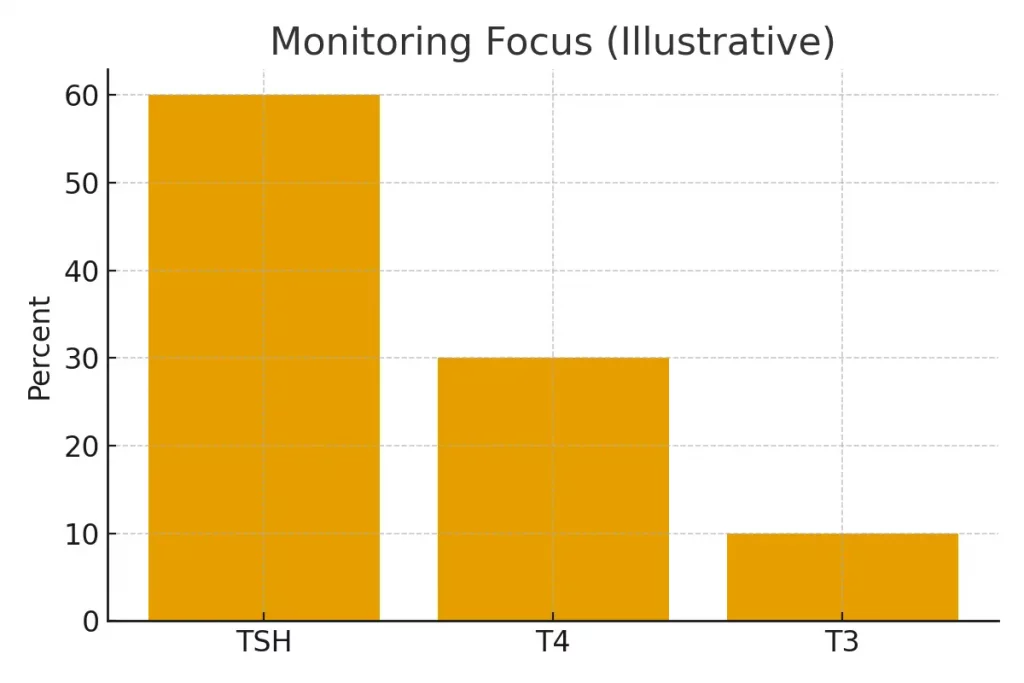
Key Takeaways Subclinical thyroid disease means abnormal TSH with normal T3/T4. Even mild thyroid dysfunction can impact fertility, menstrual cycles, and pregnancy outcomes. Most experts treat subclinical hypothyroidism when TSH ≥ 4.0 (or ≥ 2.5 if TTC/IVF/surrogate). Subclinical hyperthyroidism rarely needs treatment unless symptoms or underlying disease is present. Optimizing thyroid levels before pregnancy improves […]
