
ERA/EMMA/ALICE — When (and When Not) to Use
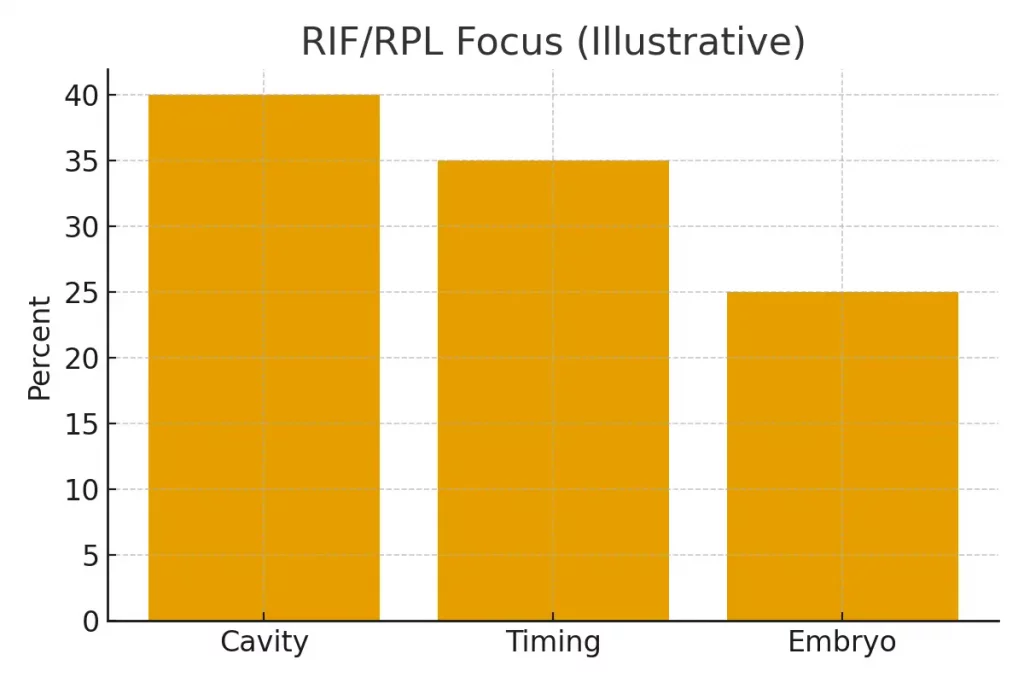
This article explains ERA, EMMA, and ALICE testing within the Uterine & Implantation (RIF/RPL) pathway. It highlights when these tools make a difference—and when they don’t—so you can protect outcomes, budgets, and timelines while moving forward with confidence. What It Is ERA (Endometrial Receptivity Analysis): checks the exact timing of your “receptive window” for embryo […]
Caffeine and Alcohol — How Much Is Too Much?
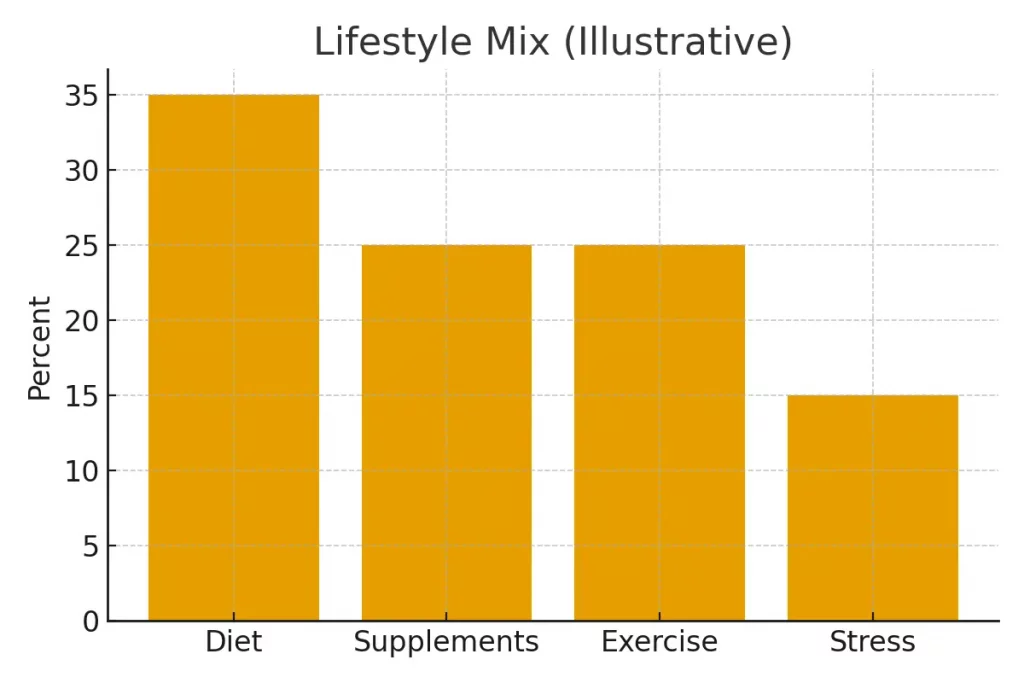
Key Takeaways Moderate caffeine may be safe, but excess intake harms hormone regulation, sleep, and egg/sperm quality. Alcohol affects ovulation, sperm DNA integrity, and embryo development — even small amounts matter during IVF. Timing is crucial: intake before ovulation or embryo transfer can negatively influence outcomes. Lifestyle modifications, even for only one cycle, can significantly […]
Workplace Conversations — Privacy and Boundaries
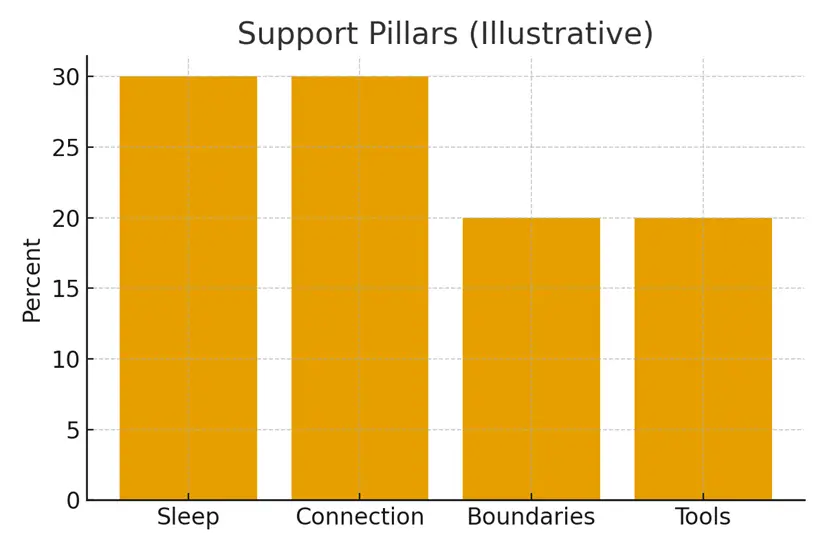
Key Takeaways You control what you share about fertility treatment at work — not your manager or coworkers. Simple scripts make awkward conversations easier and prevent oversharing. Privacy tools such as “need-to-know disclosure,” selective scheduling, and boundary statements reduce stress. If workplace dynamics become uncomfortable, HR and formal accommodations may help. Emotional strain is normal […]
Case Studies — Using Genetics to Guide Care
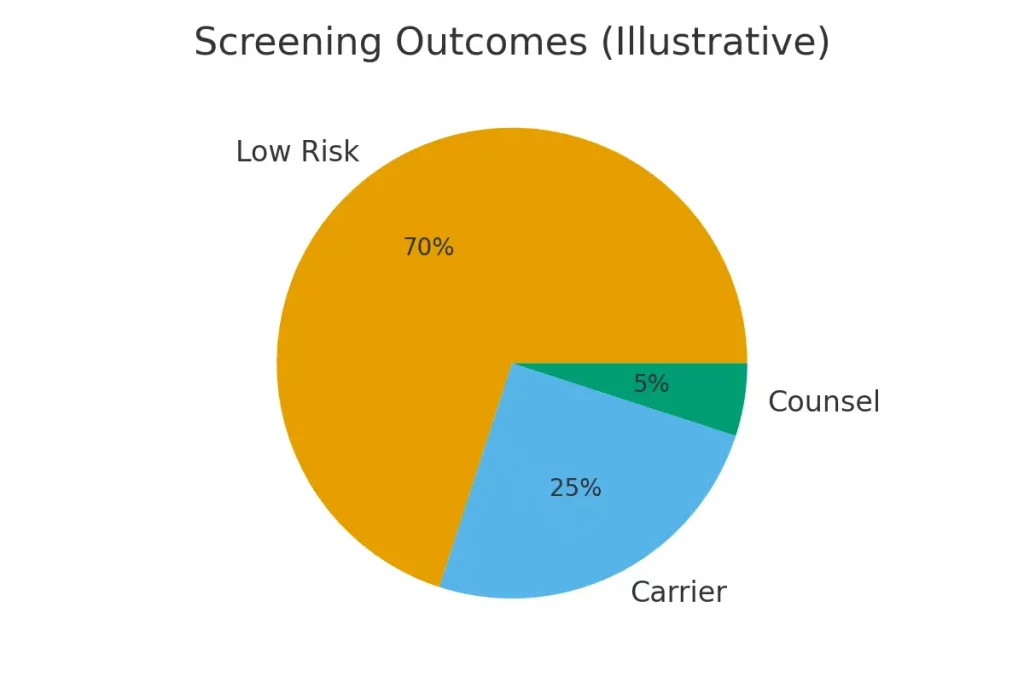
Genetic testing and carrier screening provide more than just “risk reports.” When used correctly, they shape real clinical decisions: which embryos to transfer, which medications or timelines to choose, whether donor gametes are appropriate, and how to plan for pregnancy risks.Case studies help make this real—showing how genetics changes care pathways, not just paperwork. Where […]
When Things Change — Multiples, Complications, Early Delivery
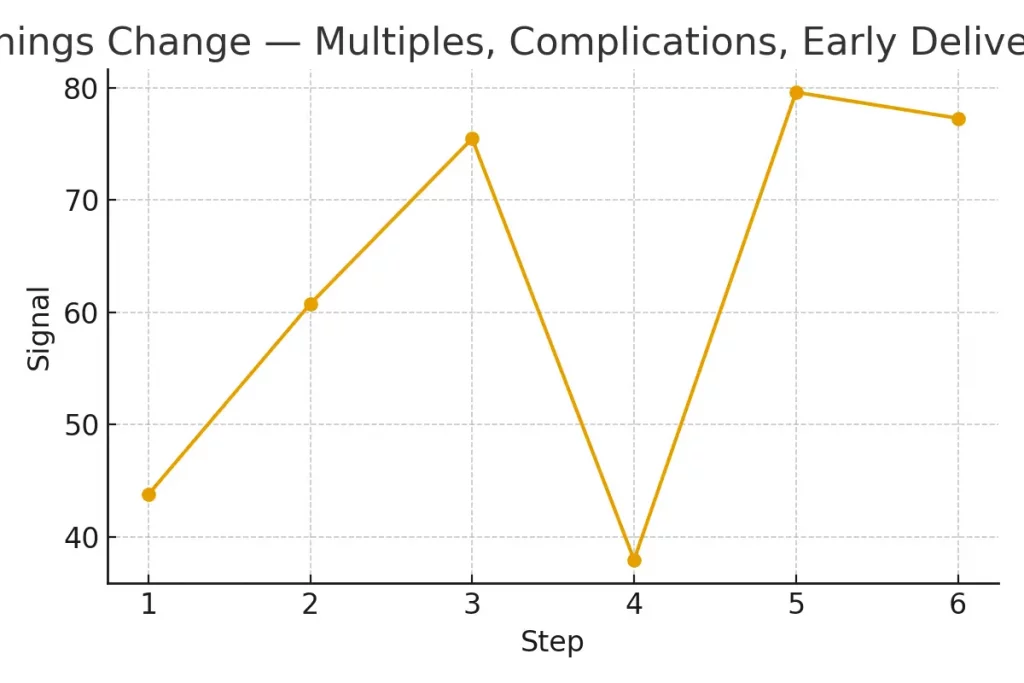
When Things Change — Multiples, Complications, Early Delivery covers how a surrogacy arrangement adjusts when the medical course shifts from the original plan. it explains: Where these scenarios fit in the surrogacy process What they change legally, financially, and medically How upstream decisions (contract terms, insurance, clinic strategy, embryo transfer decisions) affect downstream results (hospital […]
Progesterone Timing — Checks and Adjustments
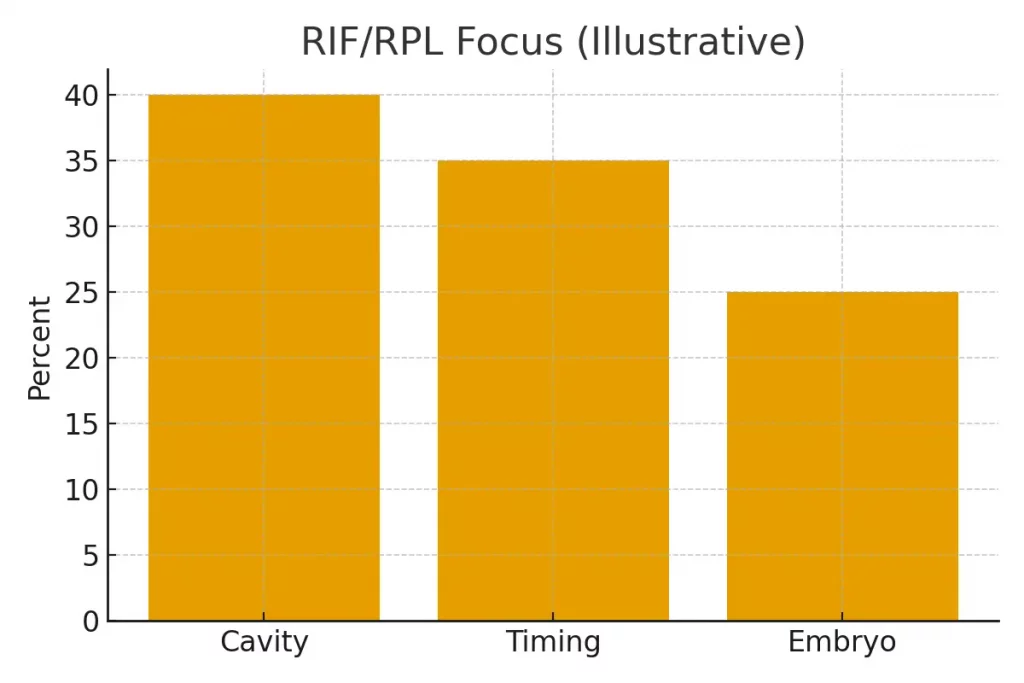
This article explains progesterone timing and its role in the Uterine & Implantation (RIF/RPL) pathway. It focuses on the checks and adjustments that directly influence outcomes, budgets, and timelines—so you can move forward with confidence. What It Is Progesterone is the hormone that prepares the uterine lining to receive an embryo. In plain English: if […]
Adenomyosis — Medical Options and Timing
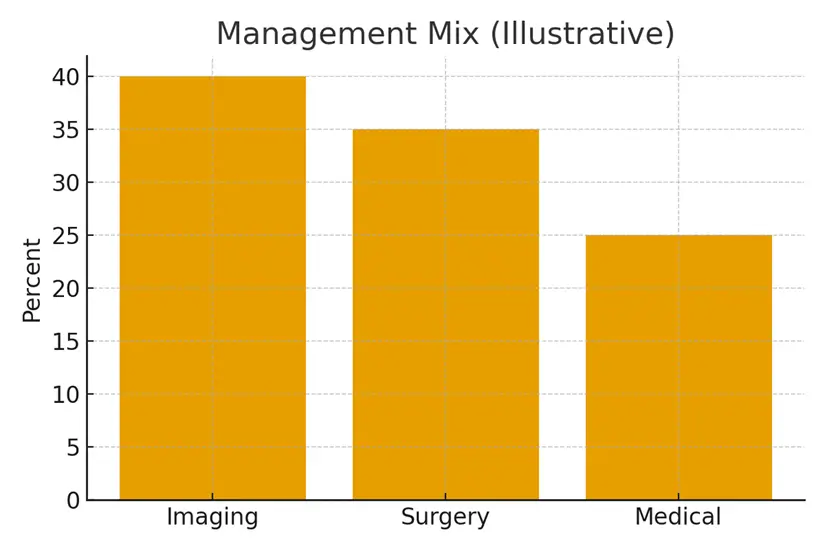
Key Takeaways Adenomyosis affects implantation, uterine contractions, and inflammation—making IVF timing and preparation crucial. Medical suppression before FET can significantly improve pregnancy rates. Options include GnRH agonists, LNG-IUD, progestins, anti-inflammatory therapy, or combined protocols. Most women benefit from 2–3 months of suppression before frozen embryo transfer. Imaging (MRI or 3D ultrasound) guides treatment planning and […]
Pre‑Chemo Testing — AMH, AFC, and Baseline Labs

Key Takeaways Chemotherapy can severely damage sperm production—testing and banking must happen before treatment starts. Baseline labs help assess current fertility and determine how many samples are needed. AMH and AFC—although typically used for women—guide overall reproductive planning for couples where both partners need pre-chemo assessment. Men can complete testing + sperm banking within 24–48 […]
Sperm Banking — Urgent Steps for Men
Key Takeaways Sperm banking is a fast, simple, and highly effective method of preserving future fertility. Men facing urgent medical treatments (chemotherapy, surgery, testosterone therapy) should freeze sperm immediately. The entire process—from evaluation to freeze—can be completed within 24–48 hours when needed. Sperm freezing is inexpensive, safe, and offers long-term storage (10–25+ years). Early action […]
Time‑to‑Pregnancy Forecaster — Multi‑Cycle Planning
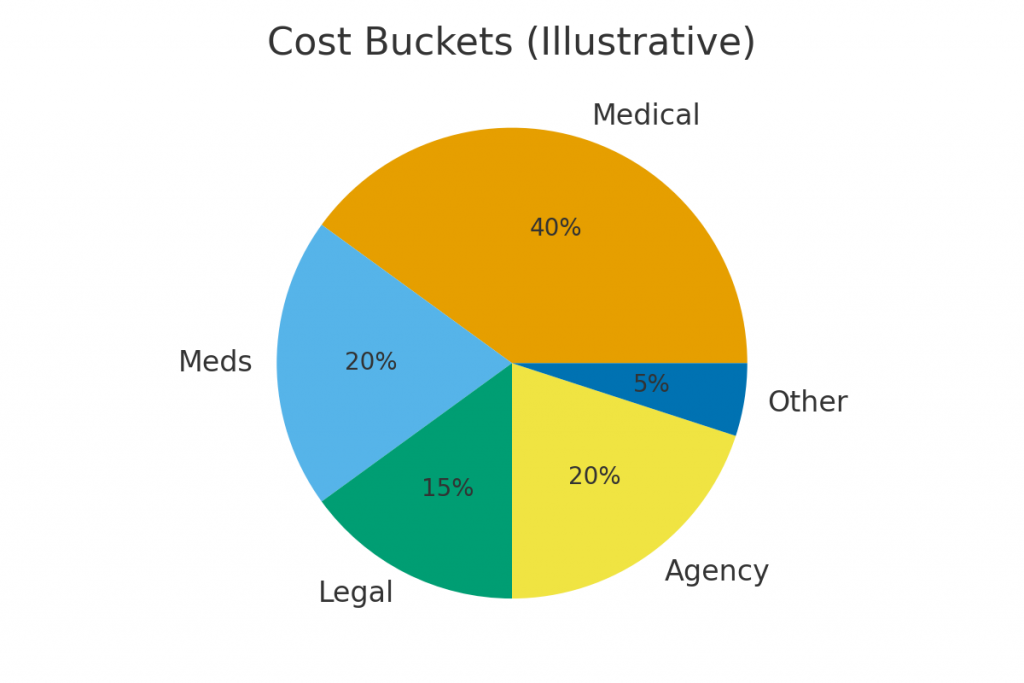
Key Takeaways Time-to-pregnancy varies depending on IVF cycles, embryo quality, surrogate health, and age. Multi-cycle planning improves predictability for both surrogates and intended parents. The Time-to-Pregnancy Forecaster estimates timelines for multiple IVF and embryo transfer cycles. Helps align expectations, plan finances, and manage travel, medications, and clinic schedules. Forecasting reduces stress and enhances decision-making throughout […]
