
Access and Wait Times — Hidden Friction
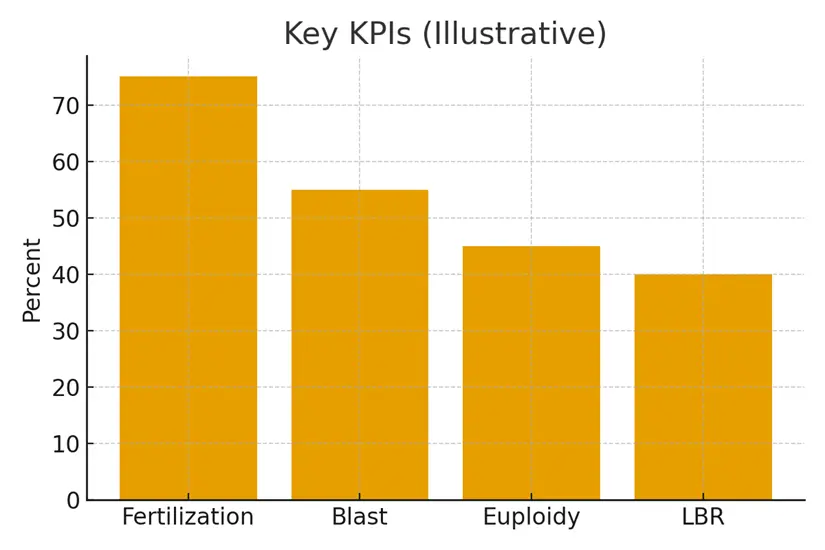
Access and wait times are often the “hidden friction” inside the Clinic Selection & Success Rates pathway. This article breaks down how scheduling delays, bottlenecks, and clinic capacity influence real outcomes, budgets, and timelines—so you can make decisions that actually move you forward with confidence. What It Is Access and Wait Times — Hidden Friction […]
Embryo Mosaicism — Decision‑Making Framework

Mosaicism means an embryo has a mix of normal (euploid) and abnormal (aneuploid) cells. It is not fully normal, not fully abnormal—it’s in the middle. Where it fits: Mosaicism is identified through PGT-A. It becomes relevant when you have few or no euploid embryos. It is a transfer decision, not a stimulation decision. What it […]
Financial Planning for Multi‑Cycle Journeys
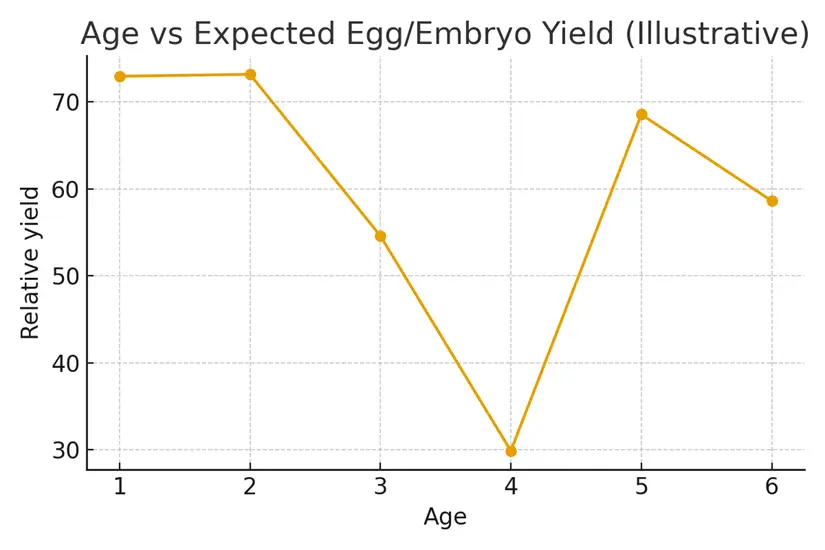
Key Takeaways Fertility success often requires multiple cycles, especially after age 35. Financial planning reduces emotional and financial pressure during treatment. Knowing when to shift strategies (IVF → donor → surrogacy) avoids wasted cycles and budget overrun. Cost structures vary widely by country, clinic, and add-ons like PGT-A or ICSI. Upfront budgeting helps families avoid […]
Sleep Hygiene — Routines That Stick
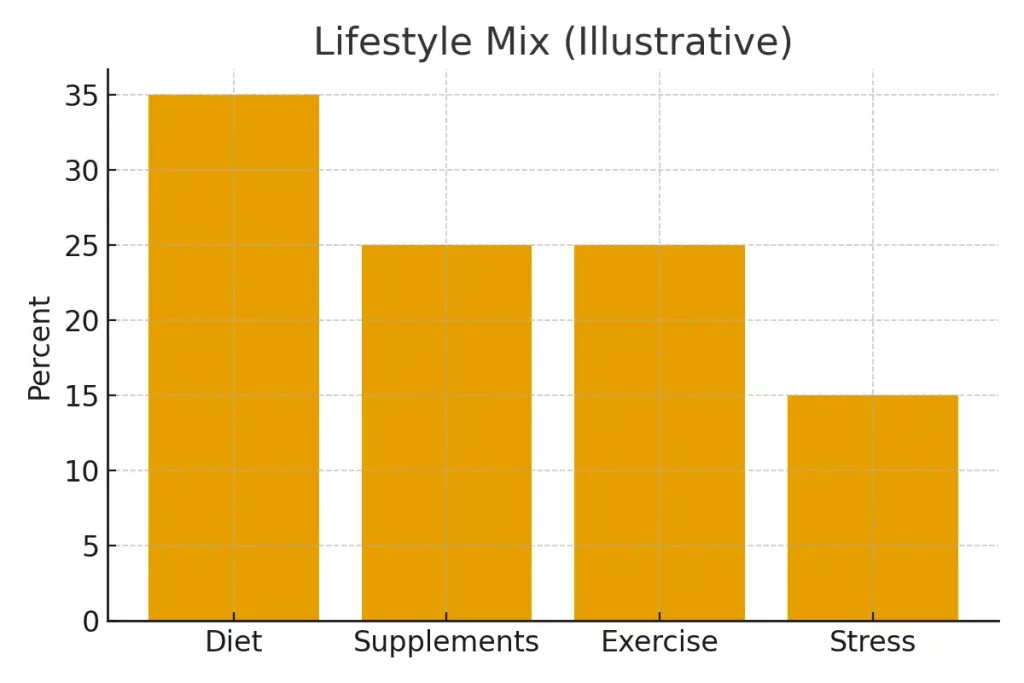
Key Takeaways Sleep directly affects hormones, egg quality, sperm quality, metabolism, and mood. Simple routines—not perfection—drive long-term results. Consistency matters more than number of hours alone. Small environmental changes (light, temperature, timing) dramatically improve sleep quality. Screens, stress, and irregular schedules are the most common disruptors—and fixable. Better sleep enhances IVF outcomes, natural conception chances, […]
Intended Parent Requirements — Married, Single, LGBTQ+

Intended Parent (IP) requirements—marital status, sexual orientation, and family structure—vary across the United States. Because surrogacy is regulated state by state, the rules for who can become a legal parent differ based on: State statutes County-level judge interpretation Whether donor gametes are used Whether one or both intended parents are genetically related Whether intended parents […]
Vasectomy Reversal vs IVF/ICSI — Decision Framework
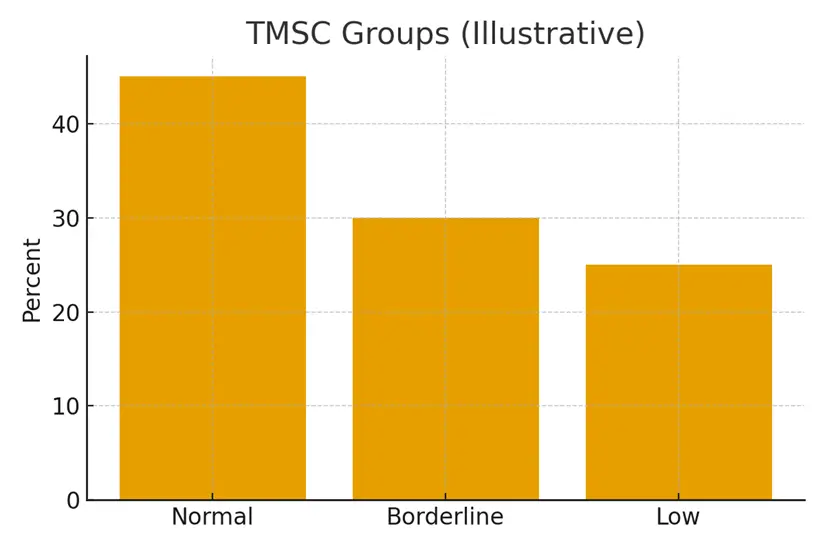
This guide explores the decision-making framework for choosing between vasectomy reversal and IVF/ICSI within the broader Male Fertility & Andrology pathway. Its goal is to simplify a complex choice by focusing on the practical factors that genuinely influence outcomes, budgets, success rates, and timelines. Whether you’re just beginning to explore your options or reevaluating after […]
Recurrent Miscarriage Work‑Up — Step‑by‑Step

This article explains recurrent miscarriage work‑up — step‑by‑step within the Fertility Testing & Diagnostics pathway. You’ll see who benefits, how timing affects outcomes, realistic costs, and decision rules to keep care simple and humane. Education Content 1) Definitions and where this fits in the journey. 2) Eligibility signals and when to escalate or pause. 3) […]
Legal Prep for Hospital & Birth Certificates
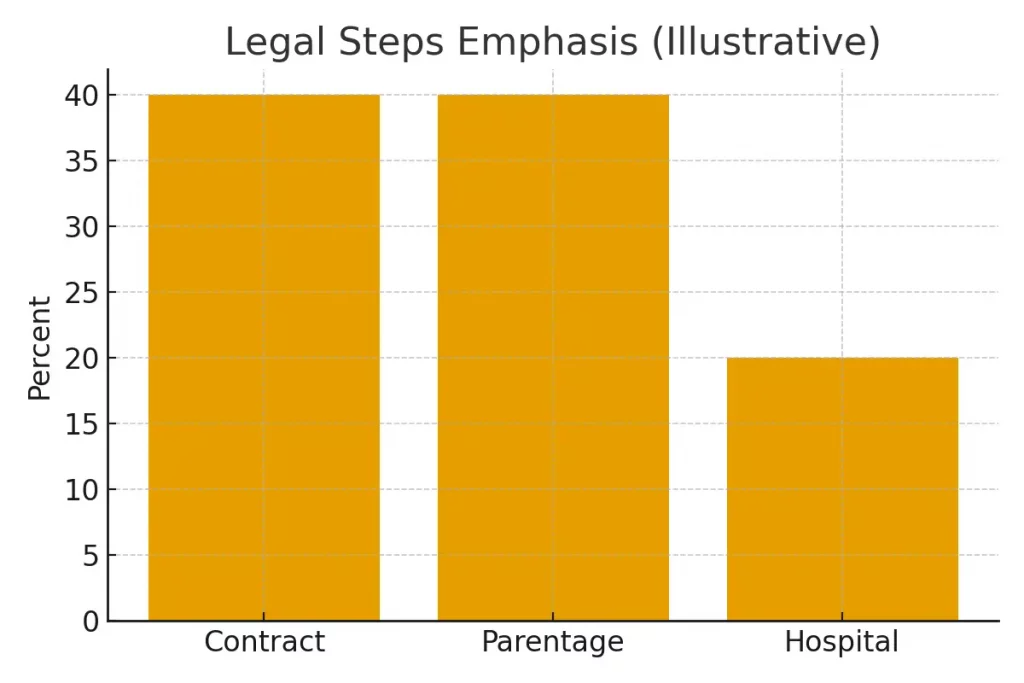
For LGBTQ+ parents-to-be, medical treatment is only part of the family-building journey. Legal preparation—especially around hospital procedures and birth certificates—is just as important. These steps influence outcomes, timelines, and budgets, while also ensuring your parental rights are fully protected. By preparing early, you can reduce uncertainty and move forward with confidence. What It Is Legal […]
POSEIDON Groups — Planning for Poor Responders
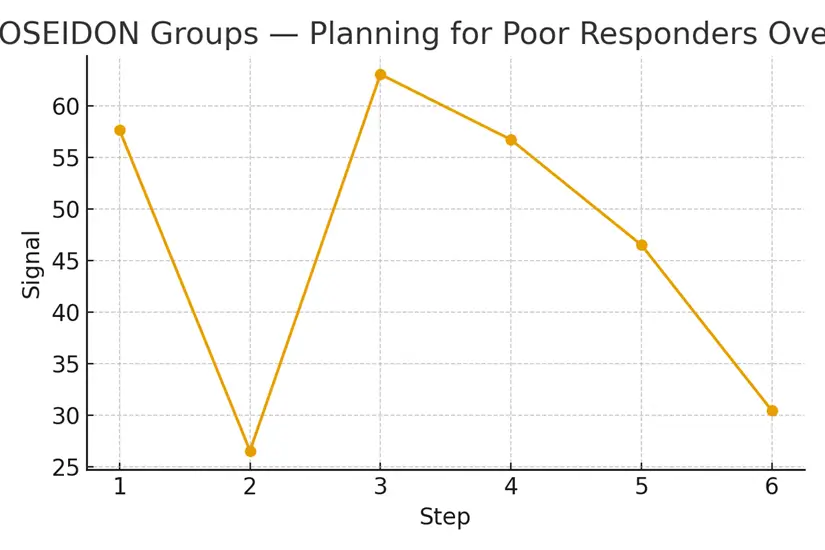
This article explains POSEIDON groups — planning for poor responders — within the IVF Protocols & Medications pathway. It focuses on the choices that truly affect outcomes, budgets, and timelines, helping you move forward with clarity instead of overwhelm. What It Is POSEIDON is a system doctors use to better understand “low response” during IVF.Instead […]
Male Factor After Chemo — DNA Fragmentation and Plans
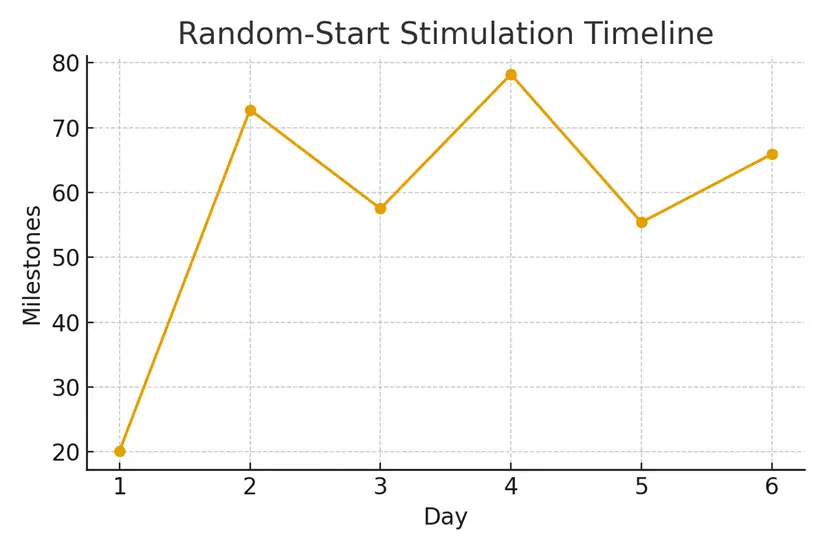
Key Takeaways Chemotherapy can temporarily—or sometimes permanently—impact sperm count, motility, morphology, and DNA integrity. DNA fragmentation tests are essential after cancer treatment because semen analysis alone may miss deeper sperm damage. Recovery timelines are highly individual: some men rebound in 12–24 months, while others need medical support or assisted reproduction. ICSI with tested sperm, sperm […]
