
Legal & Consent — Ownership, Disposition, Future Use
This article explains Legal & Consent — Ownership, Disposition, Future Use within the Egg Freezing & Fertility Preservation pathway. These decisions shape your rights, options, and responsibilities—both now and years into the future. Understanding the small legal details early helps prevent confusion, protects your wishes, and ensures you have full control over how your frozen […]
Subclinical Thyroid Disease — When to Treat
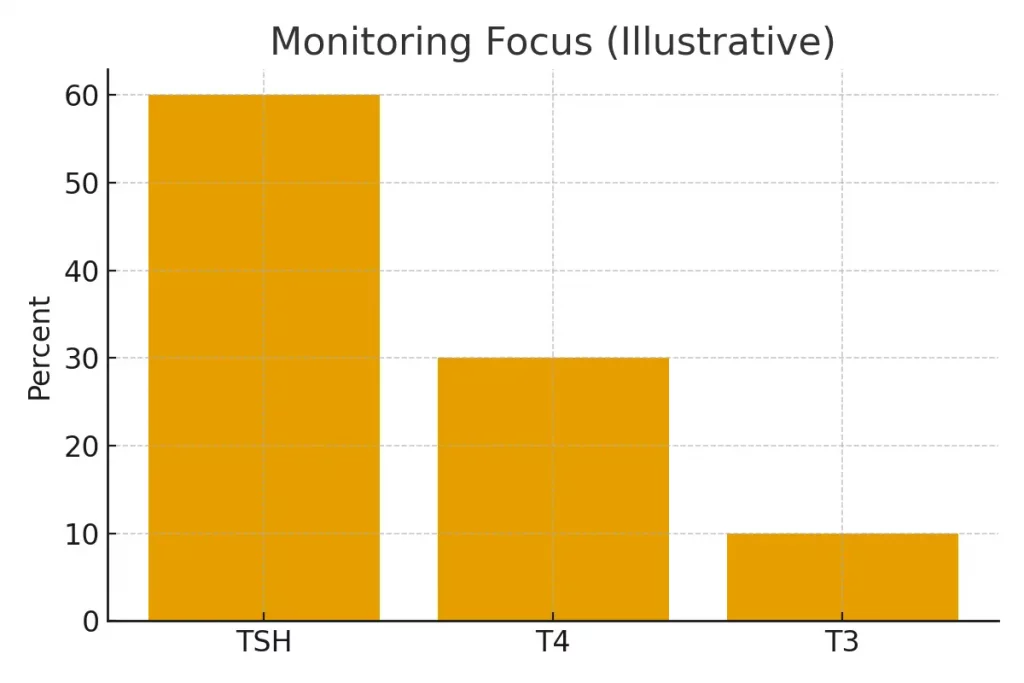
Key Takeaways Subclinical thyroid disease means abnormal TSH with normal T3/T4. Even mild thyroid dysfunction can impact fertility, menstrual cycles, and pregnancy outcomes. Most experts treat subclinical hypothyroidism when TSH ≥ 4.0 (or ≥ 2.5 if TTC/IVF/surrogate). Subclinical hyperthyroidism rarely needs treatment unless symptoms or underlying disease is present. Optimizing thyroid levels before pregnancy improves […]
HLA Matching and Ethical Considerations
HLA (Human Leukocyte Antigen) matching refers to testing embryos for compatibility with an existing child who needs a stem-cell or bone-marrow donor. It’s typically paired with PGT-M or PGT-A and used to ensure that a future baby can safely donate cord blood or bone marrow to a sibling with a life-threatening condition. This section explains: […]
Fertility Clinics Near Me — Philadelphia (PA)
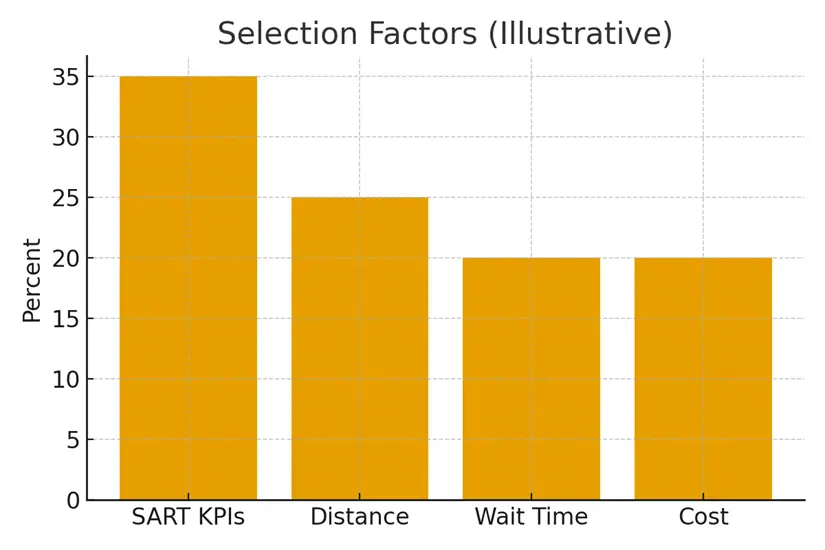
Key Takeaways Philadelphia offers several nationally recognized fertility clinics with strong IVF success rates. IVF costs in Philadelphia vary widely, making price transparency and insurance verification essential. Clinics provide a broad range of services including IVF, IUI, egg freezing, donor eggs, and surrogacy coordination. Factors like lab technology, communication, and personalized care significantly influence treatment […]
Pharmacy Savings — Manufacturer Programs and Generics
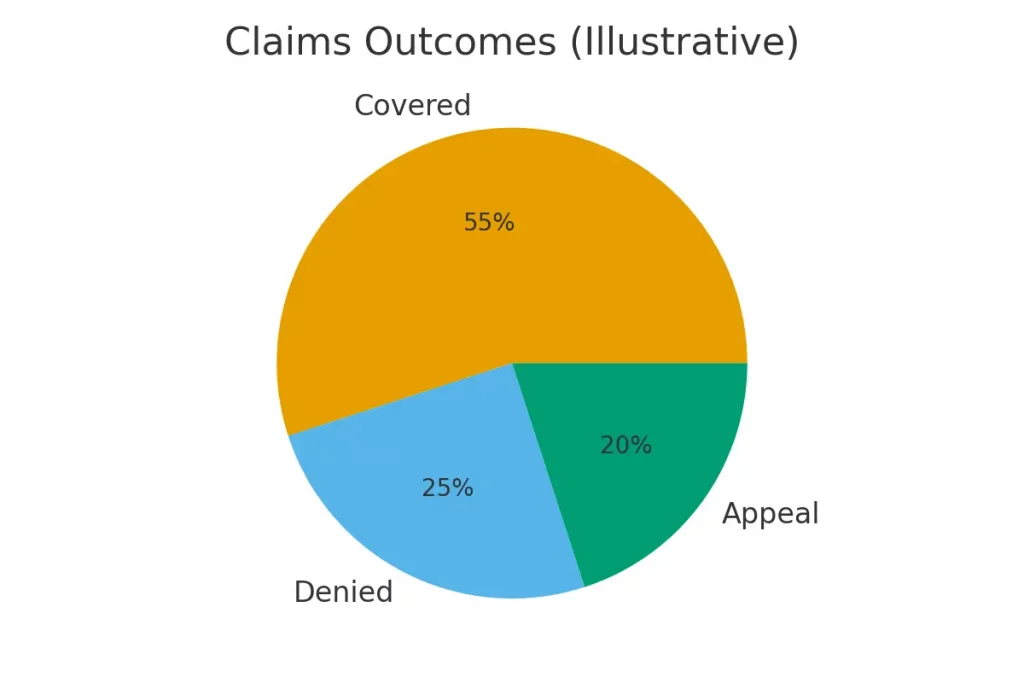
Fertility medications are one of the biggest and most unpredictable costs in treatment. Pharmacy savings help reduce that burden through: Manufacturer discount programs Income-based medication assistance Coupons and co-pay support Switching to generics when possible Using lower-priced pharmacies Multi-cycle or bundled medication packages These decisions can change cycle affordability, start dates, treatment sequencing, and your […]
Fibroid Types (FIGO) — Which Ones Matter for IVF
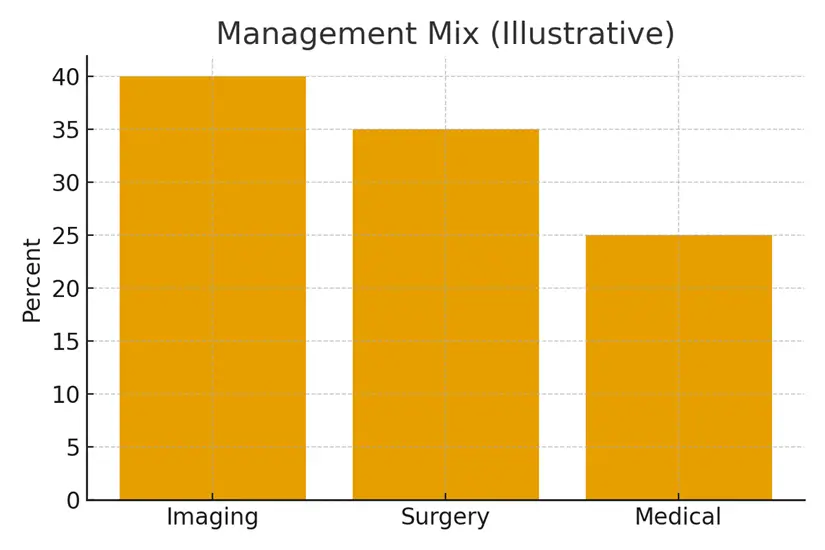
Key Takeaways Not all fibroids impact fertility—location matters more than size. Fibroids touching or distorting the uterine cavity (FIGO 0–2) most strongly reduce implantation and pregnancy rates. FIGO 3–4 fibroids may require removal depending on symptoms, size, and IVF history. FIGO 5–8 fibroids typically do not affect embryo implantation unless extremely large. Understanding fibroid type […]
Insurance Coverage Estimator — Out‑of‑Pocket Scenarios
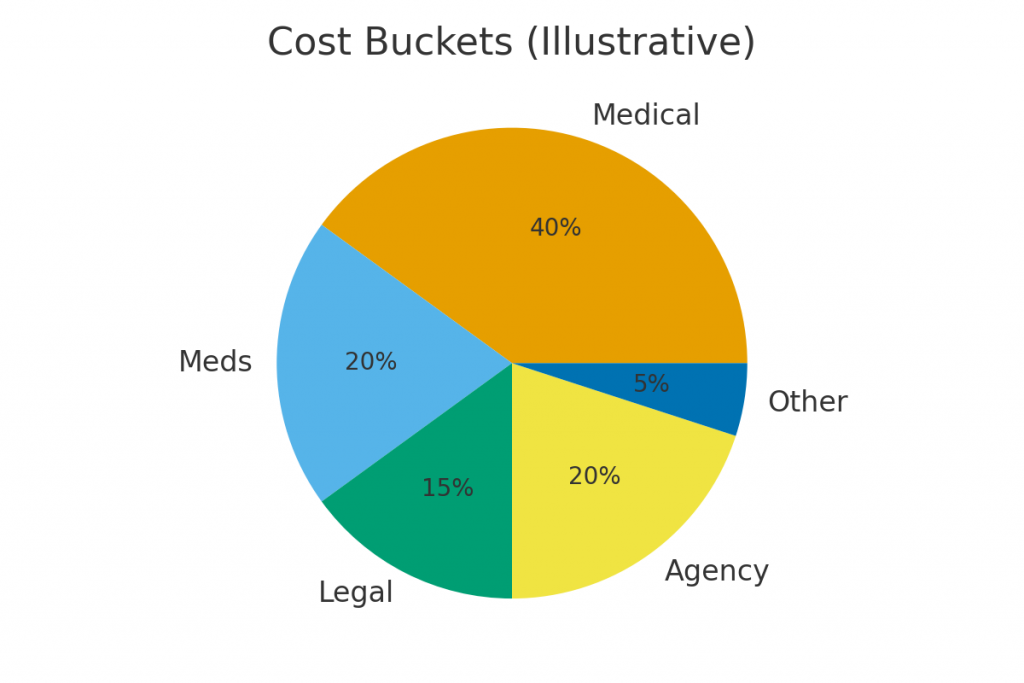
Key Takeaways Insurance coverage in surrogacy varies depending on carrier, surrogate, and state regulations. Out-of-pocket costs may include medications, monitoring, legal fees, and complications not covered by insurance. An insurance estimator helps surrogates and intended parents anticipate and plan for these expenses. Using this tool improves transparency, reduces surprises, and enhances financial planning. Understanding insurance […]
Privacy and Anonymity — HIPAA and Common Sense
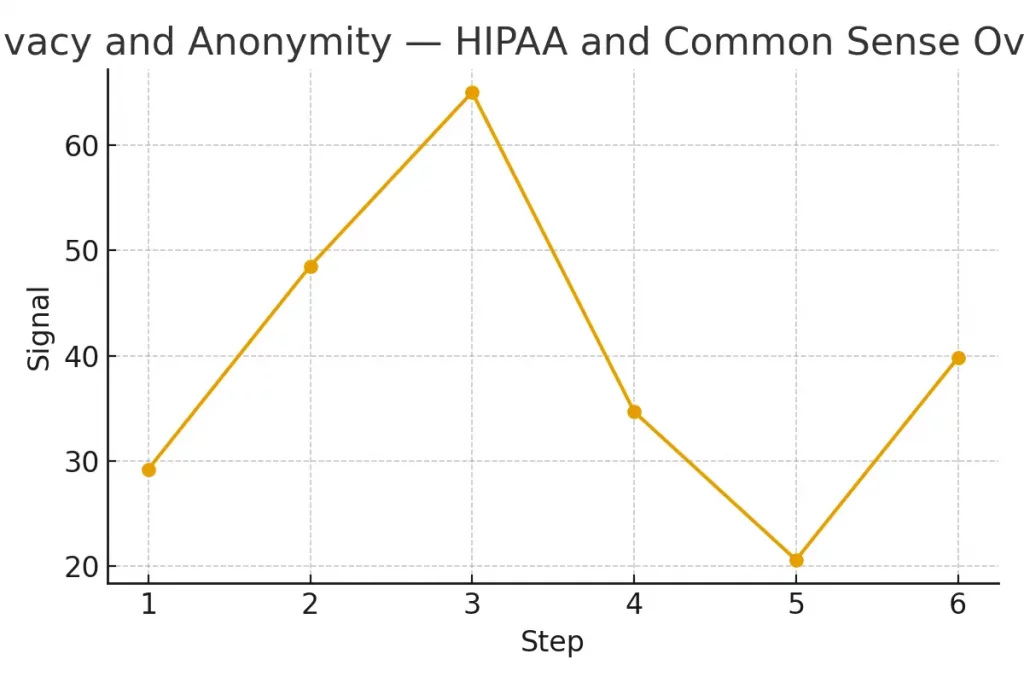
Privacy & Anonymity — HIPAA and Common Sense Privacy in surrogacy is about two things: Legal privacy (HIPAA, state privacy laws, agency protocols) Practical privacy (emotional boundaries, communication expectations, shared information) HIPAA protects medical information—labs, ultrasound results, diagnoses, medications, and all clinical records. It does not automatically cover personal texts, social media, hospital interactions, agency […]
PRP and G‑CSF for Thin Lining — Dual Guide
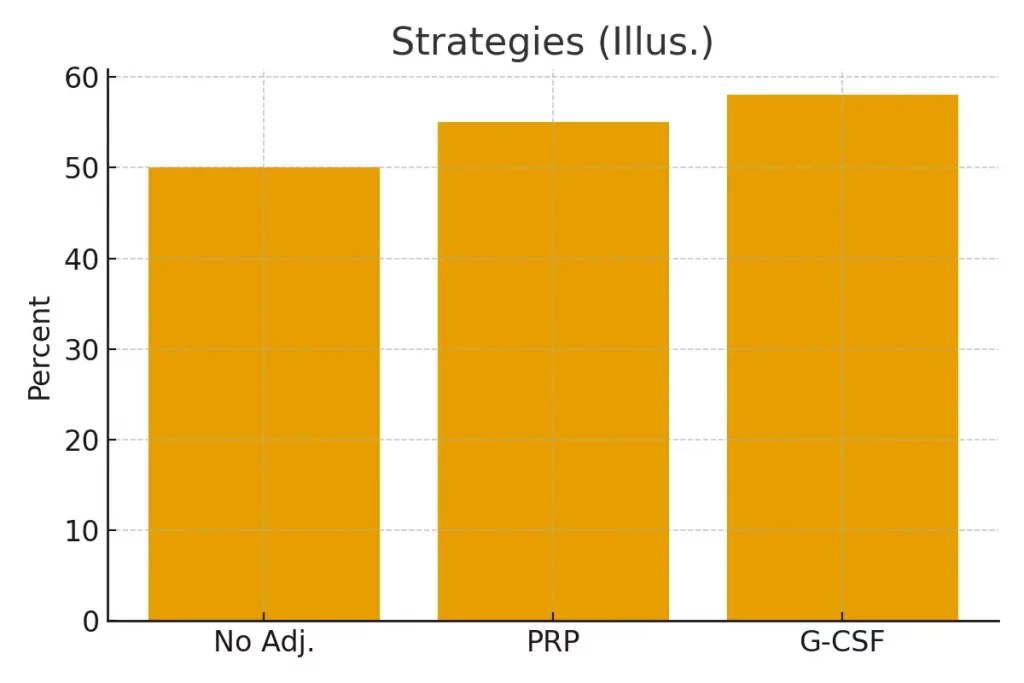
Key Takeaways Thin endometrium is a key factor in failed implantation PRP (Platelet-Rich Plasma) and G‑CSF (Granulocyte Colony-Stimulating Factor) are emerging therapies PRP stimulates endometrial growth and blood flow G‑CSF modulates immune response and enhances receptivity Combined therapy can improve IVF and surrogacy outcomes A receptive endometrium is critical for successful embryo implantation. When the […]
When to Delay Transfer — Healing Intervals
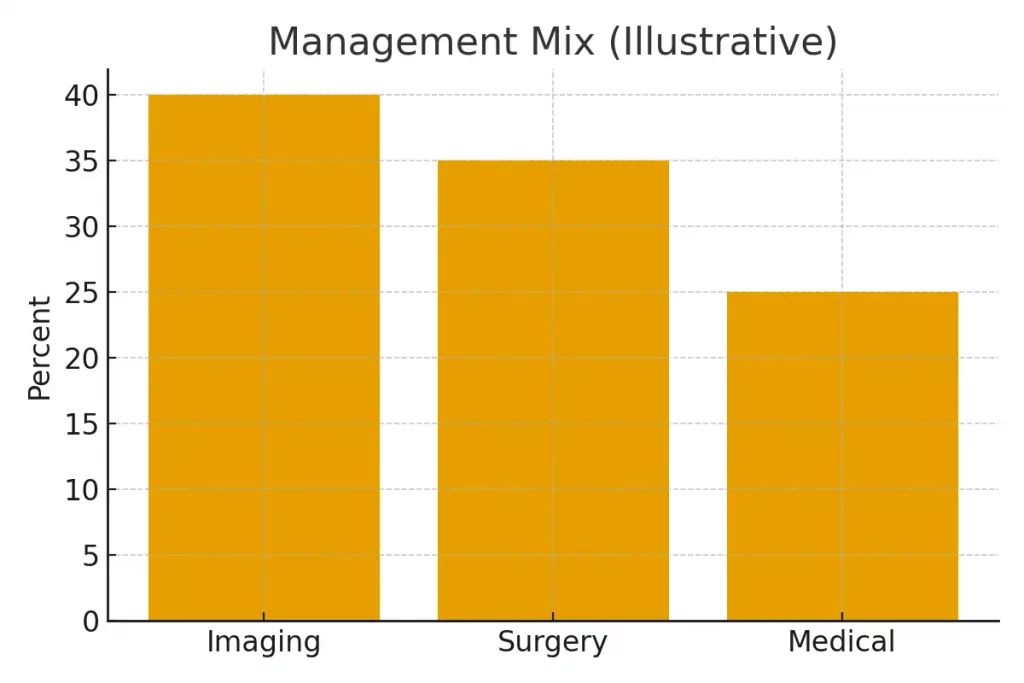
Key Takeaways Delaying an embryo transfer is often medically beneficial—not a setback. Healing intervals of 1–3 months can improve uterine environment, hormonal balance, and implantation rates. Transfer postponement is recommended after overstimulation, infection, thin lining, or emotional/physical stress. Frozen embryo transfer (FET) success remains high, even after extended delays. Personalized treatment timing leads to better […]
