
Intended Parent Stories — What Helped the Most

Introduction This article explains intended parent stories — what helped the most within the Egg Donation 101 pathway. You’ll see who benefits, how timing affects outcomes, realistic costs, and decision rules to keep care simple and humane. Education Content 1) Definitions and where this fits in the journey. 2) Eligibility signals and when to escalate […]
Mini‑IVF vs Conventional — Matching Protocol to Goals

Key Takeaways Mini-IVF uses lower medication doses and aims for fewer but high-quality eggs; Conventional IVF uses higher stimulation to maximize egg numbers. Mini-IVF is often ideal for low-response, older, or cost-sensitive patients; Conventional IVF benefits those aiming for more embryos or PGT. Both approaches have distinct impacts on cost, risk, and timeline—choosing the right […]
Medical Insight on Pregnancy Viability Week by Week Growth
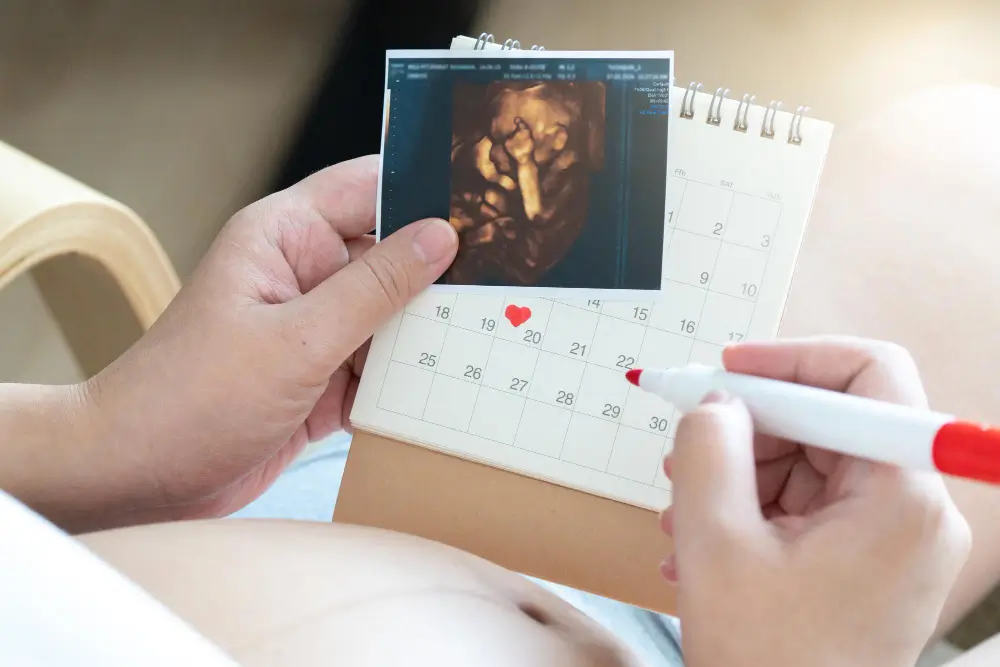
Carrying a new life is perhaps the most powerful human experience. For patients and intended parents, understanding pregnancy viability week to week is comforting and empowering. This medical update on fetal development allows families to understand when a baby can live outside the uterus and the milestones involved with this process. Each pregnancy is different, […]
Using Preserved Material After Remission — Timing

Key Takeaways Timing matters: using preserved eggs, embryos, or sperm too soon after treatment may increase risks. Most patients must wait 6–24 months after completing cancer therapy—depending on diagnosis and treatment. Clearances must include oncology, reproductive endocrinology, and sometimes maternal–fetal medicine. Frozen material remains stable for decades; there is no rush to use it. Emotional […]
Second Opinions — When to Get One (and How)
Key Takeaways A second opinion is standard, not a sign of distrust. Ideal triggers: unclear diagnosis, repeated failed cycles, rushed recommendations, or imminent cancer treatment. Most second opinions take 24–72 hours when records are organized. You don’t need to switch clinics—just gather more clarity. Insurance often covers expert reviews, especially for cancer-related fertility care. Good […]
Storage and Transport — Clinics and Cryoshippers
Key Takeaways Transporting frozen eggs, sperm, and embryos is safe when handled by certified cryoshippers. Clinics follow strict chain-of-custody procedures to maintain identity, temperature, and viability. Cryoshipping uses vapor-phase liquid nitrogen tanks that maintain –150°C or colder for up to 10–14 days. Choosing a reliable shipper prevents delays, temperature drift, and customs problems. Long-term storage […]
Travel and Remote Monitoring — When Home Is Far
Key Takeaways You can complete most of the fertility monitoring process remotely if your clinic coordinates the protocols. The biggest risks are time zone differences, lab turnaround delays, and inconsistent ultrasound reporting. Traveling patients need a firm testing calendar, backup clinics, and clear same-day communication channels. Good monitoring partners and organized documentation dramatically reduce stress […]
Celiac Disease and Fertility — Screening and Diet
Key Takeaways Celiac disease can affect fertility, pregnancy outcomes, and nutritional status. Screening for celiac disease is essential in cases of unexplained infertility or recurrent miscarriage. A strict gluten-free diet is the primary treatment and can restore fertility and improve pregnancy outcomes. Nutritional optimization (iron, vitamin B12, folate, vitamin D, calcium) is crucial. Surrogates and […]
Insurance and Prior Authorizations — Moving Fast
Key Takeaways Prior authorization delays are predictable—and avoidable—with the right prep. Coverage rules differ widely between carriers, employers, and states. The fastest approvals come from complete documentation, correct codes, and proactive communication. Missing notes, unclear diagnosis codes, and benefit misunderstandings create the biggest holdups. Partnering with clinics and insurance teams early drastically shortens your timeline. […]
Legal & Consent — Decision‑Makers and Documentation

Key Takeaways Legal documents for fertility preservation must be completed before treatment begins. Patients must specify what happens to eggs, sperm, embryos, and tissues under all future conditions. Minors and incapacitated adults require special consent processes involving guardians, ethics boards, or court approval. Partner consent is required only for embryos, not eggs or sperm. Clear […]
