
Review At a Glance
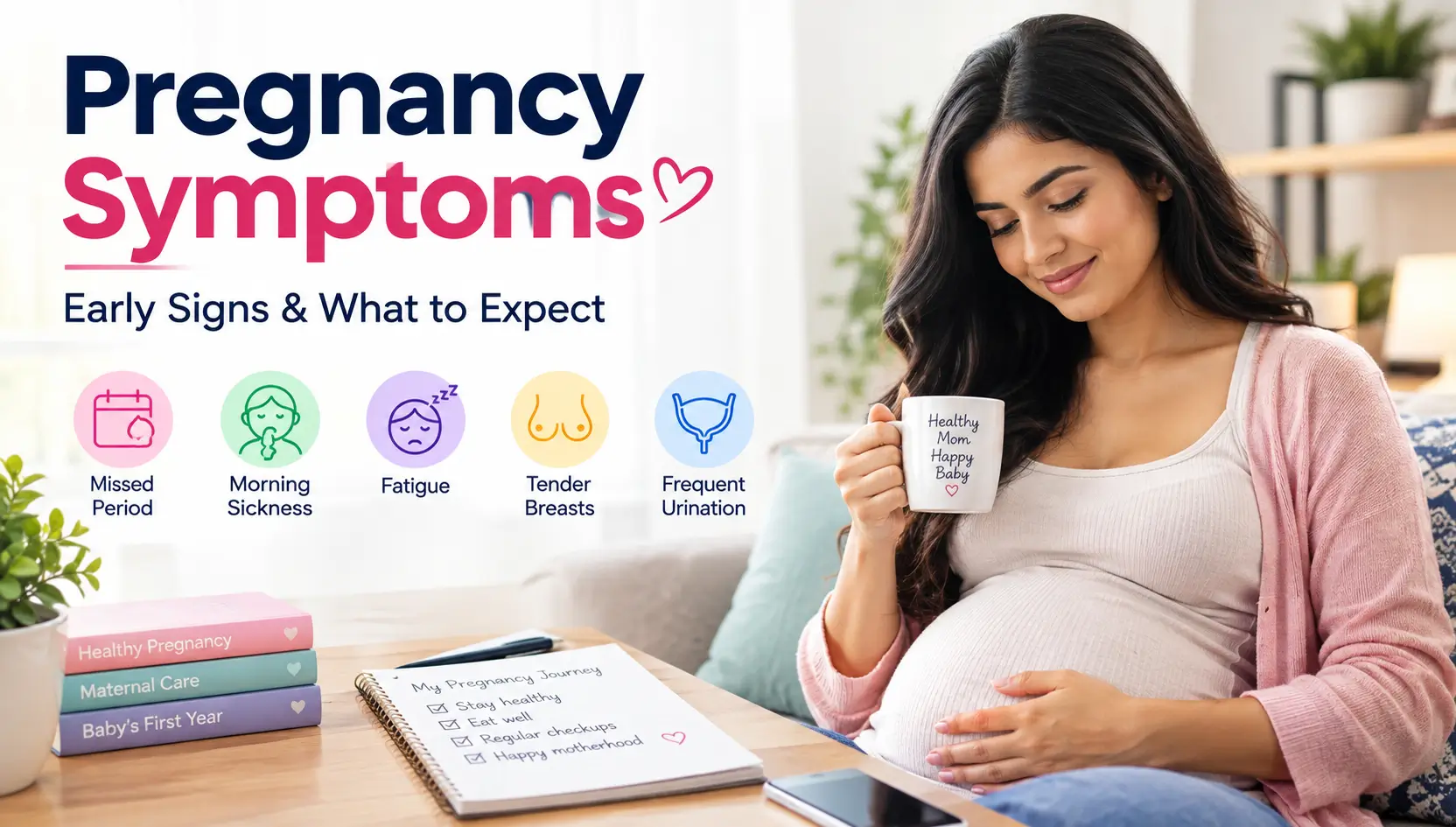
- Early pregnancy symptoms may include a missed period, nausea, fatigue, breast tenderness, frequent urination, and mood changes.
- The first signs of pregnancy can appear differently for everyone, and some people may notice symptoms within the first few weeks.
- A missed period is one of the most common signs of pregnancy, but symptoms alone cannot confirm pregnancy.
- Early symptoms of pregnancy before a missed period may include mild cramping, spotting, tiredness, and changes in smell or appetite.
- If you experience severe pain, heavy bleeding, or unusual symptoms, consult a physician or other healthcare professional for guidance.
What Are Pregnancy Symptoms?
Pregnancy symptoms are physical and emotional changes that happen because of hormonal changes after conception. As the body begins preparing to support a developing baby, rising pregnancy hormones can affect different systems throughout the body.
Some people may experience noticeable changes, while others may have very mild symptoms. The timing, intensity, and combination of symptoms can be different for everyone.
Common changes may include:
- Changes in menstrual cycle
- Breast sensitivity
- Feeling more tired than usual
- Nausea
- Changes in appetite
- Emotional changes
It is important to remember that symptoms alone cannot confirm pregnancy. Some early pregnancy changes can also feel similar to symptoms that happen before a menstrual period.
Understanding Early Pregnancy Changes
Recognizing possible changes in your body can be an important part of understanding early pregnancy. Many people begin searching for pregnancy symptoms when they notice something feels different, such as a missed period, unusual tiredness, or changes in their body.
The signs of pregnancy can vary from person to person. Some individuals notice changes within the first few weeks, while others may not experience clear symptoms at the beginning. Every pregnancy journey is unique, and experiencing certain symptoms does not always mean someone is pregnant.
Understanding the common symptoms of pregnancy can help you identify possible changes, know what to expect, and decide when it may be the right time to take a pregnancy test or speak with a healthcare professional.
Common Signs of Pregnancy in the Early Stages
The early stages of pregnancy can bring several noticeable changes. These physical signs of pregnancy may develop gradually as hormone levels increase.
Missed Period
A missed period is one of the most commonly recognized signs of pregnancy, especially for people with regular menstrual cycles. When a period does not arrive as expected, pregnancy may be one possible reason.
However, missed periods can also happen due to stress, lifestyle changes, hormonal fluctuations, or other factors.
Nausea and Morning Sickness
Nausea is one of the most familiar early symptoms of pregnancy. Although it is often called morning sickness, it can happen at different times of the day.
Some people may experience:
- Feeling nauseous
- Vomiting
- Increased sensitivity to smells
- Changes in food preferences
Not everyone experiences nausea during pregnancy, and some people may have very mild symptoms.
Breast Changes
Hormonal changes can cause noticeable breast changes during early pregnancy. These changes may include:
- Tenderness or sensitivity
- A feeling of fullness
- Slight swelling
- Changes around the nipples
Because similar changes can happen before a period, breast changes alone may not always indicate pregnancy.
Increased Fatigue
Feeling unusually tired is another common symptom. During early pregnancy, hormonal changes may affect energy levels and make some people feel the need for extra rest.
Fatigue can appear among the beginning pregnancy symptoms and may continue during different stages of pregnancy.
Frequent Urination
Some people notice they need to urinate more often during early pregnancy. Changes in hormones and increased blood flow can contribute to this experience.
Mood Changes
Hormonal shifts can also influence emotions. Some individuals may notice changes in mood, increased sensitivity, or emotional ups and downs.
Also Read:
Early Symptoms of Pregnancy Before a Missed Period
Many people wonder, “What are the signs for pregnant individuals before a missed period?” While a missed period is a common indicator, some early changes may appear before that.
Possible early changes may include:
- Mild cramping
- Light spotting
- Breast tenderness
- Fatigue
- Increased smell sensitivity
- Changes in appetite
These first symptoms of pregnancy can sometimes be difficult to recognize because they may feel similar to normal menstrual cycle changes.
If pregnancy is possible, a pregnancy test is the best way to confirm whether these symptoms are related to pregnancy.
Understanding Pregnancy Symptoms Week by Week
Pregnancy develops gradually, and symptoms may change throughout the early weeks.
First Few Weeks
During the earliest stage, some people may notice:
- Mild body changes
- Fatigue
- Breast tenderness
- Light spotting
Others may not notice any clear symptoms.
Around the Missed Period
At this stage, some people may experience stronger symptoms, such as:
- Nausea
- Increased urination
- Mood changes
- Greater breast sensitivity
Later First Trimester Changes
As pregnancy progresses, symptoms may become more noticeable. These gestation symptoms can include continued hormonal changes, appetite changes, and physical adjustments as the body adapts.
How to Know If Pregnancy Symptoms Mean You Are Pregnant
Many people ask, “What is the symptoms of pregnant individuals that can confirm pregnancy?” The truth is that symptoms alone cannot provide a definite answer.
Some symptoms may suggest pregnancy, but confirmation usually requires:
- A home pregnancy test
- A healthcare provider’s confirmation
- Medical guidance when needed
If a pregnancy test is positive, seeking early prenatal care can help support a healthy pregnancy journey.
When Should You Seek Medical Advice?
While many early pregnancy symptoms are normal, some situations require professional guidance.
Contact a healthcare provider if you experience:
- Severe abdominal pain
- Heavy bleeding
- Severe dizziness
- Fainting
- Unusual or concerning symptoms
Getting medical advice can provide reassurance and help address any concerns during pregnancy.
FAQs About Pregnancy Symptoms
Q. What are the earliest signs of pregnancy?
A. The earliest signs may include a missed period, fatigue, breast tenderness, nausea, and changes in appetite or smell sensitivity.
Q. How early can pregnancy symptoms start?
A. Some people may notice changes in the early weeks after conception, while others may not experience symptoms until later.
Q. Are all pregnancy symptoms the same for everyone?
A. No. Every person experiences pregnancy differently. Some may have many symptoms, while others may have only a few.
Q. Can early pregnancy symptoms feel like period symptoms?
A. Yes. Some symptoms, such as cramps, breast tenderness, and mood changes, can feel similar to premenstrual changes.
Q. What should someone do after noticing possible pregnancy symptoms?
A. If pregnancy is possible, taking a pregnancy test and speaking with a healthcare professional can help provide accurate information.
Final Thoughts
Understanding pregnancy symptoms can help people recognize possible changes and feel more prepared during the early stages of pregnancy. The signs of pregnancy can appear differently for everyone, and there is no single experience that defines a healthy pregnancy.
Whether someone notices early symptoms of pregnancy, mild changes, or no symptoms at all, the most important step is to seek accurate information and confirm pregnancy through reliable methods.
Every pregnancy journey is different. Learning about the body’s changes can help parents feel more informed, confident, and prepared for what comes next.

Dr. Veera Saghar
As an Egg Donor Coordinator, she plays a critical role in our company. Her background as a medical graduate from ISRA UNIVERSITY in Pakistan provides us with a solid foundation in the medical sciences. She has seven years of clinical experience practicing in the USA. This has given her firsthand experience when collaborating with patients and their families.
She is responsible for managing the process of egg donation from start to finish. We identify and screen potential egg donors.
- Dr. Veera Saghar

- Dr. Veera Saghar
- Dr. Veera Saghar
- Dr. Veera Saghar