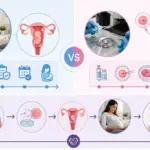

Quick Summary
Surrogacy is a way to help people become parents when they are unable to carry a pregnancy themselves. A surrogate is a woman who carries and gives birth to a baby for the intended parents. The process includes medical care, legal steps, and emotional support to help couples and individuals facing fertility issues or other challenges grow their families.
What Is Surrogacy?
Surrogacy is an arrangement where a woman, known as a surrogate or gestational carrier, carries a pregnancy for intended parents. The baby may be created using the intended parents’ genetic material or donor eggs and sperm, depending on the situation.
The surrogacy journey usually includes fertility treatments, medical screening, legal agreements, embryo transfer, pregnancy care, and the birth of the baby. Each step is carefully planned to protect the health and interests of both the surrogate and intended parents.
Types of Surrogacy
There are basically two types of surrogacy.
| Type of Surrogacy | What It Means | Genetic Relationship | How It Works | Advantages | Important Considerations |
|---|---|---|---|---|---|
| Gestational Surrogacy | Gestational surrogacy is a process where a surrogate carries a baby created through IVF using an embryo made from the intended parents’ eggs and sperm or donor genetic material. |
The surrogate does not have a genetic connection with the baby because her egg is not used. |
Eggs and sperm are collected from intended parents or donors, embryos are created in a laboratory, and a selected embryo is transferred into the surrogate’s uterus. |
|
|
| Traditional Surrogacy | Traditional surrogacy involves a surrogate using her own egg to create the pregnancy. |
The surrogate has a genetic relationship with the baby because her egg is used. |
Pregnancy is achieved through insemination using sperm from an intended father or donor. |
|
|
Altruistic vs. Compensated Surrogacy
Surrogacy arrangements can differ depending on compensation laws and personal agreements. The two main approaches are altruistic and compensated surrogacy.
| Type | Meaning | Payment/Expenses | Considerations |
|---|---|---|---|
| Altruistic Surrogacy | A surrogate chooses to help intended parents without receiving payment beyond pregnancy-related expenses. |
Usually includes reimbursement for medical costs and approved expenses. | Common in locations where commercial surrogacy is restricted. |
| Compensated Surrogacy | A surrogate receives payment for her time, commitment, and pregnancy journey. |
Includes surrogate compensation along with medical and related expenses. | Requires clear legal agreements and understanding of local regulations. |
How Does Surrogacy Work?
The surrogacy process involves several important stages:
- Initial Consultation and Planning: Intended parents meet with fertility specialists or surrogacy professionals to understand options, requirements, and expected timelines.
- Medical Evaluation: Intended parents, donors if required, and the surrogate complete medical assessments to support a healthy pregnancy.
- Choosing a Surrogate: Intended parents may work with an agency or find a surrogate independently. Screening helps ensure medical, emotional, and personal compatibility.
- Legal Agreements: Lawyers create contracts that explain responsibilities, parental rights, compensation, and expectations before pregnancy begins.
- IVF and Embryo Transfer: Fertility specialists create embryos through IVF and transfer a suitable embryo into the surrogate’s uterus.
- Pregnancy Monitoring: The surrogate receives medical care throughout pregnancy while intended parents are updated and involved according to the agreement.
- Birth and Parental Transition: After delivery, legal procedures confirm parental rights, allowing intended parents to begin their journey as a family.
How To Find a Surrogate
Finding the right surrogate is one of the most important decisions in the surrogacy journey. Intended parents should consider medical history, emotional readiness, communication style, and legal protection before moving forward.
There are basically two ways to find a surrogate.
| Option | How It Works | Benefits | Services/Support Available | Things Intended Parents Should Consider |
|---|---|---|---|---|
| Using a Surrogacy Agency | Intended parents work with a professional agency that helps them find and match with a suitable surrogate. |
|
Agencies generally assist with:
|
Agency fees can increase total costs. Parents should check agency reputation, experience, success stories, and transparency before choosing. |
| Using Your Own Surrogate | Intended parents independently work with someone they know, such as a friend or family member, who agrees to carry the pregnancy. |
|
Parents are still required to arrange:
|
Personal relationships can create emotional challenges. Professional legal and medical guidance is still necessary. |
Surrogacy is a meaningful journey that combines expertise, legal planning, and emotional preparation. Intended parents should take time to understand their options and seek guidance from qualified surrogacy professionals.
With support and planning, surrogacy can help intended parents move closer to achieving their dream of becoming parents.
FAQs about Surrogacy
Q. How does a woman get pregnant with surrogacy?
A. In surrogacy, pregnancy usually happens through IVF. An embryo created using the intended parents’ or donor egg and sperm is transferred into the surrogate’s uterus, where it develops during pregnancy.
Q. Whose sperm is used in surrogacy?
A. The sperm used in surrogacy may come from the intended father or a sperm donor, depending on the parents’ situation and fertility needs.
Q. Who is the biological mother of a surrogate child?
A. In gestational surrogacy, the biological mother is the woman whose egg is used to create the embryo. The surrogate carries the pregnancy but does not have a genetic connection with the baby.
Q. Can a baby look like the surrogate mother?
A. In gestational surrogacy, the baby does not inherit the surrogate’s DNA. However, some traits may be influenced by the pregnancy environment, so small similarities can sometimes appear by chance.
Q. What is the disadvantage of surrogacy?
A. Surrogacy can involve emotional challenges, medical risks, legal complexities, and significant financial costs. Proper planning and professional support can help manage these concerns.
Q. Can a surrogate carry another woman’s egg?
A. Yes. In gestational surrogacy, a surrogate can carry an embryo created using another woman’s egg, along with sperm from the intended father or a donor.
Q. Do surrogates get paid if they lose the baby?
A. Payment policies depend on the surrogacy agreement and local laws. Some arrangements may provide compensation for the time, medical care, and expenses involved, even if pregnancy does not continue.
Q. Whose egg is used in surrogacy?
A. The egg may come from the intended mother or an egg donor. The choice depends on medical factors, fertility needs, and personal circumstances.
Q. Will my baby look like me if I use donor sperm?
A. A baby may still share physical traits with the parent who provides the egg. Other characteristics can come from genetics, family traits, and natural variations.
Q. Where should you go for surrogacy?
A. Choose a physician-led surrogacy agency like Surrogacy4All or Physician’s Surrogacy for medical care, legal guidance, and trusted support throughout your surrogacy journey.

Dr. Veera Saghar
As an Egg Donor Coordinator, she plays a critical role in our company. Her background as a medical graduate from ISRA UNIVERSITY in Pakistan provides us with a solid foundation in the medical sciences. She has seven years of clinical experience practicing in the USA. This has given her firsthand experience when collaborating with patients and their families.
She is responsible for managing the process of egg donation from start to finish. We identify and screen potential egg donors.
- Dr. Veera Saghar

- Dr. Veera Saghar
- Dr. Veera Saghar
- Dr. Veera Saghar