
Key Takeaways
- AI-assisted embryo ranking uses machine learning to improve embryo selection accuracy.
- It complements—rather than replaces—embryologist expertise.
- Both intended parents and surrogates benefit from higher implantation confidence.
- AI reduces subjectivity in embryo grading and supports better IVF outcomes.
- Ethical use and transparency remain essential in AI-driven fertility care.
Choosing the best embryo for transfer has always been one of the most critical—and emotionally charged—decisions in IVF and surrogacy journeys. Traditionally, embryologists relied on visual grading systems and clinical experience. Today, AI-assisted embryo ranking is reshaping that process by adding data-driven precision.
This dual guide explains how AI embryo ranking works, what it means for intended parents and gestational surrogates, and how this technology fits into modern IVF and surrogacy programs at Surrogacy.com.
Understanding AI-Assisted Embryo Ranking
What Is AI-Assisted Embryo Ranking?
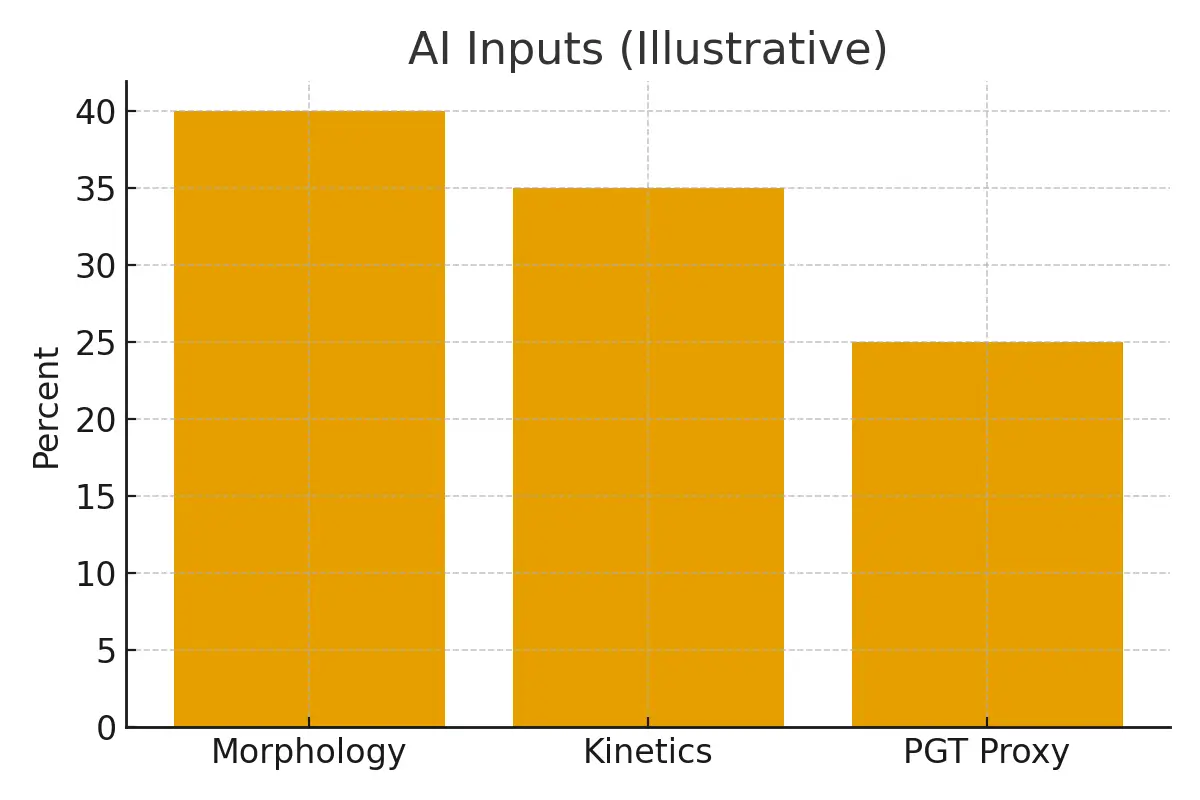
AI-assisted embryo ranking uses advanced algorithms to analyze embryo development patterns captured through time-lapse imaging. The system evaluates thousands of data points—such as cell division timing and symmetry—to predict implantation potential.
Instead of a single snapshot, AI reviews the embryo’s entire developmental timeline.
How Is It Different from Traditional Embryo Grading?
Traditional grading:
- Relies on visual inspection
- Can vary between embryologists
- Evaluates embryos at fixed time points
AI-assisted ranking:
- Uses continuous monitoring
- Applies consistent, data-driven analysis
- Learns from thousands of prior IVF outcomes
Why AI Embryo Ranking Matters for Intended Parents
Higher Confidence in Embryo Selection
AI provides an additional layer of insight, helping intended parents feel more confident that the selected embryo has strong implantation potential.
Reduced Trial-and-Error Cycles
Better embryo selection can reduce the number of transfer attempts, saving emotional energy, time, and financial resources.
Data-Backed Decision Making
Rather than choosing based solely on appearance, AI offers probability-based predictions grounded in large clinical datasets.
What Gestational Surrogates Should Know
Does AI Change the Surrogate’s Role?
No. AI supports embryo selection but does not affect:
- Surrogate screening
- Medical protocols
- Legal agreements
- Emotional or physical responsibilities
Why It Benefits Surrogates
- Higher likelihood of successful implantation
- Reduced need for repeated transfers
- Clearer communication about embryo quality
For surrogates, AI means fewer uncertainties and a more streamlined journey.
AI + Embryologists: A Collaborative Approach
AI Is a Tool, Not a Replacement
Embryologists still:
- Validate AI recommendations
- Consider patient history
- Account for medical nuances AI cannot assess
The best outcomes occur when human expertise and artificial intelligence work together.
Case Study: AI-Guided Success in a Surrogacy Journey
Background:
An intended parent couple experienced two failed embryo transfers despite good-quality embryos.
Intervention:
Their clinic introduced AI-assisted embryo ranking during the next IVF cycle.
Outcome:
- AI identified a lower-graded embryo with higher implantation potential
- First transfer with AI guidance resulted in a successful pregnancy
- Healthy delivery through a gestational surrogate
Key Insight:
Visual grading alone doesn’t always tell the full story—AI adds critical context.
Real Experiences: Testimonials
Testimonial 1 – Intended Parent
“AI embryo ranking gave us clarity when emotions clouded judgment. Knowing data supported our choice changed everything.”
Testimonial 2 – Gestational Surrogate
“I appreciated that the clinic used advanced tools. It made me feel confident that the embryo transfer had the best chance.”
Testimonial 3 – Fertility Coordinator
“AI has helped us guide families with more transparency and realistic expectations.”
Expert Quote
“AI-assisted embryo ranking enhances—not replaces—clinical expertise. When used responsibly, it represents one of the most meaningful advancements in reproductive medicine.”
— Dr. Elena Morris, Reproductive Endocrinologist
Ethical Considerations in AI-Based Embryo Selection
Key Ethical Safeguards
- AI ranks embryos, not people
- No genetic “designing” or trait selection
- Final decisions remain with clinicians and patients
Responsible clinics use AI strictly to improve implantation outcomes, not to influence non-medical traits.
Related Links
- Embryo Grading and Selection
- IVF Technology Advances
- Gestational Surrogacy Journey
- IVF Success Factors
Glossary
- AI (Artificial Intelligence): Computer systems designed to perform tasks that typically require human intelligence.
- Embryo Ranking: The process of prioritizing embryos based on implantation potential.
- Time-Lapse Imaging: Continuous embryo monitoring inside a controlled incubator.
- Blastocyst: An embryo typically developed five to six days after fertilization.
- Implantation Potential: The likelihood that an embryo will successfully attach to the uterus.
Frequently Asked Questions (FAQ)
Q. Is AI-assisted embryo ranking safe?
Ans : Yes. AI analyzes images and developmental data only. It does not alter embryos or interfere with biological processes.
Q. Does AI guarantee IVF success?
Ans : No technology can guarantee success, but AI improves decision-making accuracy and may increase success probabilities.
Q. Is AI embryo ranking expensive?
Ans : Costs vary by clinic, but it may reduce overall expenses by lowering the number of failed transfers.
Q. Can surrogates refuse AI-selected embryos?
Ans : Medical decisions remain collaborative. Surrogates are informed but not obligated to make embryo-selection choices.
Q. Is AI used in all IVF clinics?
Ans : No. Adoption varies depending on clinic resources, regulations, and patient preference.
Q. Does AI select embryos based on genetics?
Ans : No. AI evaluates development patterns, not genetic traits or personal characteristics.
Q. Can AI help with frozen embryos?
Ans : Yes. AI can analyze development data captured before cryopreservation.
Q. Is AI biased in embryo selection?
Ans : When trained responsibly on diverse datasets, AI minimizes human bias rather than increasing it.
Q. Will AI replace embryologists in the future?
Ans : Unlikely. AI supports embryologists but cannot replace clinical judgment or patient-centered care.
Q. Should all intended parents use AI embryo ranking?
Ans : It’s a personal decision best made with your fertility specialist based on medical history and treatment goals.
Q. Does AI affect surrogacy legal agreements?
Ans : No. AI impacts medical decisions only, not legal or contractual frameworks.
Q. How can I learn if my clinic offers AI embryo ranking?
Ans : Ask your fertility coordinator or consult with Surrogacy.com for guided clinic matching.
Ready to take the next step? Call Surrogacy4All at (212) 661-7673 or email info@surrogacy4all.com to book your consultation.

Dr. Kulsoom Baloch
Dr. Kulsoom Baloch is a dedicated donor coordinator at Egg Donors, leveraging her extensive background in medicine and public health. She holds an MBBS from Ziauddin University, Pakistan, and an MPH from Hofstra University, New York. With three years of clinical experience at prominent hospitals in Karachi, Pakistan, Dr. Baloch has honed her skills in patient care and medical research.
- Dr. Kulsoom Baloch

- Dr. Kulsoom Baloch
- Dr. Kulsoom Baloch
- Dr. Kulsoom Baloch