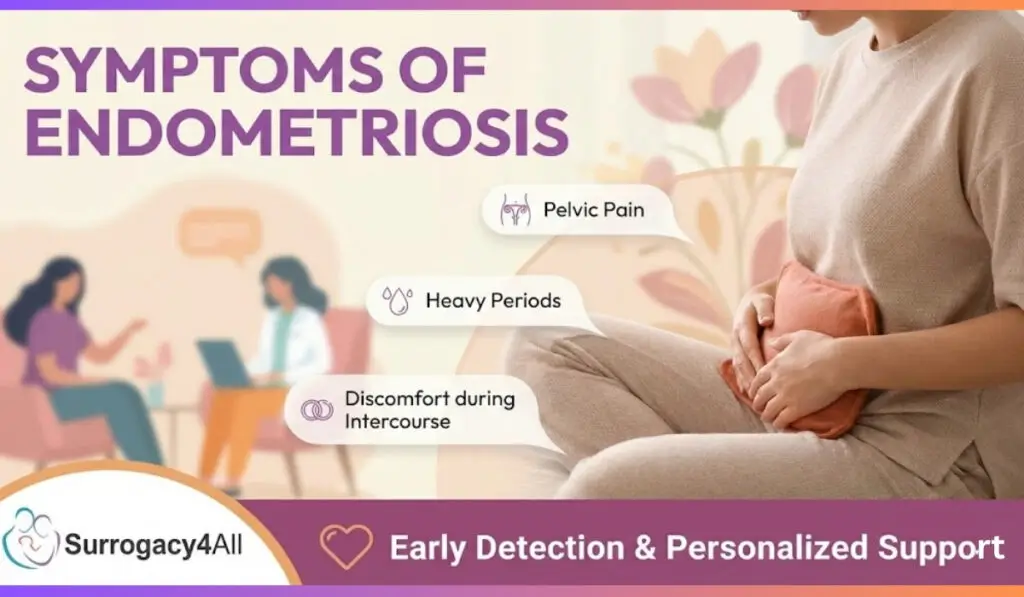
AI Smart Summary – Endometriosis Symptoms
Endometriosis affects millions of women worldwide, causing tissue similar to the uterine lining to grow outside the uterus. This blog covers the 20 key symptoms of endometriosis, including pelvic pain, infertility, and digestive issues. Early recognition is crucial for managing the condition effectively. Learn about the causes, diagnosis, and treatment options available to improve your health and quality of life.
FAST FACTS
Common Symptoms
- Painful Periods (Dysmenorrhea)
- Chronic Pelvic Pain
- Pain During or After Sex
- Heavy Menstrual Bleeding
- Infertility
- Fatigue
Possible Causes
- Genetic Factors
- Hormonal Influences
- Immune System Dysfunction
Key Takeaways
- Early recognition of symptoms can help with effective treatment.
- The condition affects various aspects of a woman’s health, including fertility and daily activities.
- Treatment options range from medication to surgery, depending on severity.
Next Steps
- Learn more about symptom management and treatment options.
- Seek professional advice if you notice worsening symptoms or suspect endometriosis.
What Is Endometriosis?
Endometriosis meaning refers to a condition in which tissue similar to the lining of the uterus (endometrium) begins to grow outside the uterus. These growths typically occur on the ovaries, fallopian tubes, or the lining of the pelvic cavity. In rare cases, they may even spread beyond the pelvic organs. This tissue behaves in the same way as the uterine lining—thickening, breaking down, and bleeding with each menstrual cycle. However, unlike the tissue inside the uterus, the blood from these growths has nowhere to go. This can lead to inflammation, scarring, and pain.
What Causes Endometriosis?
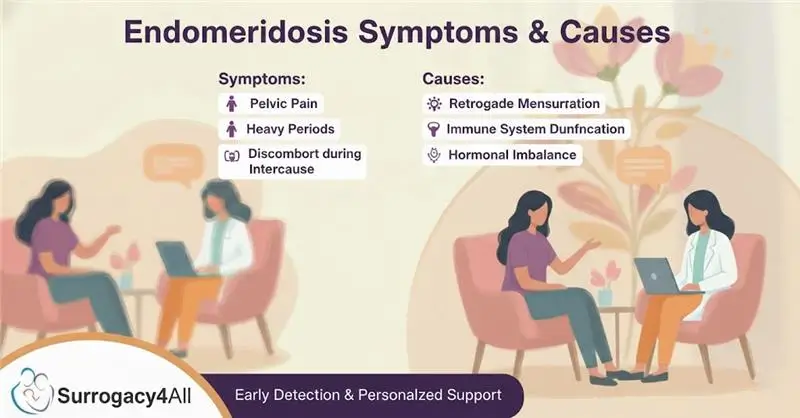
The exact cause of endometriosis is still not fully understood. However, several factors may contribute to its development, including:
- Genetic factors: Women with a family history of endometriosis are more likely to develop the condition.
- Hormonal influences: High levels of estrogen can promote the growth of endometrial-like tissue outside the uterus.
- Immune system dysfunction: Some studies suggest that problems with the immune system may prevent the body from recognizing and eliminating endometrial-like tissue outside the uterus.
Although the causes are not entirely clear, one thing is certain: endometriosis significantly impacts a woman’s health and quality of life.
20 Symptoms of Endometriosis You Should Not Ignore
Endometriosis symptoms vary from person to person and can range from mild to severe. Below are 20 symptoms commonly associated with endometriosis:
-
Painful Periods (Dysmenorrhea)
One of the most common symptoms, women with endometriosis often experience pain before and during menstruation. This pain can be more severe than the typical cramps experienced during a period.
-
Chronic Pelvic Pain
Many women with endometriosis experience chronic pelvic pain, which can occur throughout the month, not just during menstruation.
-
Pain During or After Sex
Endometriosis can cause pain during or after intercourse due to the location of the endometrial tissue, which may affect the vagina, cervix, or other pelvic structures.
-
Heavy Menstrual Bleeding
Unusually heavy periods, or heavy bleeding between periods, are common in women with endometriosis.
-
Infertility
Endometriosis is one of the leading causes of infertility, affecting up to 30–50% of women with the condition.
-
Fatigue
Chronic fatigue is another common symptom. The constant pain and inflammation caused by endometriosis can take a toll on your energy levels.
-
Painful Bowel Movements or Urination
Women with endometriosis may experience pain during bowel movements or urination, especially during their period. This can be due to endometrial tissue affecting the bladder or intestines.
-
Bloating and Digestive Issues
Bloating, nausea, constipation, and diarrhea are often reported by women with endometriosis, particularly during menstruation.
-
Lower Back Pain
Persistent lower back pain that does not improve with typical treatments could be a sign of endometriosis affecting the lower pelvic region.
-
Leg Pain
Some women with endometriosis experience pain in their legs due to the nerve involvement from endometrial tissue growths.
-
Constipation and Diarrhea
Gastrointestinal problems such as constipation, diarrhea, and painful bowel movements are common among those with endometriosis.
-
Nausea
The inflammation caused by endometriosis may lead to nausea, particularly during menstruation or when the condition is severe.
-
Painful Ovulation
Some women with endometriosis experience sharp pain during ovulation, which can feel similar to menstrual cramps but occurs around the time of egg release from the ovaries.
-
Pelvic Masses or Cysts
Endometriosis can cause the formation of cysts (endometriomas) on the ovaries, which may be felt as masses during a pelvic exam.
-
Pain During or After Physical Activity
Some women find that physical activities, such as exercise, can aggravate their endometriosis symptoms.
-
Shorter or Irregular Menstrual Cycles
While many women with endometriosis experience heavier periods, others may have shorter or irregular menstrual cycles.
-
Dyspareunia (Painful Intercourse)
Intense pelvic pain or discomfort during intercourse is a hallmark symptom of endometriosis, especially if the condition is affecting the uterus, cervix, or pelvic region.
-
Swollen Abdomen
A swollen or bloated abdomen, often associated with gastrointestinal distress, is a common complaint among those suffering from endometriosis.
-
Cyclic Pain
Endometriosis pain is often cyclic, corresponding with a woman’s menstrual cycle. It can worsen just before or during menstruation and improve after the period ends.
-
Pain That Worsens Over Time
One of the most concerning signs of endometriosis is pain that progressively worsens over time. If you notice an increase in the intensity or frequency of your symptoms, it’s important to seek medical advice.
How Is Endometriosis Diagnosed?
Diagnosing endometriosis can be challenging due to the varied nature of its symptoms. There is no single test that can definitively diagnose the condition. The diagnostic process often involves:
- Physical Exam: Your doctor may perform a pelvic exam to check for abnormalities such as cysts or masses in the pelvic area.
- Imaging Tests: Ultrasound, MRI, or CT scans may be used to visualize the pelvic organs and detect cysts or masses associated with endometriosis.
- Laparoscopy: The gold standard for diagnosing endometriosis is laparoscopy, a surgical procedure in which a camera is inserted into the abdomen to directly observe endometrial tissue outside the uterus.
Stages of Endometriosis
Endometriosis is classified into four stages, depending on the extent of tissue growth and damage:
- Stage 1 (Minimal): Small lesions or growths on the pelvic organs, with minimal scarring or adhesions.
- Stage 2 (Mild): More lesions and some adhesions affecting the ovaries and fallopian tubes.
- Stage 3 (Moderate): Deeper lesions, cysts on the ovaries, and more extensive adhesions.
- Stage 4 (Severe): Extensive growth of endometrial tissue, deep adhesions, and the presence of cysts on the ovaries. Stage 4 is the most severe form of the condition and may cause significant fertility issues.
Endometriosis Treatments: From Pain Relief to Surgery
Endometriosis treatments vary depending on the severity of symptoms and the stage of the condition. Options include:
- Pain Medication: Over-the-counter NSAIDs (ibuprofen) can help relieve mild pain, but stronger medications may be required for more severe cases.
- Hormonal Therapy: Birth control pills, hormone injections, and IUDs may help regulate the menstrual cycle and reduce endometriosis symptoms.
- Surgery: In more severe cases, surgery may be necessary to remove endometrial tissue, cysts, or adhesions. Endometriosis surgery, including laparoscopic surgery, can provide significant relief from pain and improve fertility.
Endometriosis and Fertility
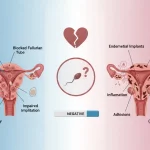
Endometriosis can lead to infertility, particularly when the condition is in advanced stages. It may cause scarring or damage to the fallopian tubes, ovaries, or uterus, making it difficult for an egg to be fertilized or implant in the uterus. However, many women with endometriosis can still conceive with the right treatment, including surgery or assisted reproductive technologies like in-vitro fertilization (IVF).
Endometriosis Diet and Self-Care
While there is no specific “endometriosis diet,” certain foods may help reduce inflammation and alleviate symptoms. A diet rich in fruits, vegetables, whole grains, and omega-3 fatty acids can help manage pain and inflammation. It’s also important to avoid foods that may exacerbate symptoms, such as processed foods, excess sugar, and trans fats.
Additionally, self-care practices like stress management, regular exercise, and adequate sleep can help women manage the emotional and physical challenges of living with endometriosis.
Endometriosis Awareness Month
Every March, Endometriosis Awareness Month is observed to raise awareness about the condition and advocate for better diagnosis, treatment, and support for those affected. It’s a time to educate the public, support research, and share stories of those who have been affected by the disease.
Endometriosis After Hysterectomy: What to Expect
If you’ve had a hysterectomy, you may wonder if endometriosis can still affect you. While a hysterectomy removes the uterus, it does not guarantee that endometriosis will not return. If endometrial tissue is left behind during the procedure, it can continue to cause symptoms.
FAQs
Q. What is the meaning of endometriosis?
Ans : Endometriosis is a condition where tissue similar to the uterine lining grows outside the uterus, leading to symptoms like pain, heavy periods, and infertility. This tissue behaves like the lining of the uterus, breaking down and bleeding, but it has nowhere to go, causing inflammation and scarring.
Q. How is endometriosis different from PCOS (Polycystic Ovary Syndrome)?
Ans : While both endometriosis and PCOS can affect a woman’s reproductive health, they are different conditions. Endometriosis vs PCOS: Endometriosis involves tissue growing outside the uterus, while PCOS is characterized by hormonal imbalance and cysts in the ovaries. PCOS typically causes irregular periods and excess androgen, whereas endometriosis is known for pelvic pain and can lead to fertility issues.
Q. Is endometriosis genetic?
Ans : Yes, there is evidence suggesting that endometriosis can run in families. Is endometriosis genetic: Women with a close relative who has endometriosis may be more likely to develop the condition themselves. However, while genetics plays a role, it is not the only factor.
Q. Can endometriosis cause weight gain?
Ans : Yes, can endometriosis cause weight gain: Many women with endometriosis report unexplained weight gain. This could be due to hormonal imbalances, inflammation, or other symptoms like fatigue, which make it harder to maintain a healthy weight. The condition’s impact on metabolism can also contribute to weight changes.
Q. How is endometriosis diagnosed?
Ans : Endometriosis is typically diagnosed through a combination of pelvic exams, imaging tests like ultrasounds, and the gold standard, laparoscopy. During laparoscopy, a camera is inserted through a small incision to observe endometrial tissue outside the uterus.
Q. What are the common symptoms of endometriosis?
Ans : The most common symptoms of endometriosis include severe pelvic pain, painful periods, heavy bleeding, and difficulty conceiving. Other symptoms can include pain during sex, bloating, and fatigue.
Q. What are the stages of endometriosis?
Ans : Endometriosis is classified into four stages: minimal, mild, moderate, and severe (stage 4). The severity of the condition is determined by the extent of tissue growth and the presence of adhesions or scarring. Stage 4 endometriosis is the most severe form and can cause significant fertility challenges.
Q. How does endometriosis affect fertility?
Ans : Endometriosis can lead to infertility due to the scarring and damage it causes to the fallopian tubes, ovaries, and the lining of the uterus. Women with endometriosis may experience difficulty conceiving, but treatments such as surgery and fertility treatments can improve the chances of pregnancy.
Q. What are some self-care strategies for managing endometriosis?
Ans : Endometriosis self-care involves managing symptoms through lifestyle changes, such as adopting a diet rich in anti-inflammatory foods, managing stress, getting regular exercise, and using heat therapy to alleviate pain. These practices can help reduce inflammation and improve overall well-being.
Q. Can endometriosis be cured?
Ans : Currently, there is no cure for endometriosis. However, the condition can be managed with medication, hormone therapy, and surgery. Many women with endometriosis find relief from their symptoms by working with a healthcare provider to develop a tailored treatment plan.
Q. What is the role of diet in managing endometriosis symptoms?
Ans : An endometriosis nutrition focuses on reducing inflammation and managing symptoms. Eating foods high in omega-3 fatty acids, such as salmon and flaxseed, can help reduce pain. Avoiding processed foods, red meat, and excess sugar may also help alleviate symptoms of endometriosis.
Q. How can I tell if I have endometriosis?
Ans : If you’re experiencing symptoms such as chronic pelvic pain, painful periods, or difficulty conceiving, it’s important to consult with a healthcare provider. They may perform tests like ultrasounds or laparoscopy to diagnose endometriosis and rule out other conditions.
Last Summary
Early recognition of endometriosis symptoms is essential for a proper diagnosis and effective treatment. If you’re experiencing painful periods, infertility, or chronic pelvic pain, consult a healthcare professional. Understanding the symptoms and treatment options can empower you to take control of your health. For expert support, reach out to Patients Medical for specialized women’s health care or Surrogacy4All for fertility assistance. Both agencies offer valuable resources to help manage endometriosis and its effects.

Dr. Veera Saghar
As an Egg Donor Coordinator, she plays a critical role in our company. Her background as a medical graduate from ISRA UNIVERSITY in Pakistan provides us with a solid foundation in the medical sciences. She has seven years of clinical experience practicing in the USA. This has given her firsthand experience when collaborating with patients and their families.
She is responsible for managing the process of egg donation from start to finish. We identify and screen potential egg donors.
- Dr. Veera Saghar

- Dr. Veera Saghar
- Dr. Veera Saghar
- Dr. Veera Saghar