Consanguinity Considerations
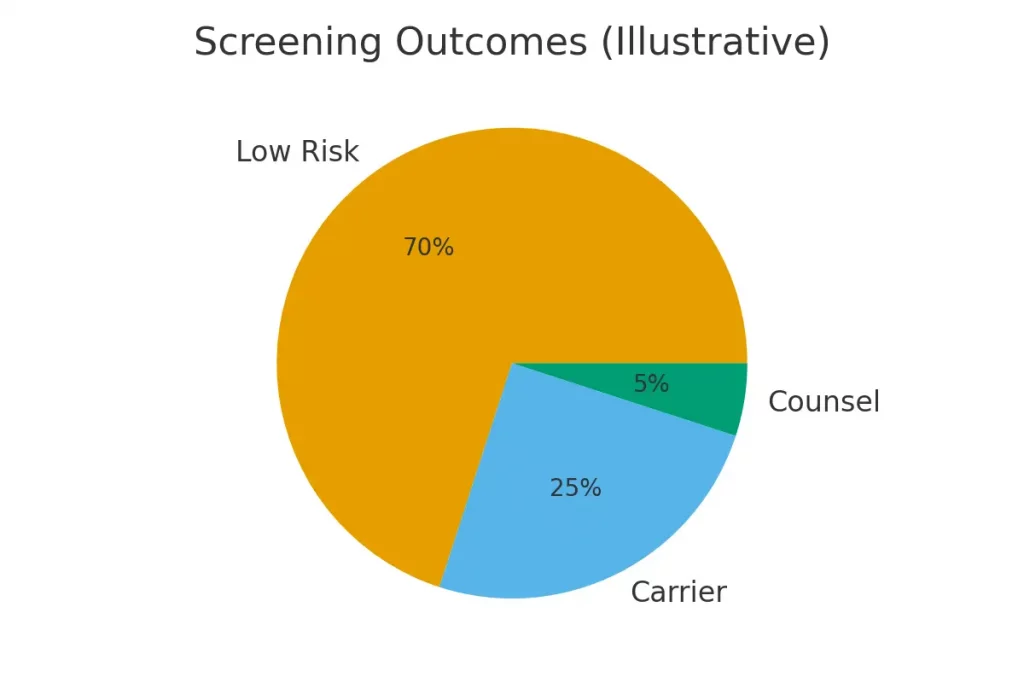
Consanguinity Considerations — how genetic risk changes when partners share biological ancestry, why expanded carrier screening becomes more important, and how this decision fits into your reproductive planning. It clarifies what consanguinity actually affects (recessive disease risk, panel selection, counseling) and how upstream decisions shape downstream results such as PGT-M needs, embryo testing plans, and pregnancy […]
Citizenship and Passports — US and International
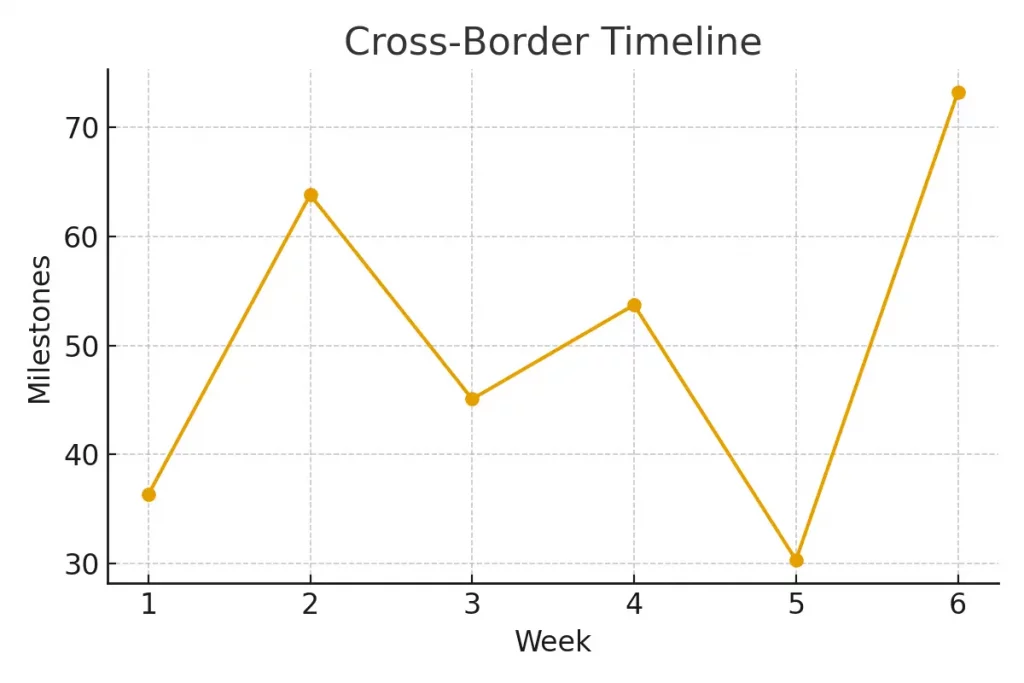
How a newborn’s legal identity, citizenship, birth certificate, and passport are created after birth—and how these differ for: US intended parents International intended parents (EU, UK, Canada, Asia, Latin America, Middle East, etc.) Dual-nationality families Cases involving donors, single parents, or same-sex couples Upstream decisions—birth state, contract language, hospital records, parentage orders, and embassy requirements—determine […]
Employer Benefits — Getting the Most From Coverage
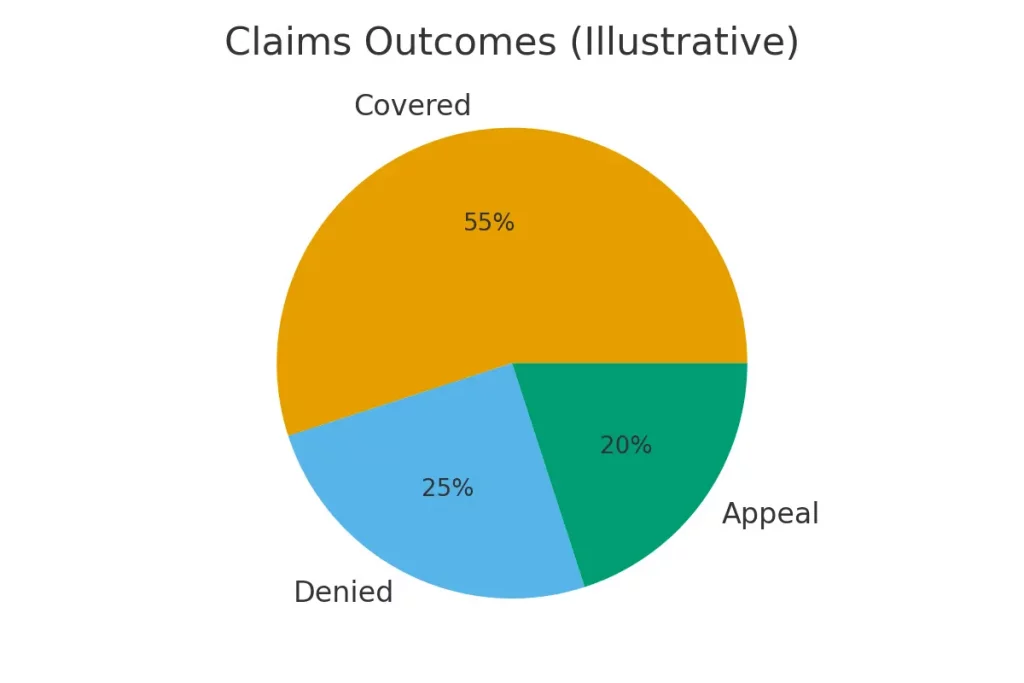
Employer fertility benefits are financial supports offered through your workplace—sometimes through insurance and sometimes as standalone fertility reimbursement programs. These benefits can include: IVF, ICSI, PGT-A Egg freezing or embryo banking Donor sperm, donor eggs, or donor embryos Surrogacy reimbursement Medications Travel or lodging for treatment They matter because they can change your timeline, expand […]
Managing Side Effects — Headaches, Bloating, Mood
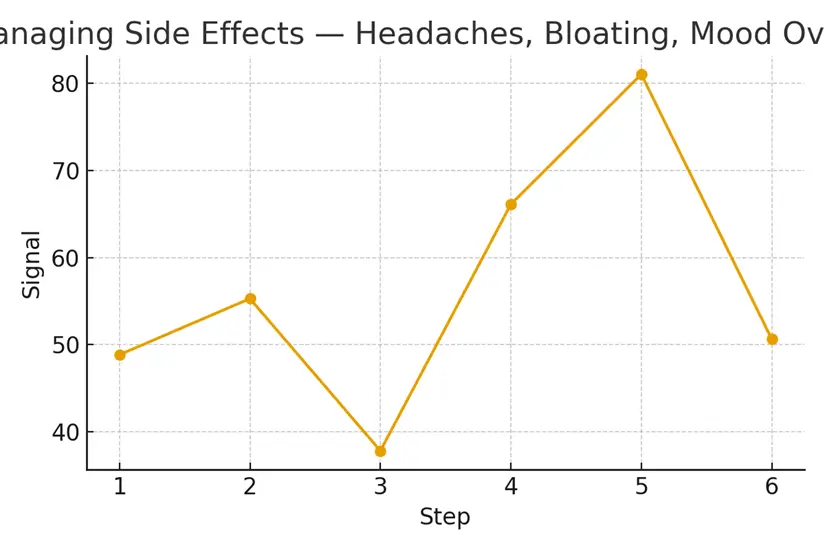
This article explains managing side effects—headaches, bloating, and mood changes within the IVF Protocols & Medications pathway. It focuses on simple, practical choices that actually improve comfort, reduce stress, and help you move through treatment with more confidence and control. What It Is Managing Side Effects — Headaches, Bloating, Mood in plain English:A guide to […]
Egg Donor Matching — Phenotype, Values, and Screening
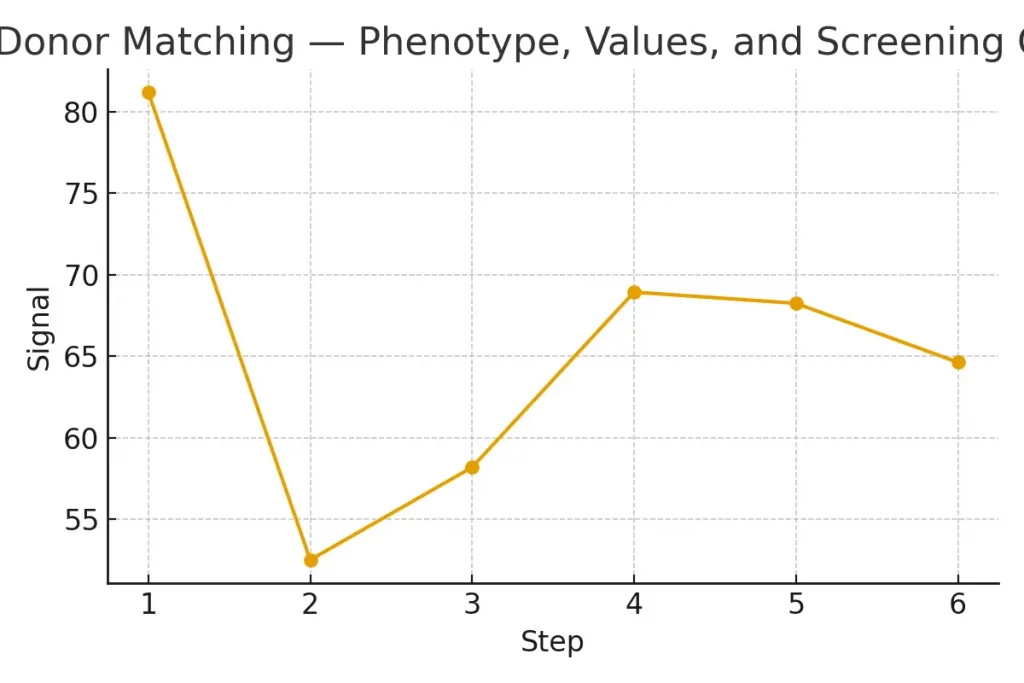
Egg donor matching is one of the most important decisions in LGBTQ+ family building. It influences outcomes, costs, and timelines more than almost any other step. This guide explains phenotype (appearance), values, and medical screening in plain English—so you can move forward with clarity and confidence. What It Is Egg donor matching is the process […]
Endometriosis Indicators — What Shows Up on Tests
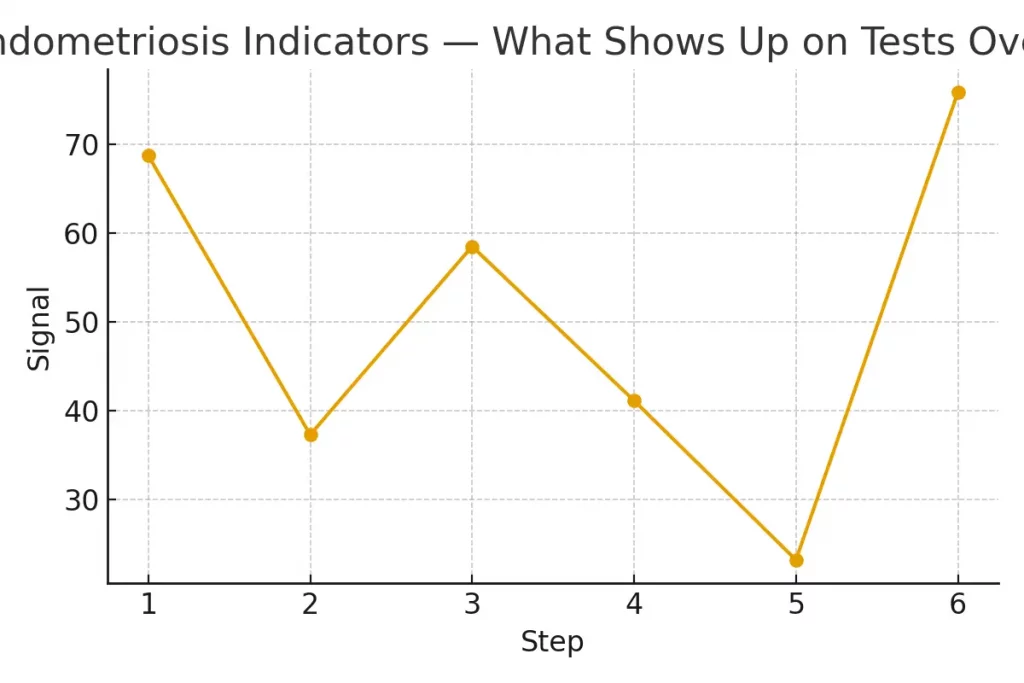
Endometriosis can be one of the most overlooked factors in the fertility journey. Within the Fertility Testing & Diagnostics pathway, knowing what shows up on tests—and what doesn’t—can change how quickly patients reach answers. This guide explains how to interpret endometriosis indicators, what to expect during testing, and how thoughtful timing, transparent costs, and a […]
Donor Selection with Carrier Status in Mind
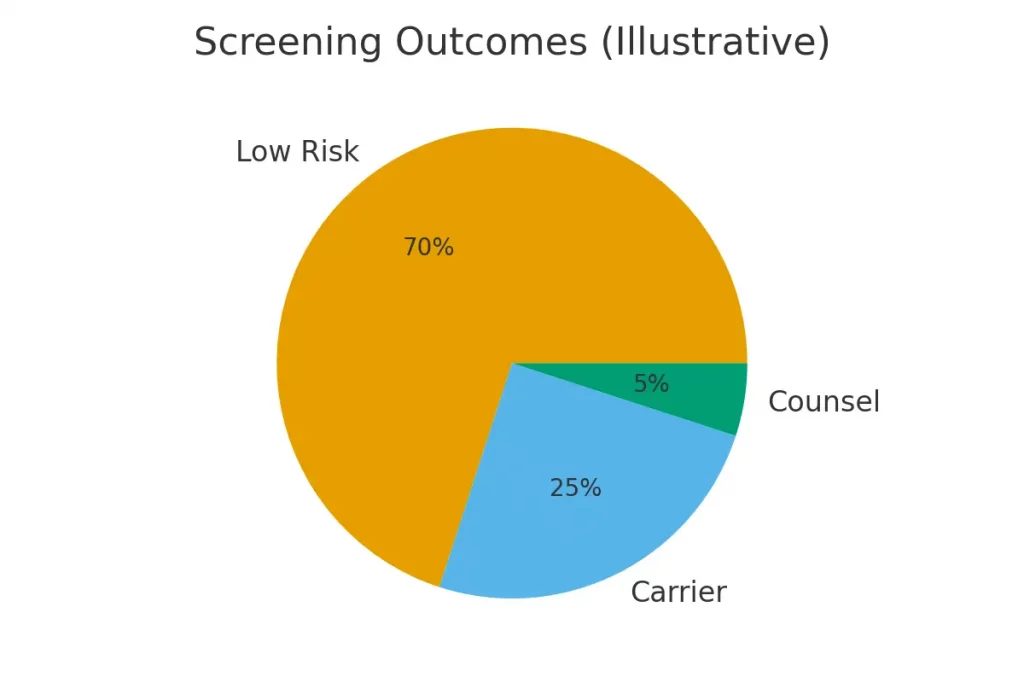
how to choose an egg, sperm, or embryo donor whose genetic profile meaningfully reduces risk. Where this decision fits in the pathway, what it changes, and how upstream testing influences downstream results like embryo health, testing needs, and timelines. Who It Helps Signals this approach is a good fit: You or your partner are carriers […]
Grants and Scholarships — Where to Look

These are non-repayable financial supports that reduce the cost of fertility care—IVF, donor cycles, surrogacy steps, medications, or travel. They matter because they can: Lower out-of-pocket costs Change treatment sequencing Reduce delays Make more effective options affordable (e.g., PGT-A, donor gametes) Upstream decisions—accurate diagnosis, correct coding, and clinic choice—directly shape your eligibility and application success. […]
Travel and Relocation Clauses — What to Watch
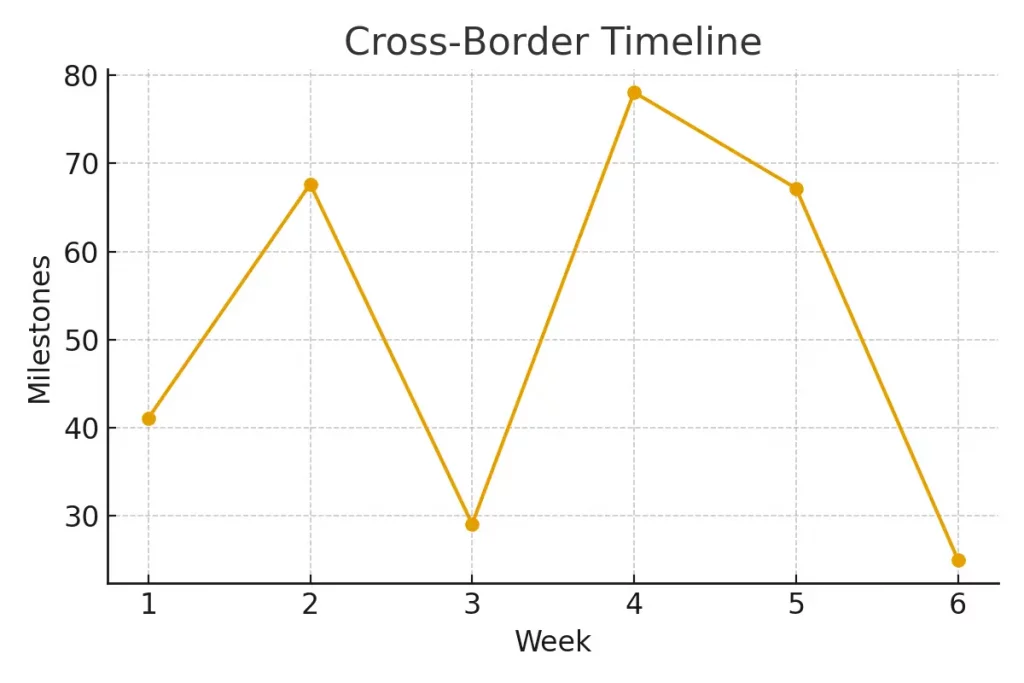
These are contract sections that define where the gestational carrier (GC) can travel and whether she can relocate—temporarily or permanently—during the pregnancy. They exist because any change in physical location can change: Which state laws apply (parentage orders, birth certificates) Which insurance rules apply (in-network vs out-of-network) Hospital options, NICU access, and delivery costs The […]
PCOS Test Panel — Interpreting LH/FSH, AMH, and Ultrasound
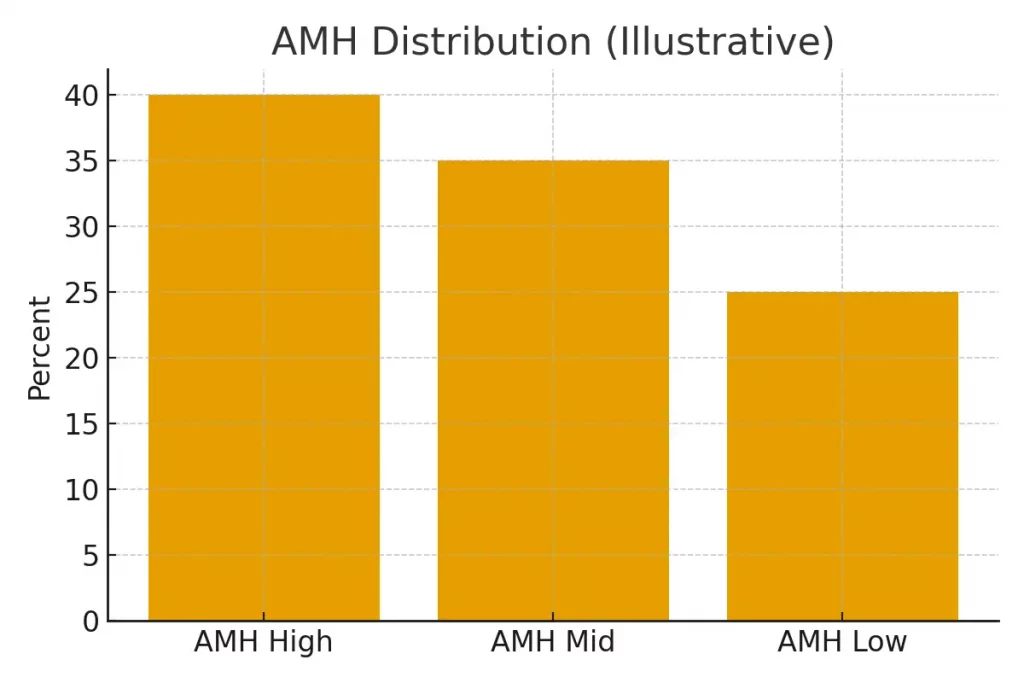
Polycystic Ovary Syndrome (PCOS) affects nearly one in ten women of reproductive age and is one of the most common causes of infertility. Understanding the PCOS test panel—particularly how to interpret LH/FSH, AMH, and ultrasound results—is crucial for creating a personalized fertility plan. Within the FertilityTesting & Diagnostics pathway, these tests help doctors predict egg […]