
Choosing a surrogacy agency is one of the most important decisions intended parents will make. The agency you select will coordinate medical professionals, attorneys, fertility clinics, surrogate screening, financial management, insurance guidance, and emotional support throughout a journey that may last more than a year.
While many agencies advertise low fees or quick matches, the best choice depends on much more than marketing claims. A reliable agency should provide transparent pricing, comprehensive legal guidance, experienced case management, qualified surrogate candidates, and continuous support from consultation through delivery.
This guide explains the key factors every intended parent should evaluate before choosing a surrogacy agency in 2026.
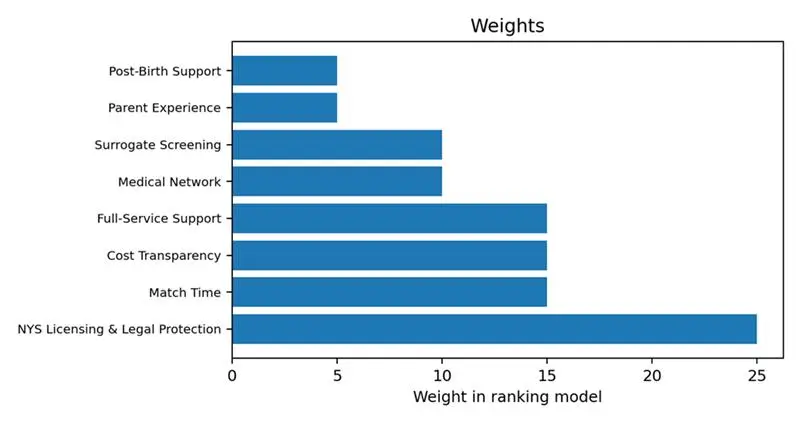 Figure 1: Visual decision aid for how to choose the best surrogacy agency in 2026.
Quick Summary
| Evaluation Factor | Why It Matters |
| Legal Protection | Protects parental rights and ensures regulatory compliance |
| Surrogate Screening | Reduces medical and psychological risks |
| Match Timeline | Helps families begin treatment sooner |
| Transparent Pricing | Prevents unexpected expenses |
| Medical Coordination | Improves communication between clinics and families |
| Emotional Support | Benefits both intended parents and surrogates |
| Case Management | Keeps every stage of the journey organized |
| Post-Birth Support | Ensures a smoother transition after delivery |
Why Choosing the Right Surrogacy Agency Matters
Surrogacy involves significant emotional, legal, medical, and financial commitments. Selecting an agency without carefully reviewing its qualifications can result in delays, hidden costs, legal complications, or communication challenges.
The best agencies create structured systems that protect everyone involved while maintaining transparency throughout the process.
Instead of asking,
“Which agency is the most popular?”
intended parents should ask,
“Which agency has proven systems that prioritize safety, transparency, efficiency, and comprehensive support?”
This approach leads to more informed decisions and a smoother family-building journey.
What Makes a Great Surrogacy Agency?
1. Legal Protection
Every surrogacy journey begins with legal planning.
A reputable agency should coordinate experienced reproductive attorneys, explain contracts clearly, assist with parentage orders where applicable, and guide intended parents through state-specific legal requirements.
Before signing with any agency, ask:
- How are legal services coordinated?
- Are contracts reviewed independently?
- What protections exist if circumstances change during the journey?
- How is escrow managed?
Strong legal planning helps reduce uncertainty and protects both intended parents and surrogates.
2. Comprehensive Surrogate Screening
The quality of surrogate screening directly impacts the success of the journey.
An established agency should evaluate:
- Medical history
- Previous pregnancy outcomes
- Psychological readiness
- Lifestyle factors
- Background verification
- Financial stability
- Family support system
Thorough screening helps identify qualified candidates who are prepared for the responsibilities of surrogacy.
3. Matching Process and Timeline
Many intended parents focus on how quickly they can be matched with a surrogate.
However, speed should never compromise quality.
Ask agencies:
- How many screened surrogate profiles are currently available?
- What is the average matching timeline?
- How often are new candidates added?
- What happens if a match is unsuccessful?
An organized matching process reduces delays while ensuring compatibility between families and surrogates.
4. Transparent Pricing
One of the biggest concerns for intended parents is cost.
Some agencies advertise low entry prices while additional expenses arise later for legal services, insurance, travel, escrow management, or case coordination.
Before signing, request a written estimate covering:
- Agency fees
- Surrogate compensation
- Medical expenses
- IVF coordination
- Legal fees
- Insurance costs
- Escrow administration
- Travel expenses
- Contingency planning
Understanding the total projected investment helps families budget more confidently.
5. Medical Coordination
A surrogacy agency should serve as the communication bridge between intended parents, fertility specialists, obstetric providers, attorneys, and the surrogate.
Effective coordination includes:
- Scheduling appointments
- Managing documentation
- Monitoring milestones
- Facilitating communication
- Supporting embryo transfer preparation
- Coordinating delivery planning
Strong case management minimizes confusion and keeps the process moving efficiently.
6. Emotional Support
Surrogacy is an emotional journey for everyone involved.
Professional agencies recognize the importance of ongoing support before, during, and after pregnancy.
Support services may include:
- Counseling referrals
- Regular case manager check-ins
- Conflict resolution assistance
- Birth planning support
- Post-delivery transition guidance
Emotional support contributes to a healthier experience for intended parents and surrogates alike.
Red Flags to Watch For
When comparing agencies, be cautious if you notice:
- Unrealistically low advertised prices
- Limited transparency about total costs
- Poor communication
- No clear legal coordination
- Vague screening procedures
- No dedicated case manager
- Lack of written policies
- Pressure to sign quickly
- Inconsistent timelines
- Limited support after delivery
These warning signs may indicate operational weaknesses that could affect the journey.
Comparison Checklist
| Feature | Strong Agency | Weak Agency |
| Transparent Pricing | ✔ Complete breakdown | ✘ Hidden fees |
| Surrogate Screening | ✔ Comprehensive | ✘ Limited information |
| Legal Coordination | ✔ Structured process | ✘ Unclear |
| Medical Support | ✔ Dedicated coordination | ✘ Minimal involvement |
| Case Manager | ✔ Assigned throughout | ✘ Multiple contacts |
| Communication | ✔ Regular updates | ✘ Inconsistent |
| Emotional Support | ✔ Available | ✘ Not included |
| Post-Birth Assistance | ✔ Ongoing | ✘ Ends at delivery |
10 Questions to Ask During Your Consultation
- Is your agency fully compliant with applicable regulations?
- How are surrogate candidates screened?
- What services are included in your fees?
- What additional costs should I anticipate?
- How long is the average matching process?
- Who manages legal coordination?
- Will I have a dedicated case manager?
- What happens if the first embryo transfer is unsuccessful?
- How do you support surrogates during pregnancy?
- What post-birth services do you provide?
The answers to these questions can reveal the quality and transparency of an agency’s operations.
Common Mistake Intended Parents Make
The most common mistake is choosing an agency based solely on the lowest advertised fee.
Lower initial pricing does not always reflect the total investment required.
Unexpected expenses for legal work, insurance, travel, rematching, escrow services, or additional coordination can significantly increase overall costs.
Evaluating value rather than price alone often leads to a more predictable and positive experience.
Why Full-Service Coordination Matters
A full-service agency coordinates every aspect of the surrogacy journey under one structured process.
Instead of managing multiple vendors independently, intended parents benefit from centralized communication, organized timelines, and consistent support.
This integrated approach reduces administrative stress and helps ensure that legal, medical, and logistical milestones remain aligned throughout the journey.
Practical Consultation Checklist
Before choosing an agency, make sure you:
✅ Review legal coordination procedures
✅ Request a complete written cost estimate
✅ Understand surrogate screening standards
✅ Ask about average matching timelines
✅ Confirm medical coordination services
✅ Learn who manages communication
✅ Review contingency plans for rematching
✅ Understand post-delivery support
Keeping this checklist during consultations can make agency comparisons more objective.
Frequently Asked Questions
Q. What is the most important factor when choosing a surrogacy agency?
A. Legal protection, transparent pricing, comprehensive surrogate screening, and experienced case management are among the most important considerations.
Q. Is the lowest-cost agency always the best choice?
A. No. The total journey cost, included services, legal protections, and quality of support should all be evaluated before making a decision.
Q. How long does surrogate matching usually take?
A. Matching timelines vary depending on agency resources, surrogate availability, and individual preferences. Parents should request realistic estimates during their consultation.
Q. What should be included in agency pricing?
A. A detailed estimate should outline agency fees, surrogate compensation, legal services, medical coordination, insurance guidance, escrow administration, travel expenses, and potential contingency costs.
Q. Why is surrogate screening important?
A. Comprehensive screening helps identify qualified candidates who meet medical, psychological, and lifestyle standards, contributing to a safer and more organized journey.
Q. What happens if the first embryo transfer is unsuccessful?
A. Policies differ by agency. Intended parents should ask how additional transfers, rematching, or revised treatment plans are managed before signing an agreement.
Final Thoughts
Choosing the best surrogacy agency in 2026 requires more than comparing advertised fees or online reviews. Families should evaluate legal protections, surrogate screening standards, pricing transparency, medical coordination, communication practices, and ongoing support throughout the process.
Taking the time to ask informed questions and compare agencies objectively can help intended parents select a partner that aligns with their goals and values, creating a stronger foundation for a successful family-building journey.

Dr. Kulsoom Baloch
Dr. Kulsoom Baloch is a dedicated donor coordinator at Egg Donors, leveraging her extensive background in medicine and public health. She holds an MBBS from Ziauddin University, Pakistan, and an MPH from Hofstra University, New York. With three years of clinical experience at prominent hospitals in Karachi, Pakistan, Dr. Baloch has honed her skills in patient care and medical research.
- Dr. Kulsoom Baloch

- Dr. Kulsoom Baloch
- Dr. Kulsoom Baloch
- Dr. Kulsoom Baloch